


AC Systems Dismantlement in Sunnyvale: Clear the Way for Your New Unit
Safe removal and disposal of old AC equipment in Sunnyvale, clearing the way for your new system.
What’s Covered on This Page
- Signs Your Old AC System Needs to Come Out
- How AC System Removal Works, Step by Step
- Refrigerant Recovery Is a Legal Step, Not a Courtesy
- When Repair Makes More Sense Than Removal
- What Affects Removal Cost and Scheduling in Sunnyvale
- How long does it take to remove an old AC system in Sunnyvale?
- What should I expect when your technician shows up to remove my unit?
- Is refrigerant recovery required before an old AC unit comes out?
- Can you remove an AC unit from an attic in a Sunnyvale home?
- How do I know if I need repair instead of full removal?
Signs Your Old AC System Needs to Come Out
Some units just look tired. The cabinet’s rusted through at the base, the fins are bent flat, and there’s a ring of oily residue where refrigerant has been slowly leaking for years. That residue is a real clue. It means the coil or a line has failed, and no amount of patching fixes it long term.
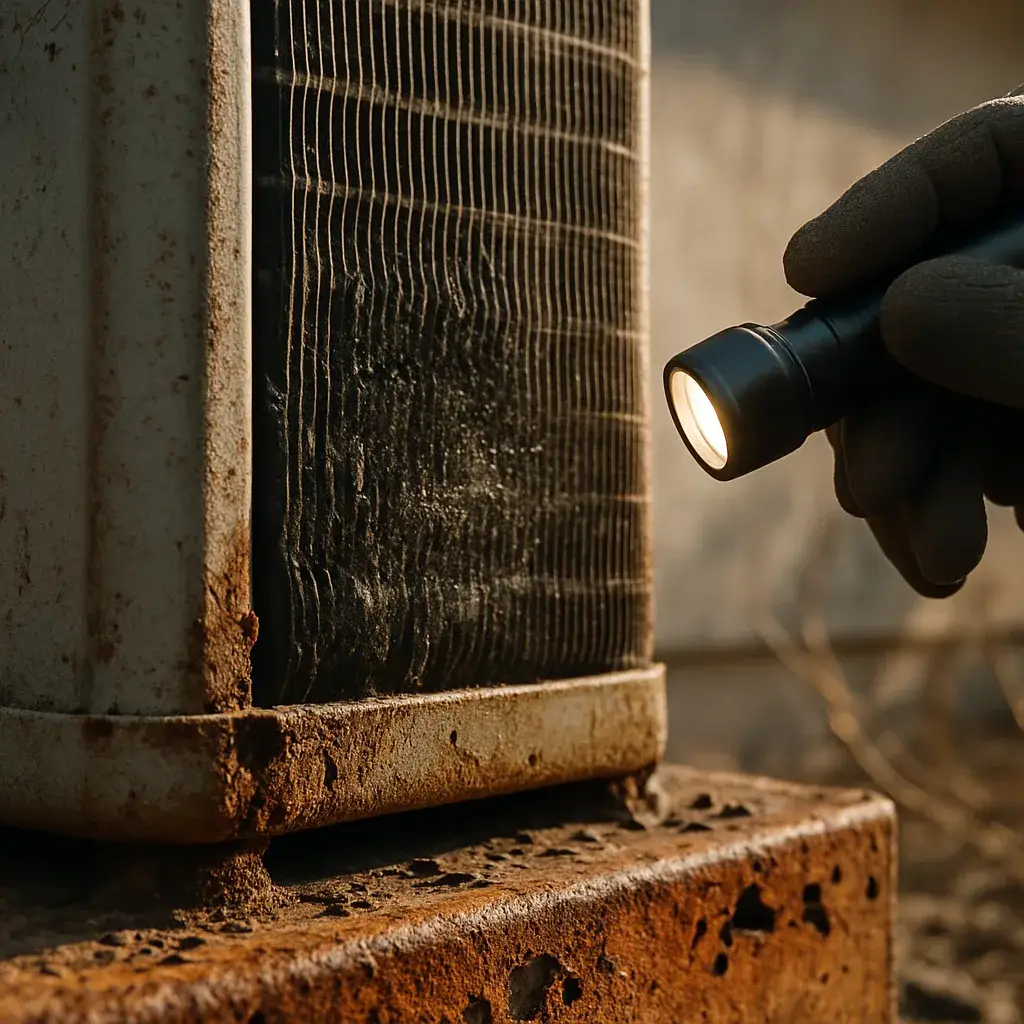
We see this every week out here, an old condenser sitting in the side yard, still technically running, but barely. It hums, it vibrates, it maybe blows a little cool air on a good day. That’s not a working system. That’s a unit waiting to fail on the hottest day of July.
- Rust or corrosion eating through the outdoor cabinet or coil fins
- Oily spots near fittings, a sign of a long-term refrigerant leak
- The compressor runs constant but the air never gets cold
- The unit uses an older refrigerant that’s hard to find and expensive to refill
- You’re planning a new system and the old equipment needs to come out first
Not sure if yours has crossed that line? If it’s rattling, leaking, or just not keeping up anymore, it’s worth a look. Sometimes a unit looks rough but still has life left in it. Other times it’s clearly done and just taking up space until someone hauls it off.
How AC System Removal Works, Step by Step
Here’s what happens once we’re standing in front of your old unit. No mystery, no guesswork, just a process we’ve done more times than we can count.
- We shut off power at the breaker and confirm the system is de-energized before anyone touches a wire.
- Refrigerant gets recovered the right way, not vented into the air. That’s a federal requirement, and we take it seriously.
- Electrical connections and disconnects come apart next.
- We detach the indoor coil, the outdoor condenser, and any line sets running between them.
- Everything gets hauled out, the pad or platform gets cleared, and the space is left ready for whatever comes next.
- We do a final walkthrough with you so you can see the space before we leave.
Attic systems slow this down a bit. A lot of homes around Sunnyvale run the air handler up in the attic, and getting an old unit down through a tight hatch takes more hands and more care than a garage or closet setup. Older homes sometimes have line sets tucked into walls in ways nobody planned for, and every so often we find wiring that hasn’t been touched since the original install.
We don’t rush this part. A sloppy removal can damage flooring, drywall, or the ductwork you’re about to reuse, so we protect the path in and out before we move a single part. The old unit doesn’t just disappear, we haul every pound of it out ourselves. No shortcuts.
Refrigerant Recovery Is a Legal Step, Not a Courtesy
Here’s something most folks never think about until we’re standing in their attic. That old AC system isn’t just metal and wire, it’s holding refrigerant under pressure. Federal law says that refrigerant has to get captured and stored properly before the unit comes apart. It can’t just get vented into the air. This isn’t a step some contractors skip to save time.
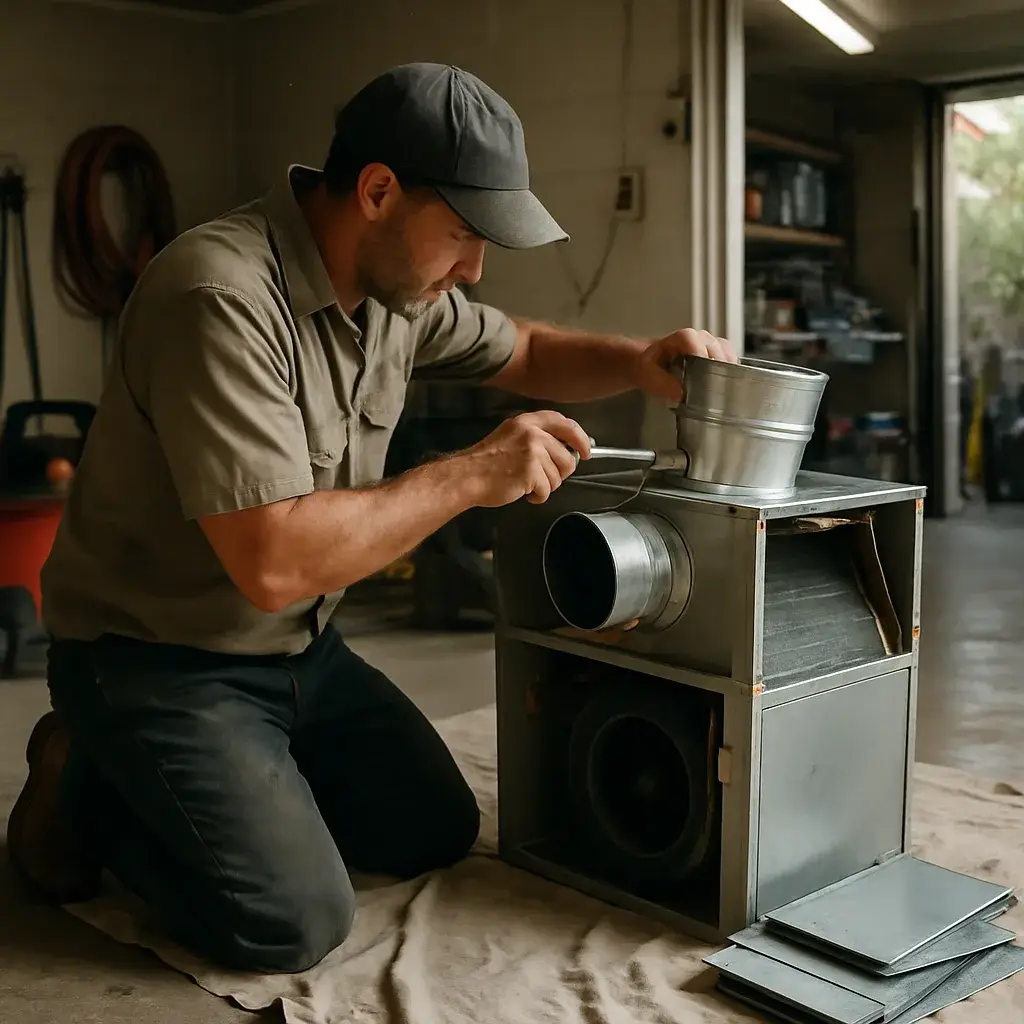
We treat recovery as part of the job, not an upgrade. A technician hooks up recovery equipment, pulls the refrigerant into a sealed tank, and only then starts breaking the system down. Skip that step and you’re looking at fines for the property owner, not just the contractor. We’ve had customers ask why the old company they called just yanked the unit and left, they skipped recovery entirely.
- Refrigerant gets pulled into a certified recovery tank before disassembly starts
- Older R-22 systems need extra care since that refrigerant is no longer produced
- Recovered refrigerant gets logged and disposed of through approved channels, not dumped
So why does this matter to you? Because a licensed and insured team knows the rules and follows them without being asked. Our technicians handle recovery on every dismantlement, no exceptions, no shortcuts. That’s just doing right by our customers and the neighborhood around them.
Have questions? We’re happy to help.
Call Today, Get Service Today. Xtreme Air Services is ready to help.
When Repair Makes More Sense Than Removal
Not every old AC unit needs to come out. That surprises people. We show up expecting to hear ‘just tear it out’ and instead we find a system with a bad capacitor or a dirty condenser coil, something a repair fixes in an hour.
So how do you know which one you’ve got? A unit that’s short cycling, tripping breakers, or blowing warm air isn’t automatically dead. Sometimes it’s a $20 part. If your system is under 10 years old and the compressor still runs, repair almost always makes more sense than removal.
- The compressor still starts and runs, even if weak
- The refrigerant leak is small and repairable, not a cracked coil
- The unit is newer, and one part failed rather than the whole system aging out
- You just need better airflow, cleaning, or a sensor fixed, not a teardown
Now, if the compressor’s seized, the coil’s rusted through, or the system is old enough that parts aren’t worth chasing anymore, that’s a different conversation. That’s when dismantlement and a fresh start make sense. We won’t tell you to remove a system that still has life in it, and we won’t push a repair on something that’s clearly done.
This is where a real diagnosis matters more than a guess over the phone. We’ll look at the unit, tell you straight what we see, and let you decide.
What Affects Removal Cost and Scheduling in Sunnyvale
Every dismantlement job in Sunnyvale runs a little different, and the price reflects that. Typical jobs land between $300 and $1,200, with the most common job, a straight removal and haul-away of an old system, running $300 to $700. Three things move that number: system size, how hard the unit is to get to, and what disposal takes.
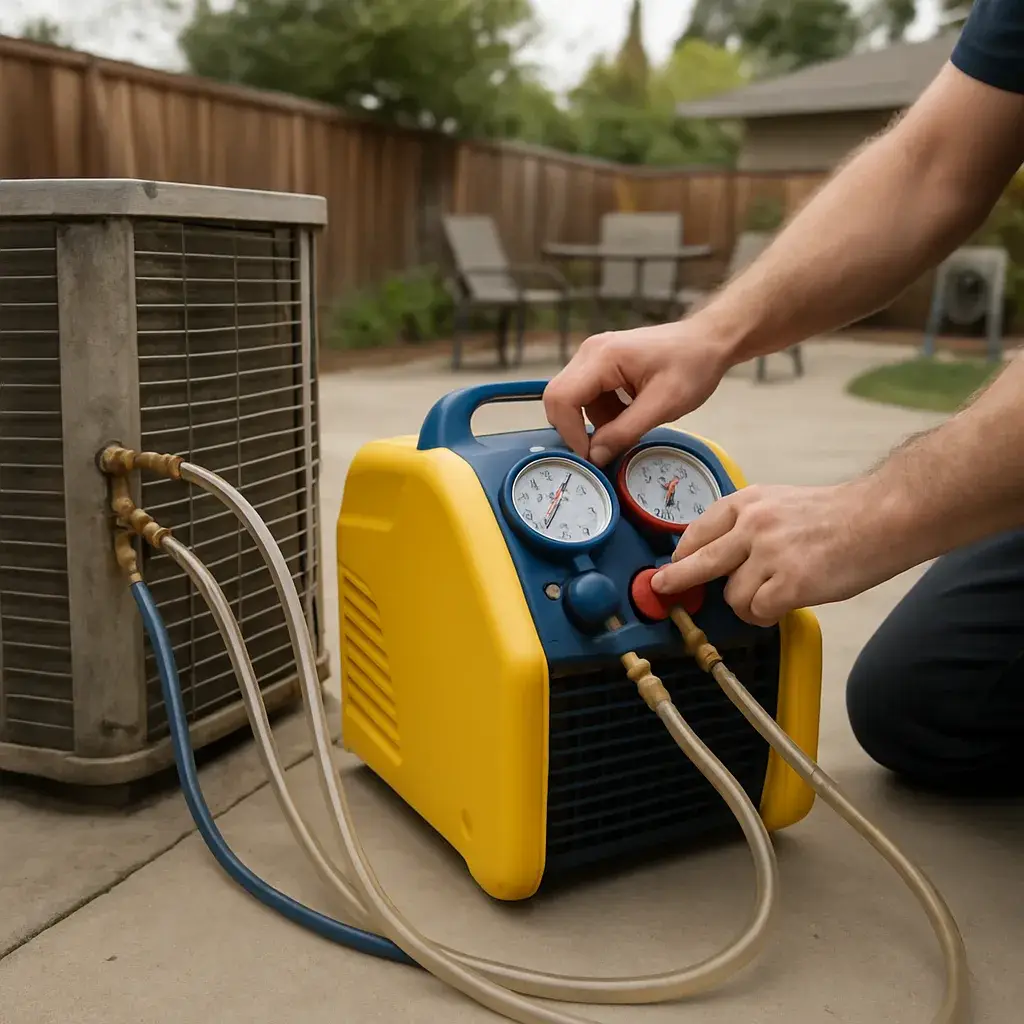
- System size. A small window unit comes out fast. A full split system with an outdoor condenser and an attic air handler takes more time and more hands.
- Access and location. Plenty of Sunnyvale homes tuck the condenser in a tight side yard or run the air handler up in the attic. Tight access means more careful work, and more time.
- Disposal and haul-away. Old refrigerant, coils, and scrap metal don’t just go in the trash. Hauling it out and disposing of it right is part of the job, not an add-on.
We charge a $26 to $99 service-call fee to come look at your setup, and that fee gets credited toward the job if you move forward with us. No surprise add-ons once we’re on site, we walk the whole system with you first.
Scheduling is simple. We don’t tack on extra charges for nights or weekends, so if Saturday works better for your family, Saturday works for us too. Our licensed and insured technicians handle removal on your timeline, not ours.
Frequently Asked Questions
Common questions about AC systems dismantlement
How long does it take to remove an old AC system in Sunnyvale?
Most straight removals take a few hours from start to finish. A garage or closet unit goes fastest since there’s easy access to the coil and line sets. Attic systems, which are common in Sunnyvale homes, take longer because getting equipment down through a tight hatch needs more hands and more care. We walk the space first so we can give you a realistic time window before we start, not a guess.
What should I expect when your technician shows up to remove my unit?
First, we shut off power at the breaker and confirm the system is fully de-energized before touching any wiring. Next, refrigerant gets recovered into a sealed tank, since venting it is against federal law. Then we detach the indoor coil, outdoor condenser, and line sets, and haul everything out. We finish with a walkthrough so you can see the cleared space before we leave.
Is refrigerant recovery required before an old AC unit comes out?
Yes, federal law requires refrigerant to be captured and stored before a system gets dismantled. It can’t be vented into the air, and skipping this step can mean fines for the property owner. This matters most with older R-22 systems, since that refrigerant is no longer produced. We hook up recovery equipment and pull it into a certified tank before any disassembly starts, no exceptions.
Can you remove an AC unit from an attic in a Sunnyvale home?
Yes, and it’s one of the more common setups we deal with around Sunnyvale. A lot of homes here run the air handler up in the attic, and getting an old unit down through a tight hatch takes more care than a garage setup. We protect the path in and out before moving a single part, since a rushed removal can damage flooring or drywall on the way down.
How do I know if I need repair instead of full removal?
If your compressor still starts and runs, repair almost always makes more sense than tearing the whole system out. A unit that’s short cycling or blowing warm air isn’t automatically dead, sometimes it’s one bad part. Systems under 10 years old with a working compressor are usually worth fixing. We’ll look at your unit and tell you straight whether it needs a repair or has crossed the line into removal territory.
Ready to Get Started?
Call 972-288-2263 Today, Get Service Today.