


Stop Hot, Stuffy Rooms: Ventilated Ceiling Installation in Sunnyvale
Ventilated ceiling installation for Sunnyvale homes, pulling trapped hot air out of stuffy rooms.
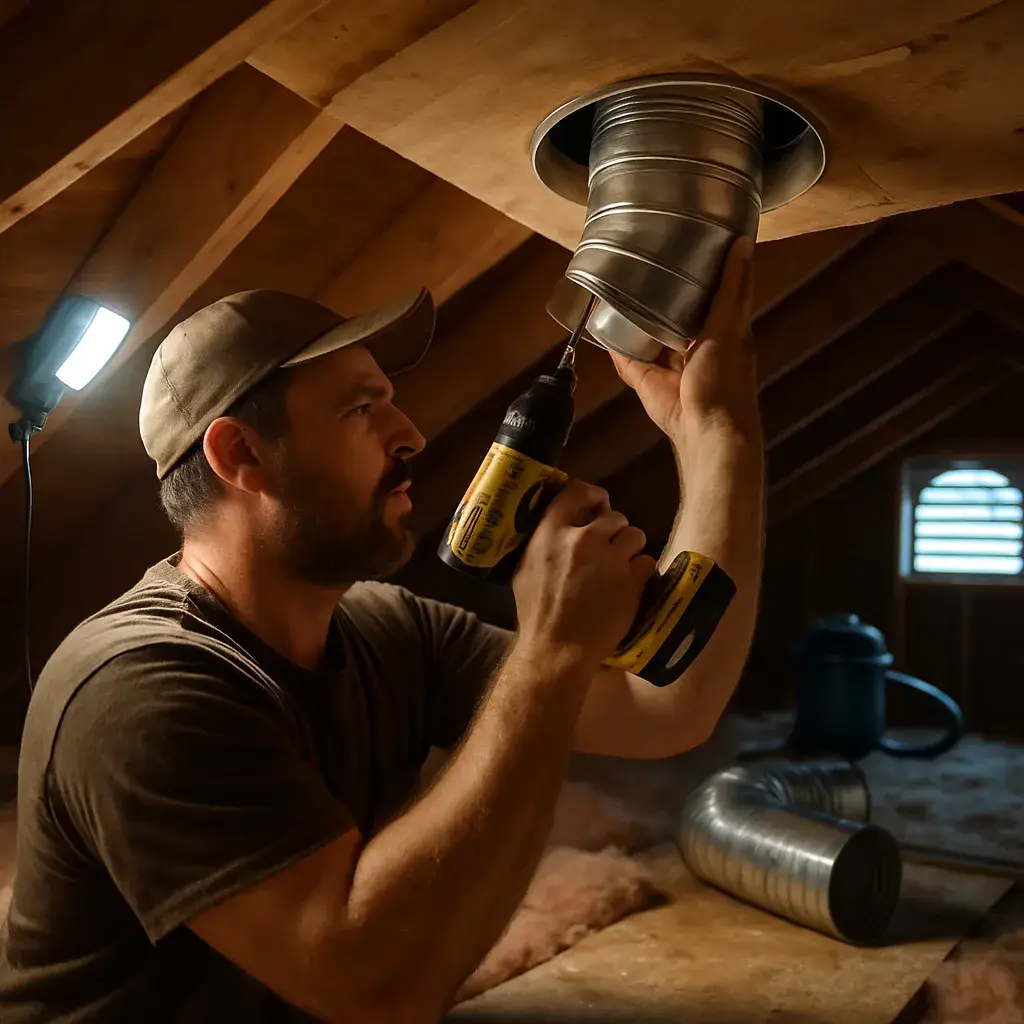
What’s Covered on This Page
- Signs Your Ceiling Needs Better Ventilation
- When You Don’t Need a Full Ventilation Installation
- Why Room Additions and Garage Conversions Cause Airflow Problems in Sunnyvale
- What to Expect During Installation and What It Costs
- How We Verify Airflow After Installation
- How fast can you get out to install a ventilated ceiling in Sunnyvale?
- What happens when you show up to look at my ceiling?
- Why does my new room addition feel so much hotter than the rest of my house?
- How do I know if I need a full ventilation installation or just a repair?
- What are the warning signs that my ceiling needs better ventilation?
- How long does a ventilated ceiling installation take once you start?
Signs Your Ceiling Needs Better Ventilation
Your ceiling doesn’t complain loud. It just gets hot, then hotter, then one day the upstairs bedroom is running five degrees warmer than everywhere else and nobody can figure out why. We see this every summer: once temperatures top the mid-90s, the ceiling near the attic hatch gets warm to the touch and stays that way well into the evening. That’s trapped heat with nowhere to go.
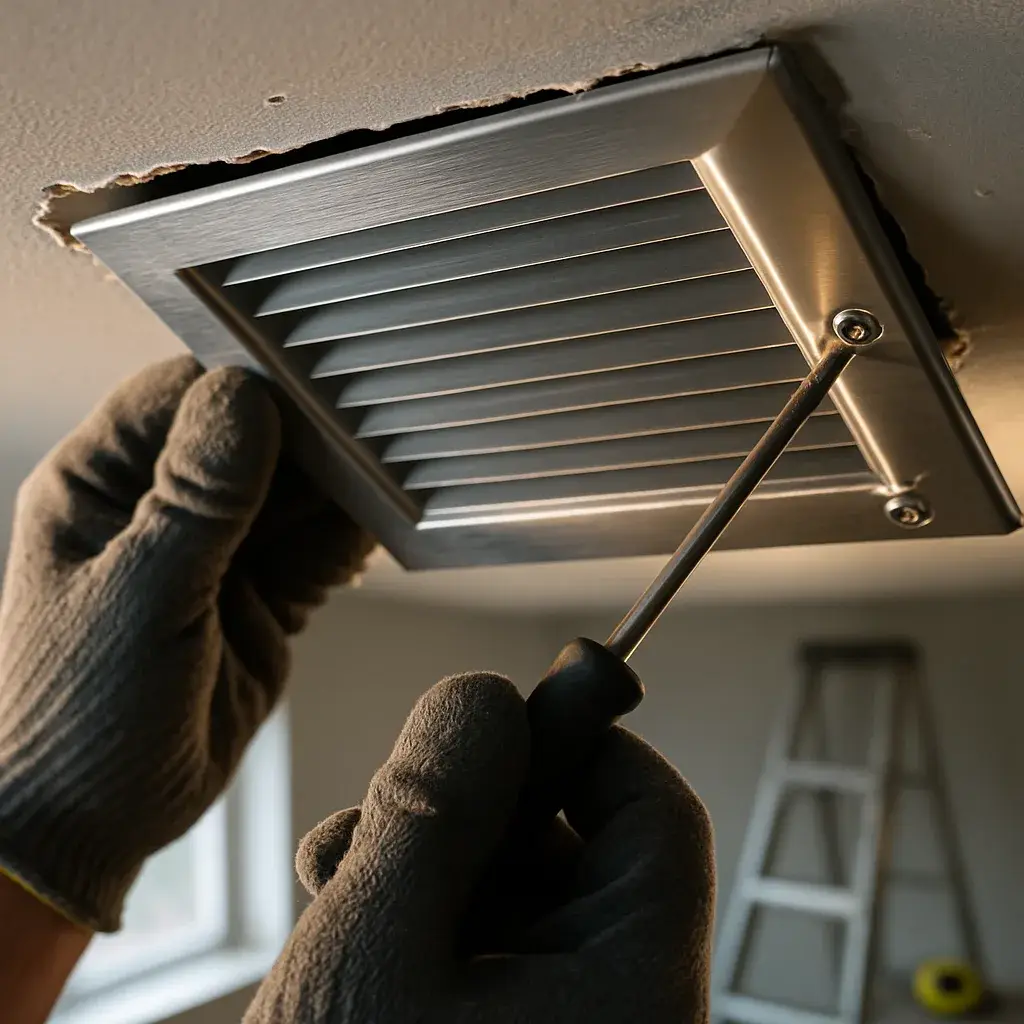
Ever walked into your attic in July and felt like you stepped into an oven? That heat sits right above your ceiling drywall, and without a real path to move out, it soaks through. Sunnyvale’s mix of older ranch-style homes and newer builds means attic setups vary a lot, but the problem is the same: heat and moisture get stuck.
- One or two rooms always run hotter than the other rooms, even with the AC working fine
- A musty smell shows up near the ceiling line, especially after a humid stretch
- Cooling bills creep up each summer with no other explanation
- Faint water stains or discoloration appear on the ceiling without an active leak
- The ceiling surface feels noticeably warm to the touch by mid-afternoon
Any one of these on its own might not mean much. But two or three together, that’s usually your ceiling telling you the airflow above it isn’t doing its job anymore.
When You Don’t Need a Full Ventilation Installation
Not every ceiling airflow problem needs a full ventilated ceiling installation. Sometimes it’s just one bent or clogged vent cover, and swapping that single register clears it right up. If your ceiling has good airflow in most rooms but one spot feels stuffy, that’s usually a duct or register issue, not a system-wide problem.
Got dust buildup and weak airflow through existing vents? That might be a cleaning job, not an installation job. We see this a lot in older Sunnyvale homes where the ductwork is sound but hasn’t been cleaned in years. A thorough duct cleaning can restore airflow without touching the ceiling structure at all.
So how do you tell the difference? Ask yourself if the problem is isolated to one or two rooms, or if it’s the whole house. One room, usually a smaller fix. Whole house feeling stale, uneven, or humid no matter the season, that points toward a real ventilation gap worth a full look.
If your ceiling already has vents but they’re just dirty or misaligned, don’t let anyone talk you into ripping into the ceiling for that. It’s a waste of your money.
And if you’re renting or planning to move within a year or two, a full installation might not make sense right now anyway. A simpler repair or a portable solution can bridge the gap until the timing’s right. A quick phone conversation sorts out which category you’re in before anyone sets foot in your home.
Why Room Additions and Garage Conversions Cause Airflow Problems in Sunnyvale
Here’s what we run into all the time in Sunnyvale. A family finishes a garage conversion or adds a room off the back of the house, and within a few weeks that new space feels ten degrees hotter than the rest of the home. It’s not the AC unit’s fault.
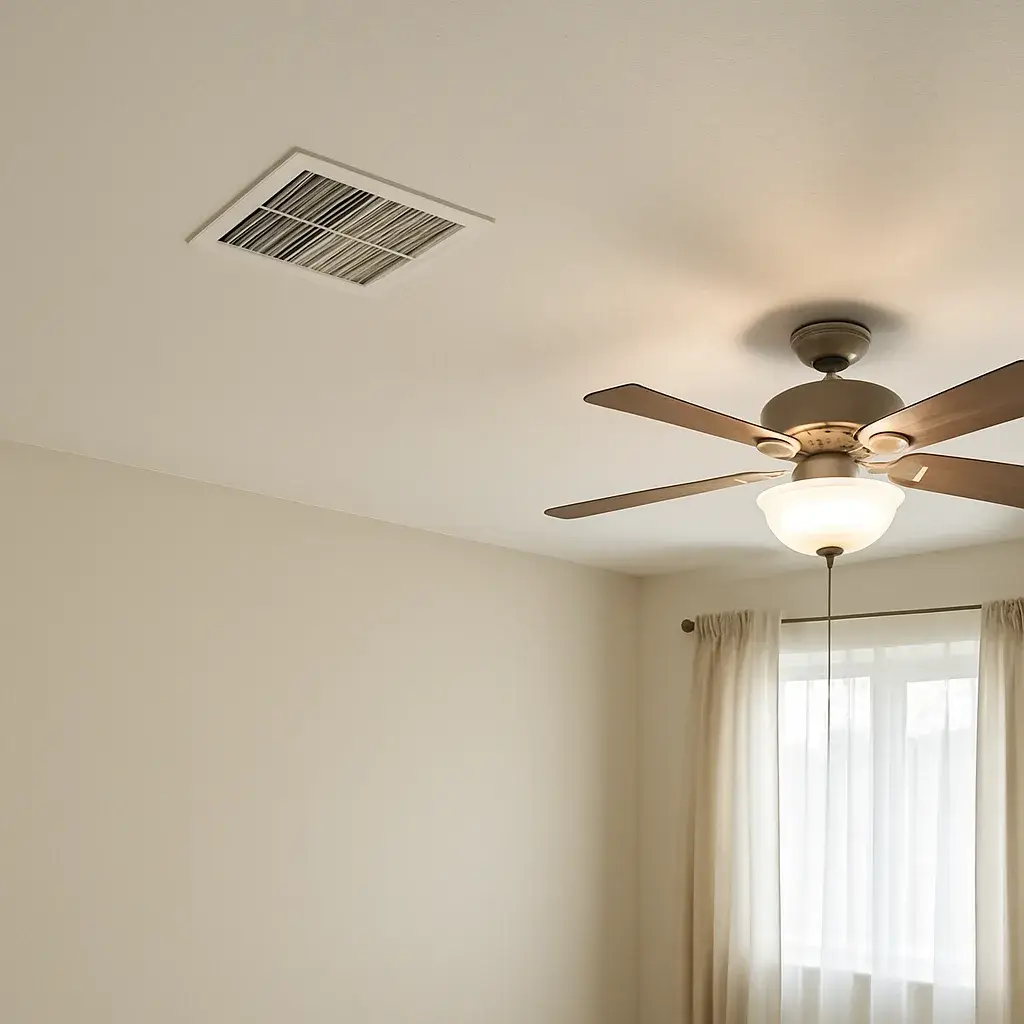
Most Sunnyvale homes sit on slab foundations with the ductwork run through the attic. When a garage gets converted into a bedroom or office, that ceiling usually never had proper attic ventilation built in. Garages just weren’t designed to breathe the way living space needs to. Same story with room additions tacked onto older homes near the center of town, the new roofline often traps heat with nowhere to go.
So what happens? Hot air builds up right above that new ceiling and pushes down into the room all day, especially once summer temperatures climb. The original AC system was sized for the house before the addition existed, so it’s fighting a load it was never built to handle.
We see this every week during remodel season. Ventilated ceiling installation opens up that trapped heat pocket and lets it move, taking real strain off the rest of your system.
Not sure if your new room is a ventilation problem or a duct sizing problem? That’s a fair question, and it’s why we look at the whole space before recommending anything.
Thinking about Ventilated ceiling installation? Let’s talk.
Call Today, Get Service Today. Xtreme Air Services is ready to help.
What to Expect During Installation and What It Costs
Here’s the thing nobody tells you upfront: a ventilated ceiling installation isn’t a one-hour job. It touches your attic, your ceiling drywall or grid, and sometimes the ductwork feeding that space. In older Sunnyvale homes near FM 740, attic returns often share the same chase a new vent run needs, so access is the first thing we check, not the last.
- We inspect the ceiling area and attic access point to confirm venting path and clearance.
- We check existing ductwork condition, since that drives how much prep work is needed.
- We cut or fit the vent opening and set the ceiling vent hardware.
- We connect ducting, seal joints, and secure everything to code.
- We power up, test airflow, and check for leaks or noise.
- We clean up and haul away any old materials.
Typical ventilated ceiling installation jobs run between $1,000 and $5,000, with most homes falling in the $1,800 to $3,400 range for a standard job using existing connections and no major modifications. That figure covers the equipment, materials, professional installation, startup, and testing. It doesn’t cover duct or electrical modifications, code corrections, or permits unless we spell those out ahead of time.
What pushes a job toward the higher end? Tight attic access, older ductwork that needs rework, or custom fabrication for an oddly shaped ceiling. A straightforward job in a newer subdivision home usually stays lower, simple as that.
We charge a $26 to $99 service call fee, and it gets credited toward the job if you move forward with us. If the number’s bigger than you planned for, we offer financing on qualifying installations, so it doesn’t have to hit all at once.
How We Verify Airflow After Installation
We don’t consider a ventilated ceiling installation finished just because the panels are up and the vents are cut. Anybody can hang a grille. The real test is what happens when air moves through it.
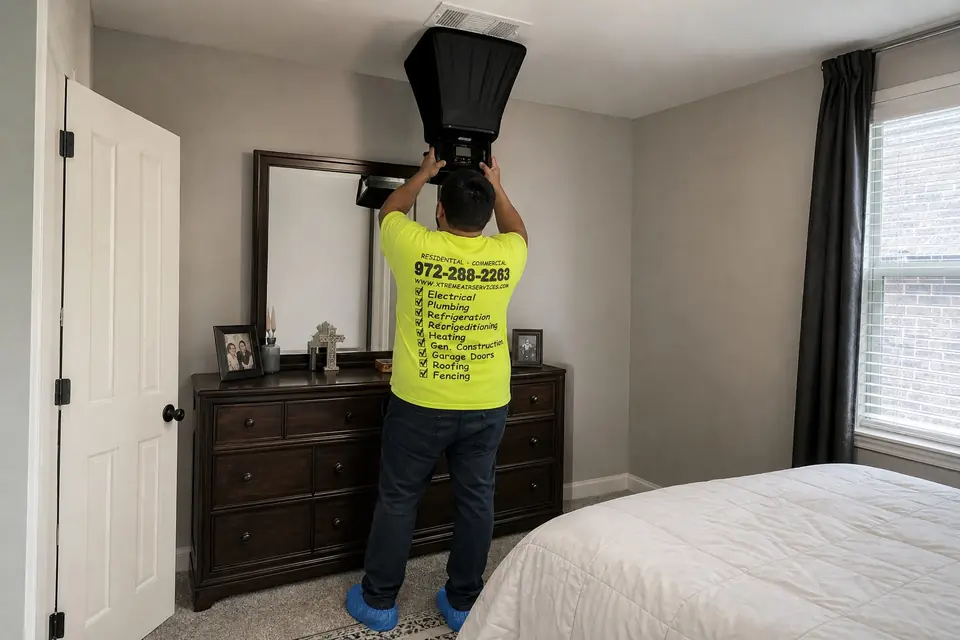
So here’s what we check before we call it done.
- Test airflow at every vent with a handheld meter, not just a hand held up to feel for a breeze.
- Check static in the duct run to make sure the system isn’t straining to push air through the new ceiling vents.
- Compare airflow room to room, one weak vent usually means a kink or a bad connection somewhere in the run.
- Inspect every seam and joint around the ceiling grille for leaks, attic air sneaking in through a bad seal wastes energy fast.
- Check attic temperature near the install, Sunnyvale attics can hit well over 130 degrees in July and August, and that heat has to stay out of your ductwork.
- Run the system for a full cycle and listen. Rattles, whistling, or a hum from the vent usually mean something needs a small adjustment.
Most of the time, the airflow test catches the one vent that’s a little off before it ever becomes your problem. That’s the whole point of checking it ourselves instead of just trusting the install looks right.
And if something’s not balanced, we fix it on the spot. We don’t leave a job half tested and call it a win.
This step matters more in homes with attic-mounted HVAC systems, common across Sunnyvale. Bad airflow up there doesn’t just mean an uncomfortable room, it means your system works harder and your bill climbs.
Frequently Asked Questions
Common questions about Ventilated ceiling installation
How fast can you get out to install a ventilated ceiling in Sunnyvale?
Most jobs get scheduled within a few days of your call, sooner during peak summer heat. We serve homes across Sunnyvale, from older ranch-style houses to newer builds near the center of town. Since attic setups vary so much here, we usually start with a quick phone conversation to understand your layout. That helps us bring the right materials on day one instead of making a second trip. Calling early in summer also means beating the rush before attic temps climb past 130 degrees.
What happens when you show up to look at my ceiling?
We start by checking your attic access point and ceiling area to confirm there’s a clear path for venting. Next, we inspect your existing ductwork, since its condition drives how much prep work the job needs. In older Sunnyvale homes, attic returns often share tight space with any new vent run, so access gets checked first, not last. You’ll get a clear picture of what the job involves before any cutting or fitting begins.
Why does my new room addition feel so much hotter than the rest of my house?
Room additions and garage conversions in Sunnyvale almost never have proper attic ventilation built in. Garages weren’t designed to breathe like living space, and new rooflines on additions often trap heat with nowhere to go. That trapped heat pushes down into the room all day, especially once summer temps climb. Your original AC was sized for the house before the addition existed, so it fights a load it wasn’t built for. Ventilated ceiling installation gives that heat pocket somewhere to go.
How do I know if I need a full ventilation installation or just a repair?
Check whether the problem is isolated to one room or affects the whole house. One stuffy room usually points to a bent or clogged vent cover, an easy fix. A whole house that feels stale, uneven, or humid year-round points to a real ventilation gap worth a full installation. In older Sunnyvale homes, dust buildup in existing ductwork can also mimic a bigger problem, and a thorough duct cleaning often clears it up without touching the ceiling.
What are the warning signs that my ceiling needs better ventilation?
The biggest signs are uneven room temperatures, a musty smell near the ceiling line, and cooling bills that keep creeping up. You might also notice the ceiling feels warm to the touch by mid-afternoon or see faint discoloration without any active leak. Any single sign might mean little on its own. But two or three showing up together, especially in a Sunnyvale summer, usually means the airflow above your ceiling isn’t keeping up anymore.
How long does a ventilated ceiling installation take once you start?
Most standard jobs take a full day once we’re on site, longer if your attic access is tight or the ductwork needs rework. The process covers cutting the vent opening, connecting and sealing ducting, testing airflow, and checking for leaks or noise before cleanup. Homes with existing connections and no major modifications move fastest. Oddly shaped ceilings or older ductwork near tight attic spaces can add time, which we’ll flag for you before work begins.
Ready to Get Started?
Call 972-288-2263 Today, Get Service Today.