

Humidification System Installation in Sunnyvale: End Dry Winter Air in Your Building
Ducted humidification sized to your building and verified against a separate hygrometer – because a humidistat off by ten percent is worse than no humidifier at all.
What’s Covered on This Page
- Signs Your Building Is Losing Humidity to a North Texas Winter
- When a Portable Humidifier Is Enough (And When It Isn’t)
- Matching Humidifier Type to Your Ductwork and Building Size
- Licensed Installation in Sunnyvale Buildings: What to Expect Start to Finish
- Confirming the Humidistat Is Calibrated Correctly
- How soon can you get out to install a humidifier in Sunnyvale?
- What happens when your technician arrives for the installation?
- Why does my Sunnyvale building get so dry every winter?
- Can I just use portable humidifiers instead of installing a ducted system?
- Will a humidifier fit my existing ductwork?
Signs Your Building Is Losing Humidity to a North Texas Winter
Cold fronts roll through fast here. One day it’s 60 degrees; the next, it’s 28. Your furnace runs nonstop to keep up, and that constant heating cycle pulls moisture from the air inside your building.
How do you know it’s a humidity problem and not something else? Look for a few clear signs first.
- Static shocks every time you touch a doorknob or hug someone hello
- Wood floors or trim showing small gaps or cracks that weren’t there in fall
- Skin that feels tight, itchy, or flaky no matter how much lotion you use
- Waking up with a dry throat, cracked lips, or a stuffy nose
- Wood doors, casework, and trim shrinking or splitting through the winter
We see this often in older Sunnyvale buildings with slab foundations and hardwood or engineered wood flooring. Slab construction has no crawl space buffering the cold, so the heating runs overtime. By January, that dry heat finds every gap in your flooring. Base trim pulling away from the wall or floors squeaking more than usual are not always signs of an old building settling. Dry air may be causing them.
A hygrometer reading below 30 percent indoors tells the real story without any guessing.
When a Portable Humidifier Is Enough (And When It Isn’t)
Let’s be straight with you. Not every building needs a humidification system installation. A portable humidifier may cover a single dry office or a small server closet that feels stuffy in January. A small problem may only need a small fix.
- You only notice dryness in one or two rooms, not the whole building
- You’re dealing with a short cold snap, not months of low humidity
- You don’t mind refilling a tank every day or two
- Nobody on staff has allergies or breathing issues tied to dry air
Here’s where that changes. Most Sunnyvale buildings run forced-air HVAC through ducts in unconditioned space. Once the heat starts for the season, it can dry the whole floor plate quickly. Scratchy throats across every office, gapping wood floors, and a static shock at each door handle point to a building-wide problem. A portable unit in the lobby won’t help offices down the hall.
We see this every winter. People buy a second and then a third portable humidifier, but they still refill tanks daily and feel miserable.
That’s your sign the whole building needs humidity, not just one room. A ducted unit connects to your HVAC system and serves every zone, much like your cooling does in July. If dryness only affects a single closet or private office, save your money and buy a portable unit. If the whole building feels like a desert each winter, a ducted unit may be the better fit.
Matching Humidifier Type to Your Ductwork and Building Size
Not every humidifier fits every duct system, and that surprises people. A bypass humidifier needs enough static pressure in your trunk line, while a fan-powered unit doesn’t. A steam unit works without your furnace fan. We often hear from someone asking for their neighbor’s model, only to find it doesn’t fit their ductwork.
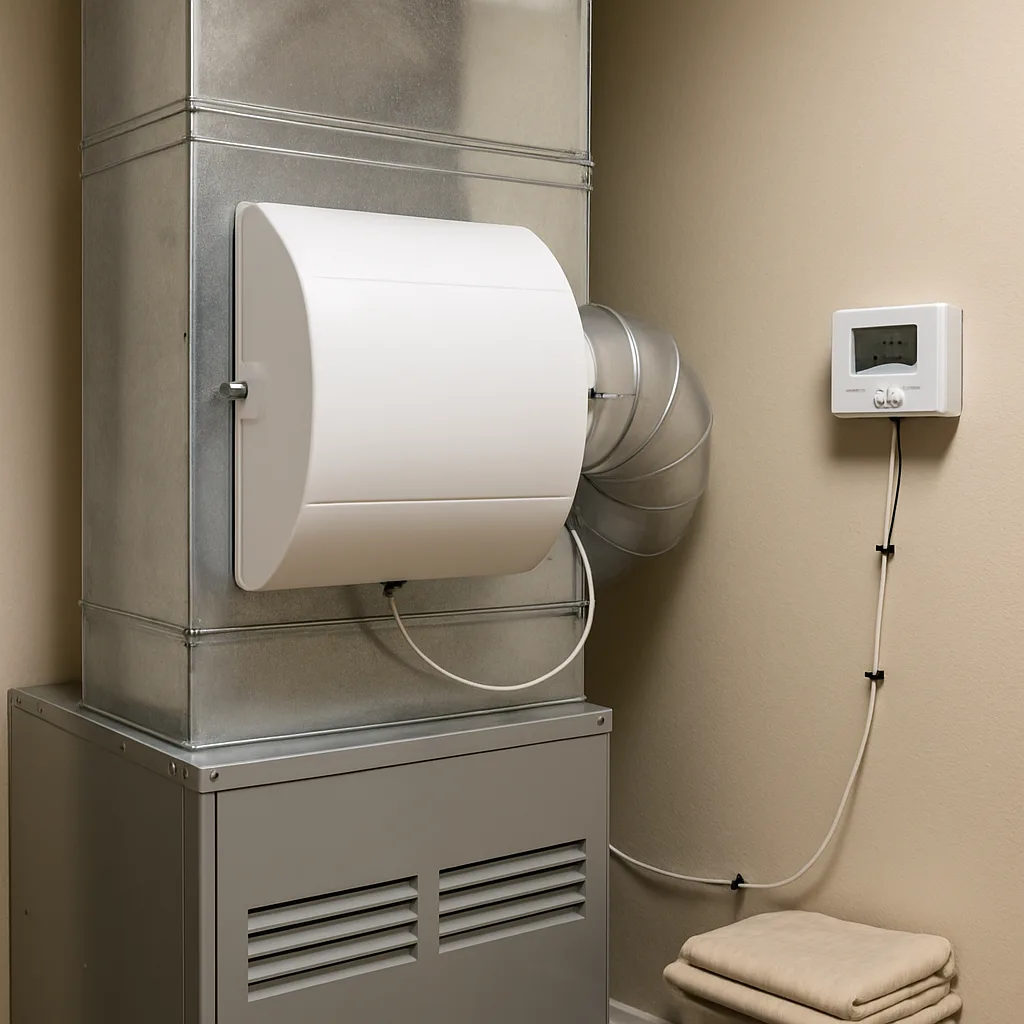
Building size matters just as much. Many Sunnyvale buildings put up before the 1990s have narrower trunk lines than newer construction. That changes what size unit will perform well. Larger buildings with longer duct runs often need more output to keep humidity even across zones, not only near the air handler.
- Bypass humidifiers: use existing duct airflow and fit standard-size trunk lines with adequate static pressure
- Fan-powered humidifiers: push their own airflow through the unit and work better with weaker ducts or longer runs
- Steam humidifiers: generate moisture without the supply fan and often suit larger buildings or spaces needing tighter humidity control
How do you know which one is right? We measure your ductwork, check your furnace’s static pressure, and calculate square footage before quoting equipment. Skip that step, and you risk a unit that runs constantly or barely makes a difference. If the sizing is wrong, you’ll feel it by the first cold front.
Have questions? We’re happy to help.
Call Today, Get Service Today. Xtreme Air Services is ready to help.
Licensed Installation in Sunnyvale Buildings: What to Expect Start to Finish
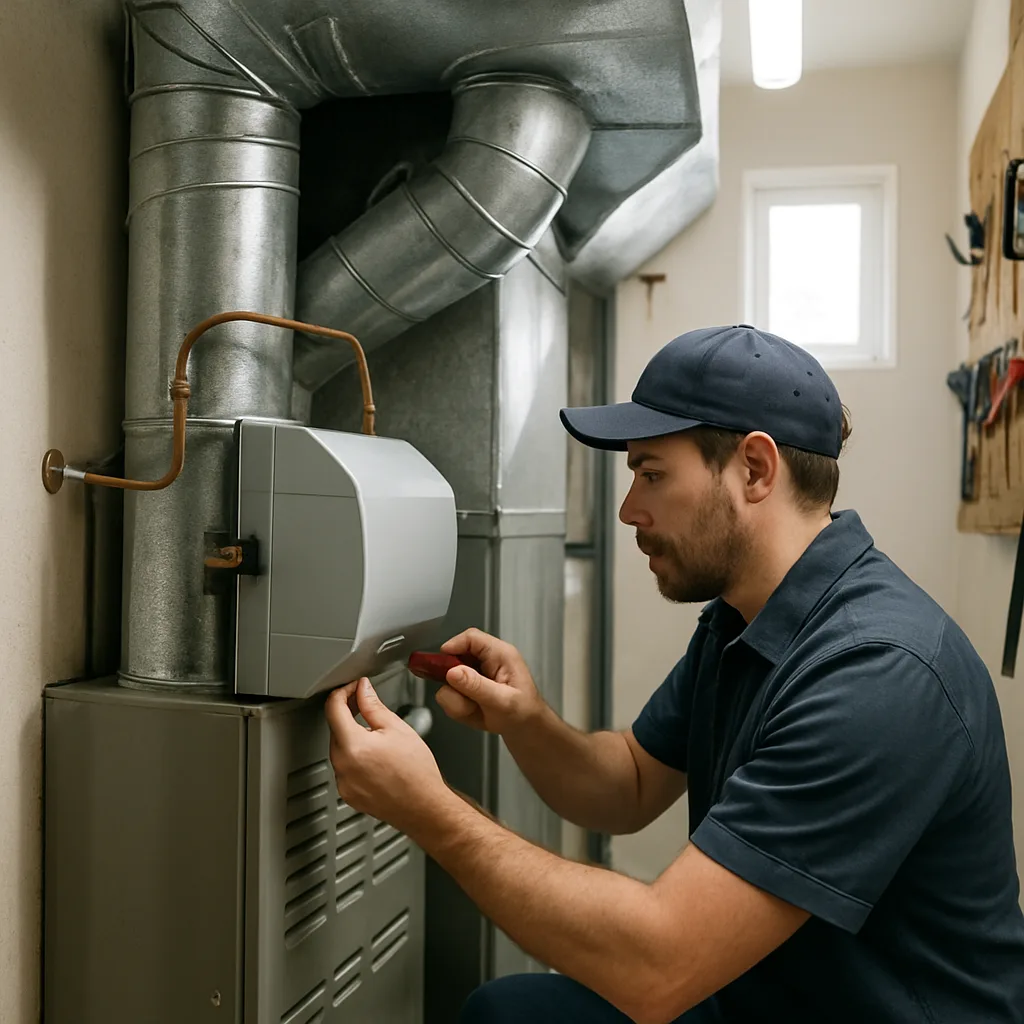
Most Sunnyvale buildings run the humidifier from the main air handler, and many of those units sit in a mechanical room or above the ceiling. That changes how we handle the installation. We’re not only mounting a box. We’re working around equipment access, existing ductwork, and a water line that needs a clean connection.
Here’s what a typical installation day looks like.
- We inspect the furnace or air handler and confirm where the humidifier connects.
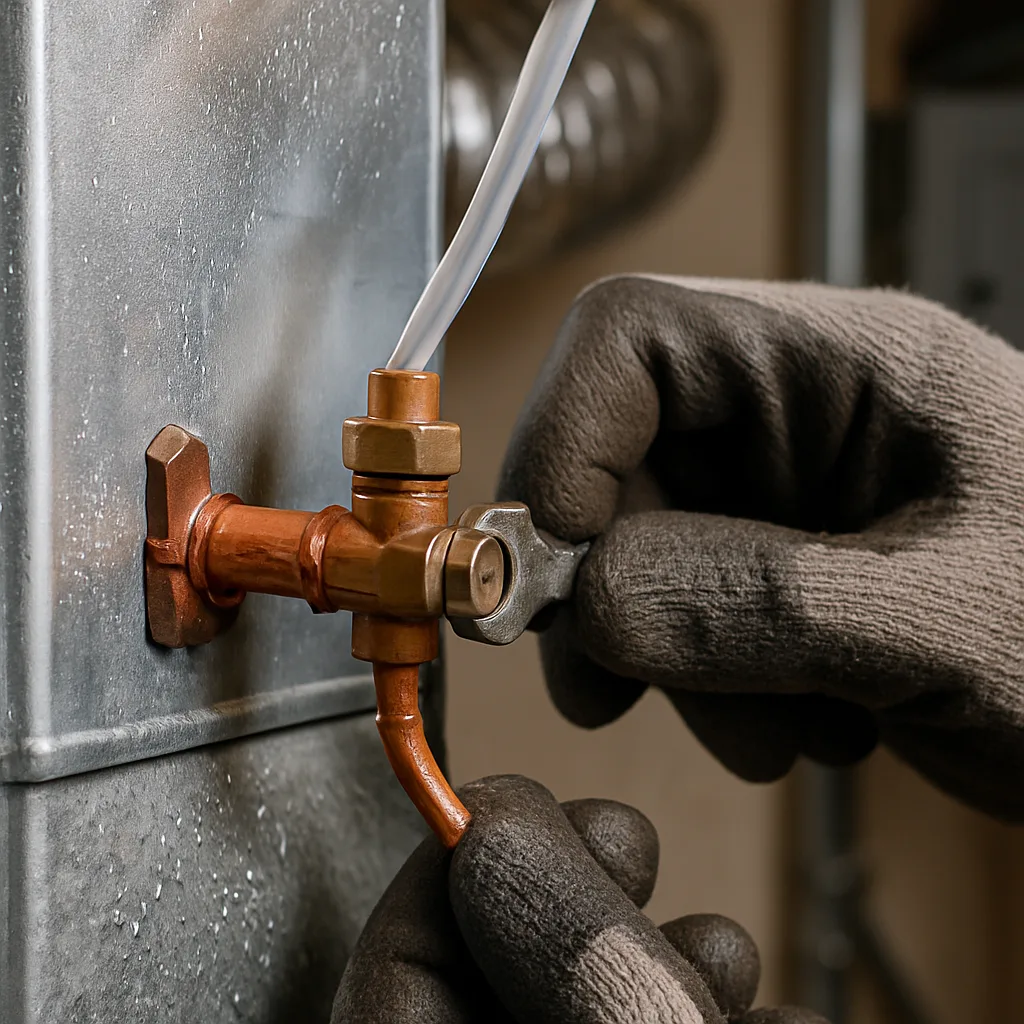
- We check your existing water supply line and see if it can feed the unit or needs a new tap.
- We mount the humidifier to the supply or return plenum, based on what fits your system.
- We run the water line, wire the humidistat control, and set the correct target humidity.
- We start the system and test its airflow, water flow, and shutoff response.
- We haul away the old unit if there was one and explain the settings before we leave.
That’s a standard like-for-like job. If your ductwork has limited space or the control needs a wiring upgrade, we’ll tell you before work starts. You won’t get surprises once the job is underway.
Our technicians are licensed and insured, and we test every job before calling it done.
Confirming the Humidistat Is Calibrated Correctly
Here’s the part many installers skip. They hang the unit, connect the water line, and head out the door. We don’t. A humidistat that’s off by ten percent can leave your building swampy or bone dry, with no clear reason why.
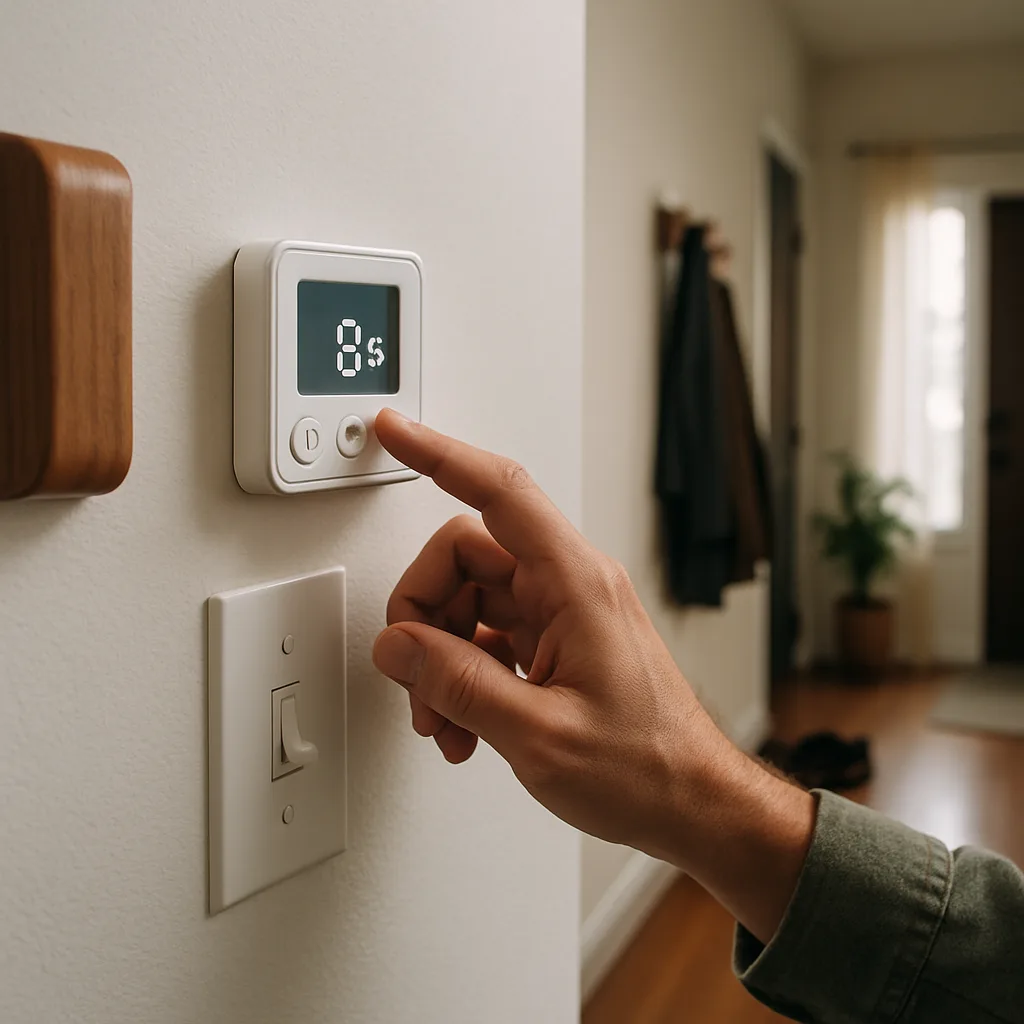
After your humidification system installation, we test the unit against a separate hygrometer instead of relying on its readout. If the readings don’t match, we adjust the calibration. It may take fifteen minutes, but it separates a system that guesses from one that reads your building’s humidity correctly.
We also run the system through a full cycle before leaving. In older Sunnyvale buildings with single-pane glass, fogged windows are often the first sign of a setting that’s too high. If it’s too low, you’ll notice static shocks or cracking trim by January.
Ask us to explain the settings before we go. It only takes a minute, and you won’t have to guess at dial positions all winter.
A calibrated humidistat is the point of doing this job right the first time.
Keep an eye on it during the first week. If something feels off, call us, and we’ll help get it dialed back in.
Frequently Asked Questions
Common questions about Humidification system installation
How soon can you get out to install a humidifier in Sunnyvale?
We schedule most humidification system installations within a few days of your call, especially before the first hard cold front hits. Fall and early winter are our busiest times, since that’s when furnaces kick on and dry air becomes obvious. If you’re already seeing static shocks or cracking wood floors, call sooner rather than later. Booking early means you get the appointment time that works for your schedule, not whatever slot is left.
What happens when your technician arrives for the installation?
Your technician starts by inspecting your furnace or air handler and checking the water supply line before touching anything. They’ll confirm whether the humidifier mounts to the supply or return plenum based on your ductwork. After mounting the unit, running the water line, and wiring the humidistat, they test airflow and water flow before calling the job done. You’ll walk away knowing exactly how to set your target humidity.
Why does my Sunnyvale building get so dry every winter?
Your heating runs nonstop during cold snaps, and that constant heat pulls moisture out of the air. This hits hard in slab-foundation buildings with hardwood or engineered wood floors, which are common around Sunnyvale. Without a crawl space buffering the cold, the system works overtime, and dry heat finds every gap in your flooring by January. A hygrometer reading below 30 percent confirms it’s a humidity problem, not just an old building settling.
Can I just use portable humidifiers instead of installing a ducted system?
A portable unit works fine if dryness is limited to one room, like a private office or a small server closet. But if your whole building runs on forced-air HVAC, one portable humidifier won’t reach offices down the hall. We see facilities buy a second and third portable unit and still refill tanks daily with no relief. If every zone feels dry, a ducted system connected to your HVAC is the better long-term fix.
Will a humidifier fit my existing ductwork?
It depends on your duct size and static pressure, which is why we measure before recommending equipment. Many Sunnyvale buildings put up before the 1990s have narrower trunk lines than newer construction, which limits which humidifier types will perform well. A bypass unit needs strong airflow, while a fan-powered model works better with weaker ducts or longer runs. We check your specific setup first so the unit you get keeps up all winter.
Ready to Get Started?
Call 972-288-2263 Today, Get Service Today.