


Heating System Repair in Irving: Fixed Right, No Surprise Fees
Furnace and heat pump problems fixed on the first visit, with an honest call on repair versus replace.
What’s Covered on This Page
- What’s Really Behind a No-Heat Call
- How a Heating Repair Visit Works, Start to Finish
- What Heating System Repair Costs and Why It Varies
- When You Might Not Need a Repair Call
- Signs a Furnace Problem Can’t Wait
- What is the most common cause of heat not working?
- What does heating maintenance include?
- How much is a typical HVAC service call?
- What is the difference between AC and HVAC?
What’s Really Behind a No-Heat Call
A cold house makes it easy to assume the worst. You picture a brand-new furnace and a bill to match. In most cases, though, a heating system stops because one part wore out. Everything else is still fine. Most of our calls are a single common failure fixed on the first visit.
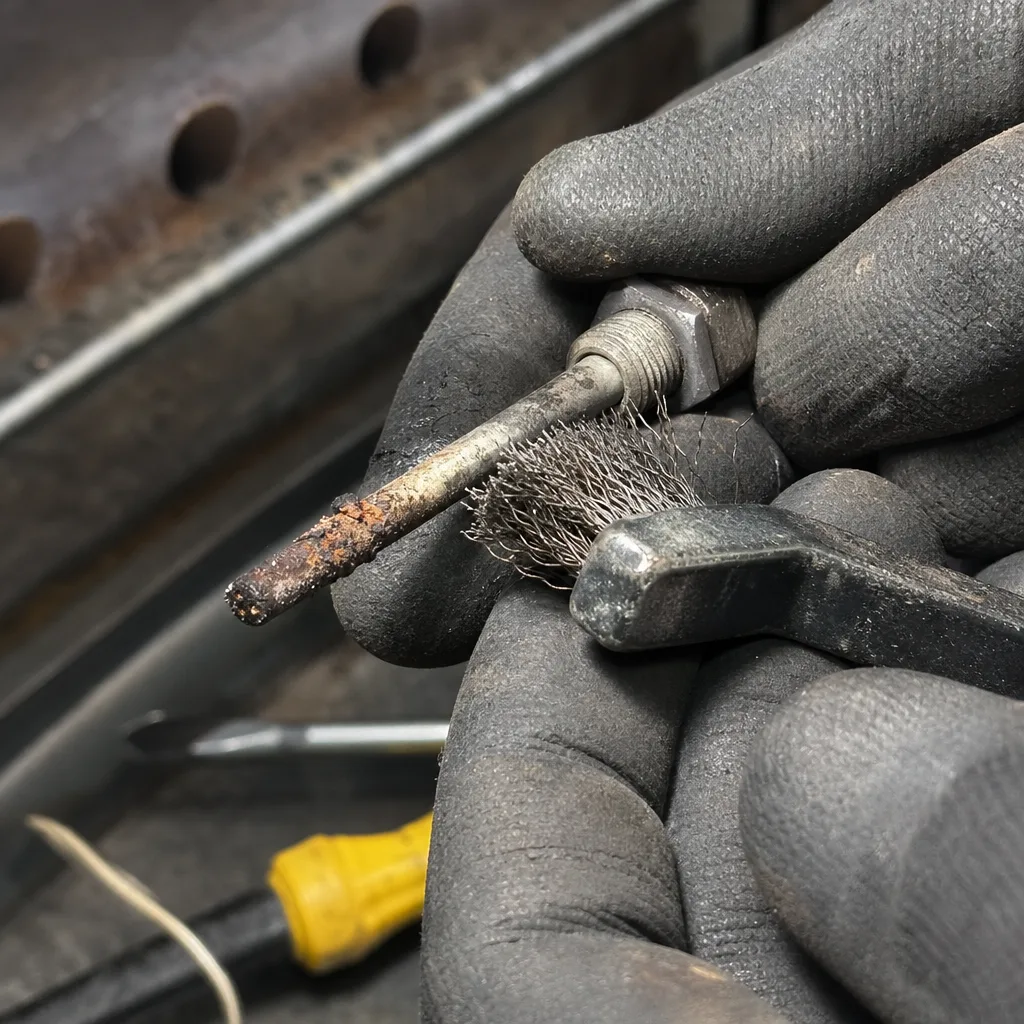
That matters most in North Texas. Your system can sit quiet for months and then get pushed hard when a sudden cold front rolls in. A worn part that held up through a mild fall often gives out on that first cold night.
Here’s what your system might be doing, and the part that’s usually behind it:
- The furnace clicks and tries to start, but you never see a glow or a flame. A cracked or worn-out ignitor is a common cause. That’s the small part that heats up to light the gas.
- The burners light, then shut off after a few seconds, over and over. A dirty flame sensor often does this. It can’t confirm the flame is there, so it shuts the gas off to play it safe.
- You hear the burners running, but little or no air comes out of the vents. The blower motor, which pushes warm air through your ducts, may have failed.
- The system runs for a short time, shuts off, and starts again. A clogged filter can trap heat inside the furnace until a safety switch turns the burners off.
- Nothing happens at all. No sound, no lights. The cause could be a thermostat problem, a tripped breaker, or a control board, which is the furnace’s brain.
- A heat pump runs but blows cool air, or an electric furnace runs but never gets warm. The cause may be a failed capacitor, a defrost problem, or a burned-out heating element.
You don’t need to figure out which one it is before you call. It still helps to notice what happened. Did it click? Did it light and then quit? Is air moving? Tell us what you saw and heard. That gives our technician a head start, and it helps you follow along when we explain what we found.
Our heating system repair is simple. We find the failed part, repair or replace it, and then run the system to make sure it heats your home the way it should. Testing and cleanup are part of the job. You shouldn’t be left wondering whether the heat will quit again an hour after we leave.
Sometimes it’s more than one part. An older system may have a second part that’s close to failing, or a major part may be the real problem. If that’s the case, we’ll tell you before we touch it. You get a clear explanation and the price up front, and the decision stays yours.
How a Heating Repair Visit Works, Start to Finish
When your heat is out, you shouldn’t have to guess what happens after you call. Here’s how a heating repair visit with Xtreme Air Services goes, step by step, so you know what you’re paying for and when you get to decide.
1. You call and talk to a real person. Tell us what’s going on and what you noticed before the heat quit. Same-day service is available, and there’s no extra charge for nights or weekends. If your furnace gives out on a Saturday night during a cold snap, you won’t pay overtime for that.
2. A licensed technician comes to your door. Our technicians are licensed and insured, and our team members are background-checked and drug-tested. You’re letting someone into your home, so that should matter. We’ll treat your home and your family with respect.
3. We find the problem. There’s a service-call fee of $26 to $99 for the visit. If you go ahead with the repair, that fee is credited toward it. You won’t pay it twice.
4. You see the price before any work starts. Once we know which part failed, we give you an upfront flat-rate price. You approve it before we pick up a tool. There’s no meter running while we work, so a stubborn bolt or a cramped attic won’t add to your bill after the fact.
Here’s what that price covers, and what it doesn’t:
- Included: the diagnosis, the labor, and the standard replacement part, plus testing and cleanup.
- Not included unless quoted separately: additional failed parts, major components, code upgrades, or permits.
That split is there to protect you. If we find a second worn part or a bigger issue, it doesn’t get slipped onto your bill. It gets its own quote, and you decide whether to go ahead.
5. We fix it and make sure it works. After you approve the price, we finish the repair, run your system, and clean up. You should feel warm air before we leave.
6. If it turns into a bigger job, you have options. Financing usually isn’t needed for a smaller repair like replacing an ignitor or cleaning a flame sensor. If you’re facing a larger repair or a replacement, financing is available. Ask us about it.
What Heating System Repair Costs and Why It Varies
Here’s the number most people want first. A heating system repair with Xtreme Air Services typically runs $150 to $700. Our most common job costs $150 to $400. That job is finding the one part that failed, repairing or replacing it, and making sure the system runs right.
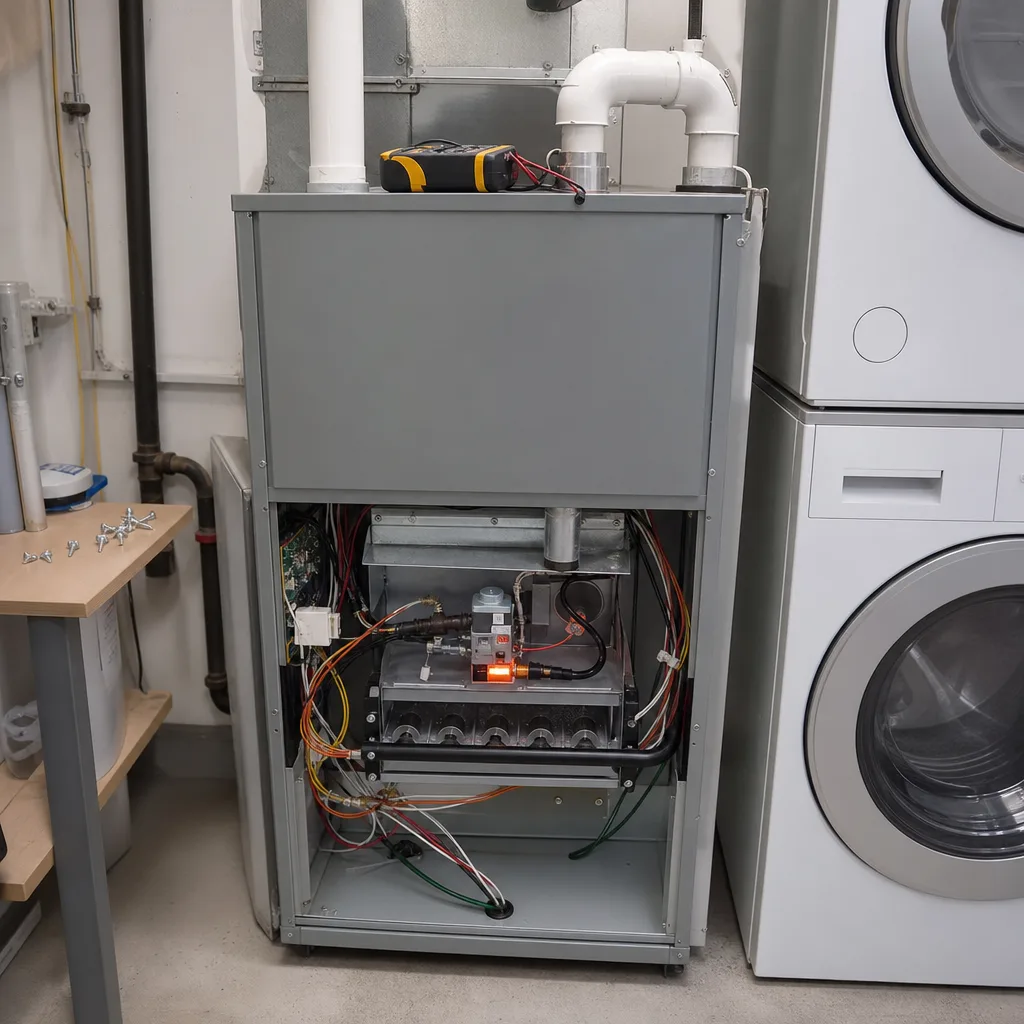
That second range is the one to pay attention to. Most calls are a single common failure fixed on the first visit, so most repairs land in that range, not at the top of the scale. A cold house feels like an emergency, but the bill usually doesn’t have to be one.
So why does one repair cost more than another? It comes down to a few things, and none of them are a mystery.
- How much has failed. A dirty flame sensor or a worn ignitor is a small, quick fix. A failed control board or blower motor is a bigger part and a bigger job.
- The part itself, and whether it’s easy to get. Some parts cost more than others. Some are on hand, and some take longer to track down.
- The age and brand of your equipment. Parts for an older or less common system can be harder to find and can cost more.
- Whether more than one part has failed. One bad part is one repair. A second worn part adds to the job, and it gets its own quote first.
- When you call. With a lot of companies, a night or weekend call costs extra. With us, it doesn’t. We charge no extra for nights or weekends.
That last point matters in North Texas. Cold fronts don’t wait for business hours. If the first hard freeze of the year hits on a Sunday night and your furnace won’t light, you shouldn’t have to choose between paying a premium and waiting until Monday.
Age is the driver that sneaks up on people. A system that has run for years may have more than one tired part. That can push a repair toward the top of the range or past it. If your repair would cost more than the system seems worth, we’ll say so plainly and let you weigh repair against replacement. You won’t hear that only after the work is done.
Whoever you call, these questions will tell you a lot about the price you’re about to pay:
- Will I see the full price before any work starts?
- Is the service-call fee credited toward the repair if I go ahead?
- Do you charge more for nights, weekends, or holidays?
- If you find a second problem, will you stop and quote it before fixing it?
You already know how we answer those from the visit steps above. A fair company should be glad to answer them, and a straight answer is a good sign you won’t get surprises later.
Ready when you are – get in touch today.
Call Today, Get Service Today. Xtreme Air Services — Irving is ready to help.
When You Might Not Need a Repair Call
Not every cold house needs a technician. Some no-heat problems take two minutes to fix yourself. Other times your system is doing exactly what it should, and it just looks or sounds odd. Before you call anyone, us included, check these first.
- The thermostat. Make sure it’s set to Heat, not Cool or Off. Set it a few degrees above the room temperature. If the screen is blank or dim, try fresh batteries. A dead thermostat looks a lot like a dead furnace.
- The breaker and the furnace switch. Look at your breaker panel for a tripped breaker marked furnace, air handler, or HVAC. Then check near the furnace for a switch that looks like a regular light switch. It’s easy for someone to flip it off by mistake, especially when it sits in a hall closet or garage.
- The filter. A filter packed with dust can make the furnace overheat and shut itself off. If yours is gray and clogged, swap it for a new one and give the system a few minutes to cool down.
- The furnace door. Most furnaces have a safety switch that keeps them off when the front panel isn’t seated right. If someone just changed the filter, press the panel firmly back into place.
Some things that seem wrong are normal, especially with a heat pump.
- Cool air or steam for a few minutes. When it’s cold out, a heat pump goes into defrost mode now and then to clear ice off the outdoor unit. You may see steam rising from it or feel cooler air inside for a short time. That’s the system taking care of itself.
- Running for long stretches. A heat pump on a cold North Texas night may run almost nonstop. That’s how it’s built to work. It’s only a concern if the house still won’t warm up.
- A burning smell on the first cold day. When your heat runs for the first time after months off, dust that settled inside burns off. A dusty smell that fades within an hour or so is common. A smell that stays strong or keeps coming back is different.
- One room cooler than the rest. Check that the vent in that room is open and not blocked by a couch, a bed, or a rug. Closed or covered vents are a common reason one room lags behind.
If one of these fixes it, great. You just saved yourself a service call, and that’s the outcome we’d want for you too.
Here’s where the do-it-yourself part should stop. If the breaker trips again after you reset it, leave it off. That usually means something inside is pulling too much power. If a new filter and the right thermostat settings don’t bring the heat back, the problem is likely one of the parts covered earlier, like an ignitor, a flame sensor, or a blower motor. Don’t open up the furnace or work on the burners yourself. That’s the point where a licensed technician is the right call.
Watch Our Video
See How We Handle Heating system repair in Irving
Xtreme Air Services — Irving
Signs a Furnace Problem Can’t Wait
Most heating problems are just a worn part and a cold house. A few are different. Some signs point to a safety problem, and some mean waiting will cost you more. Here’s how to tell them apart.

Get out first, then call for help, if you notice either of these:
- A smell like rotten eggs near the furnace or anywhere in the house. That’s how natural gas is made to smell so you’ll notice a leak. Don’t flip switches or try to relight anything. Leave the house and call your gas company or 911 from outside.
- Your carbon monoxide alarm goes off, or people in the house get headaches, dizziness, or nausea that ease up once they step outside. Carbon monoxide has no smell. Get everyone out, pets too, and call 911.
Once the fire department or gas company says it’s safe, that’s when we come in to find out why it happened and fix it. We also offer carbon monoxide testing and furnace safety inspections if you want a full check afterward.
Shut the system off at the thermostat and call for repair the same day if you see any of these:
- A burning plastic or electrical smell that doesn’t fade, or any smoke. That’s different from the dusty first-run smell covered earlier.
- A loud bang or boom when the burners light. That can mean gas is building up before it lights.
- A flame that’s yellow, orange, or flickering instead of mostly blue and steady. It can mean the gas isn’t burning cleanly.
- A breaker that trips again after you reset it.
- No heat at all on a freezing night, especially with a baby, an older family member, or someone who’s sick at home.
That last one deserves a closer look. In a lot of North Texas homes, the furnace and some water lines run through the attic. When a hard freeze rolls in and the heat is out, that attic can get cold enough to freeze those lines. A frozen pipe that splits can turn a heating repair into a water damage problem. A cold house overnight isn’t only uncomfortable. It can get expensive.
Some things can wait for a regular appointment. A furnace that still heats but runs louder than it used to, one room that’s a little cooler, or a system that takes longer to warm up are worth getting looked at soon. They usually aren’t a reason to worry tonight. If the house is staying warm and nothing smells, sounds, or looks wrong, you have time to plan.
If you’re not sure which group your problem falls into, call and describe what’s going on. A real person will help you figure out whether it needs a technician today. Because nights and weekends cost the same with us, a cold Sunday night shouldn’t push you into waiting.
Call 469-200-2166
Frequently Asked Questions
Common questions about Heating system repair
What is the most common cause of heat not working?
A single worn part is usually the cause, not the whole furnace. The most common culprits are a cracked ignitor, a dirty flame sensor, or a clogged filter that trips a safety switch. Most no-heat calls turn out to be one of these, fixed on the first visit.
What does heating maintenance include?
Heating maintenance checks the parts most likely to fail before winter hits, like the ignitor, flame sensor, filter, and blower motor. Catching a worn part early can prevent a no-heat call on the first cold night. This matters in North Texas, where a system often sits idle for months, then gets pushed hard the moment a cold front rolls in.
How much is a typical HVAC service call?
Our service-call fee runs $26 to $99 for the visit where we diagnose the problem. If you move forward with the repair, that fee is credited toward the total cost, so you aren’t paying for the diagnosis twice.
What is the difference between AC and HVAC?
AC refers only to the cooling system, while HVAC covers heating, ventilation, and air conditioning together. Your furnace or heat pump is the heating half of your HVAC system, and it’s the part we focus on for heating system repair.
Ready to Get Started?
Call (469) 200-2166 Today, Get Service Today.