


Boiler Replacement in Dallas: Who Needs It
Boiler replacement for hydronic heating in older multifamily and commercial buildings – after an honest check that repair won't do.
What’s Covered on This Page
- Boiler Replacement Covers Hydronic Heating, Not Furnaces or Water Heaters
- Dallas Boilers Are Concentrated in Older Multifamily and Commercial Buildings
- Signs Your Boiler Needs Replacement, Not Repair
- When Boiler Repair or Maintenance Makes More Sense Than Replacement
- What Happens During a Boiler Replacement
- Why do boiler quotes vary so much between companies?
- Can I keep my boiler running if only one radiator or zone is cold?
- Does hard water in the Dallas area really affect boiler life?
Boiler Replacement Covers Hydronic Heating, Not Furnaces or Water Heaters
Before you go any further, let’s make sure this is the right page for you. A lot of folks say “boiler” when they mean something else, and that’s easy to do. The wrong word can lead to the wrong quote, so it’s worth a minute to check.
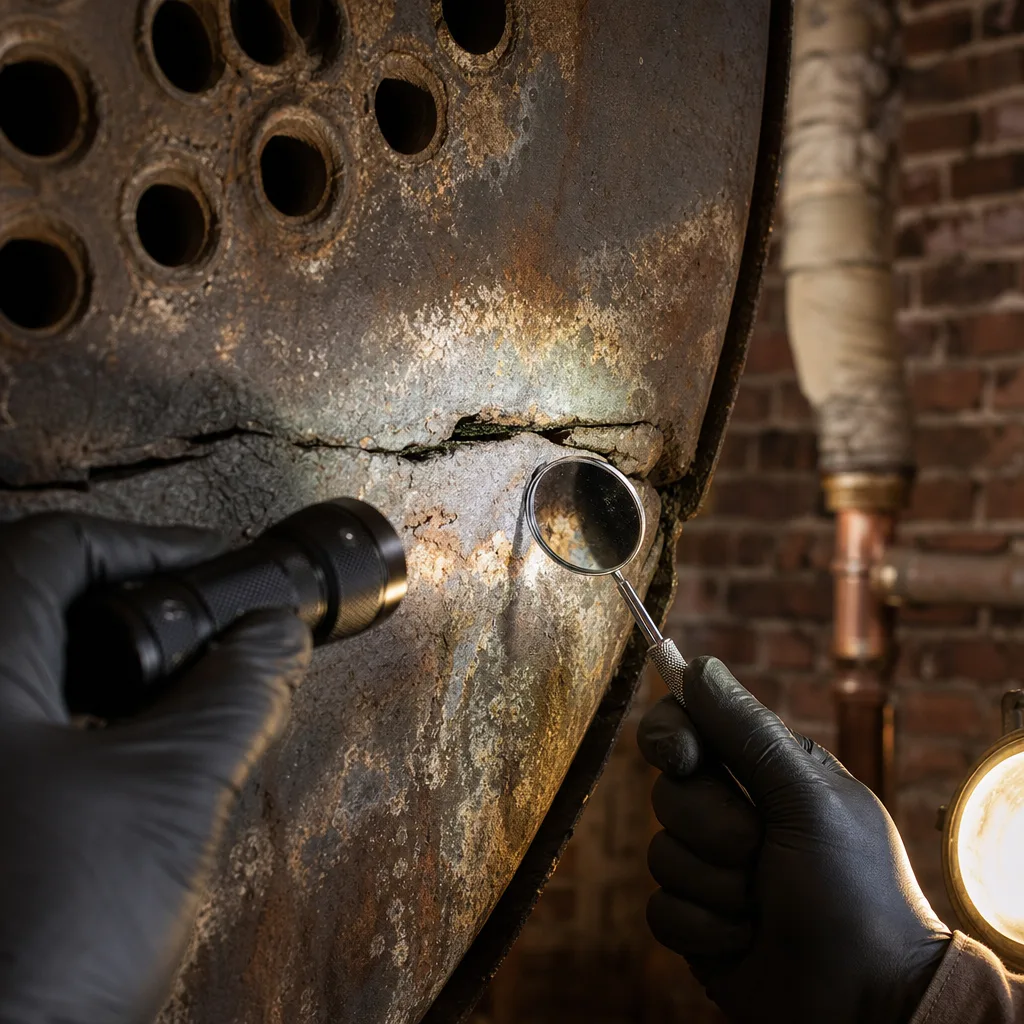
Boiler replacement is for hydronic heating. That’s a system that heats water, then pumps it through pipes to warm your rooms. No air blows through ducts. The heat comes off radiators, baseboard units, or tubing under your floors, and it feels quiet and even.
Most homes around Dallas don’t heat this way. Many of them use a furnace or heat pump that pushes warm air through ducts, often from a unit in the attic or a hall closet. Boilers turn up more often in some older homes and in commercial buildings, where they may heat several floors or units at once.
- Signs you have a boiler: radiators or baseboard heaters, no sound of moving air, and water pipes running from the unit instead of large metal ducts.
- Other boiler clues: a pressure gauge on the front, a small tank mounted near the unit, and a pump on the piping.
- Signs you have a furnace or heat pump: warm air comes out of floor, wall, or ceiling vents, and you change an air filter.
- Signs you have a water heater: the tank or wall unit only makes hot water for your faucets, showers, and washer, and has nothing to do with heating your rooms.
Here’s where it can get a little mixed up. Some boilers make hot water for your taps too, not just heat. If your one unit does both jobs, it’s still a boiler, and this page fits. If you have a separate tank that only feeds your faucets, that tank is a water heater and isn’t part of a boiler replacement.
If you’ve got a furnace that’s on its last legs, you’re looking for furnace replacement, and we handle that too. If your hot water tank is leaking or worn out, you need water heater installation. Each of those has its own page with the details that matter for that job.
Still not sure? That’s fine. Snap a photo of the unit and the label on it, and look at where the heat comes into your rooms. When you talk to a real person on our team, those two things usually make it clear which job you need. That way you get a quote for the right equipment, not a guess.
Dallas Boilers Are Concentrated in Older Multifamily and Commercial Buildings
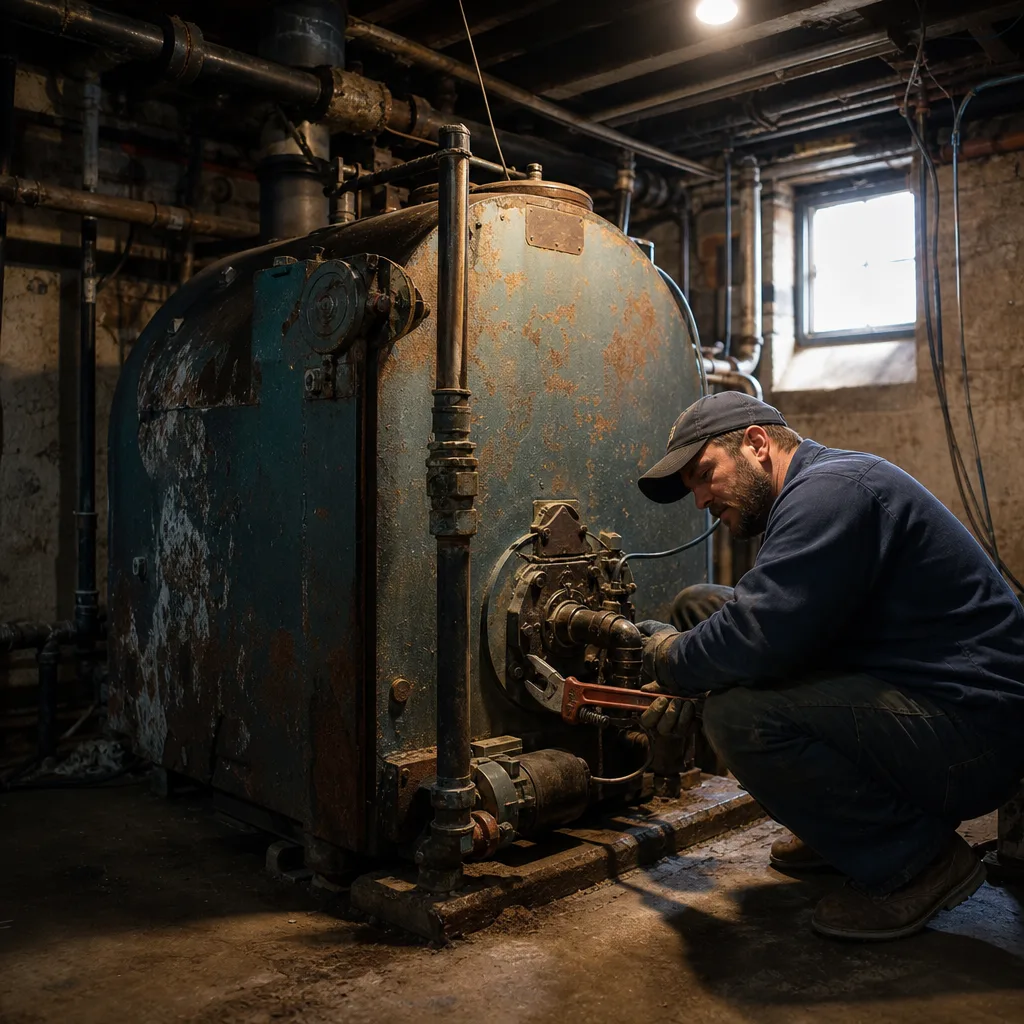
If you have a boiler in Dallas, odds are good your building isn’t a typical house. Most boilers here heat older apartment buildings, mid-rise offices, churches, schools, and small commercial spaces. A smaller number heat older homes built before ducted air became the norm. A boiler replacement is shaped as much by the building around it as by the boiler itself.
In a newer home, a furnace swap usually means one unit in one attic or closet. A boiler in an older multifamily or commercial building is often tied into a whole network: long pipe runs, several pumps, zone valves for different floors or units, and a flue that may go up through the roof. Pulling the old boiler out is only part of the job. The new one has to work with everything it’s connected to.
Here’s what tends to come up in these buildings, and why each one can change your quote:
- Access. Older boilers often sit in tight mechanical rooms, basements, or rooms the building was later built around. Getting the old unit out and the new one in can take more labor than the install itself.
- Venting. Many older boilers vent up a masonry chimney. A high-efficiency condensing boiler runs cooler and usually needs a different vent and a drain for the water it produces. That’s a real change, not a hookup.
- Old piping. Pipes that have carried hot water for decades may have rust, buildup, or weak spots. A new boiler can expose problems the old one was hiding.
- Hard water. North Texas water is hard, and minerals can build up inside a boiler and its piping over time. The condition of that water and those pipes affects how long your new boiler will last.
- Sizing. An old boiler may be bigger or smaller than the building needs today, especially if windows, insulation, or the use of the space has changed. Matching the old size by default can mean wasted fuel or cold rooms.
Dallas winters add their own pressure. Most of the season is mild, so a tired boiler can limp along for years without anyone noticing. Then a hard freeze rolls through, and the boiler has to carry a whole building at once. That’s often when a weak unit finally quits, and when you have the least time to plan.
If you manage a building with tenants, the stakes are bigger than comfort. No heat in a multifamily property means calls from residents, possible frozen pipes in vacant units, and a scramble to find space heaters. For a business, it can mean a closed office or a cold dining room. Planning a replacement before the cold sets in gives you control over the timing instead of reacting to a breakdown.
If you own an older Dallas home with radiators or baseboard heat, the same ideas apply on a smaller scale. Your boiler may vent through an old chimney, and your pipes may be original to the house. That’s not a reason to worry. It’s a reason to have someone look at the whole system before you compare quotes, so each price you see is for the same job.
AFUE is a rating that tells you how much of the fuel your boiler burns becomes heat. It’s worth asking about. In an older building, though, the bigger question is whether the venting, piping, and controls can support the boiler you choose. Get that right, and a higher-efficiency unit can pay you back. Skip it, and even a great boiler won’t perform the way it should.
Signs Your Boiler Needs Replacement, Not Repair
Not every boiler problem means you need a new boiler. A lot of the trouble people run into comes from the parts around the boiler, not the boiler itself. Those parts can usually be fixed or swapped for far less than a replacement. Before anyone talks you into new equipment, it helps to know which problems point to a repair and which ones point to the end of the road.
These problems are often repairable, and you may not need a new boiler:
- A circulator pump that hums, stops, or won’t move water through the pipes
- A zone valve that’s stuck, so one floor or one unit stays cold while the rest heat fine
- A waterlogged expansion tank, which can make the pressure jump around
- A relief valve that drips or lets water out now and then
- Thermostat or control problems that keep the boiler from firing when it should
- Air in the lines that makes radiators gurgle or stay cool at the top
If one of these sounds like your problem, a boiler repair visit is the right first step. Fixing a pump or a valve on a boiler that’s otherwise sound is just good sense. Spending money on a new boiler when the old one still has life left doesn’t help you.
Other problems are different. These are the signs that a repair would only buy you a little time:
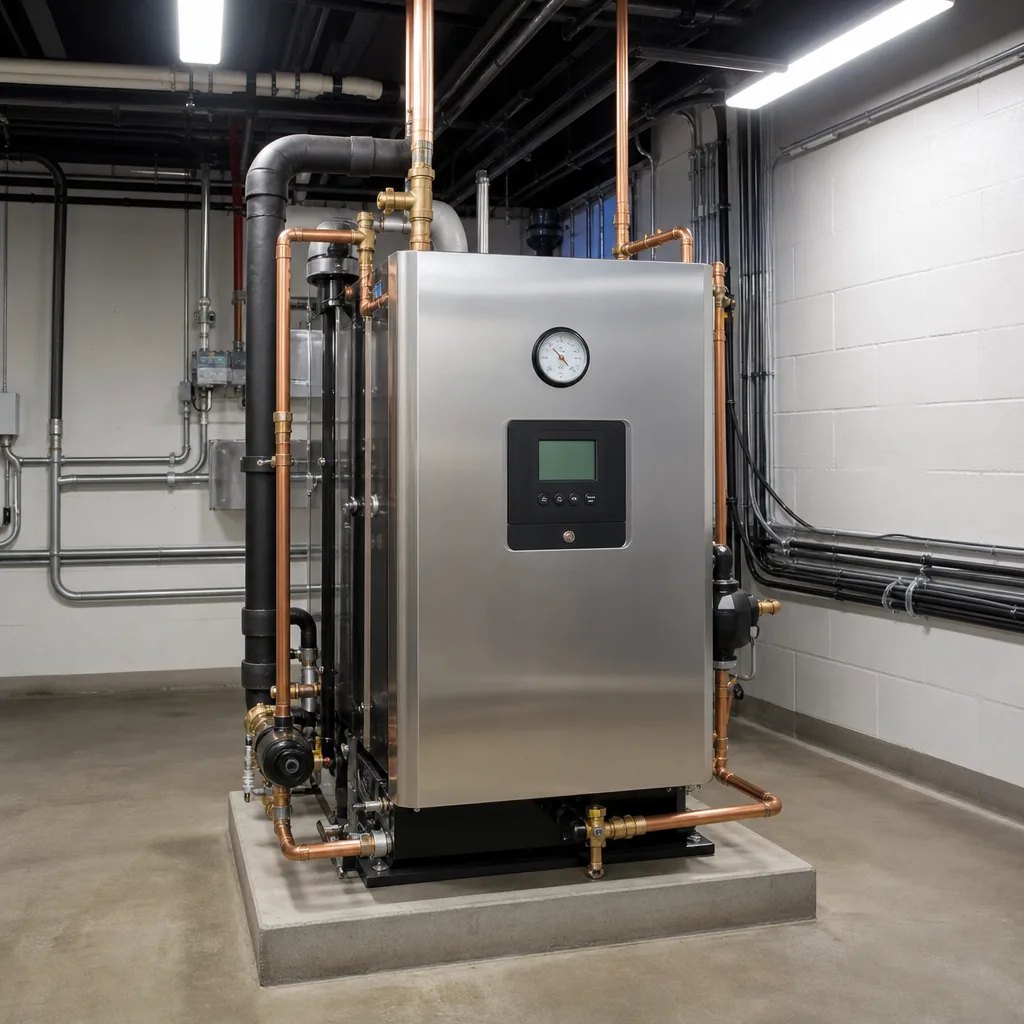
- Water leaking from the boiler body itself. A cracked cast iron section or a failed heat exchanger, the part that moves heat from the flame into the water, usually isn’t worth fixing.
- Rust or corrosion on the boiler’s shell or base, especially with water stains on the floor under it.
- The same breakdowns coming back every winter, with each repair bill stacking on the last.
- Parts that are hard to find or no longer made for your model, so every fix means waiting.
- Fuel bills that keep climbing even though you’re heating the same space the same way.
- Rooms that stay uneven after the pumps, valves, and air in the lines have been checked and fixed.
One sign on that list doesn’t always decide it. A boiler that’s had one small leak at a fitting is a lot different from one with water pooling under a cracked section. What matters is the overall picture: how old the boiler is, how often it’s failed, and what the next repair would cost compared with putting that money toward a new one.
Timing matters too. In Dallas, a boiler that’s been limping through mild winters can seem fine right up until the first hard freeze puts it to work. If your boiler is showing more than one of the replacement signs above, fall is a much better time to make the call than the middle of a cold snap. You’ll have time to look at sizing, venting, and piping the right way instead of grabbing whatever unit is on the truck.
If you smell gas, see soot around the boiler, or your carbon monoxide alarm goes off, don’t wait on a repair-or-replace decision. Leave the building and call your gas utility or 911 from outside. Once everyone is safe, have the boiler checked before you run it again.
The honest answer comes from someone looking at your actual boiler. We’ll tell you plainly whether a repair will hold up or whether you’re better off replacing it. If a repair makes more sense, that’s what we’ll recommend.
Ready when you are – get in touch today.
Call Today, Get Service Today. Xtreme Air Services — North Dallas is ready to help.
When Boiler Repair or Maintenance Makes More Sense Than Replacement
A new boiler is a big job and a big check. If the boiler itself is still sound, the honest answer is often to keep it and take good care of it. Here’s when that’s the better call.
- The boiler body is dry and solid, and the trouble traces back to one of the parts covered above. Fix the part, and the boiler can keep doing its job.
- It hasn’t been serviced in years. A boiler that’s gone a long time without cleaning or a checkup can run rough, turn on and off too often, and burn more fuel than it should. Judge it after it’s been cleaned and tuned, not before. A neglected boiler can look a lot worse than it really is.
- The heat feels weak because of buildup. With the hard water mentioned earlier, sludge and minerals can collect in the boiler and pipes. Flushing and cleaning the system can bring back heat you thought was gone for good.
- You only want better efficiency. A working boiler shouldn’t be torn out just to get a higher AFUE number. That’s especially true in an older building where a condensing boiler would need new venting. Dallas winters are mostly mild, so the fuel savings can take a long time to pay for the swap.
- Bigger plans are coming. If you’re selling soon, gutting the building, or rethinking how the space gets heated, keep the current boiler running safely until those plans are set.
- The problem came from one bad night. A frozen pipe or a tripped safety control after a hard freeze doesn’t always mean the boiler is worn out.
Regular boiler maintenance matters more than most people think. Having the system looked at before the heating season lets a technician check the burner, the flame, the pressure, the safety controls, and the venting while the weather is still easy. Small problems get fixed while they’re still small. A well-kept boiler is also easier to judge when the day comes to decide on replacement.
If you manage a building with tenants, a repair that gets you through this winter is a fair choice, even if replacement is coming. It gives you time to budget, look at venting and piping, and pick the right size. You can schedule the work on a mild day instead of during a freeze with tenants calling.
Repair stops making sense when the replacement signs from the last section start piling up. One cracked section, or the same costly breakdown every winter, is a different story from a stuck valve or a dirty burner.
If anyone pushes you toward a new boiler, ask them to show you exactly why the old one can’t be saved. You should get a clear answer you can see for yourself. If they can’t give you one, a repair or a good cleaning may be all your boiler needs right now.
Watch Our Video
See How We Handle Boiler replacement in Dallas
Xtreme Air Services — North Dallas
What Happens During a Boiler Replacement
A boiler replacement isn’t just one old box out and one new box in. It’s a short series of steps, and each one matters to how well your new boiler runs. Knowing the steps helps you plan your day, and it helps you spot a quote that skips something.
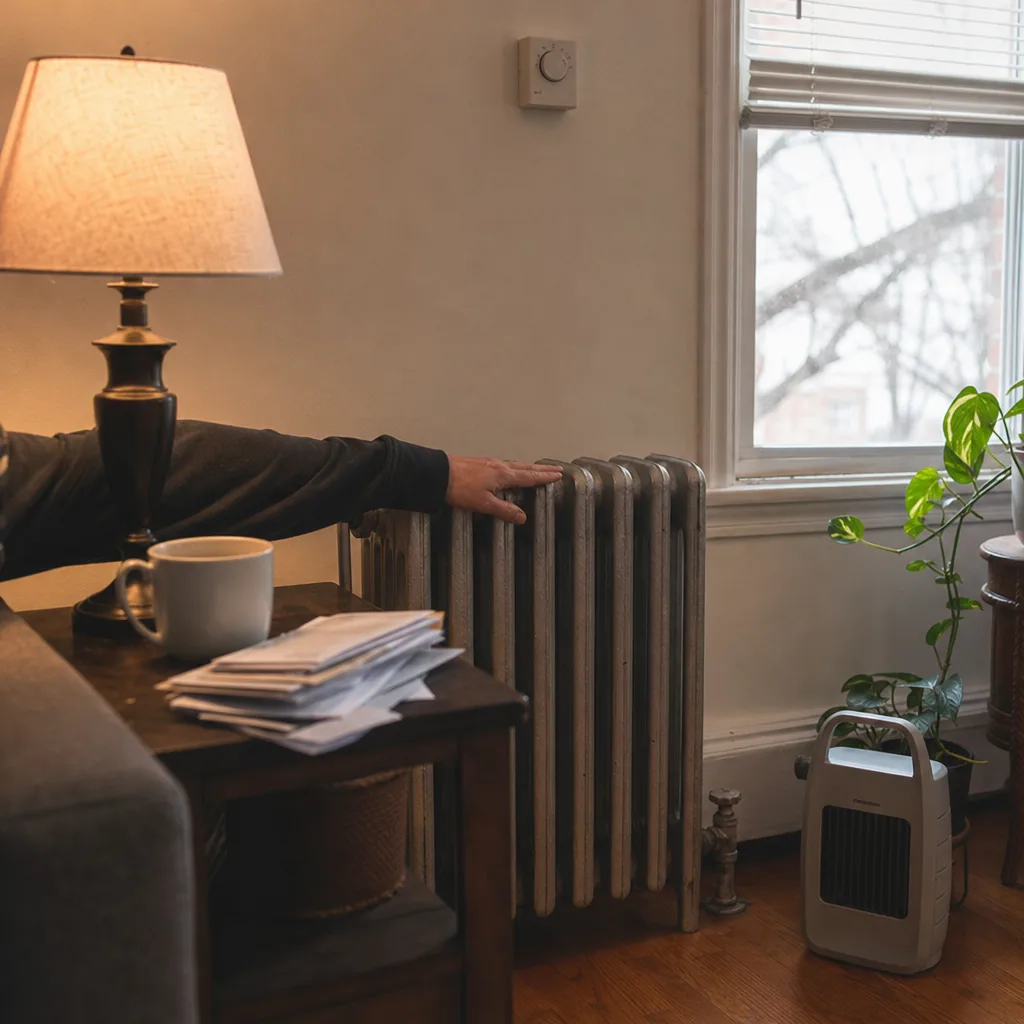
Here’s how the job usually goes, start to finish:
- Look at the whole system first. A good installer checks the boiler room, the venting, the piping, the pumps, and the controls before pricing anything. This is where the sizing, venting, and old-pipe questions from earlier get answered for your building.
- Agree on the scope and price. You should see in writing what’s being installed and what’s covered before any work begins. With us, that’s upfront flat-rate pricing you approve before we start, so there’s no meter running.
- Sort out permits. Boiler work often needs a permit and inspection. Ask who’s pulling it and whether it’s in the price, because that isn’t always assumed.
- Shut down and drain. The gas and power to the boiler get turned off, and the water is drained out of the boiler and the lines it serves. Your heat is off from here until startup.
- Remove the old boiler. In a tight basement or mechanical room, this can be one of the slowest parts of the day.
- Set and connect the new boiler. The new unit is placed, then tied into your water piping, gas line, power, and controls. If the venting has to change, as it often does with a condensing boiler, that work happens here too.
- Fill, purge, and fire it up. The system is refilled with water and the air is bled out of the lines so your radiators or baseboards heat all the way. Then the boiler is started for the first time.
- Test everything. Pressure, flame, safety controls, and venting all get checked, and each zone should be tested to confirm it heats.
- Clean up and haul away. The old boiler leaves with the crew, not in your alley.
How long does it take? A simple like-for-like swap in a home can often be done in a day or two. A building with several zones, long pipe runs, or new venting can take longer. If you manage tenants, ask for a realistic heat-off window up front so you can give residents notice.
What should the price cover? Our replacements include the equipment and materials, professional installation, standard connections, startup and testing, and haul-away of the old unit. Changes to ductwork, electrical, or plumbing, code corrections, and permits aren’t included unless your quote says so. In an older Dallas building, that line matters. If the old piping needs work or the vent has to be rebuilt, you want to know before the old boiler comes out, not halfway through the job.
When the work is done, you should feel steady, even heat in every room and have a boiler that’s ready for the next hard freeze. That’s what a complete replacement looks like.
Frequently Asked Questions
Common questions about Boiler replacement
Why do boiler quotes vary so much between companies?
Quotes vary because they often cover different scopes of work, not just different prices for the same job. One quote might include permit costs, new venting, and haul-away, while another leaves those out and adds them later. Before comparing numbers, check whether each quote covers the same steps: permits, venting changes, piping repairs, and cleanup. That is the only fair way to compare two boiler quotes side by side.
Can I keep my boiler running if only one radiator or zone is cold?
Yes, a cold zone while the rest of the building heats fine usually points to a stuck zone valve, not a failing boiler. This is one of the most common repairable problems on older hydronic systems. A technician can check the valve and the pump serving that zone before anyone talks about replacing the whole boiler. Fixing one valve is far cheaper than a full replacement.
Does hard water in the Dallas area really affect boiler life?
Yes, hard water can shorten a boiler’s life by letting minerals build up inside the unit and its piping over time. That buildup can weaken heat transfer, making rooms feel less warm even when the boiler is running. It can also quietly damage piping that a new boiler will depend on. Flushing and cleaning a system regularly helps slow this buildup down.
Ready to Get Started?
Call (469) 213-3107 Today, Get Service Today.