


Furnace Installation in Dallas: Costs, Repair-or-Replace Signs, and What’s Included
Furnace installs matched to the cooling coil and blower they work with, so your whole system runs as one.
What’s Covered on This Page
- Signs Your Furnace Needs Full Replacement, Not Another Repair
- What a Standard Furnace Installation Includes
- When a Full Installation Is Not What You Need
- What Drives Furnace Installation Cost Up or Down
- Licensing and Permit Requirements for Furnace Installation in Dallas
- What is the $5,000 rule for furnaces?
- Can I install my own furnace in Dallas?
Signs Your Furnace Needs Full Replacement, Not Another Repair
Nobody wants to buy a furnace they don’t need. You also don’t want to pay for repair after repair on one that’s already worn out. Here’s how to tell which spot you’re in.
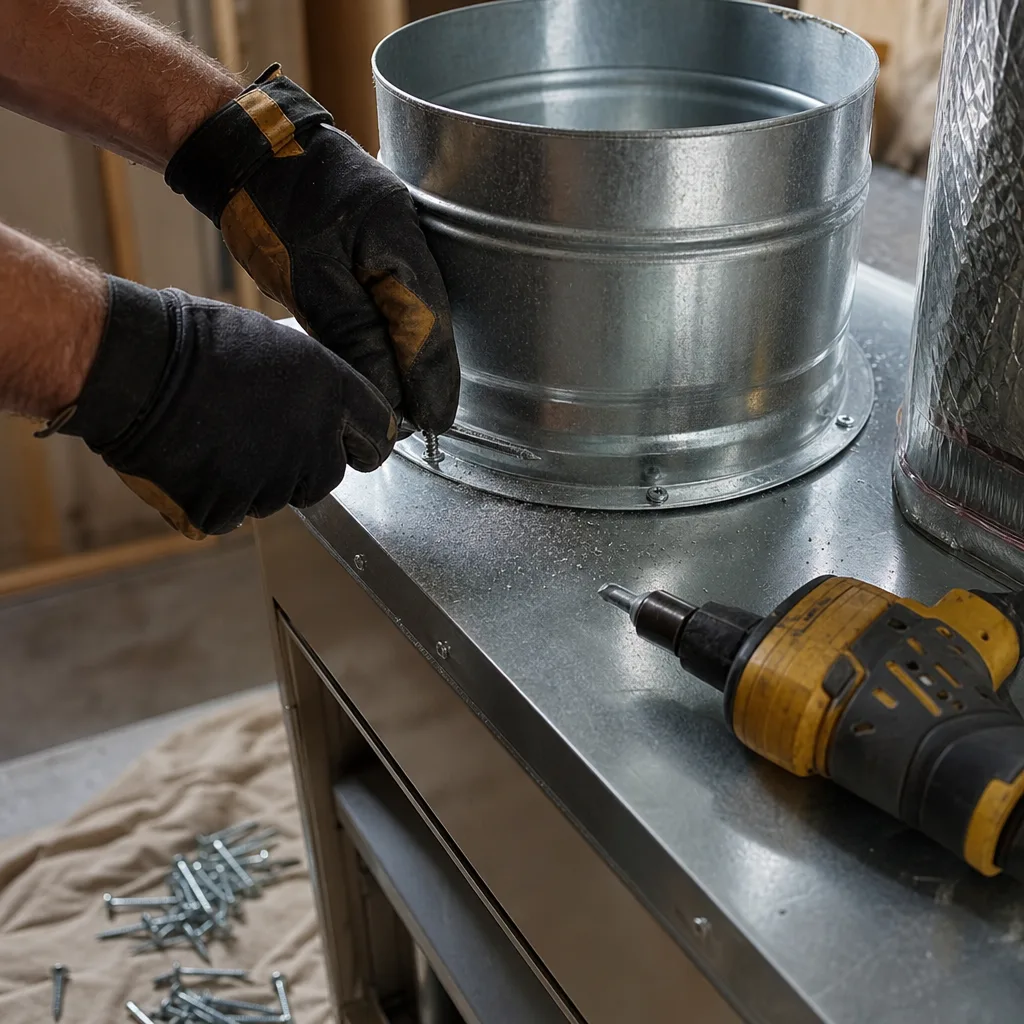
- It’s getting up there in age. Most gas furnaces last roughly 15 to 20 years. Once yours is in that range, each repair is a patch on a system that’s wearing out all over.
- You’re calling for repairs every season. One fix is normal. A new part failing every winter means the rest of the system is probably close behind.
- The repair quote is a big chunk of what a new furnace costs. Spending heavily on an old unit rarely pays off, because the next failure is usually already on its way.
- Your gas bills keep climbing. If you haven’t changed how you heat your home, rising bills often mean the furnace is burning more fuel to make the same heat.
- Some rooms never get warm. Uneven heat can come from ductwork, but an aging furnace that can’t keep up is a common cause too.
- There’s a safety problem. A cracked heat exchanger is the part that keeps combustion gases separate from the air you breathe. When it cracks, replacement is generally the safe fix, not a repair.
- Parts are hard to find. Older models can need parts that are discontinued, which makes repairs slow and expensive.
Dallas adds its own twist. Many homes here, especially the slab-on-grade ranch houses built from the 1950s through the 1990s, keep the furnace up in the attic. That attic gets brutally hot every summer, and those heat swings are hard on wiring, controls, and other parts even when the furnace isn’t running. Then a sudden cold front rolls in, the furnace gets pushed hard after months of sitting, and a weak system shows its age all at once.
Our winters are also milder than up north, so a Dallas furnace often runs fewer hours per year. That means age alone shouldn’t decide things for you. A 16-year-old furnace that’s been maintained and runs clean may have more life left than its birthday suggests.
So here’s the honest side. If your furnace is still fairly young and the problem is a single part like an ignitor, flame sensor, or blower motor, a repair usually makes more sense. Those are common, fixable issues, and replacing a whole system over one of them doesn’t do right by you.
When our technicians look at your furnace, you’ll see what’s wrong and hear both options in plain English. You get upfront flat-rate pricing before any work starts, so you can weigh a repair against replacement with real numbers in front of you, not guesses. If you’re also wondering whether the furnace is safe, ask about our carbon monoxide testing and furnace safety inspection.
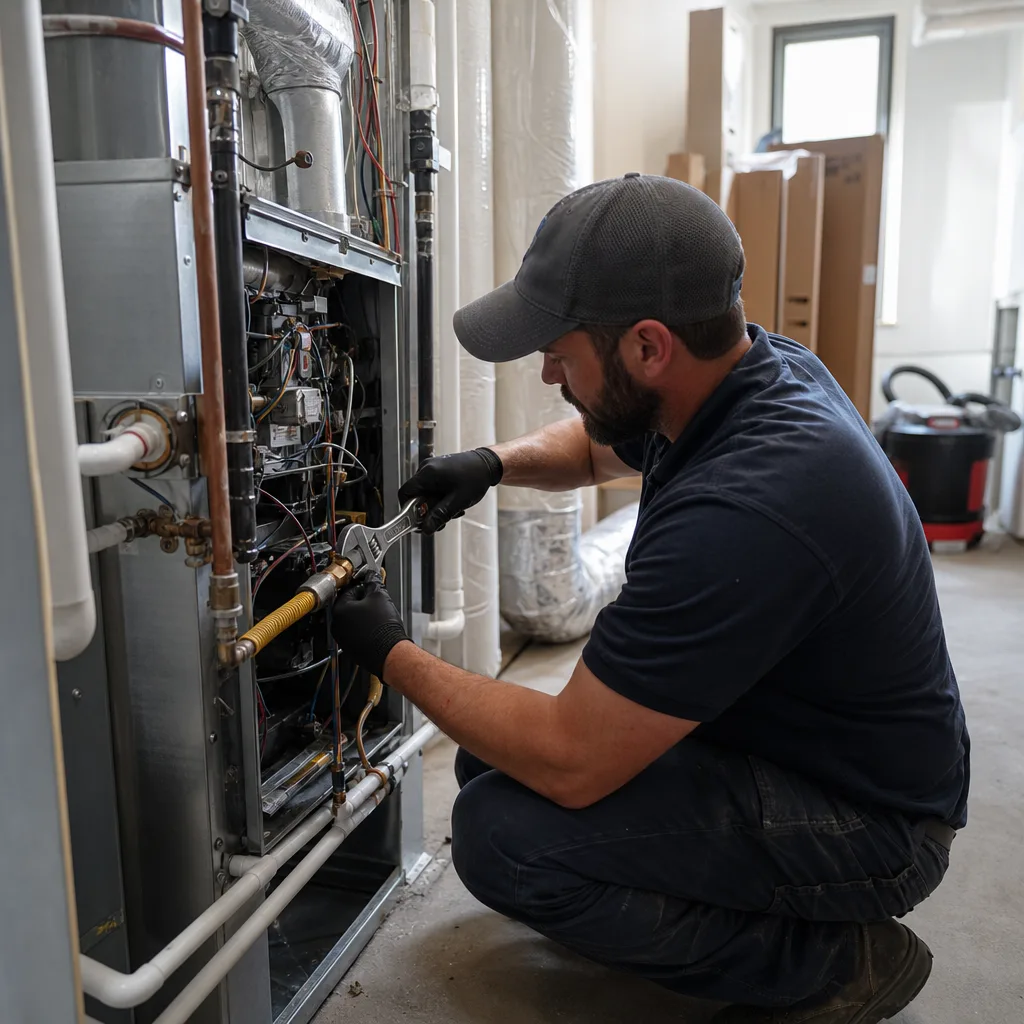
What a Standard Furnace Installation Includes
Our most common furnace job is a straight swap. We take out your old furnace and put in a new one that fits the same spot and uses your existing connections, with no major changes. That standard like-for-like installation typically runs $4,300 to $5,900. Across all of our furnace installations, the typical range is $3,500 to $7,500.
Here’s what that price covers:
- The new furnace and the materials needed to install it
- Professional installation by our licensed and insured team
- Standard connections to your existing setup
- Startup and testing, so you know it’s running right before we leave
- Haul-away of your old unit, so it isn’t left sitting in your garage or attic
It’s just as important to know what isn’t in the base price. Duct, electrical, and plumbing modifications aren’t included. Code corrections and permits aren’t included either, unless your quote says they are. These items only come up when your home needs them. If it does, you’ll hear about it before any work starts, as part of your upfront flat-rate price.
So what pushes a job toward the low or high end of that range? These are the main things:
- Size and capacity. A furnace has to match your home. A bigger house or a draftier one needs more heating power.
- Efficiency. AFUE tells you how much of your gas becomes heat. A higher number means less fuel wasted, but the equipment costs more up front.
- Brand and model. Different furnaces come with different features and price points.
- Ease of access. A furnace in a tight attic, which is common in older Dallas ranch homes, takes more work to swap than one in an open closet.
- Condition of what’s already there. Worn ductwork, old wiring, or outdated gas plumbing can mean extra work.
- Code upgrades and permits. Older homes sometimes need updates to meet current requirements.
- Custom fabrication. If the new unit doesn’t line up with your existing setup, parts may need to be custom built to fit.
When you compare quotes from any contractor, ask a few simple questions. Is this a like-for-like swap, or does it include changes to ducts, wiring, or gas lines? Are permits included? Is haul-away of the old furnace included? Does the price cover startup and testing? Two quotes can look far apart when one covers these items and the other leaves them out.
If we come out to look at your system first, there’s a service-call fee of $26 to $99. That fee is credited toward the job if you go ahead with Xtreme Air Services. If a new furnace is more than you planned to spend this winter, flexible financing is available on qualifying installations and larger jobs, on approved credit.
When a Full Installation Is Not What You Need
A new furnace is a big purchase. Sometimes it’s the wrong one. Here are the cases where your money is better spent somewhere else, or not spent yet.
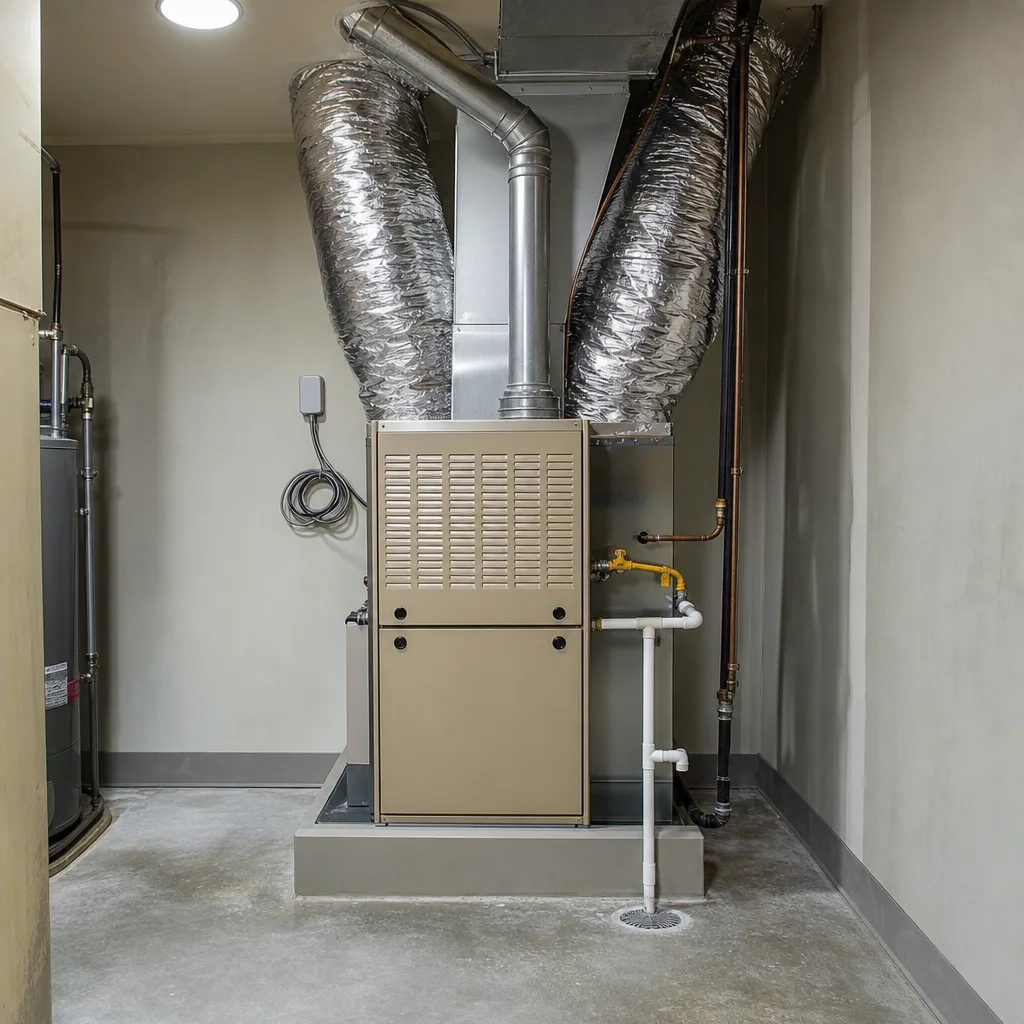
The furnace may not be the problem. A lot of no-heat calls come down to something small. Before you assume the worst, check a few things yourself:
- Is the thermostat set to heat, and set higher than the room temperature? If it runs on batteries, are they dead?
- When did you last change the air filter? A badly clogged filter can choke airflow so much that the furnace shuts itself off to stay safe.
- Is the breaker for the furnace tripped, or is the power switch near the unit turned off? That switch often looks like a regular light switch and gets bumped by accident.
If one of these gets your heat back, you just saved yourself a service call. If it doesn’t, or the problem keeps coming back, that’s when it’s time for a technician.
Your ducts may be the weak spot. If the furnace runs fine but the back bedroom stays cold, a new furnace probably won’t fix it. In many older Dallas homes, the ductwork runs through the same hot attic as the furnace. Over the years, joints can loosen and ducts can leak or get crushed. Then warm air ends up in the attic instead of your rooms. Duct sealing or duct repair can fix that for far less than new equipment. If some rooms are always colder than others, a zoning system can let you heat different parts of the house separately.
A heat pump might suit you better. Our winters are mild compared with up north, so a heat pump is a real option for a lot of Dallas homes. It heats and cools with one system, and it can make sense if your AC is also near the end of its life. It isn’t the right fit for every house, but it’s worth asking about before you replace a gas furnace by default.
You might only need heat in one space. If the problem is a garage you turned into an office, a new addition, or one room the ducts never reached, replacing the furnace for the whole house is overkill. A ductless mini-split can heat just that space without touching the rest of your system.
You might be able to wait. Say your furnace is older, but it’s late February and it still runs clean and safe. You don’t have to replace it this week. Waiting until spring or fall gives you time to compare options and budget for it. You won’t be making a big decision in a cold house at night. The exception is a safety problem, like a cracked heat exchanger. That shouldn’t wait.
A good technician will tell you which of these fits your home, even when the answer isn’t a new furnace. If the person quoting you never asks about your filter, your ducts, or which rooms stay cold, they aren’t looking at the whole picture.
Need help with Furnace installation?
Call Today, Get Service Today. Xtreme Air Services — North Dallas is ready to help.
What Drives Furnace Installation Cost Up or Down
You’ve seen the list of what moves the price. Here’s how those things play out in a Dallas home, and which ones you get a say in.
Bigger isn’t better. It’s easy to think a more powerful furnace is the safe choice. It isn’t. An oversized furnace heats the house fast, shuts off, then kicks back on a few minutes later. That constant on and off wears out parts sooner and leaves some rooms warmer than others. A furnace that’s too small has the opposite problem. It runs nonstop on the coldest nights and still can’t keep up.
The right size comes from looking at your actual home: its square footage, insulation, windows, and ductwork. Copying the size of the old furnace can repeat an old mistake. That matters even more if you’ve added insulation or new windows since that furnace went in. So ask any contractor how they picked the size.
High efficiency pays back slower here. AFUE is the rating that tells you how much of your gas turns into heat. A standard furnace is around 80 percent. A high-efficiency model is 90 percent or more. Because a Dallas furnace runs fewer hours each year than one up north, the savings from that higher number add up more slowly.
That doesn’t make high efficiency a bad choice. It can make sense if you plan to stay in your home a long time. It can also make sense if you want quieter, steadier heat from a variable-speed blower, which ramps up and down gently instead of blasting on and off. Just don’t assume it’s the right call by default. Ask for prices on both and weigh the difference against how long you’ll live there.
Switching efficiency levels can change the install. Going from an 80 percent furnace to a 90 percent one changes more than the box. High-efficiency furnaces make water as they run, and they vent through plastic pipe instead of a metal flue. In an attic install, that can mean a new vent path and a drain line for the water. That counts as a modification, so make sure it’s in the quote.
Getting the furnace in and out takes work. Narrow pull-down stairs, a low roofline, or an attic with no walkway mean more time and care. The old unit has to come out and the new one has to go in through the same tight path.
Your AC is part of the picture. In most Dallas homes, the AC’s indoor coil sits right on top of the furnace and uses the furnace’s blower to move cool air. If the new furnace is a different width, a custom transition piece may be needed to connect them. If your AC is also getting old, it’s fair to ask whether replacing both together makes sense. Sometimes it does, and sometimes keeping a healthy AC is the smarter move.
One thing that won’t move your price is when you call. With Xtreme Air Services, there’s no extra charge for nights or weekends.
Watch Our Video
See How We Handle Furnace installation in Dallas
Xtreme Air Services — North Dallas
Licensing and Permit Requirements for Furnace Installation in Dallas
A furnace isn’t a box you just plug in. It burns natural gas, vents combustion gases out of your home, and runs on household power. That’s why Texas doesn’t let just anyone install one, and why the paperwork side of the job matters as much as the wrench work.

In Texas, HVAC contractors are licensed by the Texas Department of Licensing and Regulation, or TDLR. A licensed contractor has passed state exams and has to carry insurance. If something goes wrong on the job, there’s an accountable company behind the work, not a guy with a truck and a cash price.
Xtreme Air Services is a fully licensed and insured contractor. Our HVAC license number is TACLA29023C. You don’t have to take our word for it. TDLR has a free online license search, and you can look up any contractor’s number in about a minute. We’d encourage you to do that with anyone you’re thinking about hiring, including us.
Licensing for the furnace itself is only part of it. If your install needs the gas line moved or changed, that’s plumbing work in Texas. If it needs a new circuit or electrical changes, that’s electrical work. Each trade has its own license. Because we’re one trusted team for HVAC, plumbing, and electrical, you aren’t stuck coordinating three different companies to get one furnace in.
Replacing a furnace in Dallas typically requires a permit from the city, followed by an inspection. The inspection is your second set of eyes. It checks the things you can’t easily see from the hallway, like how the furnace is vented, how the gas is connected, and whether the setup is safe for your family.
That matters a lot in older Dallas homes where the furnace sits up in the attic. Vent pipes, gas connections, and clearances in a cramped attic are exactly where shortcuts hide. A permitted, inspected install means someone besides the installer has looked it over.
Skipping the permit might look like a way to save a little money. It usually isn’t. Unpermitted work can come up when you sell your home, and it can raise questions with your insurance if there’s ever a problem. As we covered above, permits aren’t part of our base install price unless your quote says so, and you’ll see that line item up front before any work starts.
Before you sign with anyone, ask these questions:
- What’s your TDLR license number?
- Are you insured, and can you show proof?
- Will you pull the permit, or are you expecting me to?
- Who handles any gas line or electrical changes, and are they licensed for that work?
- Is the permit cost in this quote or separate?
A good contractor answers all five without hesitating. If someone gets vague, offers to skip the permit, or can’t give you a license number, that tells you what you need to know.
When you’re ready to get your new furnace in the right way, our licensed and insured, background-checked and drug-tested technicians will look at your home, explain your options in plain English, and give you upfront flat-rate pricing before anything starts.
Call 469-213-3107
Frequently Asked Questions
Common questions about Furnace installation
What is the $5,000 rule for furnaces?
The $5,000 rule is a quick way to decide between repair and replacement. Multiply the furnace’s age by the repair cost, and if that number is above $5,000, replacement is usually the smarter move. A 12-year-old furnace with an $800 repair scores 9,600, which leans toward replacing. It’s a rough guide, not a hard rule, so weigh it alongside how often you’ve been calling for repairs and whether the unit has a safety issue like a cracked heat exchanger.
Can I install my own furnace in Dallas?
No, you cannot legally install your own furnace in Dallas without a licensed contractor pulling the permit and handling the gas and electrical work. Furnaces burn natural gas and vent combustion gases, so Texas requires HVAC contractors to be licensed through the Texas Department of Licensing and Regulation. Any gas line changes need a licensed plumber, and electrical hookups need a licensed electrician. A permitted install also means a city inspector checks the venting and gas connections before you ever turn it on, which matters most in older Dallas homes with furnaces tucked in tight attics.
Ready to Get Started?
Call (469) 213-3107 Today, Get Service Today.