


Boiler Replacement in Plano: Costs, Signs You Need One, and What’s Included
Boiler replacements for hot-water heating systems, with what's included and what drives the cost explained.
What’s Covered on This Page
- Boiler Replacement Is a Commercial and Mechanical-Scale Decision in Plano
- Signs Your Boiler Needs Replacement, Not Repair
- What a Standard Boiler Replacement Includes
- What Drives Boiler Replacement Cost Up or Down
- How Xtreme Air Services Replaces a Commercial Boiler
- How long does a commercial boiler replacement take from start to finish?
- Will my building be without heat during the replacement?
- Can I keep using part of my old boiler system to save money?
- What happens if my boiler fails during a hard freeze?
Boiler Replacement Is a Commercial and Mechanical-Scale Decision in Plano
Here’s the honest picture. Around North Texas, most houses run on forced air. You’ve got a furnace or heat pump, ductwork, and vents. Boilers work differently. They heat water and move it through pipes to radiators, baseboards, coils, or tubing under the floor. If you have a boiler, you most likely own or manage an office building, a retail space, an apartment property, or a home that was built with hydronic or radiant heat.
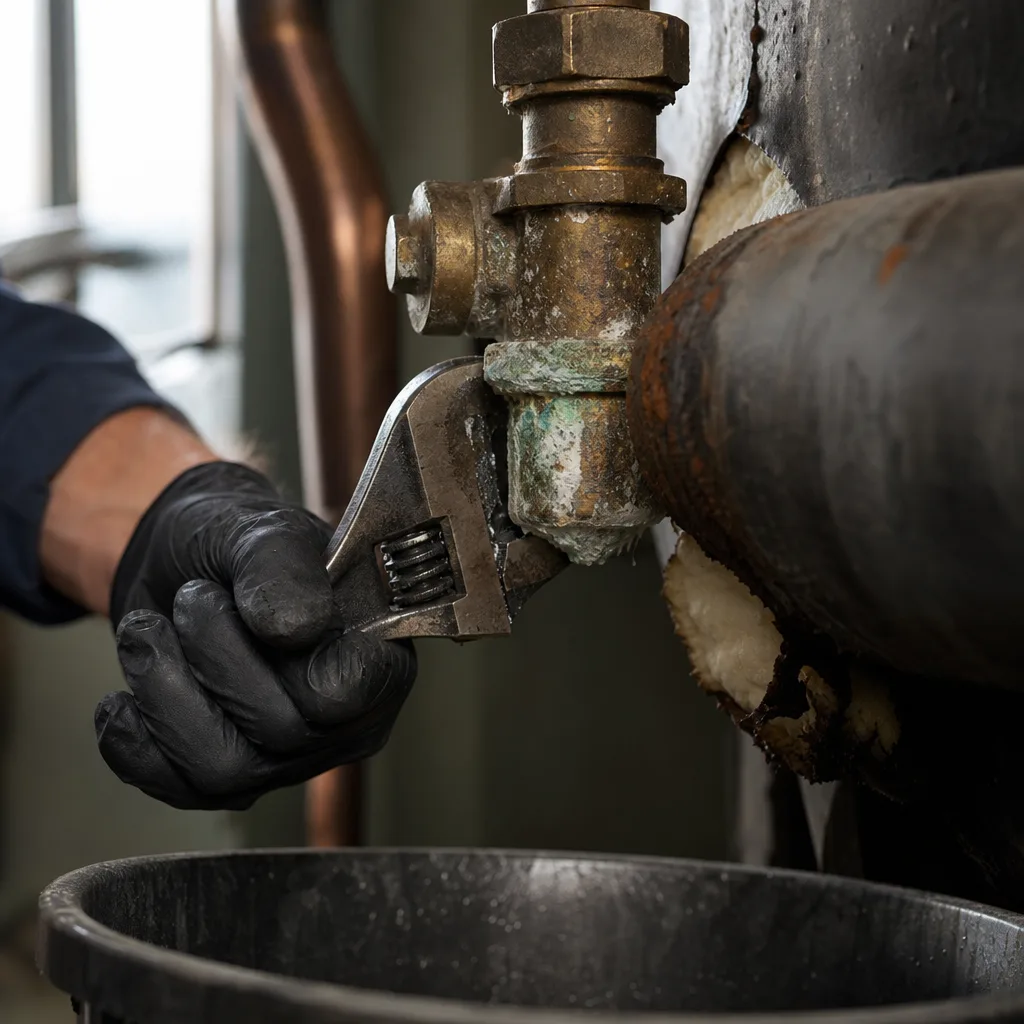
That changes what boiler replacement really means for you. It’s not like swapping a water heater. A boiler sits at the center of a whole system, and the new one has to fit everything around it.
- Water piping and pumps. Pumps move hot water through the building. If they’re worn out or the wrong size for the new boiler, heat won’t reach the far rooms.
- Gas supply and venting. A gas boiler needs the right gas line size and a safe path to send exhaust outside. Newer high-efficiency boilers often vent differently than the old ones did.
- Electrical controls. Thermostats, zone valves, and boiler controls all need power and correct wiring to work together.
- Sizing. A boiler that’s too big turns on and off too often and wears itself out. One that’s too small can’t keep up when a cold front drops temperatures overnight.
North Texas winters make this matter more than people expect. You might go weeks without needing much heat, and then a hard freeze shows up. When that happens, a boiler that was sized by guesswork or tied into old pipes without a careful look is the one that lets you down. For a business, that can mean cold tenants, frozen pipes, or a building you can’t open.
So the first real question isn’t “which boiler?” It’s “does the new one go in like-for-like, or does part of the system need to change?” A like-for-like job uses the existing connections with no major changes. If the pipes, venting, gas line, or controls don’t match what the new boiler needs, the job grows. You want to know that before work starts, not halfway through.
This is where one team for HVAC, plumbing, and electrical earns its keep. Xtreme Air Services is a licensed and insured contractor, HVAC License #TACLA29023C, and our services cover boiler system design, boiler replacement, boiler commissioning, and decommissioning of the old unit, along with hydronic heating, piping, pump installation and repair, gas line work, and electrical wiring. When every trade the job touches sits under one roof, you aren’t stuck coordinating three companies or wondering who’s responsible when something doesn’t line up.
That’s the decision you’re really making: not just a new boiler, but a heating system that’s matched, connected, and tested as one piece of equipment, done right the first time.
Signs Your Boiler Needs Replacement, Not Repair
A boiler that’s acting up doesn’t always need to be replaced. A lot of the time, it needs a part. The trick is knowing which problems are worth fixing and which ones mean the boiler itself is worn out. Here’s how to tell.
These signs point toward replacement:
- Water leaking from the boiler body itself. A drip from a fitting or valve is usually a repair. Water coming from the main boiler vessel or a cracked section often means the heat exchanger has failed. That’s the heart of the boiler, and it’s rarely worth replacing on its own.
- The same repairs keep coming back. If you’ve paid for service more than once in a season and you still don’t trust it to get through the next freeze, the repair money may be better spent on a unit that will.
- Parts are hard to find. Older boilers can reach a point where replacement parts aren’t made anymore. Then a simple failure can leave your building without heat while you wait.
- Your gas bills keep creeping up. If the heating bill rises and nothing about how you use the building has changed, the boiler may be losing efficiency. AFUE is the number that shows how much of your gas becomes heat. An older boiler usually has a lower rating than today’s high-efficiency models.
- Heavy rust, corrosion, or scale. North Texas has hard water. Over the years, minerals can build up inside a boiler and its piping, and that makes it work harder to heat the same water. Heavy corrosion on the unit is a sign it’s near the end.
- Soot or scorch marks around the burner or vent. These can point to combustion problems. A technician should look at them before you make any decision.
Now the other side. These problems are usually repairs, not a reason to buy a new boiler:
- A circulator pump that’s noisy or has stopped moving water
- An ignitor or flame sensor that keeps the boiler from lighting
- A pressure relief valve that drips, which often traces back to a bad expansion tank
- Low system pressure that needs a refill and a check for a small leak
- A thermostat or zone valve that won’t call for heat in one area
- Air trapped in the lines that makes a few rooms run cold
If your boiler is in decent shape and one of these is the problem, fix it. A good boiler with a new pump or ignitor can keep running well, and you don’t need to spend replacement money to solve a part problem. We’ll tell you that straight.
Most of the time, the real answer comes from looking at the whole picture. That means the boiler’s condition, how often it’s needed work, what the next repair would cost, and how much you’re relying on it. For a business or rental property, one more failure during a hard freeze can cost more than the repair bill. Tenants complain, pipes are at risk, and you may have to close for the day. For a home with radiant floors, it can mean a cold house until parts arrive.
If you’re not sure which side your boiler falls on, a diagnostic visit settles it. Our service-call fee is $26-$99, and it’s credited toward the repair if you proceed with Xtreme Air Services. You’ll get an honest read on whether a repair makes sense or whether it’s time to plan a replacement.
What a Standard Boiler Replacement Includes
Once you know the boiler has to go, the next question is simple: what am I paying for? Here’s what a standard job covers with us, what it costs, and what’s left out, so nothing on your quote catches you off guard.
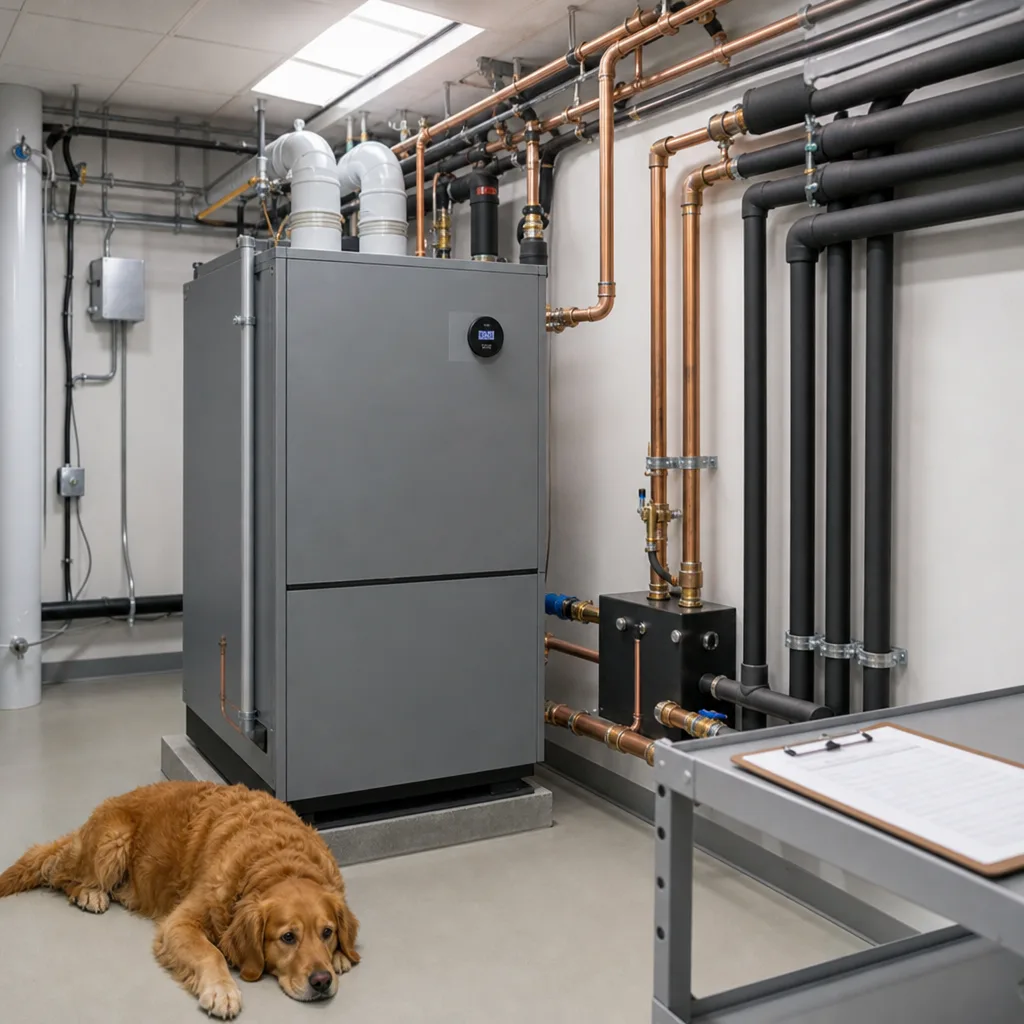
Our most common job is a like-for-like boiler replacement that uses your existing connections with no major changes. For that job, the price is $9,200-$15,500. Across all the boiler replacements we quote, the typical range is $6,000-$22,000. Where your job lands depends on your building and your system, which we cover below.
A standard replacement includes:
- The new boiler and the materials needed to install it
- Professional installation by our licensed team
- Standard connections to your existing water, gas, venting, and controls
- Startup and testing, so the boiler is fired up and checked before we call it done
- Haul-away of your old unit, so it isn’t left sitting in your mechanical room or garage
Startup and testing matter more than people think. A boiler that’s set in place but never properly started is just a heavy metal box. Testing is how you know the new unit heats your water, moves it where it needs to go, and runs the way it should before the next cold front rolls through.
Some work is not part of a standard replacement unless your quote says so:
- Changes to plumbing, piping, or electrical wiring
- Code corrections, where older work has to be brought up to current code
- Permits
That doesn’t mean these come up on every job. It means that if your system needs one of them, it’s a separate line item, and you should see it written out before you approve anything. If permits aren’t listed on a quote, from us or anyone else, ask about them.
Here’s what moves the price up or down:
- Size and efficiency. A bigger boiler, or one with a higher AFUE rating, costs more up front. AFUE is the share of your gas that turns into usable heat, so a higher rating can lower your heating bills over time.
- Brand and model. Different boilers come at different price points.
- Ease of access. A boiler in a tight basement corner, a cramped closet, or a rooftop mechanical space takes more labor to remove and replace than one in an open room.
- Condition of existing plumbing and wiring. Old pipes or controls that don’t match the new boiler add work.
- Code upgrades and permits. These depend on what your system has now and what it needs to meet code.
- Custom fabrication. If parts have to be built or adapted to fit your space, that adds cost.
For a Plano office building or apartment property, access and piping condition often matter as much as the boiler itself. For a home with radiant floors, the controls and pumps tied into that system play a big part.
If the number feels like a lot to take on at once, you have options. We offer flexible financing on qualifying installations and larger jobs, on approved credit, so you can spread the cost out instead of putting off a replacement your building needs.
Ready when you are – get in touch today.
Call Today, Get Service Today. Xtreme Air Services — North Plano is ready to help.
What Drives Boiler Replacement Cost Up or Down
You’ve seen the factors that move the price. The more useful question is which of them apply to your building. You can get a rough idea before anyone shows up with a tape measure.
Your job is more likely to stay close to like-for-like if most of these are true:
- You’re replacing the boiler with the same type and fuel, like gas for gas.
- The exhaust vent can stay where it is and work with the new unit.
- The pipes near the boiler aren’t badly rusted or leaking.
- Your pumps, expansion tank, and controls are working and in decent shape.
- There’s a clear path to carry the old boiler out and the new one in.
The biggest swing usually comes from one choice: moving from an older standard boiler to a high-efficiency condensing boiler. A condensing boiler pulls so much heat out of its exhaust that the gases cool down and turn to water. That’s how it gets more heat from the same gas. It also means the old metal vent often can’t be reused. The new boiler usually needs its own vent pipe and a drain line for that water. Those are real costs, and they should be written out on your quote.
Is it worth it? It depends on how hard your boiler works. A condensing boiler works best when the water coming back to it is cooler. Radiant floor systems often run that way, so they’re a natural fit. A building that leans on its heat all winter can win back more of the extra cost through lower gas bills than one that barely runs.
Sizing can push the price either way, too. Many old boilers were oversized from day one. Buildings change over the years with new windows, added insulation, or rooms walled off. Copying the number off the old boiler’s label can mean paying for more boiler than you need. Looking at how much heat your building loses on a cold night is part of boiler system design. Sometimes that points to a smaller unit that costs less and runs better.
When you’re comparing quotes, make sure you’re comparing the same job. Check that each one spells out:
- The boiler’s size and AFUE rating, not just the brand name
- Whether the venting is being replaced or reused
- Whether pumps, the expansion tank, and controls are new or staying
- Permits, and who pulls them
- Startup, testing, and haul-away of the old unit
A quote that skips the venting or the permits isn’t cheaper. It’s just not finished yet. Those costs tend to show up later, after the old boiler is already gone and you can’t walk away.
That’s why we give you upfront flat-rate pricing that you approve before work starts. You see what’s being replaced, what’s staying, and what it costs. There’s no meter running and no surprise line item halfway through the install.
Watch Our Video
See How We Handle Boiler replacement in Plano
Xtreme Air Services — North Plano
How Xtreme Air Services Replaces a Commercial Boiler
Replacing a commercial boiler is a sequence, not a swap. For a business, the hard part isn’t the new equipment. It’s keeping your building running while the old boiler comes out and the new one goes in. Here’s how the work moves from start to finish, and where you stay in control.
- Look and plan. This is boiler system design. We check the boiler, the piping, the venting, the gas supply, and the controls, and we confirm the right size for your building. You get upfront flat-rate pricing for the whole job, and nothing starts until you approve it.
- Plan the shutdown. Your heat will be off for part of the job, so timing matters. North Texas winters often bring mild days between cold fronts. That gives you a good window to do the work before the next freeze, not during it. Before work starts, think about who in your building needs a heads-up, like tenants, staff, or a property manager.
- Take out the old boiler. This is decommissioning. The gas and power get shut off, the system gets drained, and the old unit is disconnected and hauled away so it isn’t left in your mechanical room.
- Set and connect the new boiler. The new unit goes in and ties into your water, gas, venting, and controls. If your quote included piping, pump, or vent changes, this is when they happen.
- Start it up and test it. This is commissioning, which means proving the system works as a whole and not just turning it on. The boiler fires, hot water moves through the building, the controls call for heat the way they should, and the exhaust leaves safely.
Every step touches more than one trade. Draining and refilling the system is plumbing. The burner and vent are gas work. The controls and pumps are electrical. When one company handles HVAC, plumbing, and electrical, nobody has to wait on another contractor to show up before the next step can start. That’s often the difference between heat back on the same week and a building that sits cold while three schedules get lined up.
It also matters who’s walking through your building. Our licensed and insured, background-checked, and drug-tested technicians do the work. That counts when you have tenants, customers, or staff around while we’re there.
Before you call the job finished, see the system run for yourself. Ask to watch the boiler fire up. Check that the far rooms or zones are warming. Find out what the normal system pressure should read so you’ll know if it changes later. A boiler that’s been set in place but not fully tested is a gamble on the next cold night. A boiler you’ve watched heat your building is one you can count on.
Call now
Frequently Asked Questions
Common questions about Boiler replacement
How long does a commercial boiler replacement take from start to finish?
It depends on your building, but the work follows a set sequence: planning, a scheduled shutdown, removing the old boiler, installing the new one, then startup and testing. Mild days between North Texas cold fronts are the best window, since your heat is off for part of the job and you want it back before the next freeze hits.
Will my building be without heat during the replacement?
Yes, for part of the job, so timing the shutdown matters. We plan the work around mild stretches between cold fronts so your boiler is back online before the next freeze, and we recommend giving tenants, staff, or a property manager a heads-up before work starts.
Can I keep using part of my old boiler system to save money?
Sometimes, if your pipes, pumps, and venting are in good shape and match what the new boiler needs. That’s called a like-for-like replacement, and it costs less than a job that requires new piping, venting, or electrical work. A look at your existing system tells you which situation you’re in before work starts.
What happens if my boiler fails during a hard freeze?
A sudden failure during a freeze is the worst-case scenario for a business or rental property, risking frozen pipes, cold tenants, or a building you can’t open. If your boiler has needed repeat repairs or parts are getting hard to find, it’s worth scheduling a replacement before winter rather than waiting for a freeze to force the issue.
Ready to Get Started?
Call (469) 527-5131 Today, Get Service Today.