


Sewer Line Repair in Plano: Know What You’re Fixing Before You Pay
Sewer line problems confirmed before anyone digs, with a step-by-step repair and a quote that shows what's included.
What’s Covered on This Page
- Repair or Full Replacement: Know Which One You Need
- Signs Your Sewer Line Needs Repair
- When It’s Not a Sewer Line Problem
- What Drives Your Sewer Line Repair Cost
- How a Sewer Line Repair Gets Done
- Who is responsible for fixing a broken sewer pipe, me or the city?
- Can I clean out my own sewer line instead of calling a plumber?
- How do plumbers clean out a sewer line?
Repair or Full Replacement: Know Which One You Need
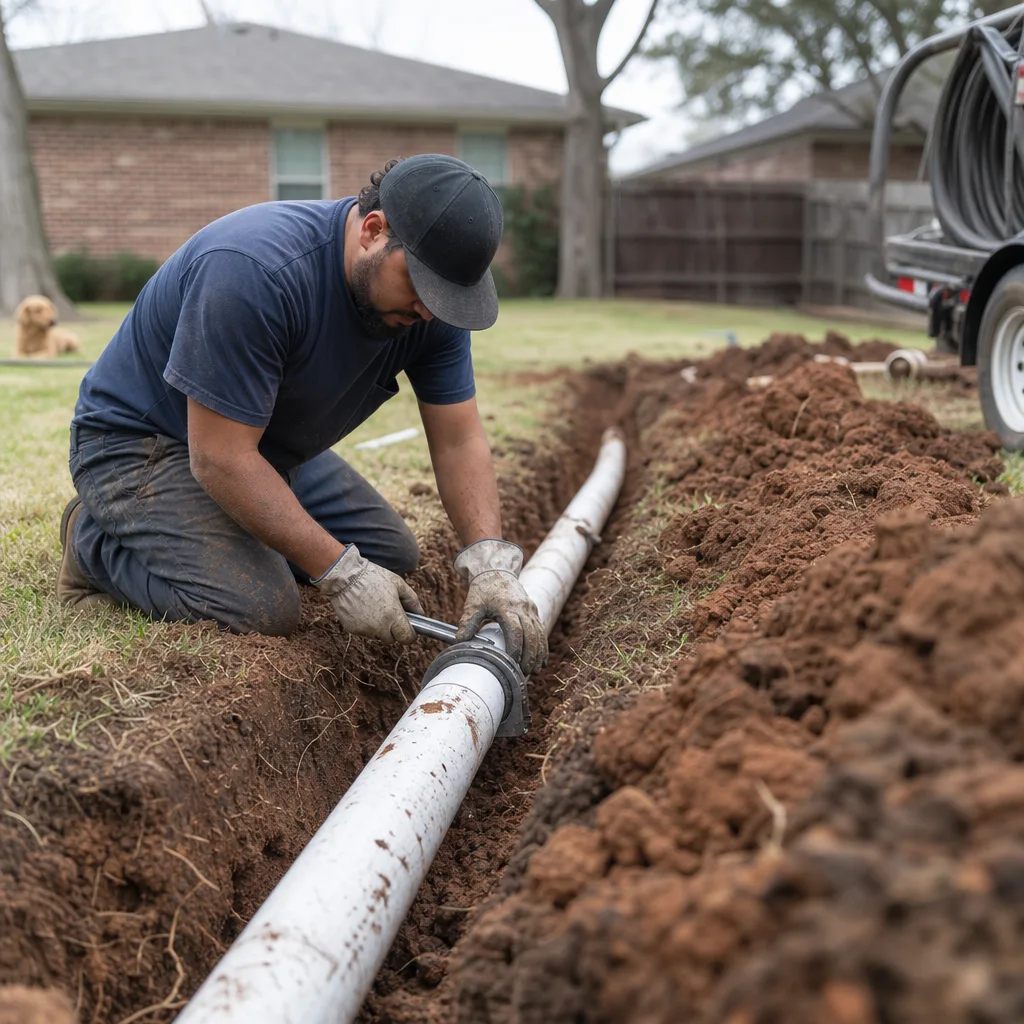
Here’s the honest truth. A sewer line doesn’t usually fail all at once. It cracks at one joint, sags in one low spot, or lets roots in at one weak seam. When that’s what you’ve got, you only need that piece fixed. You shouldn’t pay to replace 60 feet of pipe because 6 feet went bad.
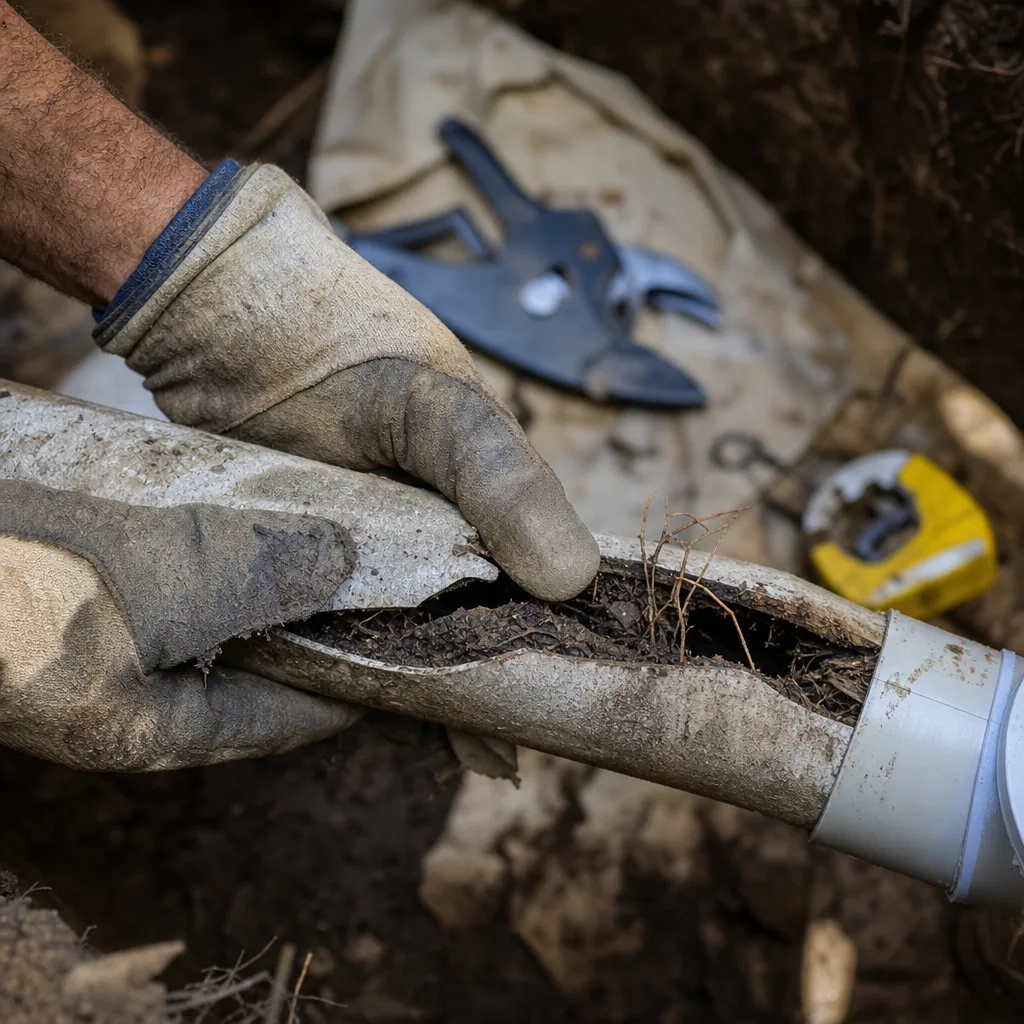
The trick is knowing which kind of problem you have. That’s why finding the exact spot and the cause matters so much. A sewer camera inspection lets you see the inside of the pipe, so the choice is based on what’s really down there, not a guess.
- A section repair usually makes sense when the damage is in one or two spots, like a single cracked joint, one root entry point, or a short belly where the pipe has sagged.
- It also fits when the rest of the line still looks solid on camera, with no heavy rust, flaking, or flattening along the run.
- A full replacement makes more sense when the camera shows damage in many places, the pipe is badly corroded or crumbling, or repairs keep popping up in new spots year after year.
- Ground movement is part of the picture here. North Texas clay soil swells when it’s wet and shrinks when it’s dry, which can shift and stress buried pipe, especially in older homes.
Now for the case where you may not need a repair at all. If the camera shows a soft clog or a light buildup of roots, and the pipe walls are still whole, drain cleaning or hydro jetting may clear it and get you flowing again. If that’s what your line needs, that’s what you should get. No digging, no repair bill.
The choice also changes your cost a lot. For Xtreme Air Services, the most common job is a sewer line repair: locate and repair or replace the damaged section of sewer line and verify proper flow. That job runs $1,500-$4,000. It includes locating, excavation/access, the repair, and testing. Full line replacement isn’t part of that price. Our typical range across sewer line work is $1,500-$7,000.
What moves your number up or down is the depth and length of the damaged run, how hard it is to get to and dig, and whether trenchless methods are used. Landscaping or concrete restoration and permits aren’t included unless stated. So if the bad section runs under a driveway or patio, ask about that part up front.
If the answer turns out to be the bigger job, flexible financing is available on qualifying installations and larger jobs, on approved credit. Either way, you’ll know which fix you need and why before any work starts.
Signs Your Sewer Line Needs Repair
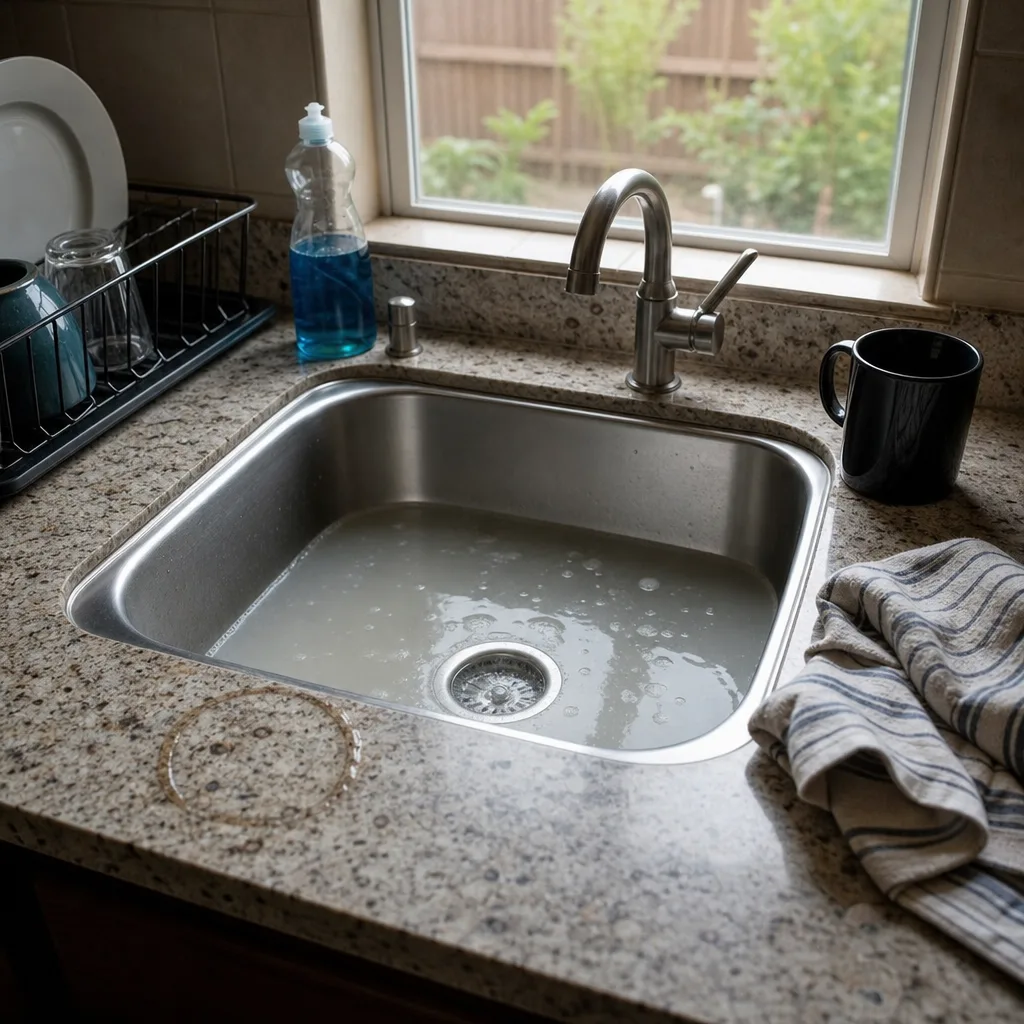
Your sewer line is the one big pipe that carries everything from your house out to the city main. When it’s damaged, the trouble doesn’t stay in one sink. It shows up all over the house, because every drain is trying to empty into the same pipe.
Here’s what to watch for:
- More than one drain is slow at the same time. A slow kitchen sink plus a slow tub plus a toilet that takes forever to flush points past the fixtures and down to the main line.
- Gurgling when you use water somewhere else. If the toilet bubbles when the washing machine drains, or the shower burbles when you flush, air is being pushed back up through a line that can’t flow freely.
- Water backing up in the lowest drain in the house. On a slab home, that’s often a tub, a shower, or a downstairs toilet. Wastewater goes to the lowest opening it can find when the main line is blocked or broken.
- A sewer smell inside or out. A rotten-egg or sewage odor near floor drains, in the yard, or around the outside cleanout can mean a crack is letting gas escape.
- A soggy, sunken, or extra-green strip of lawn. Leaking sewage soaks the soil and feeds the grass. If one stripe of your yard stays wet or greener than the rest during a dry Texas summer, that line may be leaking right under it.
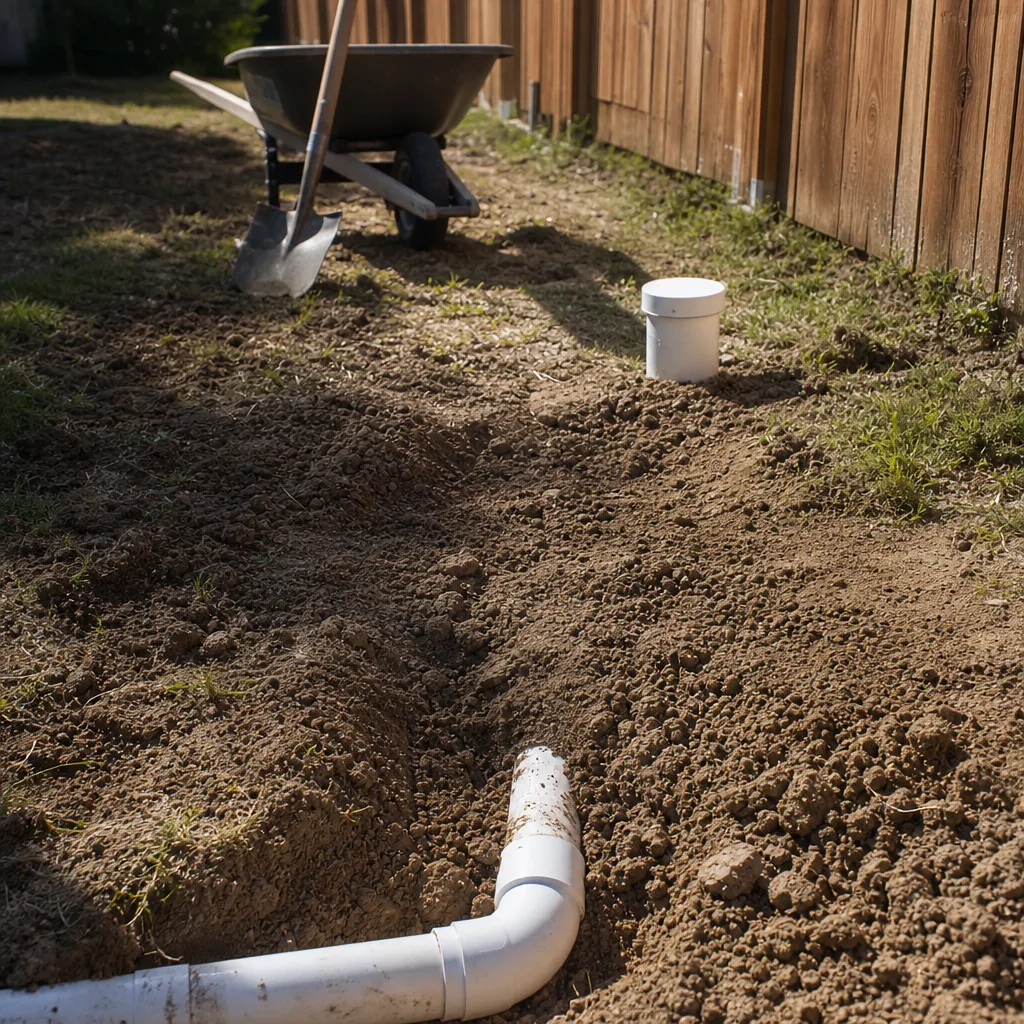
- Water coming out of the cleanout. The cleanout is the capped pipe sticking out of the ground near your house. If it’s wet or overflowing, the blockage is past that point.
One thing that surprises a lot of people: a broken sewer line usually won’t show up on your water bill. Your meter tracks fresh water coming in, not waste going out. So a sewer leak can go on for a while without your bill giving you any warning. That’s why the signs above matter so much.
Now for the plain truth on the other side. If just one drain is slow and everything else in the house works fine, that’s almost always a local clog in that fixture’s pipe, not your sewer line. Hair in a bathroom sink or grease in the kitchen drain won’t need digging or a sewer repair. A plunger, a hand snake, or a basic drain cleaning usually takes care of it. You don’t need a sewer line repair for that, and you shouldn’t let anyone talk you into one.
It’s also worth noticing when the problems started. Trouble that keeps coming back in the same spot, or that shows up after the ground has gone through a big wet-to-dry swing, fits the shifting-soil picture from the section above. Problems that started right after a big tree took off in the yard can point to roots working into a joint.
Signs tell you something’s wrong. They don’t tell you exactly where or how bad. If you’re seeing two or more of these at once, a camera look inside the line is the honest next step. It can turn “something’s off” into a clear answer before anyone picks up a shovel.
If sewage is already backing up into your home, you don’t have to wait until Monday. Xtreme Air Services answers the phone around the clock and gets to you the same day, with no extra charge for nights or weekends.
When It’s Not a Sewer Line Problem
Plenty of things look, smell, or sound like a broken sewer line and aren’t. Before you worry about digging, it’s worth ruling these out. Some you can check yourself in five minutes.
A sewer smell from one spot is often a dry trap. Every drain has a curved pipe under it that holds a little water. That water blocks sewer gas from coming up into your home. If a guest shower, a laundry floor drain, or a sink in a room you don’t use sits for weeks, the water dries up and the smell gets in. Run water down that drain for a minute. If the smell fades by the next day, that was it. No repair needed.
A smell right around one toilet can come from a worn wax seal under the base, not the line below it. You might also notice the toilet rocks a little or there’s a stain on the floor around it. That’s a toilet repair, not a sewer job.
Gurgling with good flow can be a blocked vent. Your plumbing has vent pipes that poke out through the roof and let air in so drains empty smoothly. A bird nest, leaves, or debris after a storm can clog one. If your drains gurgle but still empty at normal speed, and nothing backs up, a vent is a likely suspect. We don’t suggest climbing on the roof to check it yourself.
A wet spot near the house may be clean water, not sewage. Look at what’s nearby before you assume the worst.
- A sprinkler line or broken head can soak one patch of lawn and keep it green. Run your system and watch the area.
- Your AC drain line drips water outside all summer. If the wet spot sits right under that small pipe by the outdoor unit, that’s normal or a drain line issue, not a sewer leak.
- A leak in the fresh water line under your slab can also cause damp floors, warm spots, or a soggy area along the foundation.
Here’s a simple test for that last one. A sewer leak won’t move your water meter, but a supply leak will. Turn off every faucet, the ice maker, and the sprinklers. Then look at your meter. If the dial is still turning, water is escaping somewhere on the supply side. That points to slab leak detection, not a sewer line repair. On North Texas slab homes, where clay soil shifts under the foundation, it’s a real possibility worth checking first.
Sometimes the problem is in the street. If your neighbors are having backups at the same time you are, the city sewer main may be blocked. In most cities, the main in the street belongs to the city, and the homeowner is responsible for the line running from the house out to it. Ask a couple of neighbors, then call the City of Plano before you call a plumber. If it’s their main, it’s their fix.
If you’ve checked these and the signs still point to the main line, that’s when a camera inspection earns its keep. It shows you whether you’re dealing with your sewer line or something else.
Need help with Sewer line repair?
Call Today, Get Service Today. Xtreme Air Services — North Plano is ready to help.
What Drives Your Sewer Line Repair Cost
Two houses on the same street can have the same backed-up tub and get very different bills. The ranges covered above are wide for a reason. It’s not about the symptom. It’s about where the break is and what sits on top of it.
Here’s how each piece moves your number:
- How deep the pipe sits. A line a few feet down is a quick dig. A deeper line means a bigger hole, more soil to move, and more time to do it safely. Depth often grows the closer you get to the city connection.
- How much pipe is bad. One cracked joint is a short fix. A long belly where the pipe has sagged, or roots working into several joints in a row, means more pipe to cut out and replace.
- What’s in the way. Open lawn is the easy case. A break under a driveway, sidewalk, fence line, or big tree takes more work to reach. On a slab home, a break under the house itself is the hardest spot to get to.
- Trenchless or dig. Trenchless methods fix the pipe through small access points instead of a long trench, so less of your yard gets torn up. They don’t fit every pipe, though. A liner follows the shape of the old pipe, so a sagging section usually still needs to be dug up and set back to the right slope.
That last point matters more than people think. A trenchless fix can look pricier on paper. But it may save you a lot on lawn or concrete repair, which isn’t part of the repair price. Digging can be the better value when the damage is short and easy to reach. The right answer depends on what the camera shows, not on which method sounds fancier.
Before any of that, there’s the visit itself. Xtreme Air Services charges a $26-$99 service-call fee, and it’s credited toward the repair if you go ahead with us. So if your line does need work, that first visit isn’t money spent twice.
You’ll also get upfront flat-rate pricing that you approve before work starts. No meter running while someone digs, and no extra charge for nights or weekends if your backup happens on a Saturday night.
Whoever you call, these questions will help you compare quotes fairly:
- Can I see the camera footage of the damaged spot?
- How many feet of pipe are you replacing, and why that much?
- Is this a dig repair or trenchless, and why does that method fit my pipe?
- Does the price include the permit, or is that extra?
- What happens to my driveway, sidewalk, or lawn, and who pays to put it back?
- Will you test the line for proper flow when the work is done?
A good contractor will answer every one of these without getting cagey. If a quote can’t tell you where the break is or how much pipe is being replaced, you don’t have enough to make a real choice yet.
Watch Our Video
See How We Handle Sewer line repair in Plano
Xtreme Air Services — North Plano
How a Sewer Line Repair Gets Done
A good sewer line repair isn’t a mystery. It follows a clear order, and every step answers one question: where is the break, how do we reach it, how do we fix it, and does the water flow right now? Knowing that order helps you spot a job that’s being done with care.
Here’s how it usually goes:
- Find the exact spot. A camera goes into the line, often through the cleanout, and shows the break on a screen. A locator above ground then marks where that spot sits in your yard and how deep it is. That way only the bad section gets opened up.
- Pick the way in. Based on what the camera shows, the fix is either a dig repair or a trenchless one. The section on cost above covers why one fits better than the other.
- Open up access. For a dig repair, the crew digs down to the damaged pipe. For trenchless, it’s smaller access holes. Either way, the goal is to disturb as little of your property as the repair allows.
- Fix the damaged section. The bad piece gets cut out and replaced, or lined, and joined to the solid pipe on both sides. If the old pipe sagged, the new section has to be set back at the right slope so waste runs downhill instead of pooling.
- Test the flow. Water gets run through the line, and a second camera pass can show the new section is sealed and draining the way it should. This is the step that tells you the problem is really fixed.
- Close it up. The hole gets filled back in. Putting back sod, concrete, or pavers is a separate cost, so settle who handles that before work starts.
For Xtreme Air Services, locating, excavation or access, the repair, and testing are all part of the sewer line repair price. Proper flow gets checked before the job is called done.
A few things on your end make the day go smoother:
- Go easy on water. Hold off on laundry, the dishwasher, and long showers until the line is fixed. Every gallon you send down a broken pipe has to go somewhere.
- Know where your cleanout is. It’s the capped pipe near your house, often by a flower bed or along the side yard. If you can’t find it, that’s fine. Just mention it when you call.
- Clear the path. Move cars off the driveway if the break might run under it, and keep pets inside while the yard is open.
- Ask about the permit. As the questions in the cost section point out, settle whether a permit is needed and who’s pulling it before anyone digs.
Once it’s done, you should be able to run every drain in the house at the same time with no gurgling and no slow tub. If you can see the camera footage from before and after, ask for it. It’s the simplest proof that the break you paid to fix is the one that got fixed.
If your drains are pointing to the main line, you don’t have to guess about what’s down there or what it’ll cost. Xtreme Air Services sends licensed, background-checked technicians across Plano and the DFW area. You’ll get same-day service, upfront flat-rate pricing you approve first, and no extra charge for nights or weekends.
Call 469-527-5131
Frequently Asked Questions
Common questions about Sewer line repair
Who is responsible for fixing a broken sewer pipe, me or the city?
You’re responsible for the line running from your house out to the city main. The main in the street belongs to the City of Plano, so if your neighbors are backing up too, call the city before you call a plumber. If it turns out to be their main, it’s their repair, not yours.
Can I clean out my own sewer line instead of calling a plumber?
You can handle a simple local clog yourself, but a true sewer line problem needs real equipment. A plunger or hand snake works fine for hair in a bathroom sink or grease in a kitchen drain. But if multiple drains are backing up at once, that points to the main line, and a camera inspection is the only way to see what’s really going on down there before anyone starts digging.
How do plumbers clean out a sewer line?
Plumbers clear sewer lines with drain cleaning or hydro jetting, which uses pressurized water to break up roots and buildup inside the pipe. This only works when the pipe itself is still sound, with no cracks, sags, or crumbling walls. A camera check first tells you whether cleaning will fix it or whether the pipe has actual damage that needs repair instead.
Ready to Get Started?
Call (469) 527-5131 Today, Get Service Today.