


Emergency / No-Heat Furnace Repair in Dallas
When the heat quits, know whether it's an emergency tonight or can wait until morning – and what a repair visit involves.
What’s Covered on This Page
- Decide If Your No-Heat Situation Is a True Emergency
- Check These Things Before You Call for Emergency Repair
- Common Reasons Dallas Furnaces Stop Working Without Warning
- What Happens During an Emergency Furnace Repair Visit
- What a No-Heat Repair Typically Costs
- How do I keep my house warm while I’m waiting for a technician?
- What counts as an emergency HVAC service, exactly?
Decide If Your No-Heat Situation Is a True Emergency
Not every cold house needs a technician at 10 p.m. Some do. Here’s how to tell the difference, the same way we’d talk it through with you on the phone.
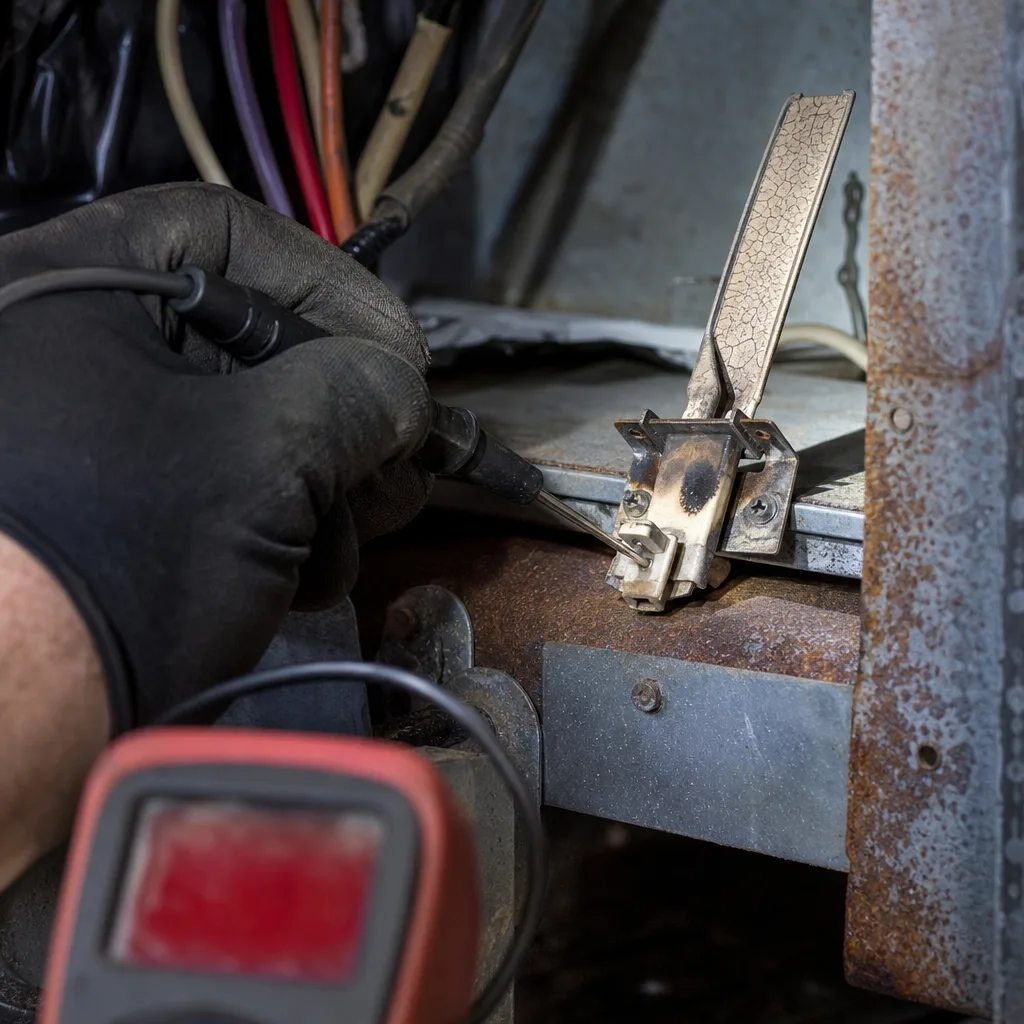
Start with who’s in your home. A drafty evening is one thing for a healthy adult in a sweatshirt. It’s something else when you’ve got a newborn, an older parent, someone who’s sick, or anyone who has trouble staying warm. If someone in your house can’t handle the cold well, treat it as urgent and call today.
Next, look at the weather. Dallas winters are mostly mild, but cold fronts can push through fast and drop the temperature hard in a few hours. A house that feels fine at 4 p.m. can get uncomfortable by midnight if the furnace is down and a front is rolling in. Check the overnight low, not just how it feels right now.
Then think about your pipes. Many Dallas homes are slab-on-grade ranch houses with water lines that run through exterior walls or the attic, and those spots get cold first. During a hard freeze, a house with no heat puts those lines at real risk. A burst pipe on top of a dead furnace turns one problem into two.
- Call for same-day service if someone vulnerable is home and the house is getting cold.
- Call for same-day service if a freeze or a hard cold front is coming tonight.
- Call for same-day service if the indoor temperature keeps dropping and you can’t hold it steady.
- Call for same-day service if you have water lines in the attic or outside walls and temperatures are near freezing.
Now the honest part. Sometimes it can wait. If it’s a mild day, your house is staying comfortable, and everyone at home is doing fine, a regular appointment tomorrow is a perfectly good choice. And if a quick check shows the thermostat batteries died or a breaker tripped, and resetting it brings the heat back and it keeps running, you may not need us at all.
- It can usually wait if the weather is mild and the house is holding a comfortable temperature.
- It can usually wait if the heat is weak but still running and nobody at home is at risk.
- You may not need a call if a simple reset brings the furnace back and it stays on.
One thing is a different kind of emergency entirely. If you smell gas or a carbon monoxide alarm goes off, that’s a safety problem first and a furnace repair second. Deal with the safety issue before anything else.
Last, don’t let the clock make the call for you. A lot of folks sit in a cold house overnight because they’re worried about after-hours rates. With Xtreme Air Services, there’s no extra charge for nights or weekends. If your situation fits the emergency signs above, waiting until Monday won’t save you money. It only means a longer cold night.
Check These Things Before You Call for Emergency Repair
Before you call, take five minutes and check a few simple things. A wrong thermostat setting, a tripped breaker, a dirty filter, or a loose furnace door can each stop your heat cold. You can check all of them without tools. If one of them brings the heat back and it keeps running, you just saved yourself a service call.
- Thermostat: Make sure it’s set to Heat, not Cool or Off, and set a few degrees above the room temperature. If the screen is blank, swap in fresh batteries.
- Breaker: Look in your electrical panel for a breaker marked furnace or HVAC. If it’s tripped, flip it fully off, then back on. A gas furnace still needs power to run its blower, its ignitor, and its control board.
- Furnace switch: Most furnaces have a light-style switch on or near the unit. It’s easy to bump it off by mistake, especially when the unit is tucked in a closet or an attic.
- Filter: Pull the filter and hold it up to a light. If you can’t see through it, replace it. A clogged filter chokes off airflow, and the furnace can overheat and shut itself down to stay safe.
- Furnace door: The front panel presses a safety switch. If the panel is loose or crooked, the furnace won’t start. Press it firmly back into place.
- Condensate drain: High-efficiency furnaces drain water through a small plastic line. If that line clogs, a safety switch can keep the heat from coming on. Look for water pooling near the unit.
A lot of Dallas homes have the furnace up in the attic. Only check it there if you can get up and move around safely. A cold, dark attic in winter is not the place to rush, and the breaker and thermostat checks can be done from inside the house.
Know when to stop. If the breaker trips again right after you reset it, leave it off. That points to an electrical problem, not a setting. Don’t take apart the burner area or keep restarting a furnace that shuts off again within minutes. And if you smell gas or a carbon monoxide alarm sounds, skip this list and handle the safety issue first, as covered above.
If the heat comes on and then quits, or the blower runs but only pushes cold air, the problem is likely inside the furnace. A worn ignitor, a dirty flame sensor, or a failing part on the control board can all do this. Those jobs need a technician with the right tools and parts.
Jot down a few details before you pick up the phone. Each one helps our technician find the problem faster:
- What you noticed: clicking, a glow with no flame, or a blower blowing cold air
- Any blinking light pattern you can see through the small window on the furnace
- When it stopped, and whether it quit all at once or got weaker over time
- Where the furnace sits: an attic, a closet, or the garage
- Roughly how old the furnace is, if you know
Common Reasons Dallas Furnaces Stop Working Without Warning
A furnace that worked fine last night and won’t fire this morning feels like it died all at once. Usually it didn’t. One small part wore out slowly, and the furnace kept running until that part couldn’t do its job anymore. Your furnace starts in steps, and each step has to pass a safety check before the next one begins. If one part fails, the whole furnace stops to protect your home.
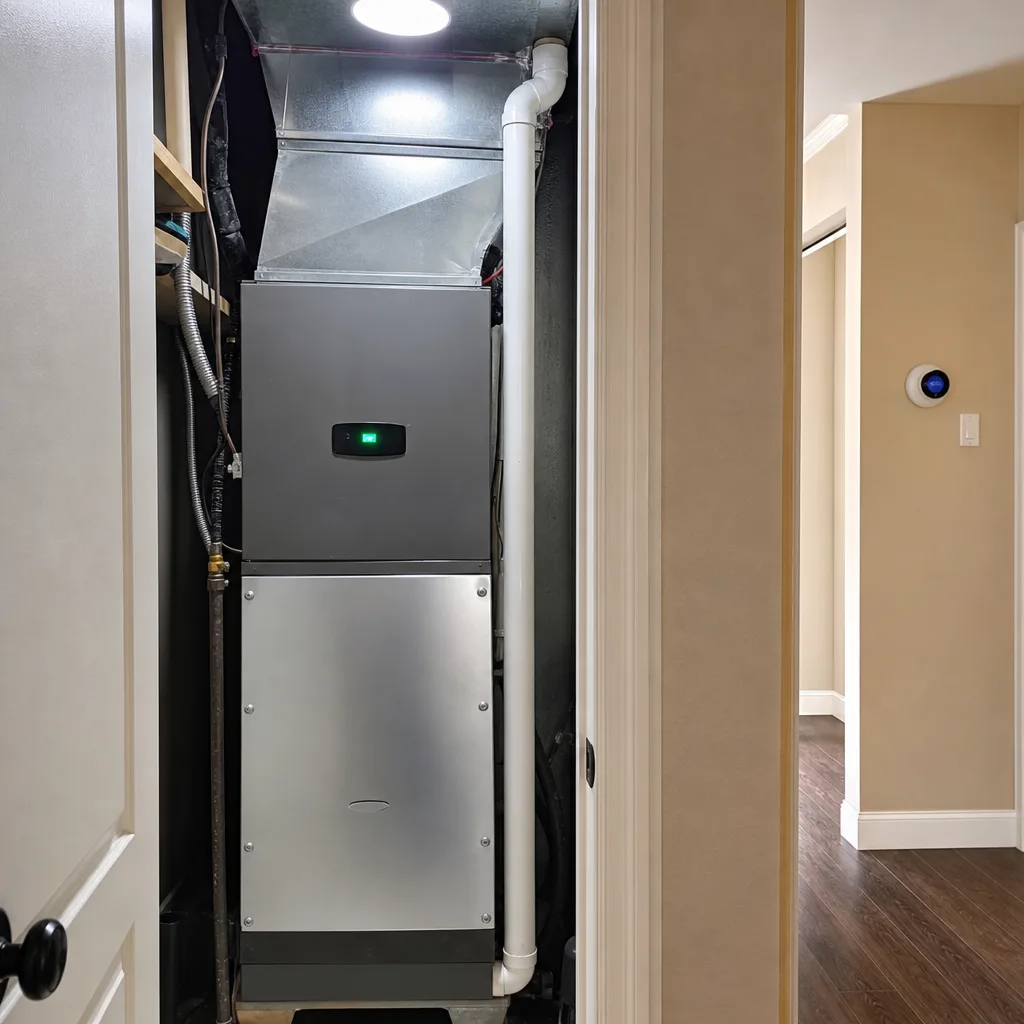
These are the parts a technician checks first when a gas furnace stops making heat:
- Hot surface ignitor: This small part glows red hot to light the gas. It gets brittle over time and can crack. When it fails, you may hear the furnace click and try to start, but you won’t see a flame.
- Flame sensor: This thin metal rod confirms there’s a flame. When it gets coated with grime, it can’t sense the flame, so the furnace lights for a few seconds and then shuts off. A cleaning often fixes it.
- Inducer motor and pressure switch: Before the burners light, a small fan pushes old exhaust out of the furnace. A pressure switch checks that the fan is working. If the motor is weak or the switch sticks, the furnace won’t light at all.
- Limit switch: This switch shuts off the burners if the furnace gets too hot inside. A bad switch can shut the heat down even when nothing is overheating.
- Control board: This is the furnace’s brain. It runs every step in order. Power surges and age can damage it, and the blinking light codes you may have noticed come from this board.
- Blower motor or capacitor: If the burners light but no warm air reaches your rooms, the blower that moves air through your ducts may have failed. A capacitor is a small part that helps the motor start, and it can wear out before the motor does.
North Texas weather is hard on these parts in its own way. A lot of Dallas furnaces sit in attics, where summer heat bakes the wiring, the control board, and the motors for months at a time. Then the first real cold front of the season shows up, and a furnace that’s been sitting all summer is suddenly asked to run hard. A part that got weaker in the heat is often the one that gives out on that first cold night.
Storm season plays a part too. Spring and summer thunderstorms can cause power flickers and surges. A furnace doesn’t need to be running to get hit. The control board is always powered, so a surge in May can quietly damage a board that doesn’t show a problem until you need heat in December.
Here’s the good news. Most of these failures are common, well-known repairs. With Xtreme Air Services, most emergency no-heat calls turn out to be a single common failure, fixed on the first visit. Our licensed and insured technicians find the failed part, repair or replace it, and then run your furnace to make sure it’s heating the way it should before we leave.
Have questions? We’re happy to help.
Call Today, Get Service Today. Xtreme Air Services — Oak Lawn is ready to help.
What Happens During an Emergency Furnace Repair Visit
Here’s how the visit goes. A technician finds the part that stopped your furnace and gives you a flat-rate price. You say yes before any work starts. Then they fix it and run your heat to make sure it’s working before they leave. You won’t watch a clock or wonder what the bill will say.
Here’s how it goes, step by step:
- You call and talk to a real person. Share the notes you jotted down, like clicking sounds, a blinking light, or a blower pushing cold air. Those details help the technician show up ready. Same-day service is available.
- A licensed and insured technician arrives. Every member of our team is background-checked and drug-tested, so you know who’s walking into your home.
- They find what failed. A furnace starts in steps, so the technician works through those steps to see where it stops. That shows which part needs to be fixed or replaced. It also keeps them from swapping parts and hoping one works.
- You get the price before the work. The technician explains what failed in plain English and gives you an upfront flat-rate price. Nothing gets fixed until you approve it.
- They make the repair. Your price includes the diagnosis, the labor, and the standard replacement part.
- They test it and clean up. The technician runs your furnace and watches it heat. Then they clean up the work area before they leave.
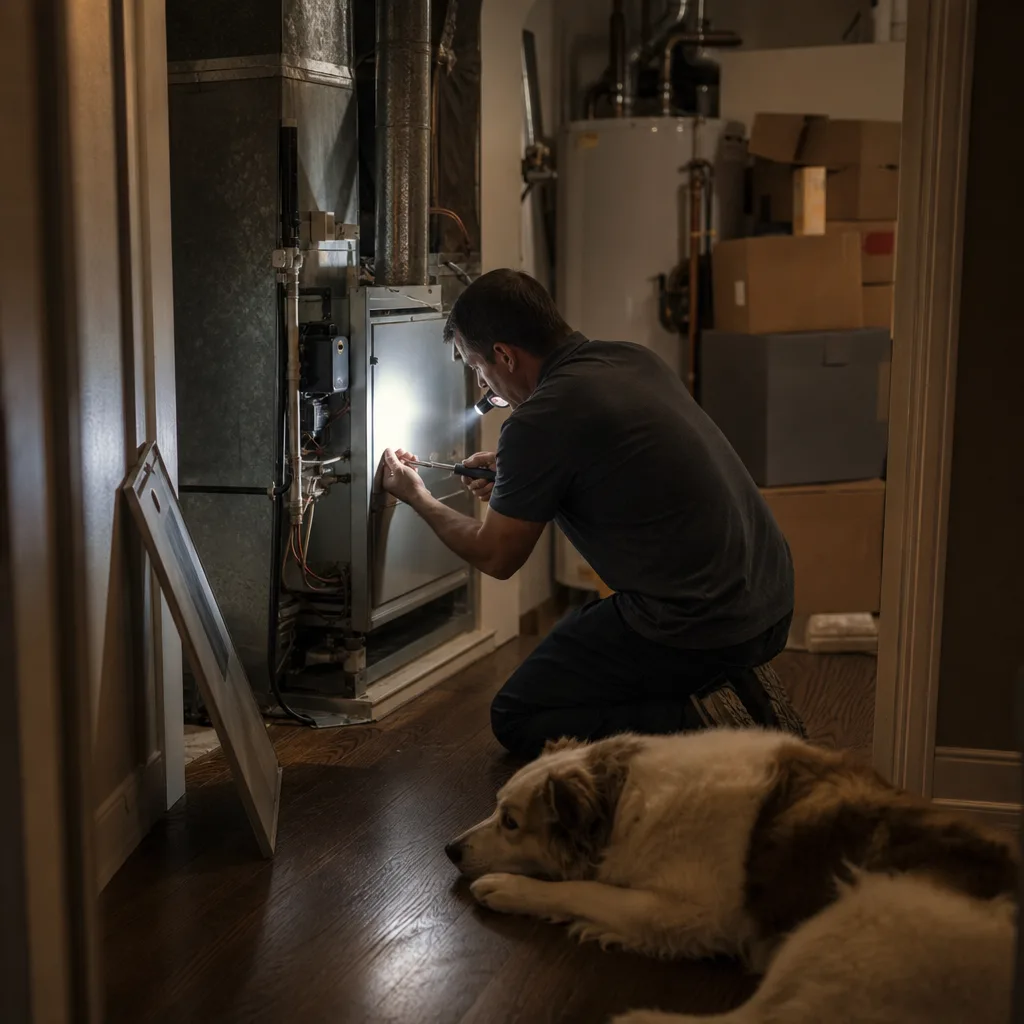
You can make the visit faster. Clear a path to your furnace. If it’s in the attic, move boxes away from the pull-down ladder and turn on any attic light you have. Put pets in another room. Have your thermostat where you can reach it. In a cold house at night, five minutes saved is five minutes sooner you’re warm.
Here’s how the service-call fee works. It’s $26-$99, and it’s credited toward the repair if you go ahead with Xtreme Air Services. So if you choose to have us fix it, that fee goes toward the fix. And there’s no extra charge for nights or weekends, so the price at 11 p.m. on a Saturday is the same as on a Tuesday afternoon.
Sometimes the technician finds more than one failed part, or a major part like the blower motor. When that happens, they’ll tell you what they found and what it costs. Extra parts, major parts, code upgrades, and permits are priced separately, so you’ll see each cost before you agree to it. If it turns out to be a bigger repair or a replacement, financing is available for those jobs.
Either way, you stay in charge. You’ll know what broke, why it broke, and what it costs before anyone picks up a tool. And when the technician leaves, your furnace will have been tested and running, not just turned on and left to see if it holds.
Watch Our Video
See How We Handle Emergency / no-heat furnace repair in Dallas
Xtreme Air Services — Oak Lawn
What a No-Heat Repair Typically Costs
Most emergency no-heat furnace repairs with Xtreme Air Services cost between $200 and $525. That range covers the most common job: we find the one part that failed, repair or replace it, and make sure your furnace runs right. Across all no-heat repairs, the typical range is $200 to $900.
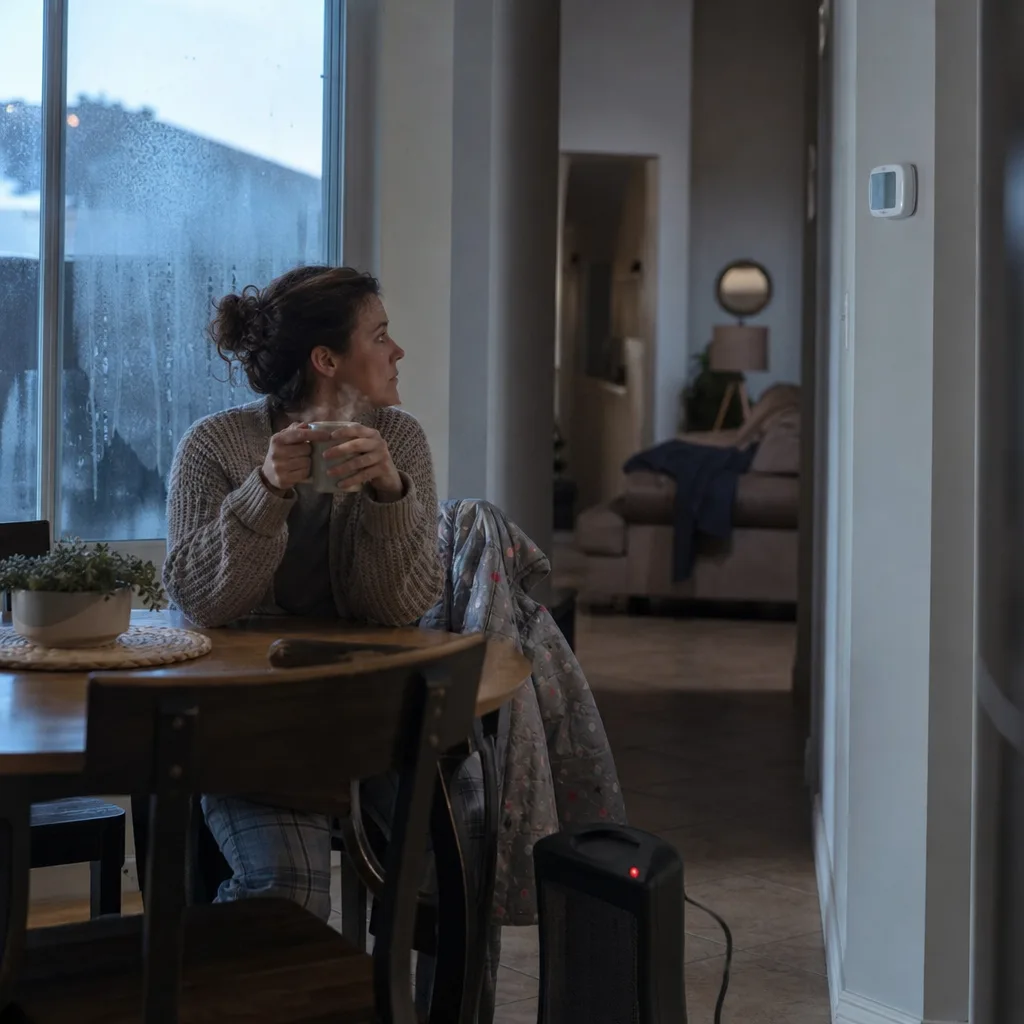
Why the gap? A furnace that won’t heat because of one worn part is a very different job from a furnace with two or three problems at once. Most calls are a single common failure fixed on the first visit, and that’s the kind of job that fits the $200 to $525 range.
These are the things that move your price up or down:
- How bad the failure is. Cleaning a grimy flame sensor is a smaller job than replacing a burned-out control board or blower motor.
- What the part costs and whether it’s easy to get. Some parts are on hand. Others cost more or take longer to find.
- Your furnace’s age and brand. Parts for older or less common units can cost more. That matters in Dallas, where many ranch homes built from the 1950s to the 1990s still have older furnaces.
- Whether more than one part failed. A surge that damages the control board can take out another part along with it, and each one adds to the cost.
- When you call. With a lot of companies, a night or weekend call costs more. With us, it doesn’t. There’s no extra charge for nights or weekends.
That last point matters most on a cold night. Dallas cold fronts don’t wait for business hours. Many no-heat calls come late in the evening or on a weekend, after the temperature drops. Your repair costs the same at midnight on a Sunday as it does on a Wednesday morning, so you never have to decide between staying warm and saving money.
Your price includes the diagnosis, the labor, the standard replacement part, testing, and cleanup. The service-call fee covered earlier counts toward that repair if you go ahead with us. And if the job turns into a major repair or a replacement, you’ll see that price before anything happens, with financing available for those bigger jobs.
Whoever you call, ask these questions before anyone starts work. Good answers tell you you’re being treated fairly:
- Is this a flat price, or are you charging by the hour?
- Does the price include the part, the labor, and testing?
- Do you charge more for nights or weekends?
- Does the trip fee count toward the repair?
- Can you show me the part that failed and tell me why it failed?
If a company can’t give you clear answers, that’s worth noticing. You should know what you’re paying for before you pay it.
Call 469-269-6373
Frequently Asked Questions
Common questions about Emergency / no-heat furnace repair
How do I keep my house warm while I’m waiting for a technician?
Close off unused rooms and gather everyone into one smaller space to hold heat better. Use extra blankets and layers, and let warm water drip slowly from faucets on exterior walls to help keep those pipes from freezing. Keep interior doors open so warm air can move through the house, and avoid using an oven to heat a room since that’s a safety hazard. If you have a safe space heater, keep it away from furniture, curtains, and rugs.
What counts as an emergency HVAC service, exactly?
An emergency HVAC service means a technician responds the same day, outside normal scheduled appointments, for a problem that can’t safely wait. For a no-heat call, that usually means a cold snap, a vulnerable person in the home, or freeze risk to your pipes. It’s different from routine maintenance or a non-urgent repair you’d book a few days out.
Ready to Get Started?
Call (469) 269-6373 Today, Get Service Today.