


Heat Pump Installation in Dallas: What You’re Paying For
Heat pumps set up to handle Dallas summers and cold fronts, with the price drivers and the mechanical permit explained.
What’s Covered on This Page
- Heat Pumps Can Handle Dallas Weather With the Right Setup
- What Drives Your Heat Pump Installation Price Up or Down
- Why a Dallas Mechanical Permit Matters for Your Installation
- How a Heat Pump Installation Happens, Start to Finish
- When a Repair Makes More Sense Than Full Installation
- Is a heat pump really a good idea in Texas?
- Why do some contractors steer customers away from heat pumps?
- Will my electric bill spike on the coldest nights with a heat pump?
Heat Pumps Can Handle Dallas Weather With the Right Setup
Here’s the worry we hear most: “Will a heat pump really work here?” It’s a fair question. Dallas asks a lot of any system, with long, brutal summers and the odd cold front that drops the whole city into a hard freeze. The good news is that the heat pump itself usually isn’t the weak spot. How it’s sized, backed up, and connected to your home makes the difference.
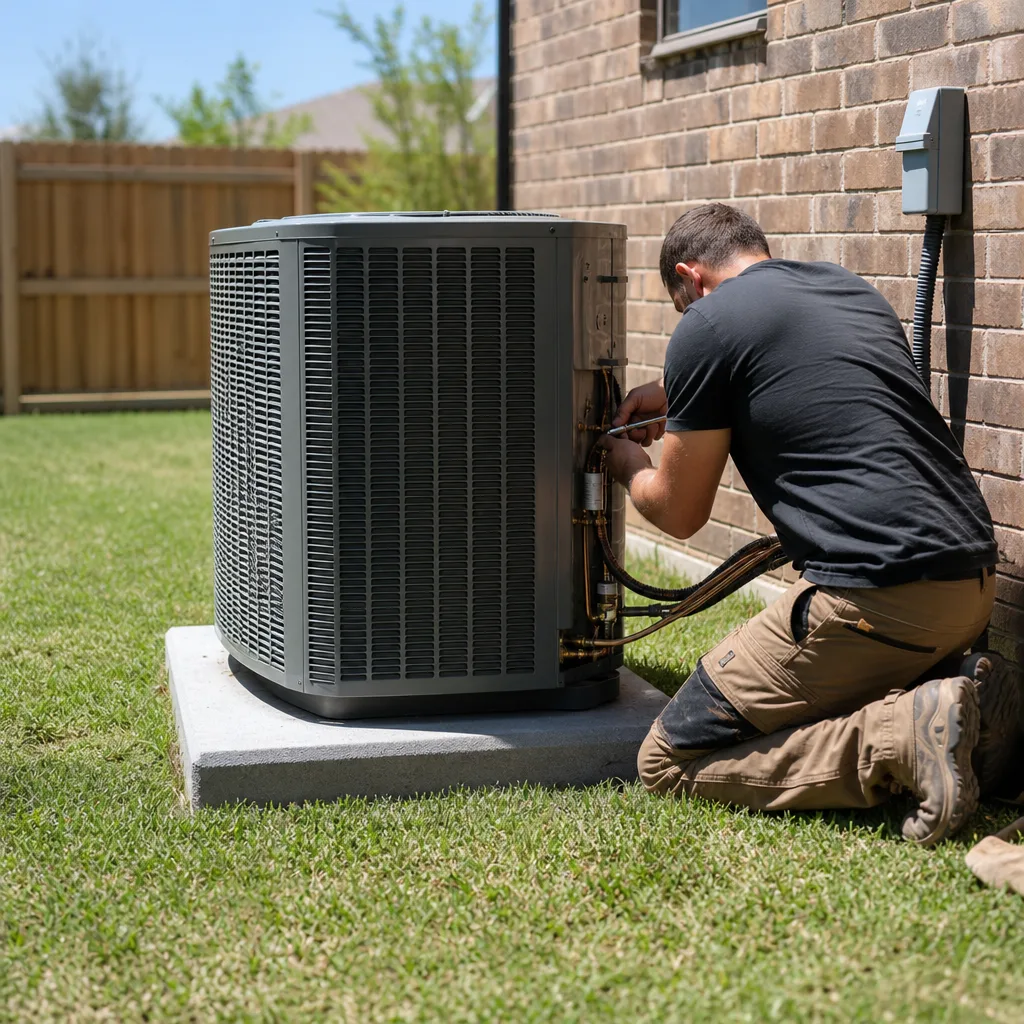
In summer, a heat pump does the exact same job as a central air conditioner. It pulls heat out of your house and dumps it outside. If your cooling has been fine with a standard AC, a properly matched heat pump will cool your home just as well. In winter, it simply runs that process in reverse, moving heat from the outside air into your home. On most Dallas winter days, it does this using far less electricity than heating with electric resistance alone.
The catch is real cold. As the temperature outside drops, a heat pump has less heat to pull from the air, so it has to work harder. That’s why the setup matters so much here. These are the pieces that decide how your system holds up:
- Right size, not a guess. A system that’s too big cools in short bursts and leaves your home feeling sticky. One that’s too small runs nonstop in August and falls behind in a freeze. A cooling load calculation looks at your square footage, insulation, windows, and sun exposure to get it right.
- A backup heat plan. Most heat pumps use electric heat strips in the indoor unit to help out on the coldest nights. Some homes with gas pair the heat pump with a furnace instead, so gas takes over when it’s really cold. Either way, you’re not left shivering when a cold front rolls through.
- Ducts that can carry the air. Lots of Dallas homes, from older slab-on-grade ranch houses to newer subdivisions, run their ductwork through a hot attic. Leaky or undersized ducts waste the comfort you’re paying for, in July and January alike.
- Wiring that’s ready. Backup heat strips draw a lot of power. Your panel and circuits need to handle that safely before the new system goes in.
You’ll also see two ratings on any heat pump. SEER2 tells you how efficiently it cools, and HSPF2 tells you how efficiently it heats. Higher numbers mean lower energy use. For Dallas, cooling efficiency counts the most since summer is long, but a solid heating rating helps keep your winter bills in check too. Variable-speed models can also run low and steady, which helps pull humidity out of the air on muggy days.
As a Trane Comfort Specialist, we can help you match the equipment to your home and your budget, then lay out plainly what your house needs so the system works the way it should through every Dallas season.
What Drives Your Heat Pump Installation Price Up or Down
Here’s the straight answer. Heat pump installation with us typically runs $5,000 to $12,000. Our most common job falls between $6,400 and $9,200. That’s a standard like-for-like swap that uses your existing connections with no major changes to your home. That price covers the equipment and materials, professional installation, startup, and testing.
Where your home lands in that range comes down to a handful of things. None of them are mysteries, and we’ll walk you through each one before any work starts.
- Size and efficiency. A bigger system, measured in tons, costs more than a smaller one. Higher SEER2 and heating ratings cost more up front but can lower your power bills during a long Dallas summer.
- Brand and model. A basic single-stage unit and a variable-speed model are priced very differently, even at the same size.
- Ease of access. A unit that sits in an open closet goes in faster than one tucked into a cramped, low attic. Many older Dallas ranch homes have tight attic space, and those summer attic temperatures slow the work down.
- The condition of what’s already there. If your ductwork, wiring, or drain plumbing needs work to support the new system, that adds to the job. These are the duct and electrical pieces covered above.
- Code upgrades and permits. Some homes need corrections to meet current code before a new system can go in.
- Custom fabrication. Odd spaces or mismatched connections sometimes call for custom-built transition pieces.
Here’s what’s included in a standard install: the equipment and materials, professional installation, standard connections, startup and testing, and haul-away of your old unit. Some items are not included unless your quote says so. These include duct, electrical, or plumbing changes, code corrections, and permits. We tell you that up front because surprise line items are what make people dread replacing a system.
So a home with sound ducts, a panel that already has room, and an easy-to-reach air handler will likely land near the lower end. A home that needs a new circuit for backup heat strips, duct repairs, and code fixes will climb higher. Neither one is a bad deal. They’re just different jobs.
Whoever you call, ask these questions before you sign:
- Did you do a load calculation, or are you matching my old unit’s size?
- Is this a flat price, or can it change once work starts?
- Are permits, code corrections, and electrical work included or extra?
- Is haul-away of my old system part of the price?
With us, you get upfront flat-rate pricing that you approve before we start, so there’s no meter running. If the total feels like a stretch, flexible financing is available on qualifying installations and larger jobs, on approved credit. That way the right system for your home doesn’t have to wait on the wrong budget month.
Why a Dallas Mechanical Permit Matters for Your Installation
A permit can look like paperwork and a fee you’d rather skip. It’s really a second set of eyes on the parts of your install that are hardest for you to check yourself. In Dallas, replacing or adding a heat pump is mechanical work handled through the City of Dallas, and a permitted job ends with an inspection. That inspection happens after the crew packs up but before you forget who did the work.
Earlier we covered why the setup decides how a heat pump holds up here. The inspection checks that setup. An inspector usually looks at things like these:
- The electrical side. Backup heat strips pull a lot of power, so the circuit, breaker, and wire size have to match what the equipment calls for. There also has to be a proper shutoff near the outdoor unit.
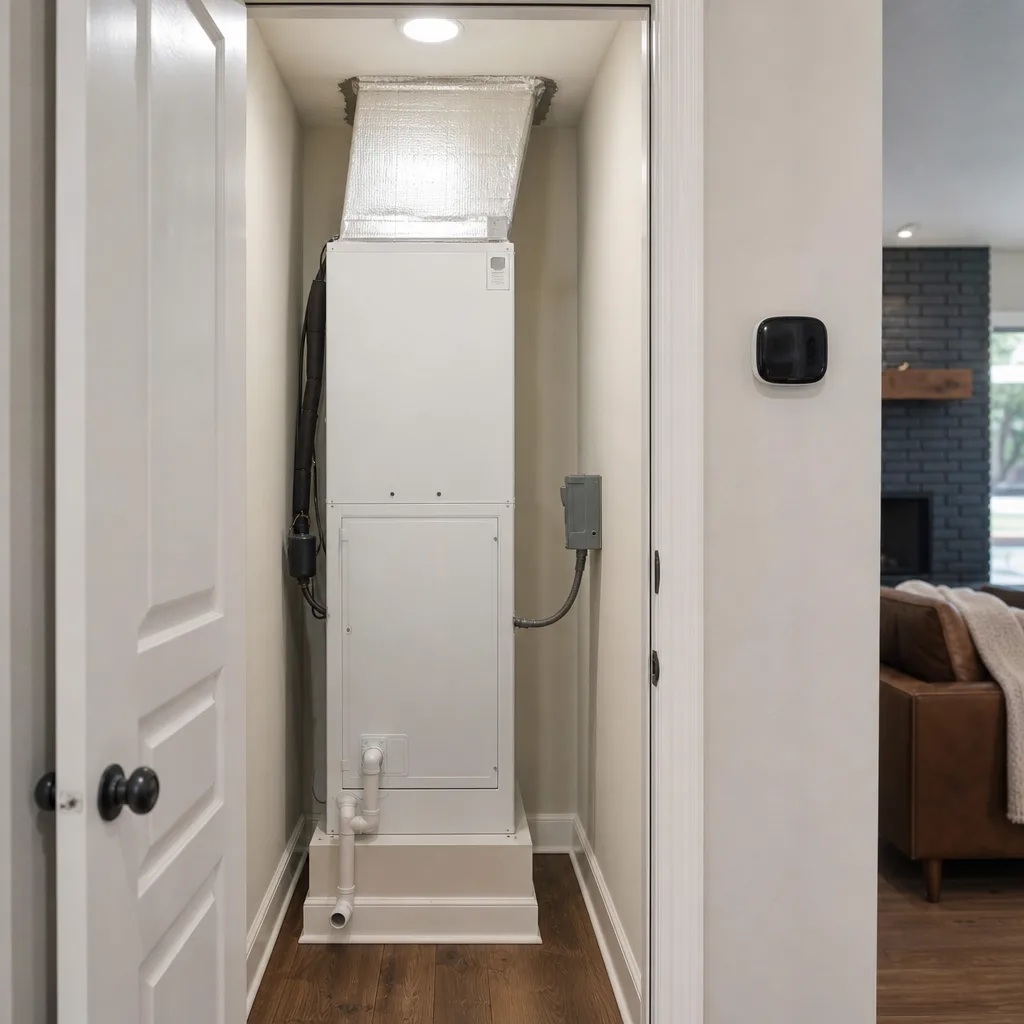
- Condensate drains. A heat pump makes a lot of water on a humid Dallas summer day. If the air handler sits in your attic, a drain that’s routed wrong can end up as a stain on your ceiling.
- The attic install itself. The inspector checks safe access to the unit, enough room to service it, and equipment that’s secured the way it should be.
- The outdoor unit. It needs proper clearance and a stable, level base, which matters on North Texas clay soil that shifts as it dries out and soaks up water.
None of that changes how cold your air feels on day one. It changes what happens in year five, or the day something goes wrong.
There are practical reasons, too. When you sell your home, a buyer’s inspector may ask about the age of the system and whether the work was permitted. Unpermitted mechanical work can turn into a repair request or a sticking point at closing. If you ever file an insurance claim tied to your HVAC system, such as water damage from an attic drain, you’ll want a clean record showing the work was done properly.
Licensing goes hand in hand with the permit. In Texas, HVAC contractors are licensed by the Texas Department of Licensing and Regulation, or TDLR. You can look up any contractor’s license before you hire them. Ours is HVAC License #TACLA29023C, and we’re glad for you to check it.
Remember that permits aren’t part of a standard install price unless your quote says so. That means you should ask about them directly. A few plain questions clear it up fast:
- Will a permit be pulled for this job, and is the cost in my quote or separate?
- Whose license is the permit pulled under?
- Will someone be there for the inspection, and what happens if the inspector flags something?
- Will I get a copy of the final inspection for my records?
If a contractor offers to skip the permit to knock a little off the price, think about what you’re giving up. You lose the one independent check on your wiring, your drains, and your attic install. You also lose the paper trail that protects you later. A heat pump is a big investment. The permit costs a small slice of it, and it helps make sure the system is set up to handle a Dallas summer and the next hard freeze.
Need help with Heat pump installation?
Call Today, Get Service Today. Xtreme Air Services — Oak Lawn is ready to help.
How a Heat Pump Installation Happens, Start to Finish
Knowing the steps ahead of time takes a lot of the stress out of replacing a system. It also helps you spot a rushed job. Here’s what a careful heat pump install looks like, from the first visit to the moment warm or cool air comes out of your vents.
It starts with a look at your home. That includes the load calculation we talked about earlier, plus a check of your ducts, your electrical panel, the attic or closet where the air handler sits, and the condensate drain. That visit is what turns a rough range into a real quote. With us, you’ll get upfront flat-rate pricing, and you approve it before any work starts.
Before install day, a little prep goes a long way:
- Clear a path to the air handler. If it’s in the attic, move anything stored near the attic opening and the walkway.
- Make room around the outdoor unit so the crew can get the old one out and the new one in.
- Plan for pets and kids, since doors may be open and the system will be off for part of the day.
- On a hot Dallas day, close blinds early and run fans so the house holds its cool while the system is down.
Next, the old system comes out. The refrigerant in it has to be recovered with the right equipment, not let out into the air. Then the old outdoor unit and indoor parts are removed. Haul-away of your old unit is included in our standard install, so it doesn’t end up sitting by your curb.
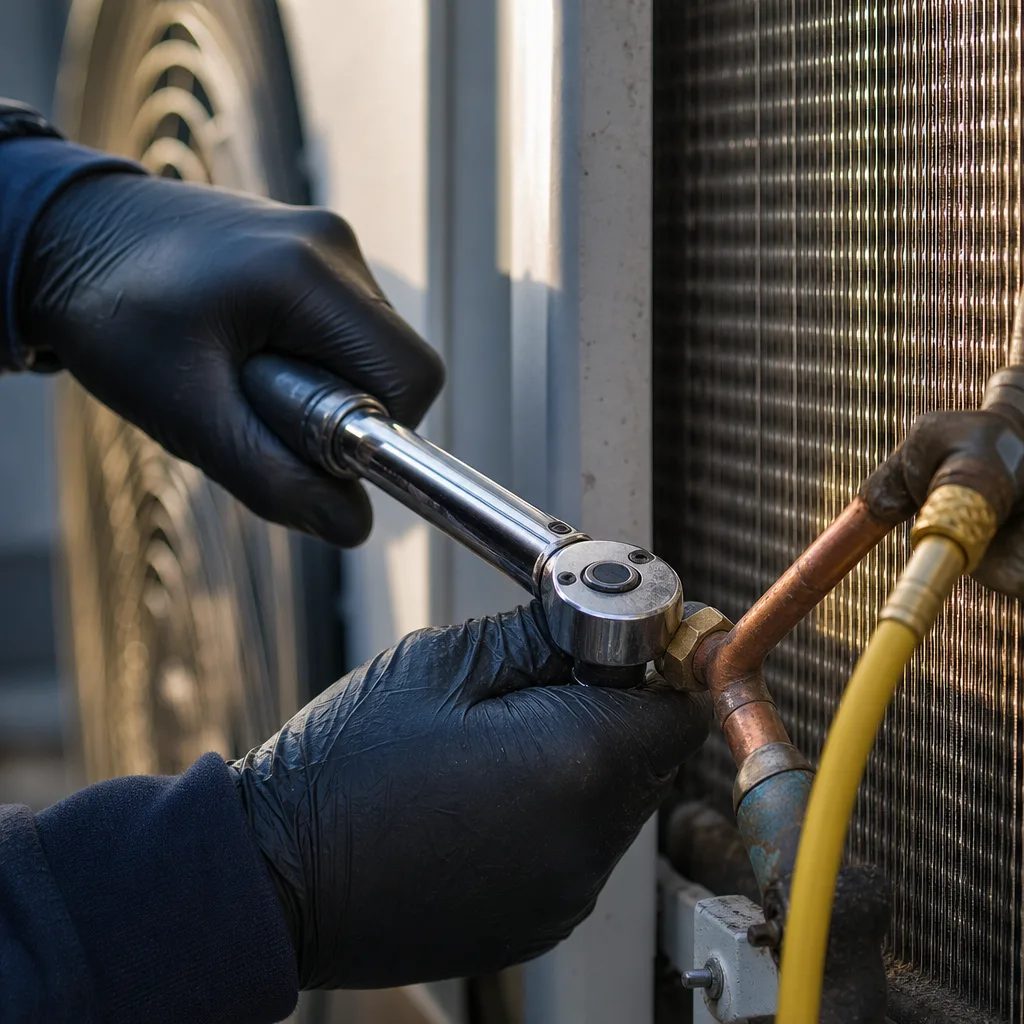
Then the new equipment goes in. The outdoor unit is set level on its pad, which matters on our shifting clay soil. The air handler goes into place in the attic or closet. The copper refrigerant lines get connected, along with the drain line and the electrical hookups. A straightforward like-for-like swap often wraps up in a day. Jobs that need duct or electrical changes can take longer, and you should know that before the crew arrives.
This next step is easy to skip, and it shouldn’t be. Before any refrigerant goes into the new lines, they get pulled into a deep vacuum. That removes air and moisture, which can hurt the system’s performance and shorten its life if they’re left inside. After that, the refrigerant charge is checked against what the equipment calls for.
Startup and testing are part of every standard install we do. A good test runs the system in both cooling and heating modes, checks that the backup heat strips kick on, and confirms that air moves well through your vents. It also makes sure water drains where it should.
Before the crew leaves, you should get a quick walkthrough. Ask where your filter goes and what size it takes, and how to set your thermostat. Also ask what’s normal for a heat pump. In winter, the air from your vents may feel milder than gas heat, even when the house is warming just fine. On cold, damp days, you may see steam rising from the outdoor unit. That’s the defrost cycle doing its job, not a problem. If a permit was pulled, this is a good time to confirm when the inspection is scheduled.
Watch Our Video
See How We Handle Heat pump installation in Dallas
Xtreme Air Services — Oak Lawn
When a Repair Makes More Sense Than Full Installation
Not every heat pump problem means you need a new system. If yours is fairly young and has been reliable, a repair is often the smarter move. We’d rather tell you that now than sell you equipment you don’t need yet.
Before you call anyone, check these. They take five minutes and cost nothing:
- The air filter. A clogged filter can choke airflow so badly that the system can’t keep up. Swap it and give it a few hours.
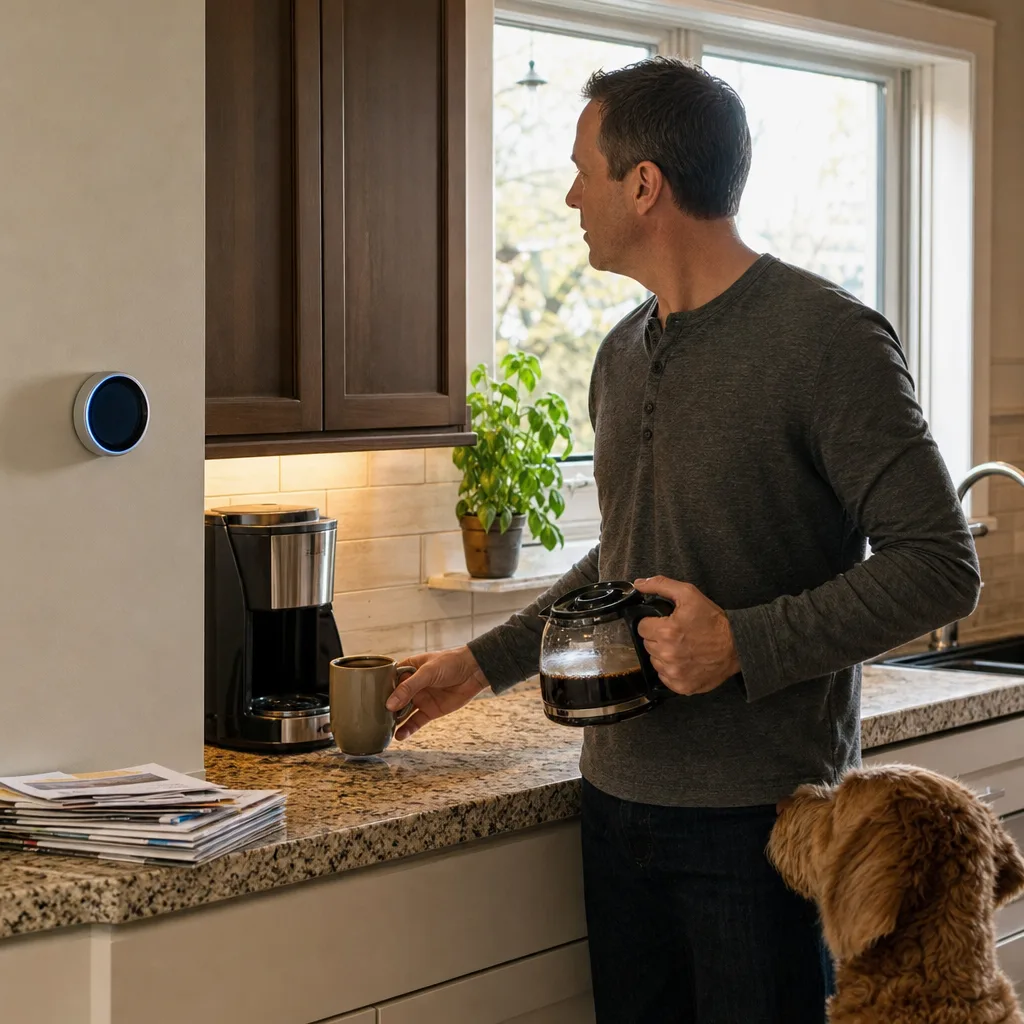
- The thermostat. Make sure it’s set to the right mode and the batteries aren’t dead. If it says “emergency heat” or “aux heat” and you didn’t mean to set that, switch it back.
- The breakers. Look for a tripped breaker in your panel and check the shutoff switch near the outdoor unit. If a breaker trips again right after you reset it, stop and call a pro.
- Frost on a winter morning. A light coat of frost, or steam rising during a defrost cycle, is normal. A thick block of ice that stays there for hours is not.
If none of those fixes it, plenty of real problems are still repair jobs, not replacement jobs. A failed capacitor, a worn contactor, a bad fan motor, a clogged condensate drain, or a faulty defrost control can all stop a heat pump cold. On a system that’s only a few years old, each of these is usually a single-part fix. Replacing the whole system for one of them would be like buying a new truck because the battery died.
You should also wait if your current system is working fine. If you’re only thinking about a heat pump because a neighbor got one, there’s no reason to rip out good equipment in the middle of a Dallas July. Plan the swap for spring or fall, when you aren’t racing the heat and you have time to get quotes and compare.
Replacement starts to make more sense when the math turns against you. These are the signs:
- The compressor has failed on an older system.
- You’re calling for repairs every season, and the bills keep stacking up.
- Your system runs on an older refrigerant that’s no longer being made, so every recharge costs more than it used to.
- Some rooms never feel right, or your power bills keep climbing even after repairs.
A simple way to think about it is to weigh the repair cost against what the old system has left to give. A big repair on a system near the end of its life is often money you’ll spend again next summer. A small repair on a solid system is money well spent.
If you aren’t sure which side of the line you’re on, a diagnostic visit will settle it. Our service-call fee is $26 to $99, and it’s credited toward the repair if you go ahead with Xtreme Air Services. You’ll get a straight answer on whether to repair or replace. You’ll also get upfront flat-rate pricing on either path, so you can decide without anyone pushing you.
Call now
Frequently Asked Questions
Common questions about Heat pump installation
Is a heat pump really a good idea in Texas?
Yes, a heat pump is a smart choice for Texas because it does one job efficiently in summer and reverses that job to heat your home in winter. Dallas summers are long, so the cooling efficiency pays off most of the year. The key is backup heat for hard freezes, so you stay warm when a cold front drops temperatures fast.
Why do some contractors steer customers away from heat pumps?
Some contractors avoid heat pumps because they take more care to size and set up correctly than a standard AC and furnace pairing. They need an accurate load calculation, a backup heat plan for cold snaps, and ducts and wiring ready for the load. A contractor who skips these steps can end up with a system that struggles on the coldest Dallas nights, which gives heat pumps a bad reputation they don’t deserve.
Will my electric bill spike on the coldest nights with a heat pump?
Your electric use can rise on the coldest nights because the backup heat strips draw more power than the heat pump alone. As it gets colder outside, the heat pump has less heat to pull from the air, so it leans on backup heat more. On most Dallas winter days this isn’t an issue, since hard freezes are the exception rather than the rule.
Ready to Get Started?
Call (469) 269-6373 Today, Get Service Today.