


Furnace Replacement in Dallas: Know What You’re Paying For
An honest way to tell if your furnace is worth one more repair, and what a full replacement includes.
What’s Covered on This Page
- Repair or Full Replacement: How to Tell the Difference
- What a Standard Furnace Replacement Includes
- What Drives Furnace Replacement Cost Up or Down
- Questions to Ask Before You Hire Anyone for Furnace Replacement
- What Happens During a Furnace Replacement
- How long does a furnace replacement take in Dallas?
- Do I need a permit to replace a furnace in Dallas?
- Can I stay in my house during a furnace replacement?
- What size furnace do I need for my Dallas home?
Repair or Full Replacement: How to Tell the Difference
Here’s the honest truth. A lot of furnaces that stop working don’t need to be replaced. A furnace is a handful of parts working together, and when one of them quits, the whole system can go cold. Fix that one part, and you may get years more out of it.
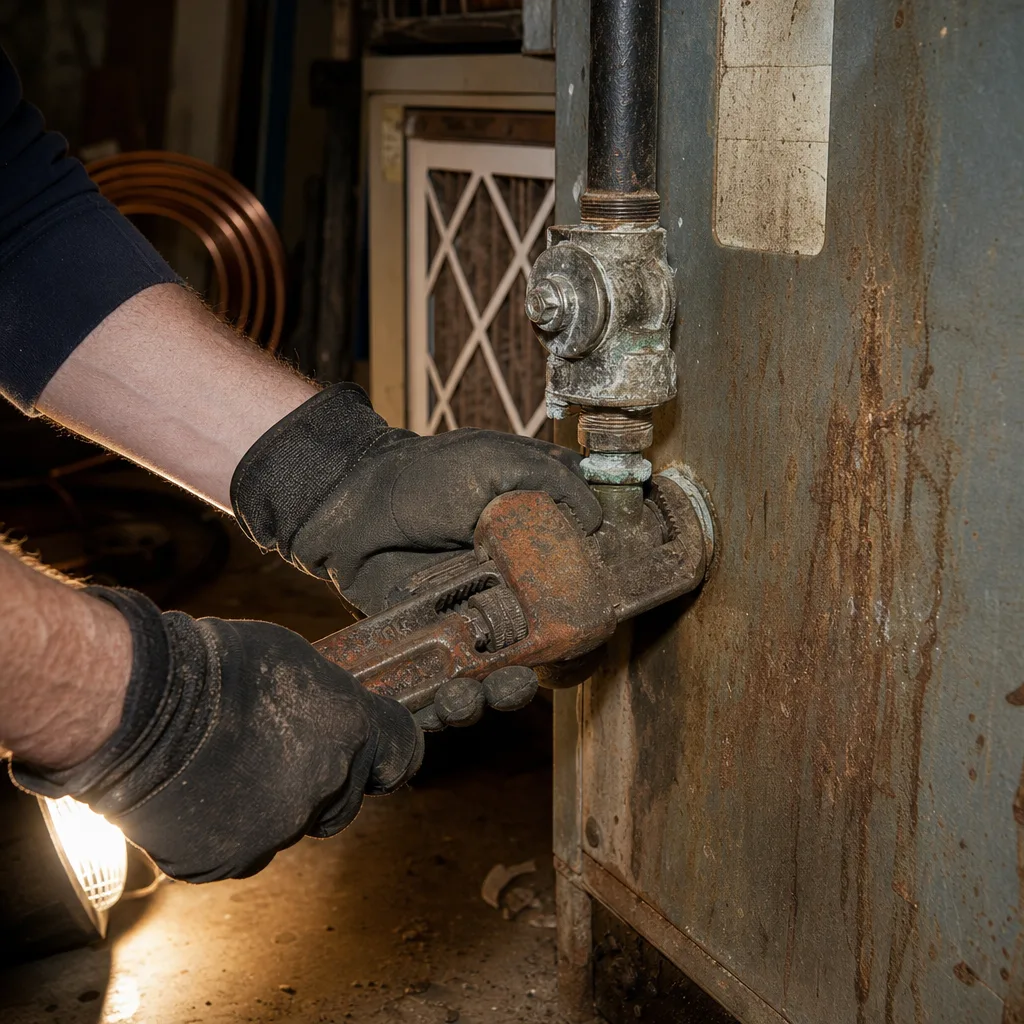
These are common single-part problems that usually call for a repair, not a new furnace:
- The furnace clicks or tries to start but never lights. That’s often a worn-out ignitor.
- It lights for a few seconds and then shuts off. A dirty flame sensor is a frequent cause, and cleaning it is a quick job.
- You hear the burners running, but little or no air comes out of the vents. The blower motor may need repair.
- The system acts erratic or won’t respond to the thermostat. Sometimes the control board is the problem.
If your furnace is otherwise solid, paying for one of these fixes is the right call. We’d rather tell you that than sell you equipment you don’t need.
Replacement starts to make more sense when you see one or more of these:
- A cracked heat exchanger. This is the metal wall that keeps combustion gases away from the air you breathe. Once it cracks, that furnace has usually reached the end of the road.
- You’re calling for repairs every season, and the bills are adding up to a big piece of what a new furnace would cost.
- Some rooms stay cold while others get too warm, even after repairs and new filters.
- Your gas bills keep creeping up in winter while your habits haven’t changed.
- The furnace is old enough that replacement parts are hard to find or slow to arrive.
Dallas adds a twist. Our winters are short, so a furnace here runs fewer hours each year than one up north. That means age alone isn’t a reason to replace a furnace that still works well. But many Dallas homes have their furnace in the attic, where summer heat bakes the wiring, the controls, and the cabinet for months at a time. So an older attic furnace can wear out in ways that have nothing to do with how often you used the heat.
Not sure which side of the line you’re on? That’s normal. A proper diagnosis settles it. Our service-call fee is $26-$99, and it’s credited toward the repair if you go ahead with Xtreme Air Services. You’ll get upfront flat-rate pricing that you approve before any work starts. That way you can weigh a repair against a replacement with real numbers in front of you, not a sales pitch.
If you smell something odd, or you’re worried about combustion gases, ask about carbon monoxide testing while we’re there. It’s a simple way to know your home is safe, whichever way you decide.
What a Standard Furnace Replacement Includes
A standard furnace replacement takes out your old furnace and puts in a new one that hooks up to the connections you already have. It’s a like-for-like swap with no major changes to your home. For that job, most homeowners pay $4,600-$6,300 with Xtreme Air Services. Our typical price range for furnace replacement runs $3,800-$8,000, depending on the equipment and your home.
Here’s what’s included in a standard replacement:
- The new furnace and the materials needed to install it.
- Professional installation by our licensed and insured technicians.
- Standard connections to your existing setup.
- Startup and testing, so you know the new furnace is running right before we leave.
- Haul-away of your old unit, so it’s not left sitting in your garage.
Here’s what’s not included unless your quote says so: changes to your ductwork, electrical, or plumbing, code corrections, and permits. These aren’t hidden fees. They’re simply extra work that some homes need and others don’t. If your home needs any of them, you’ll see it on your upfront flat-rate quote before anything starts.
So why can one furnace replacement cost more than another? These are the things that move the price up or down:
- Size and capacity. The furnace has to match your home. One that’s too big or too small wastes money and leaves rooms uncomfortable.
- Efficiency. A furnace’s AFUE rating tells you how much of the gas it burns turns into heat for your home. A higher number means less wasted fuel, and those furnaces usually cost more up front.
- Brand and model. As a Trane Comfort Specialist, we can walk you through Trane furnace options at different price points.
- Ease of access. A furnace that’s easy to reach takes less time to swap than one tucked into a tight spot.
- Condition of your existing ductwork, wiring, and plumbing. Worn or damaged parts may need work before a new furnace can run safely.
- Code upgrades and permits, when your job needs them.
- Custom fabrication, if the new furnace needs a part or fitting made to fit your space.
Access matters a lot in Dallas. Many homes here have the furnace in the attic. Getting an old unit out and a new one in through a pull-down ladder or a cramped attic opening is a different job than swapping a furnace in a hall closet. It’s a good idea to know where your furnace sits and how easy it is to reach when you’re comparing quotes.
The same goes for older homes. If your house has original ductwork or wiring, there’s a better chance something needs attention during the swap. Newer homes are more likely to fall into that standard like-for-like range.
When you get quotes from any contractor, ask three simple questions. Is haul-away of the old unit included? Are permits included or extra? Does the price cover startup and testing? Clear answers make it much easier to compare quotes fairly.
If the cost is more than you planned for, you have options. We offer flexible financing on qualifying installations and larger jobs, on approved credit. That way a cold house doesn’t have to wait until your budget catches up.
What Drives Furnace Replacement Cost Up or Down
Two choices move your price more than anything else you control: how efficient the new furnace is and how its blower runs. The rest depends on your house. Here’s how those choices play out in a Dallas home, so you can spend money where it helps you.
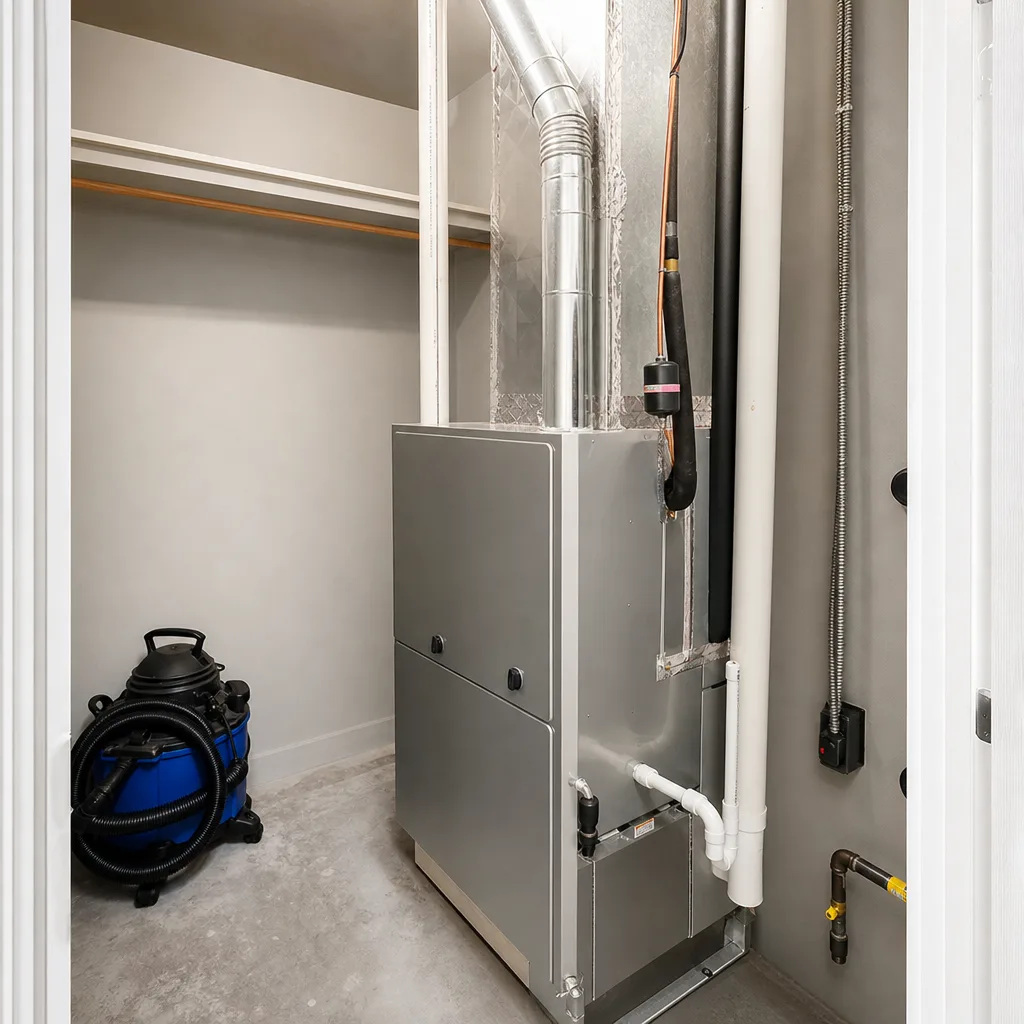
Start with efficiency. Standard furnaces turn about 80 percent of their gas into heat. High-efficiency models reach 90 percent and up. That sounds like an easy pick. But Dallas winters are short, so your furnace burns less gas each year than one in Chicago or Denver. Less gas burned means the savings add up more slowly. A high-efficiency furnace can still be a good fit for your home. It just may take longer to pay for itself here than the brochure suggests.
There’s a second cost hiding in that choice. High-efficiency furnaces make water as they run. They vent through plastic pipe, and they need a drain line to carry that water away. If you’re going from a standard furnace to a high-efficiency one, especially in an attic, you may need new venting and a drain run. That work falls outside a standard like-for-like swap, so it shows up as extra on your quote.
Next is the blower, the fan that pushes air through your vents. In Dallas, that fan works far harder in July than in January, because it also moves your AC’s cool air all summer. You’ll usually see three types:
- Single-stage: runs at full blast or not at all. It costs the least up front.
- Two-stage: has a low setting for mild days and a high setting for cold snaps.
- Variable-speed: adjusts in small steps and often runs slow and steady. That helps even out hot and cold rooms and pulls more sticky humidity out of the air in summer. It costs more, but you feel the benefit all year, not just in winter.
Your air conditioner matters too. The furnace sits right next to your AC’s indoor coil, and the two work as a team. The new furnace has to fit with that coil and with your outdoor unit. If your AC is near the end of its life too, some homeowners choose an AC replacement at the same time so both pieces are new and matched in one visit. If your AC still has good years left, keeping it is a fair choice.
Don’t size the new furnace by reading the old one’s label. If you’ve added insulation, swapped out windows, or finished a room since that furnace went in, your home’s heating needs may have changed. The right size can mean you don’t pay for capacity you’ll never use.
Last, fuel type. Some Dallas homes have electric furnaces. Staying with the same fuel keeps the job simple. Switching from electric to gas means running a gas line, which is a separate job with its own cost.
When you compare quotes, ask for prices on more than one efficiency level and blower type. Seeing the difference in real dollars makes it much easier to pick what fits your home and your budget.
Not sure what your Furnace replacement project needs? Ask us.
Call Today, Get Service Today. Xtreme Air Services — Oak Lawn is ready to help.
Questions to Ask Before You Hire Anyone for Furnace Replacement
A new furnace is a big purchase, and the person who installs it matters as much as the box itself. A good furnace put in the wrong way can run poorly for years. These questions help you tell a careful installer from one who’s just in a hurry. Ask them of every company you call, including us.
- Are you licensed in Texas, and what’s your license number? HVAC contractors in Texas are licensed by the Texas Department of Licensing and Regulation (TDLR), and you can look a number up yourself. A real contractor will give it to you without any fuss. Ours is HVAC License #TACLA29023C.
- Are you insured? A furnace swap means heavy equipment, gas connections, and often a trip through your attic. If something goes wrong, you want the contractor’s insurance covering it, not yours.
- Who will be in my home? Ask whether the crew is screened. Every Xtreme Air Services technician is background-checked and drug-tested, because you deserve to know who’s walking through your house.
- How will you figure out the right size? As we covered above, the old label isn’t the answer. A good installer looks at your home as it is today before picking a furnace.
- Is the price flat-rate and in writing before work starts? A written price you approve up front means no meter running and no guessing when the bill shows up.
- What happens if you find a problem halfway through? Say the crew pulls the old furnace out of your attic and finds a crushed duct or a corroded connection. The right answer is that they stop, show you, and price it before doing anything extra.
- Do you charge more for nights or weekends? Dallas cold fronts don’t wait for business hours. Some companies add a big after-hours fee. We don’t. There’s no extra charge for nights or weekends.
Pay attention to how they answer, not just what they say. If someone dodges the license question, won’t put a price in writing, or pushes you to sign today before they’ve even looked at your attic, that tells you a lot. A contractor you can trust should be glad you asked.
It’s also fair to look at what other homeowners say. Xtreme Air Services holds a 4.8-star reputation across more than 2,900 reviews on Google, Angi, and HomeAdvisor. We’re also a Trane Comfort Specialist and back our work with a 100% satisfaction guarantee. Those are things you can check before you ever let anyone in the door.
When you call us, you’ll talk to a real person. We’ll answer every question on this list, look at your furnace and your setup, and give you upfront flat-rate pricing on the options that fit your home. Then the choice is yours, with no pressure.
Call 469-269-6373
Watch Our Video
See How We Handle Furnace replacement in Dallas
Xtreme Air Services — Oak Lawn
What Happens During a Furnace Replacement
Once you’ve said yes to a new furnace, the day itself is pretty simple from your side. Knowing what’s going on behind the attic door or closet door helps you spot careful work and ask good questions while the crew is still there.
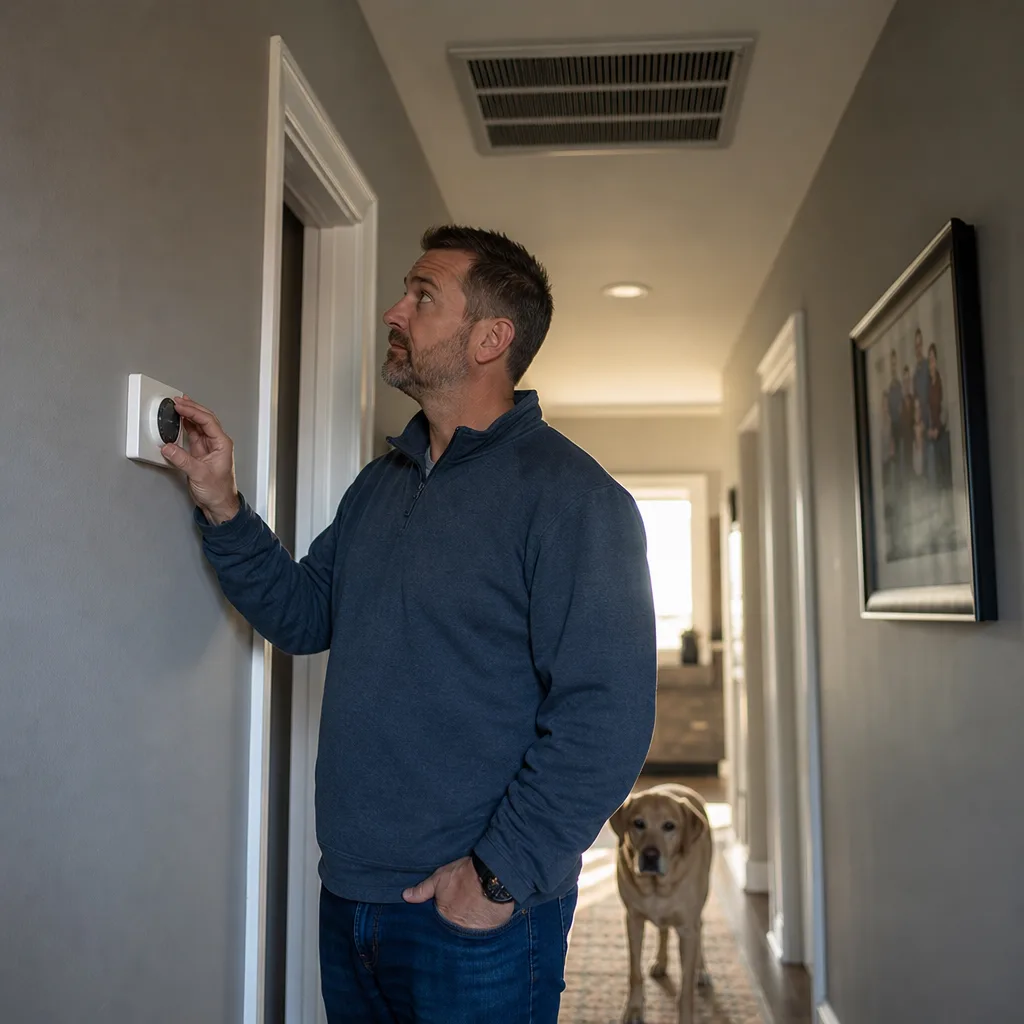
A little prep on your end makes the job go smoother:
- Clear a path from the door to the furnace. That includes the hallway under your attic ladder, if that’s where it sits.
- Move the car out of the garage if the furnace or the attic opening is out there.
- Keep pets in another room. Doors will be open, and heavy equipment will be moving through the house.
- Find the paperwork from your current AC if you have it. The new furnace has to work with that system, and model numbers help.
Here’s the work itself, in plain terms. First, the gas and power to the furnace get shut off. Then the old unit is disconnected from the gas line, the vent pipe, the wiring, and the ductwork. It comes out in one piece or a few, depending on how tight the space is.
Next, the new furnace is set in place and leveled. Then it’s hooked back up to your gas line, venting, power, thermostat wire, and the ductwork that feeds your vents. If it’s a high-efficiency model, it also needs its drain line connected. Every joint in the gas line should be checked for leaks before the burners ever light.
In a Dallas attic, that work often happens in serious heat, even on a mild day. Crews have to be careful with the details. A rushed attic install can leave a sloppy vent connection or a duct joint that leaks air into the attic instead of into your rooms. That’s why the next part matters so much.
Startup and testing is part of our standard furnace replacement. It’s where a new furnace proves it was installed right. Good testing checks things like these:
- The burners light clean and steady, and the safety controls shut things down when they should.
- Exhaust gases leave through the vent the way they’re supposed to, not back into your home.
- Air moves well through the vents in every room, not just the ones closest to the furnace.
- The thermostat starts and stops the furnace on command, through a full heating cycle.
- Your AC still runs right with the new blower. In Dallas, that fan does most of its work in summer.
Before the crew leaves, ask them to show you three things. Ask where the filter goes and what size it takes. Ask how to set your thermostat for the new system. And ask where the gas shutoff is. A good installer won’t mind a few extra minutes at the furnace with you. Your old unit leaves with them as part of the haul-away, so all that’s left is a warm house.
Frequently Asked Questions
Common questions about Furnace replacement
How long does a furnace replacement take in Dallas?
Most standard furnace replacements finish in a single day. A like-for-like swap with easy access goes faster, while an attic unit in a tight space or a job needing new venting can take longer. Your technician can give you a realistic time estimate once they see your setup.
Do I need a permit to replace a furnace in Dallas?
It depends on where your property sits, since permit rules can differ by city. Inside Dallas city limits the City of Dallas handles it, while Highland Park and University Park run their own building departments. A licensed contractor should handle this step for you as part of the job.
Can I stay in my house during a furnace replacement?
Yes, you can stay home during a furnace replacement. The crew will need clear access to the furnace, whether that’s an attic ladder or a hallway closet, and it helps to keep pets in another room while doors are open and equipment is moving through the house.
What size furnace do I need for my Dallas home?
The right size depends on your home today, not the label on your old furnace. If you’ve added insulation, replaced windows, or finished a room since the last furnace went in, your heating needs may have changed. A good installer measures your home before recommending a size, so you don’t pay for capacity you’ll never use.
Ready to Get Started?
Call (469) 269-6373 Today, Get Service Today.