


Make-up Air Systems in Sunnyvale: Balanced Airflow That Passes Inspection
Exhaust load calculated before the unit is picked, so a Sunnyvale kitchen or shop gets tempered or untempered air sized to the building – and airflow balanced enough to pass inspection.
What’s Covered on This Page
- Signs Your Exhaust System Needs Make-up Air
- Tempered vs. Untempered Make-up Air: Matching the System to North Texas Weather
- When a Dedicated Make-up Air Unit Isn’t Required
- What to Expect During a Make-up Air Installation
- Passing Final Inspection with a Tested Interlock
- How fast can you get out to a Sunnyvale property with a make-up air problem?
- What happens when your technician shows up to look at my make-up air system?
- How do I know if my Sunnyvale building needs a make-up air unit?
- Should I get a tempered or untempered make-up air system for my Sunnyvale building?
- Do I really need a dedicated make-up air unit, or can I just clean my exhaust fan?
Signs Your Exhaust System Needs Make-up Air
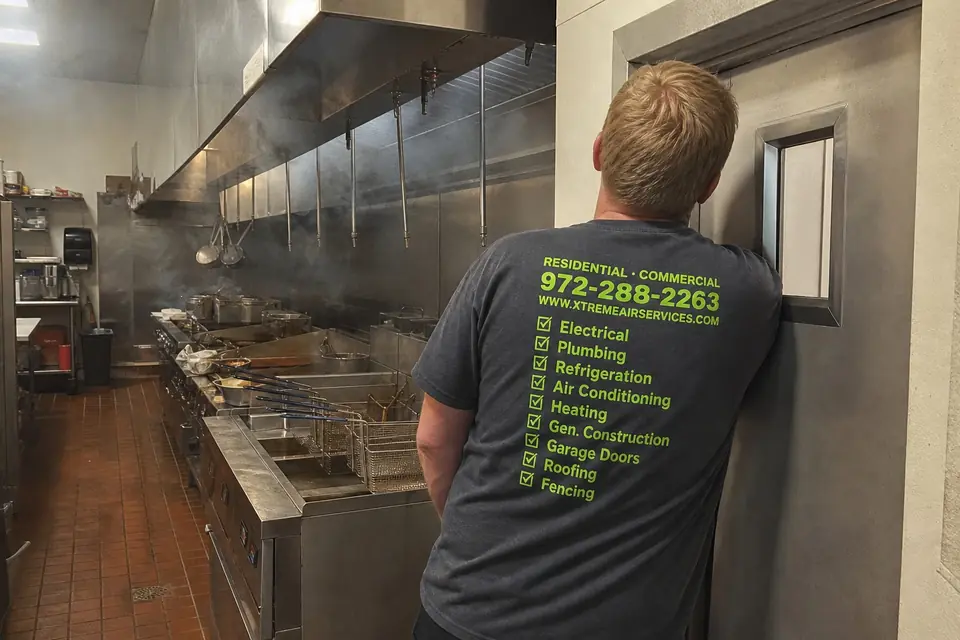
You notice it before you can name it. The back door to the kitchen suddenly takes a shoulder to open. Your exhaust hood used to clear fryer smoke in seconds, but now the smoke lingers. Something’s off: too much air is leaving the building, and not enough is coming back in.
- Exterior doors that slam shut on their own or take real muscle to pull open
- A kitchen exhaust hood that struggles to clear smoke, steam, or grease vapor
- Whistling or hissing around windows and door frames
- Pilot lights on water heaters or furnaces that flicker, or a burner that won’t stay lit
- A faint burnt or gas smell near appliances that vent through the roof
- Rooms that feel stuffy or oddly cold near exhaust fans, even with the HVAC running fine
Any one of these signs on its own might be nothing. Two or three together form a pattern, especially when a kitchen hood or large exhaust fan runs most of the day. Negative pressure does more than make a building uncomfortable. It can pull exhaust gases back down flue pipes that should carry them outside.
That last problem worries us most. Backdrafting isn’t just about comfort. It’s a safety issue, so we don’t treat these symptoms as minor.
Tempered vs. Untempered Make-up Air: Matching the System to North Texas Weather
Untempered make-up air pulls outside air straight into the building. It doesn’t heat or cool the replacement air. That works fine in mild weather, but Sunnyvale doesn’t stay mild for long.
Summer here can mean pulling 100-degree air through a kitchen hood system for months. An untempered unit dumps that heat into your dining room or walk-in cooler‘s mechanical space. Your main HVAC system then fights the added heat all day. We’ve seen restaurant owners chase comfort complaints for weeks before tracing them back to unconditioned make-up air.
Tempered systems heat or cool incoming air before it enters your building. They require more equipment and cost more upfront, but they put less strain on everything downstream. Summer highs and winter cold fronts can both hit North Texas hard. In those conditions, tempered make-up air often earns its keep fast.
Which one is right for your building? It depends on how you use the space and how often the exhaust runs. The rest of your mechanical setup also matters. A commercial kitchen running hoods twelve hours a day has different needs than a warehouse with occasional exhaust fans. We size the system around your usage, not a one-size-fits-all spec sheet.
Not sure which category your building falls into? That’s a normal question. Most owners aren’t expected to know this off the top of their head.
When a Dedicated Make-up Air Unit Isn’t Required
Not every exhaust fan or range hood needs a dedicated make-up air unit. We’ll tell you that directly, even when it means less work for us.
A single restroom exhaust fan moves a small amount of air, and so does a basic range hood in a break room. If the exhaust is modest and the envelope is not tightly sealed, ordinary infiltration through gaps around doors, windows, and penetrations may supply enough replacement air on its own. We see that in older Sunnyvale buildings still on original construction, where the envelope simply leaks enough to keep the space from going negative.
Newer, tightly sealed subdivisions are a different story, but that alone doesn’t mean you need a unit. What matters is the exhaust volume compared with the fresh air your space gets naturally.
- A single bathroom exhaust fan running on a normal switch, not a continuous system
- A standard kitchen range hood pulling a modest, everyday amount of air
- A dryer vent by itself, since dryers don’t usually trigger make-up air requirements on their own
- Older buildings with enough natural infiltration through the envelope to balance the exhaust
- Rooms where the exhaust fan rarely runs, such as a seldom-used guest bathroom
If your setup falls into one of those groups, you likely don’t need us out there for make-up air. The fix may be as simple as cleaning a dirty exhaust fan. It could also mean adjusting the hood’s fan speed or checking for a blocked vent. We’d rather tell you that on the phone than send someone out for nothing.
Have questions? We’re happy to help.
Call Today, Get Service Today. Xtreme Air Services is ready to help.
What to Expect During a Make-up Air Installation
You’ve decided a make-up air unit is the right fix. Here’s what installation day looks like, with no mystery involved.
Our team arrives with your building’s exhaust load already calculated. We complete that math before touching a tool, so the work follows a clear plan instead of guesswork.
- Confirm where the new unit connects to your existing ductwork or roof curbs.
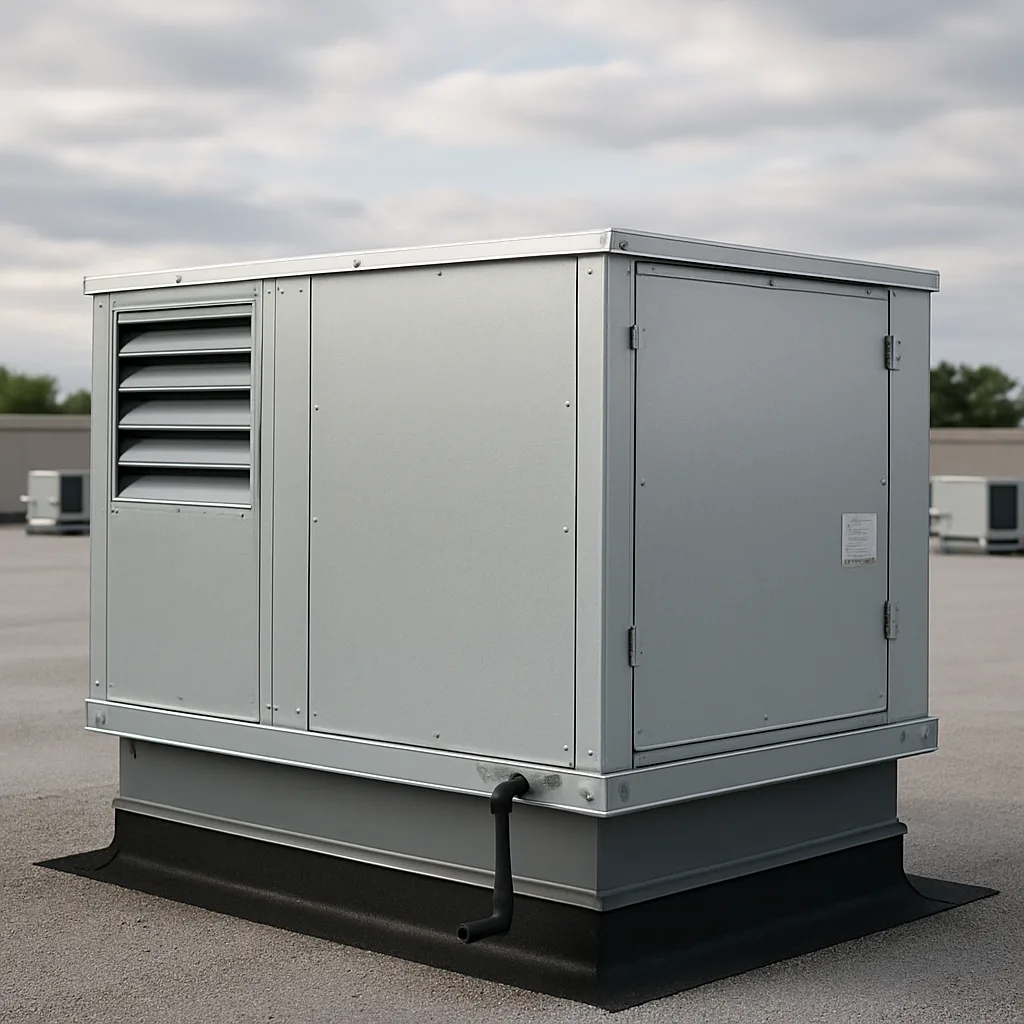
- Set and secure the unit on the roof or wall, based on your building.
- Connect the ductwork and wire the unit to interlock with your exhaust hood or fan.
- Start the system and test the balance between exhaust and incoming air.
- Check gas venting and combustion safety if the unit is gas-fired.
- Walk you through the controls before we leave.
The balance test in step four matters more than many people realize. We’ve entered Sunnyvale kitchens where the exhaust hood ran full blast. Staff had to prop open the back door just to breathe. A properly balanced make-up air system fixes that problem without anyone touching a door.
Startup and testing aren’t a formality; they’re the point of the job. We check the temperature rise and confirm the unit starts with the exhaust fan. We also make sure your space stays properly pressurized instead of fighting itself.
Most installations wrap up in one visit. Our licensed and insured technicians haul away old equipment when there is any. We also explain what we did, so you aren’t left guessing about changes to your building.
Passing Final Inspection with a Tested Interlock
Some contractors rush this part. Installing the make-up air unit isn’t enough. It also has to work with the exhaust system connected to it.
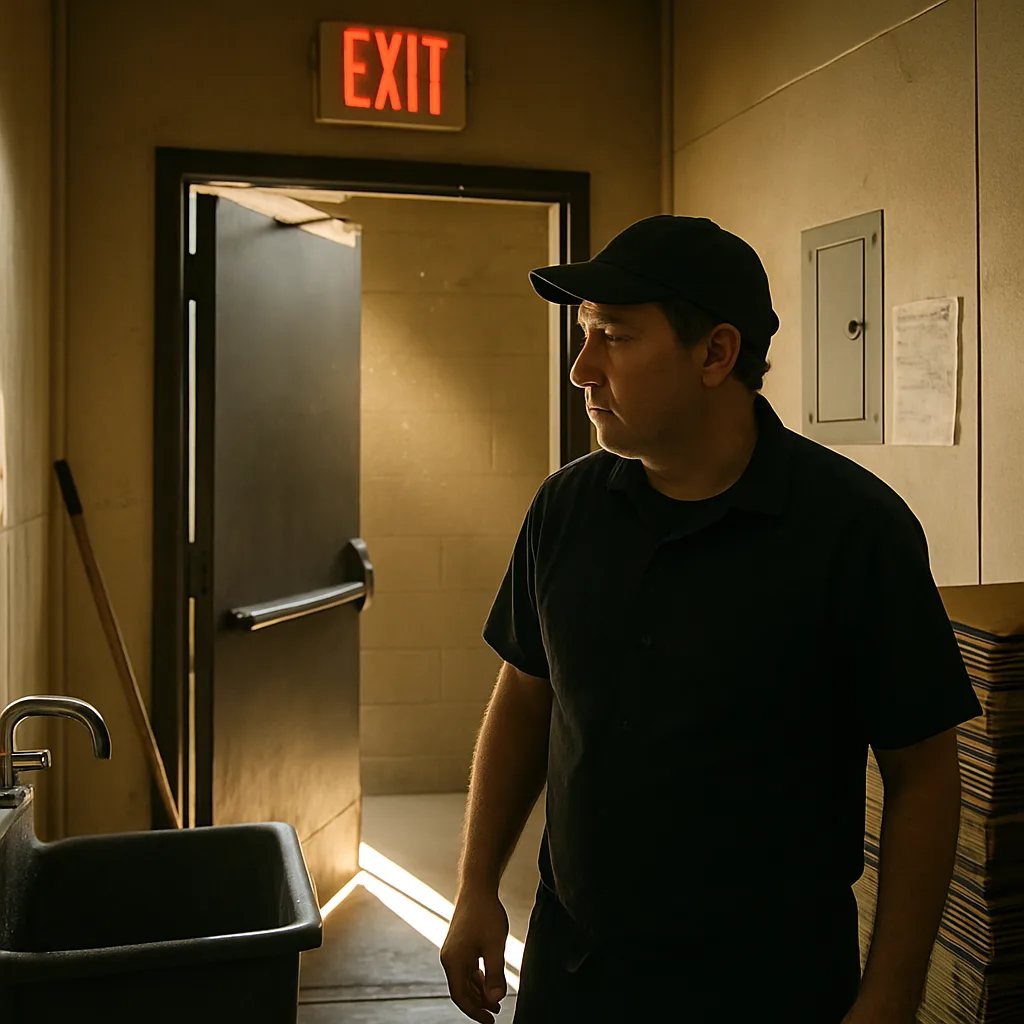
That proof comes down to the interlock. Many commercial kitchens, walk-in coolers, and exhaust-heavy spaces in Sunnyvale use fans that pull air out fast. The make-up air unit must start automatically when that exhaust turns on. Without the interlock, you don’t have balanced airflow. That’s one of the first things an inspector checks.
- Confirm the exhaust fan and make-up air unit are electrically interlocked, not merely installed side by side
- Run the exhaust system and watch the make-up air unit respond within seconds
- Check airflow with a balancing tool so the space isn’t starved for air or overpressurized
- Verify that dampers open fully and close tightly when the system shuts off
- Inspect the ductwork for leaks or restrictions that could throw off the readings
We test the interlock before calling the job done, not after the inspector arrives. That prevents a scramble, rescheduling, or another day with your kitchen shut down.
A failed interlock test often traces back to rushed wiring. It can also come from pairing the exhaust with an incorrectly sized unit. We see both problems more often than you might expect.
Once the interlock passes and the airflow readings hold steady, your system stops fighting the building and your energy bill. That’s the point of installing it correctly.
Frequently Asked Questions
Common questions about Make-up air systems
How fast can you get out to a Sunnyvale property with a make-up air problem?
We schedule most make-up air visits within a few days of your call, sooner if you’re dealing with backdrafting or gas smell near an appliance. Before we arrive, we calculate your building’s exhaust load so the visit follows a plan instead of guesswork. If your kitchen hood is fighting the back door or a pilot light keeps flickering, tell us that when you call. Those details help us prioritize the visit and bring the right equipment the first time.
What happens when your technician shows up to look at my make-up air system?
Your technician arrives with your exhaust load already calculated, then checks how the new or existing unit connects to your ductwork or roof curbs. From there, they set the unit, wire it to interlock with your exhaust hood or fan, and run a balance test between exhaust and incoming air. If the unit is gas-fired, they also check venting and combustion safety. Before leaving, they walk you through the controls so you know how the system runs day to day.
How do I know if my Sunnyvale building needs a make-up air unit?
You likely need one if your exhaust hood or fan runs most of the day and doors, whistling windows, or flickering pilots show up alongside it. Older Sunnyvale buildings often leak enough through the envelope to balance a modest restroom fan or a small range hood. Newer, tightly sealed construction is more likely to trip into negative pressure. We compare your exhaust volume against how much fresh air your space naturally gets before recommending a unit.
Should I get a tempered or untempered make-up air system for my Sunnyvale building?
It depends on how long your exhaust runs and how hard our summers hit your building. Untempered units bring in outside air without heating or cooling it, which is fine for occasional use but can dump hot air into a dining room or cooler space during a long Sunnyvale summer. Tempered systems condition the air first, costing more upfront but easing the load on your main HVAC system. We size the choice around your actual usage, not a generic spec sheet.
Do I really need a dedicated make-up air unit, or can I just clean my exhaust fan?
Sometimes cleaning the fan or adjusting hood speed is all you need, and we’ll tell you that on the phone before booking a visit. A single restroom fan on a standard switch, or a modest range hood, often does not need dedicated make-up air, especially in an older building that already leaks. Dryers alone rarely trigger the need either. If your exhaust runs heavy most of the day, that’s when a dedicated unit starts making real sense.
Ready to Get Started?
Call 972-288-2263 Today, Get Service Today.