


Piping Installation in Sunnyvale: Mechanical Piping Done Right the First Time
Boiler loops, refrigerant lines and process piping installed and pressure-tested before startup – scoped as a mechanical system rather than patched as a leak.
What’s Covered on This Page
- Recognizing When Your Mechanical System Needs New Piping
- Piping Installation Is Not the Same as Whole-Building Repiping
- How Licensed Mechanical Piping Installation Works, Step by Step
- Skip the Call: When a Simple Repair Beats New Piping
- Piping Installation for Sunnyvale’s Mechanical Rooms and Aging Slab Foundations
- How fast can you get to my Sunnyvale property for a piping issue?
- What happens when your team arrives to start a piping installation?
- Why do so many Sunnyvale buildings run into piping problems?
- How do I know if I need piping installation or a full repipe?
- Do you test the piping before you consider the job finished?
- What permits are needed for piping installation on my property?
Recognizing When Your Mechanical System Needs New Piping
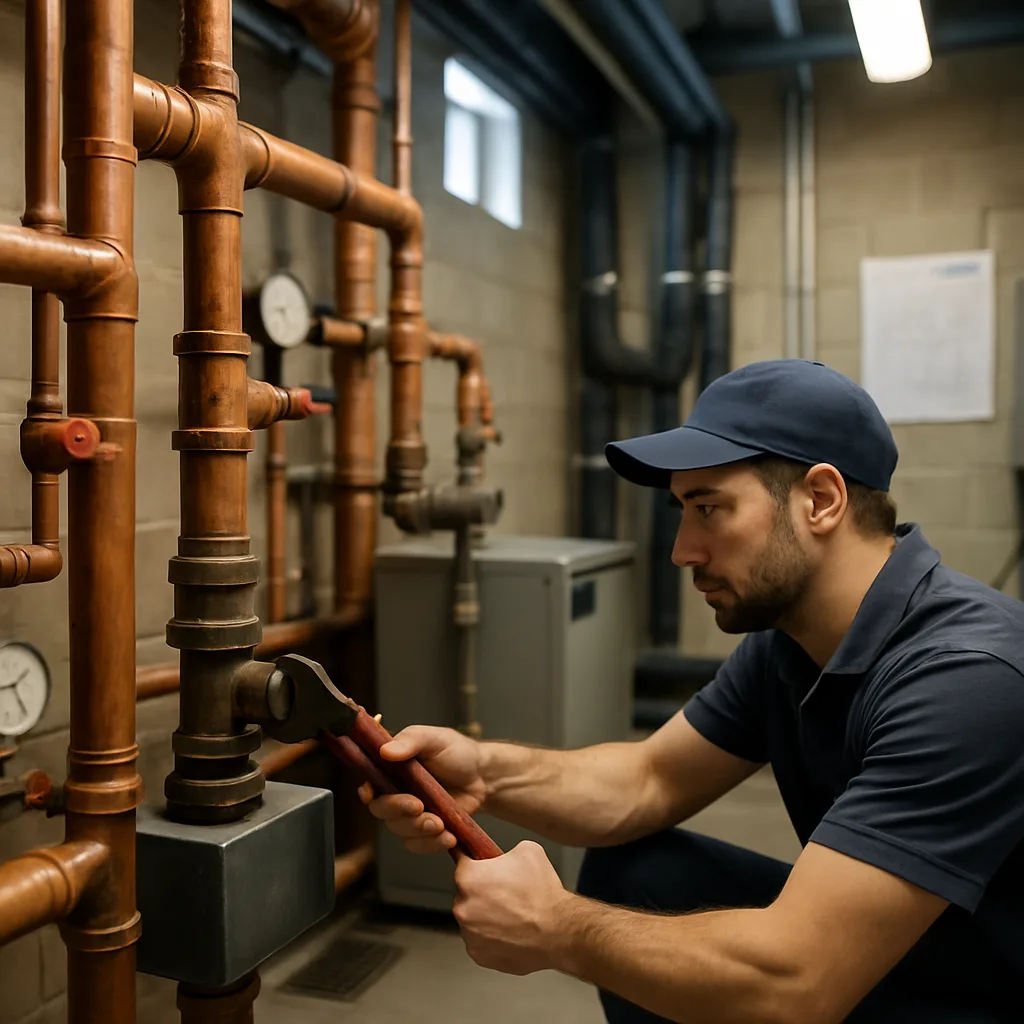
Mechanical piping serves a different purpose than domestic water lines, and it fails differently. A failed boiler or chiller line may cause inconsistent temperatures across a building. You may also notice unexplained gauge drops or visible corrosion at pipe joints near the mechanical room. Many Sunnyvale office parks and manufacturing facilities were built decades ago. Their original steel piping may have reached the end of its service life and may no longer support current heating or cooling loads.
New equipment tie-ins are another common trigger. A Sunnyvale business may upgrade a rooftop unit, add a chiller, or install a new water heater bank. In those cases, the existing piping may have the wrong diameter, material, or configuration for a safe connection. Forcing an incompatible tie-in creates stress points that lead to early failure. A full piping assessment before installation can prevent repeat service calls.
- Hydronic system installations where old iron piping restricts flow and reduces heating efficiency across multiple zones
- Refrigerant piping for a new HVAC unit that needs properly sized, brazed copper lines instead of reused sections from a decommissioned system
- Commercial kitchen process piping carrying grease, steam, or wastewater that has degraded faster than expected from constant temperature changes
- Persistent pressure loss in a chiller loop despite repeated patch repairs at the same location
- Visible pitting, rust weeping, or insulation staining along exposed mechanical room piping runs
The common thread is that patching one section rarely solves the underlying problem. A correct diagnosis separates a localized fitting failure from a system-wide piping issue. That distinction determines whether your facility faces a two-hour repair or a multiday replacement. Mechanical piping work is scoped differently from a domestic water repipe. Boiler loops, refrigerant lines, and kitchen process piping have their own materials, ratings, and code requirements. The assessment must focus on system performance, not just stopping a leak.
Piping Installation Is Not the Same as Whole-Building Repiping
Here’s where many people get confused, and we don’t blame them. Piping installation is a specific, targeted job. Examples include refrigerant line sets for a ductless mini split and gas piping feeding a new boiler. It could also mean a hydronic loop for radiant floor heat. You are adding or replacing pipe for one system, not touching the rest of the building.
Whole-building repiping is a different job entirely. Every supply line in the property gets replaced, usually because old galvanized pipe is rusting from the inside or the building has a history of slab leaks. It’s a larger, more invasive project, and it’s not what we’re discussing on this page.
How do you know which one you need? Ask yourself what’s failing. One leaking system or a piping run needed for new equipment points to installation. Multiple leaks appearing over several months may point toward repiping. The same applies to low pressure throughout the building or water with a metallic taste.
- New equipment going in, such as a boiler, mini split, or commercial unit, that needs a dedicated piping run
- A single section of pipe that failed or needs rerouting for a remodel
- Refrigerant or gas lines specific to one piece of mechanical equipment
- Repeated leaks across different rooms or fixtures, which usually mean the whole system is aging out
Our licensed and insured team sees both situations often. We’ll tell you directly which one you’re dealing with before any work starts.
How Licensed Mechanical Piping Installation Works, Step by Step
Piping installation isn’t just cutting pipe and gluing joints. Poor work can leave a leak behind a wall for months. We follow the same sequence on each job. That applies to a copper line for a new condenser and gas piping for a furnace replacement.
- Assess the existing setup. We check the pipe material, size, condition, and connections to your equipment.
- Confirm the plan and pull any required permit before touching a fitting.
- Shut down and isolate the system so nothing is under pressure while we work.
- Cut, fit, and run the new piping with the proper supports and clearances.
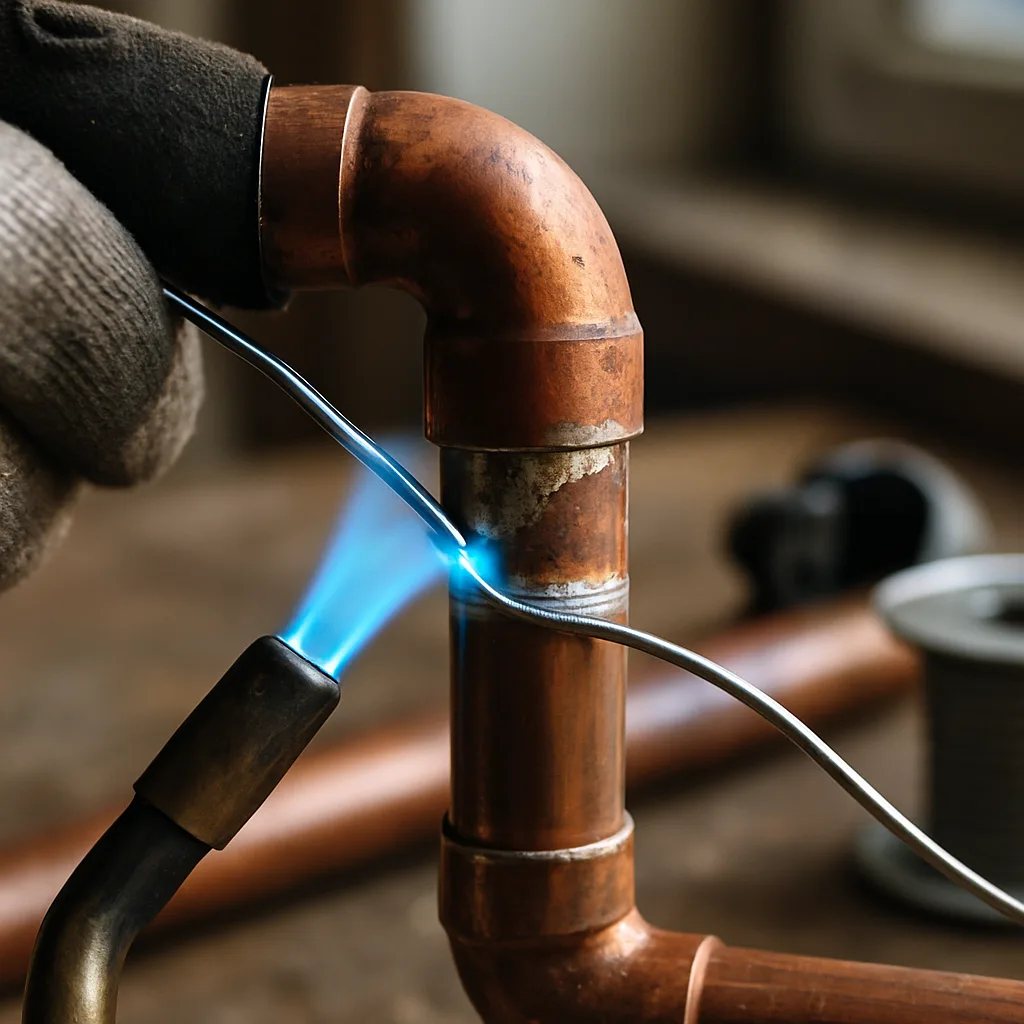
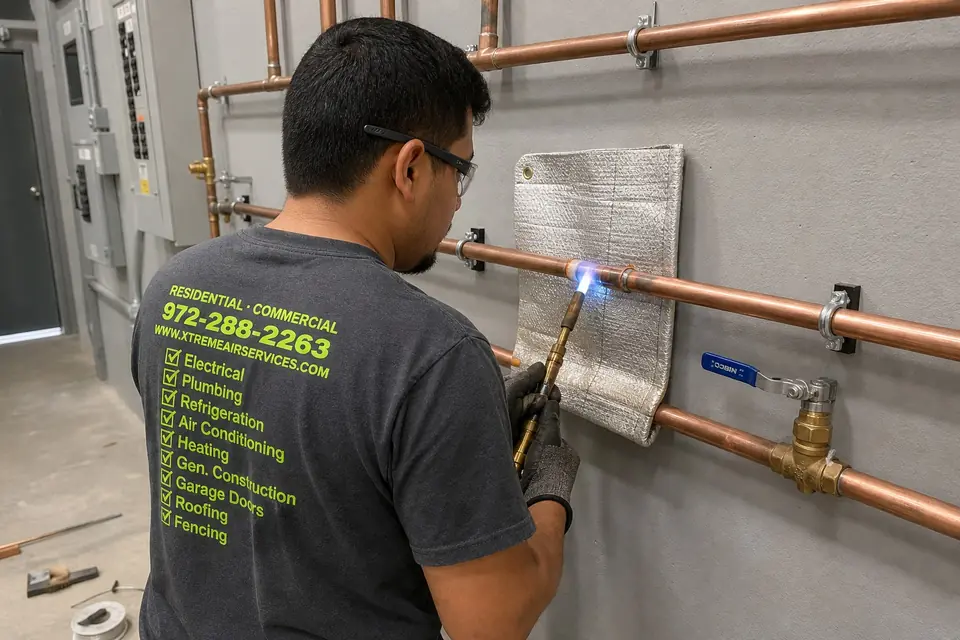
- Join and seal each connection by soldering, threading, or welding based on the material and code.
- Test the entire run. This step is not optional because a line that looks fine can still fail under load.
- Start the system, check each joint for leaks, and confirm that everything runs as it should.
That test matters in Sunnyvale because most buildings sit on slab foundations. A bad joint under the floor may not be obvious. It can quietly increase your water or gas bill until the problem gets worse.
We’re licensed and insured, and we don’t skip steps to save time. Callbacks on other piping jobs often trace back to a skipped test or a joint rushed under a deadline. We test and verify the work before cleaning up. Then we haul away the old material and call the job done.
Thinking about Piping installation? Let’s talk.
Call Today, Get Service Today. Xtreme Air Services is ready to help.
Skip the Call: When a Simple Repair Beats New Piping
Not every plumbing problem in your Sunnyvale building signals a piping failure. Before assuming you need full piping installation, learn whether the problem is isolated or points to a deeper system issue. Jumping straight to repiping for one clogged drain or a running toilet wastes money. It also delays the simple repair you need.
A single slow or clogged drain is almost always a localized blockage. Hair, grease, soap scum, or mineral buildup may be responsible. Original galvanized lines in older buildings also trap debris. A plunger, drain snake, or basic drain cleaning usually resolves the problem in under an hour. A toilet that runs intermittently often has a worn flapper, misaligned float, or fill valve that needs adjustment. It does not usually mean your supply lines are failing.
- One slow drain in a single fixture: try a plunger or drain snake before calling anyone
- Running or noisy toilet: check the flapper, float, and fill valve first
- Minor faucet drip: often a washer or cartridge replacement, not a piping issue
- Low water pressure at one fixture: could be a clogged aerator, not a pipe problem
We draw a hard line at gas lines, refrigerant piping, and connections to mechanical equipment. This includes water heaters, furnaces, and HVAC condensers. These systems carry safety risks such as gas leaks, carbon monoxide exposure, and refrigerant hazards. The work requires specialized tools, code knowledge, and a licensed professional. Sunnyvale requires permits for gas and mechanical work because errors can have serious consequences.
Most single-fixture issues deserve a quick DIY check or a modest repair call. Multiple affected fixtures, recurring leaks across the building, or hazardous systems deserve a professional inspection. That inspection can determine whether piping installation is warranted. We would rather tell you to grab a plunger than sell you a repiping job you do not need.
Piping Installation for Sunnyvale’s Mechanical Rooms and Aging Slab Foundations
Sunnyvale sits on the same shifting ground that troubles much of Dallas County. USDA NRCS and Texas A&M AgriLife studies document the area’s clay-heavy soils. These soils expand when saturated and contract during dry spells. That repeated movement puts pressure on slab foundations, and piping beneath the slab moves with them. Over ten or twenty years, this slow flexing can crack rigid joints and stress fittings. It may eventually cause slab leaks that are expensive to locate and repair.
Because of this movement, piping installation in Sunnyvale properties is rarely a simple replacement of old pipe. Installers must plan for future soil movement, not just current conditions. That may mean using flexible connection points near slab penetrations and avoiding rigid runs across known foundation stress zones. When practical, new piping can run through walls or attics instead of requiring another trench through concrete.
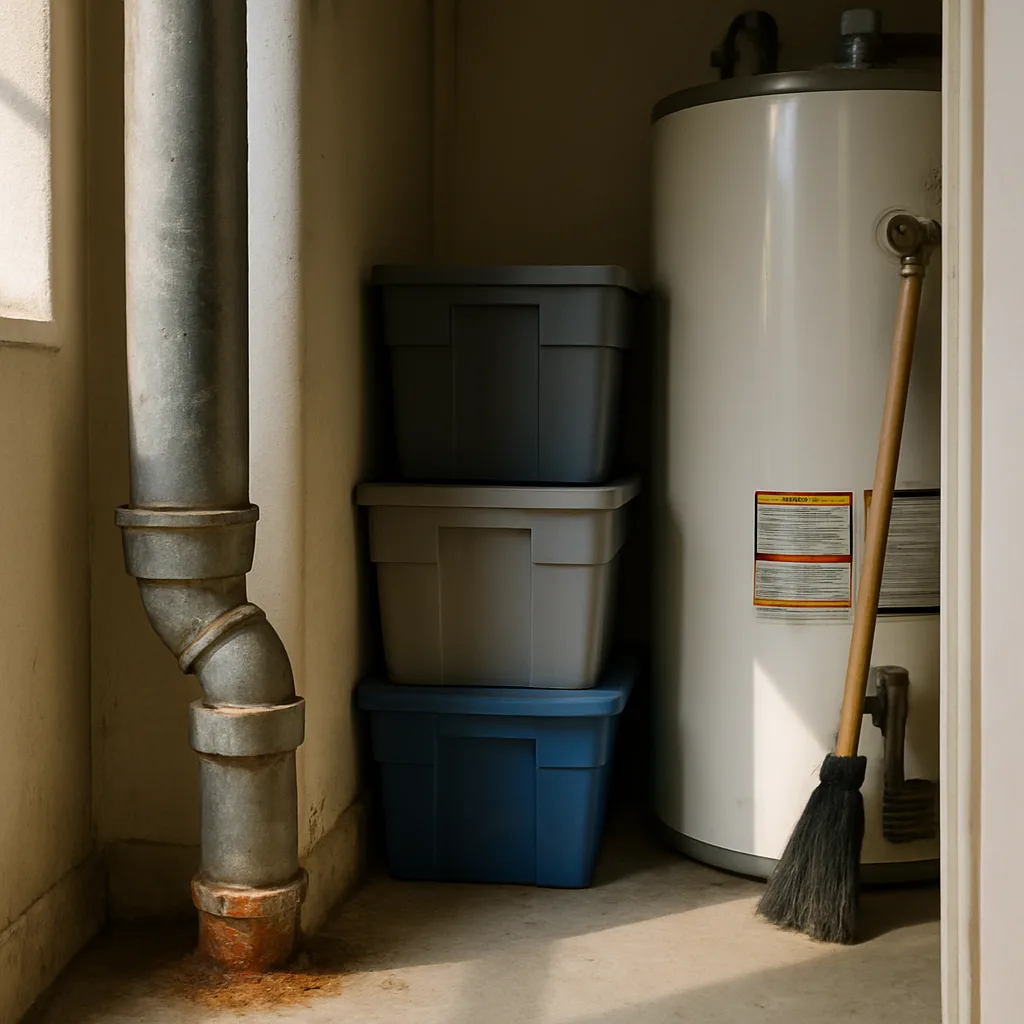
The bigger cost driver is not the pipe material itself, it is access. Plenty of Sunnyvale buildings put up between the 1970s and 1990s have tight mechanical closets or crowded utility rooms. Water heaters and furnaces may be stacked with barely enough room to work. A straightforward repipe can become more expensive when a technician has to work through eighteen inches of clearance. The job may also require cutting drywall or partly dismantling a mechanical closet to reach the shutoff valves.
- Slab penetration points are inspected for cracks or soil-related movement before new piping is run
- Flexible fittings are used near foundation changes to absorb minor ground movement
- Mechanical room layouts are checked for clearance before labor time is quoted, rather than pricing materials alone
- Access space is measured in advance to avoid mid-job surprises and change orders
- Shutoff valve locations are documented so future repairs do not require another full access dig
Owners often assume a more expensive pipe material will solve long-term reliability problems. In Sunnyvale’s soil, routing and access usually matter more. A well-planned installation accounts for soil movement and leaves room for future inspection or repair. It often performs better than premium material installed in a cramped space with no room for maintenance.
Frequently Asked Questions
Common questions about Piping installation
How fast can you get to my Sunnyvale property for a piping issue?
We schedule most piping calls within a day or two, sooner if you have active leaks or pressure loss. When you call, tell us what you’re seeing, like gauge drops near a boiler or corrosion at a joint. That helps us bring the right materials on the first visit. Sunnyvale has a mix of older office parks and newer builds, so we ask questions upfront to plan the visit correctly.
What happens when your team arrives to start a piping installation?
We start by checking your existing pipe material, size, and connections before touching anything. Next, we confirm the plan, pull any required permit, and shut down the system so nothing is pressurized while we work. You’ll know the scope before we cut a single pipe. This step-by-step approach avoids surprises and keeps your equipment protected during the job.
Why do so many Sunnyvale buildings run into piping problems?
Many Sunnyvale office parks and manufacturing facilities were built decades ago with original steel piping. That piping often reaches the end of its service life and can’t handle current heating or cooling loads. When a business adds a new rooftop unit or chiller, the old pipe may be the wrong size or material for a safe tie-in. This creates stress points that lead to early failure.
How do I know if I need piping installation or a full repipe?
It depends on what’s failing. One leaking system, or a new piece of equipment needing a dedicated line, usually points to piping installation. Multiple leaks showing up in different rooms over several months usually means the whole system is aging out. We’ll look at your specific situation and tell you directly which one applies before any work starts.
Do you test the piping before you consider the job finished?
Yes, every installation gets tested under pressure before we start the system back up. This step matters because a joint that looks fine can still fail once it’s under load. It matters even more in Sunnyvale buildings on slab foundations, where a bad joint under the floor is not obvious right away. We check each connection for leaks, confirm proper operation, then haul away the old material.
What permits are needed for piping installation on my property?
Most mechanical piping work, like gas lines for a new boiler or refrigerant lines for a mini split, requires a permit before installation begins. We handle pulling the permit as part of our process, right after we confirm the plan with you. Skipping this step can cause problems later with inspections or insurance. We build permit time into your schedule so there are no delays once work starts.
Ready to Get Started?
Call 972-288-2263 Today, Get Service Today.