


Custom Ductwork Fabrication in Sunnyvale, Built to Fit Your System
Duct runs measured by hand and built to fit the building you actually have – because a catalog elbow does not fit a bar-joist ceiling that was never framed for ductwork.
What’s Covered on This Page
- Signs Your Ductwork Needs Fabrication, Not Just a Repair
- Fabrication vs. Cleaning, Sealing, and Repair: Know the Difference
- How Ductwork Fabrication Works, Start to Finish
- What Shapes Ductwork Fabrication Cost
- Ductwork Fabrication for Sunnyvale’s Older Buildings and New Build-Outs
- How fast can you get someone out to look at my ductwork in Sunnyvale?
- What happens when you come out to check my ducts?
- Why does ductwork seem to fail faster in Sunnyvale than other places?
- How do I know if I need fabrication instead of just a repair?
- Do I need to be on site during a ductwork fabrication job?
- How long does a typical ductwork fabrication project take?
Signs Your Ductwork Needs Fabrication, Not Just a Repair
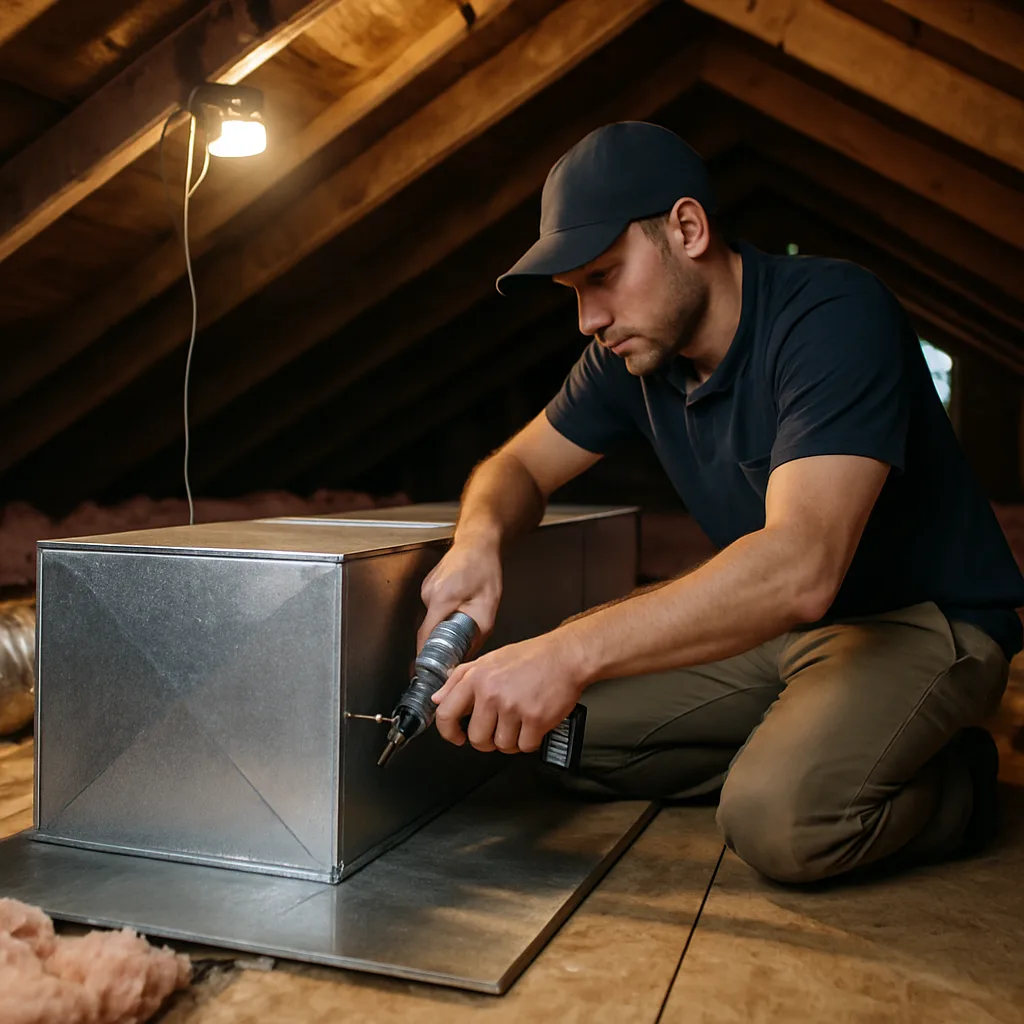
Not every duct issue calls for full fabrication, but some patterns make the case clear. One office or tenant space may stay warmer or colder than the rest of the building, whatever the thermostat says. The duct run feeding that room may be undersized, poorly routed, or too damaged for a surface repair. Crushed or deformed duct sections also restrict airflow. This damage is common in cramped ceiling plenums, or where foot traffic from other trades on site has crushed the metal. Reshaping or replacing the section may be the only real fix.
A common trigger in Sunnyvale buildings is new equipment paired with old ductwork. You may upgrade to a higher-efficiency or differently sized condenser and air handler. However, the existing trunk and branch lines may still be sized for the old equipment’s airflow. This mismatch forces your new system to work against static pressure it was not designed for. You may notice weak airflow, higher bills, and early equipment wear.
Loud whistling, booming, or rattling from diffusers or overhead ductwork often points to restricted airflow. Air may be forced through gaps, undersized fittings, or loose joints at high velocity. Visible rust on metal ducts or gaps at seams and boots also signals trouble. Rust indicates moisture intrusion that can weaken the ductwork. Gaps let conditioned air escape into the plenum before it ever reaches the occupied space.
North Texas puts more strain on ductwork than most regions. Unconditioned ceiling plenums and roof decks around Sunnyvale routinely run far hotter in summer than equivalent spaces in milder climates. That heat speeds up insulation breakdown, seam separation, and metal fatigue. Ductwork that lasts in a cooler region may deteriorate faster here. These warning signs can become more pronounced and may require full fabrication instead of a temporary patch.
- Uneven temperatures between rooms despite thermostat adjustments
- Crushed, dented, or physically deformed duct sections
- New AC or furnace installed without resizing the connected ductwork
- Loud whistling, booming, or rattling airflow noise
- Visible rust, corrosion, or gaps at duct seams and boots
Fabrication vs. Cleaning, Sealing, and Repair: Know the Difference
Here is something we tell building owners all the time, and it saves them money: not every duct problem needs fabrication. If your air moves fine but the vents are dusty, you may need cleaning. A joint leaking air into the plenum calls for sealing. A crushed or torn section calls for repair. Fabrication means building new sheet-metal ductwork, fittings, or connections from scratch. You need it when your existing setup is undersized, damaged beyond patching, or missing from a new system.
How do you know what you need? Start with what’s wrong.
- Dust or debris in the vents without an airflow problem: cleaning, not fabrication
- Whistling or hissing at a seam, higher bills, or uneven rooms: usually duct sealing
- A crushed, disconnected, or torn section overhead: often a straightforward repair
- A new addition, a larger system, or ductwork that was never sized correctly: fabrication
- Rusted, crumbling metal ductwork in an older Sunnyvale building: often fabrication, because a patch will not hold
We see this every week. Someone calls expecting to need a whole new duct system, but sealing would fix the problem. We’d rather tell you that upfront than fabricate something you don’t need. If your ductwork has the wrong size or shape, or a section is missing, custom fabrication is the real fix. It is worth doing right the first time.
How Ductwork Fabrication Works, Start to Finish
Every ductwork fabrication job starts with a look at what is actually above the ceiling or in the mechanical room. We do not rely on what a set of plans from 1998 says should be there. Things change over time. A suite gets subdivided, a larger unit goes in, or someone walls off a space that held a return. We measure first instead of guessing.
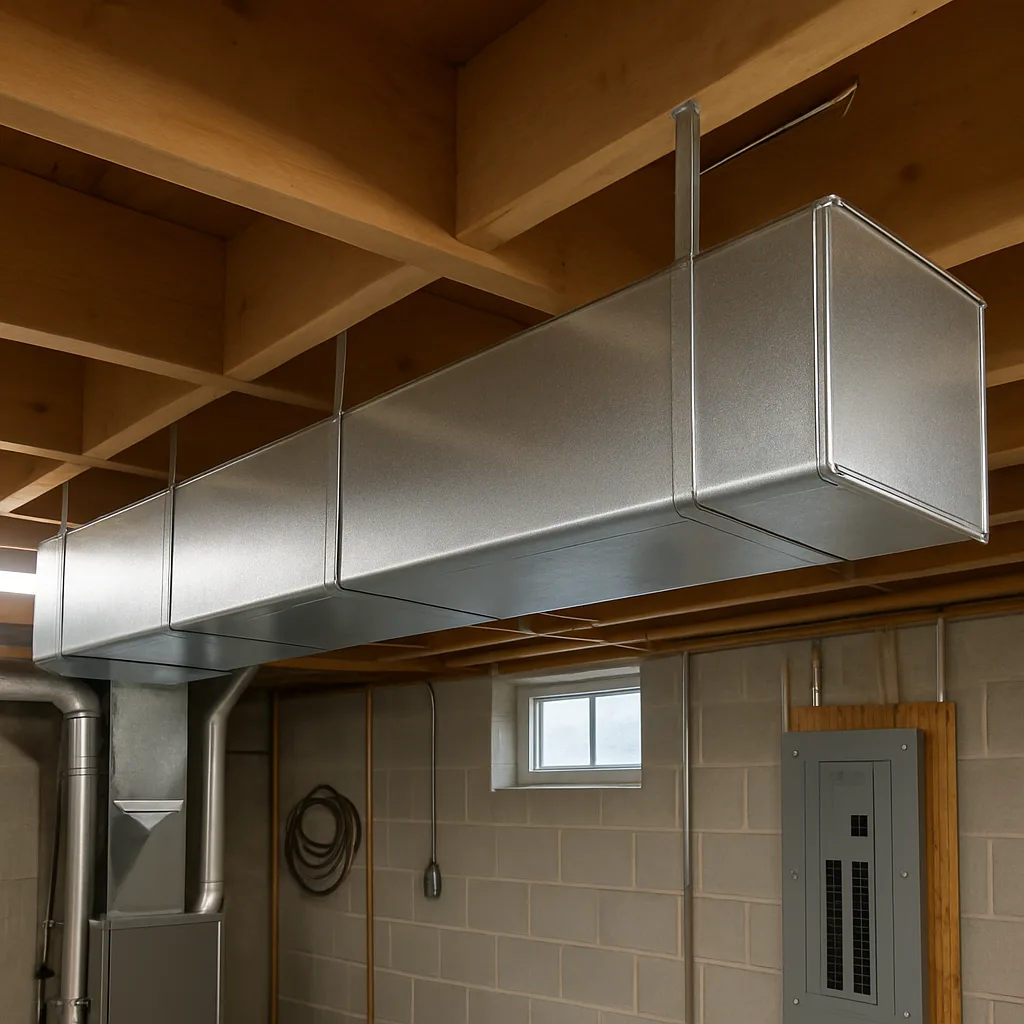
- We walk the space and take field measurements of every run and fitting that needs to be built.
- We check site conditions, including restricted roof and ceiling access, low clearances, and structure that was never framed for ductwork. Each one changes the fabrication plan.
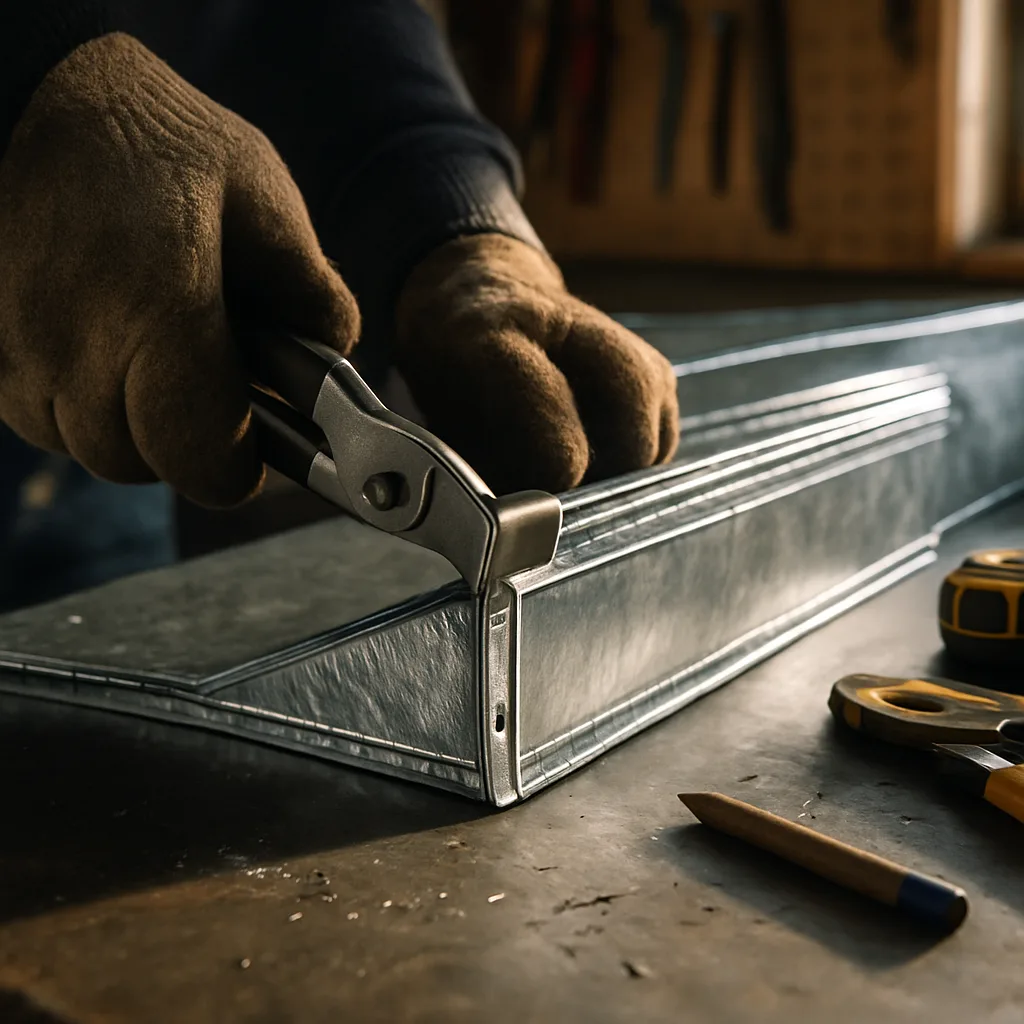
- We cut and shape the sheet metal to those exact measurements. The pieces are custom, not pulled from a shelf.
- We build the fittings and connections so airflow moves the way your system needs it to. We do not force a generic part to fit.
- We install the fabricated pieces and seal every joint before calling the job done.
That part surprises some owners: fabrication is not a warehouse pull. It is built for your building. Older Sunnyvale properties with narrow chases need different pieces than newer shells with open bar-joist ceilings. We build for the space in front of us.
Standard installation of the pieces we build is part of the job. A full redesign of your duct system is a separate conversation. We’ll tell you directly if that’s what you need.
Ready when you are – get in touch today.
Call Today, Get Service Today. Xtreme Air Services is ready to help.
What Shapes Ductwork Fabrication Cost
Ductwork fabrication cannot be priced from a catalog sheet like a water heater or thermostat. Every duct run is custom sheet-metal work shaped for a specific plenum, chase, or roof curb. A reputable fabricator quotes the project after a site visit. The fabricator must measure the space, note obstructions such as joists or plumbing, and count the needed elbows, connections, and takeoffs. A phone estimate or generic square-footage price cannot account for these details accurately.
Contractors do not price this work at random. Most fabricators base quotes on the SMACNA HVAC Duct Construction Standards. This industry benchmark covers acceptable sheet-metal gauge, seam types, reinforcement, and fitting fabrication for commercial systems. A bid that references SMACNA compliance shows the ductwork will meet recognized structural and airflow criteria. It should not be assembled using minimum-cost shortcuts.
Three factors often move a quote up or down. The first is the number and complexity of the fittings. Elbows, offsets, and branch takeoffs require more labor and material than straight runs. The second is material and gauge. Heavier-gauge steel or specialty coatings for corrosive environments cost more than standard commercial sheet metal. The third is site access. An open shell under construction is faster to work in than an occupied, finished ceiling. In an older Sunnyvale building, every panel may have to pass through a single small access hatch.
- What the quoted price includes, such as old ductwork removal, insulation wrap, or joint sealing
- Whether redesigning the duct layout is billed separately from fabrication and installation
- Whether an initial trip or site-visit fee is credited toward the final job cost if you proceed
- How the quote handles unexpected access problems found after work begins
- Whether the fabricator provides a written warranty tied to SMACNA-compliant construction
Financing options are often available for larger installations, including full commercial retrofits and building-wide duct replacements. Financing can help you move forward without paying the entire project cost upfront.
Ductwork Fabrication for Sunnyvale’s Older Buildings and New Build-Outs
Sunnyvale’s building stock tells two different stories. Older single-story retail and office buildings still run duct systems sized for the smaller cooling loads of past decades. Newer warehouse and light industrial shells along U.S. 80 have floor plates that sprawl well beyond the reach of a standard duct layout. Both create fabrication challenges, and crews working this part of North Texas see both every week.
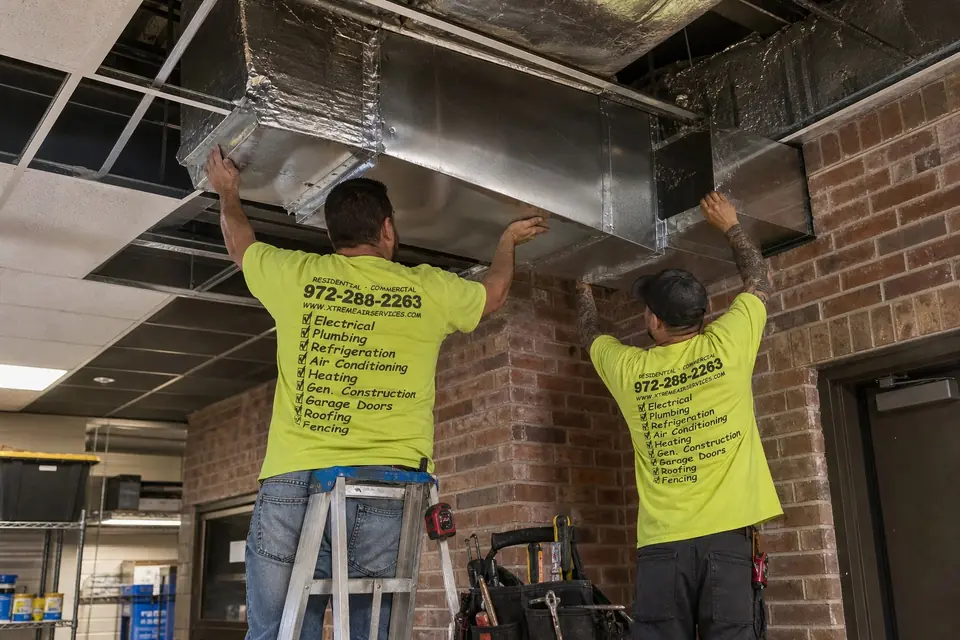
In older Sunnyvale buildings, the main problem is a mismatch between original ductwork and modern equipment capacity. You may upgrade to a higher-efficiency, higher-capacity AC unit. Then you discover the existing trunk lines and branch runs cannot handle its airflow. Signs include weak airflow at the far end of a run, uneven cooling between tenant spaces, or short cycling caused by high static pressure. Custom fittings, resized plenums, and reworked branch takeoffs may connect old ductwork properly to new equipment.
- Undersized trunk lines that restrict airflow to newer, higher-capacity condensers
- Deteriorated or crushed flex duct sections hidden in original attics
- Register locations that no longer match room layouts changed by past remodels
- Custom fittings where old sheet metal meets new equipment connections
Build-outs and renovations create different demands. When you add a tenant suite, convert warehouse space to conditioned office, or extend a kitchen, the existing ducts rarely reach the new area. Fabricators build new supply and return runs tied into the existing trunk. Those runs must not starve the rest of the building of airflow. This work requires careful load calculations, not a longer duct and a guess. An incorrectly sized run can upset airflow across the whole building.
Seasonal timing also matters. Demand for ductwork fabrication climbs as North Texas approaches cooling season because many projects coincide with AC replacement. If you wait until the first hot week, you may face a longer scheduling window. Having fittings, connections, or new runs fabricated in late winter or early spring helps you avoid the rush. Your system will be ready before the peak heat arrives.
Frequently Asked Questions
Common questions about Ductwork fabrication
How fast can you get someone out to look at my ductwork in Sunnyvale?
We can usually schedule a site visit within a few days, depending on how full our calendar is that week. Ductwork fabrication always starts with an in-person look above the ceiling or in the mechanical room, so we plan a visit before quoting anything. If your system is making noise or a space will not cool down, tell us when you call. We prioritize jobs where airflow problems are getting worse.
What happens when you come out to check my ducts?
We walk the plenum or mechanical space and measure every duct run and fitting by hand. We do not rely on old blueprints or guess at sizes, because build-outs and past repairs change what is up there. We also check for restricted access, low clearances, and structure that was never framed for ductwork. Each of these details changes the fabrication plan, so we look before we ever quote the job.
Why does ductwork seem to fail faster in Sunnyvale than other places?
Unconditioned ceiling plenums and roof decks around Sunnyvale run far hotter in summer than in milder climates, and that heat wears ductwork out faster. Sustained high temperatures speed up insulation breakdown, seam separation, and metal fatigue. A duct system that would last decades in a cooler region develops rust, gaps, and loose joints sooner here. That is why more Sunnyvale buildings end up needing full fabrication rather than a simple patch.
How do I know if I need fabrication instead of just a repair?
Look at what’s wrong first. If a section is crushed or torn, that’s usually a repair. If air hisses out at a seam or bills went up, sealing often fixes it. Fabrication is what you need when ductwork is undersized, missing after a new AC install, or too rusted and crumbling to patch. We check your system in person and tell you plainly which one applies before we recommend anything.
Do I need to be on site during a ductwork fabrication job?
Someone should be on site or reachable for the initial measurement visit, since we may need access to ceiling spaces, roof areas, and mechanical rooms across the building. Once the scope is set, we can talk about how much of the fabrication and install work needs anyone present. Most owners find the measurement visit takes longer than any single day of install once the pieces are built.
How long does a typical ductwork fabrication project take?
Most jobs move through three stages: measuring your space, building the custom sheet-metal pieces, and installing them with sealed joints. The measuring and building stages take the most time because every piece is cut for your specific plenum or chase, not pulled off a shelf. Buildings with tight chases or unusual layouts, common in older Sunnyvale properties, add time compared with newer shells that have open bar-joist ceilings.
Ready to Get Started?
Call 972-288-2263 Today, Get Service Today.