


Geothermal HVAC Installation in Sunnyvale for Commercial Properties and Texas Heat
Loop fields designed around Blackland clay and the open ground you actually have, with the soil checked before anyone quotes a bore depth.
What’s Covered on This Page
- Site Assessment Diagnoses What Your Property Needs
- Loop Field Design: Horizontal vs. Vertical Decisions
- When Geothermal Installation Isn’t the Right Fit
- What Drives Geothermal Installation Costs
- Multi-Trade Installation Process From Ground to Startup
- How soon can you schedule a geothermal HVAC installation in Sunnyvale?
- What happens when your team arrives for the site visit?
- Does Sunnyvale’s clay soil affect geothermal installation?
- How do I know if my lot needs a horizontal or vertical loop?
- Is geothermal installation right for every property in Sunnyvale?
- What drives the cost of a geothermal installation up or down?
Site Assessment Diagnoses What Your Property Needs
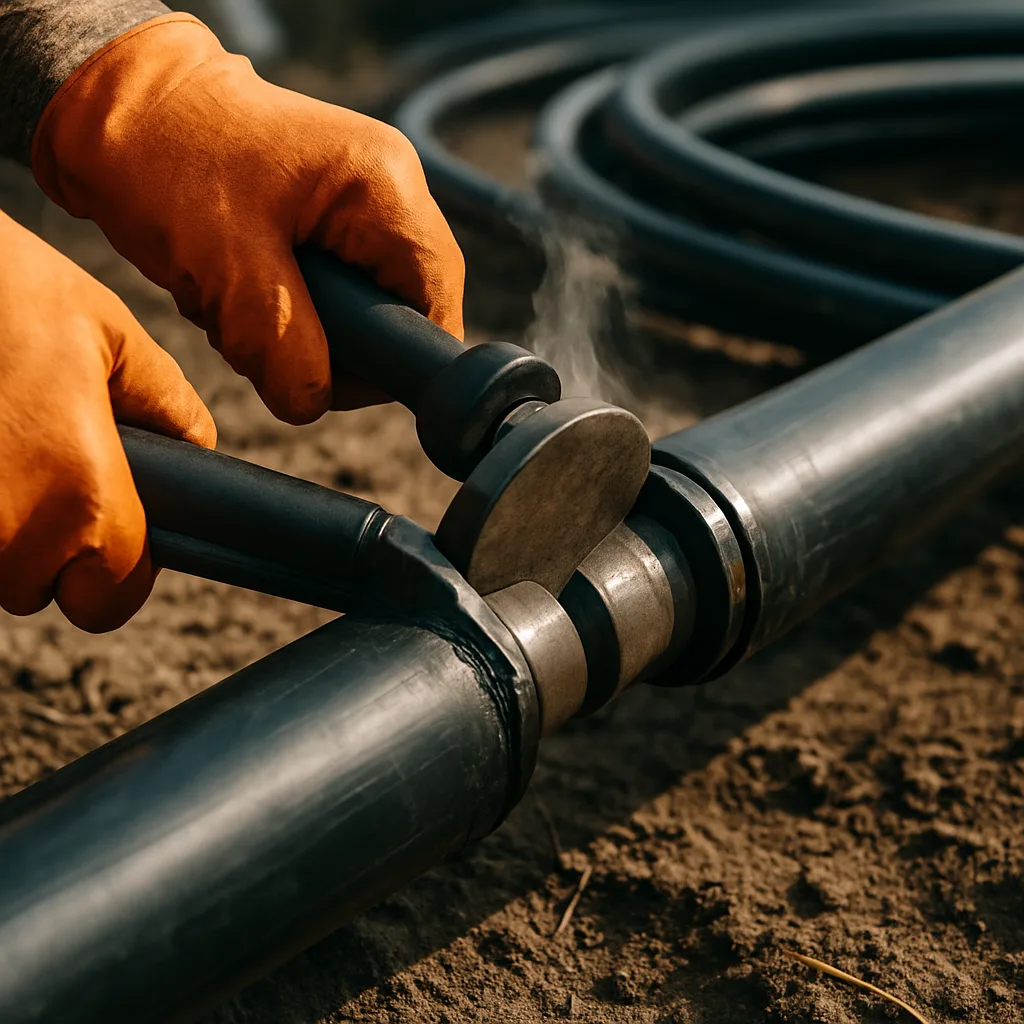
Every geothermal HVAC installation starts with a walk around the property. We’re not there to sell you anything yet. We’re there to learn what’s underground and already inside your walls. Those details tell us what the system needs to work right.
- Soil type and moisture, since these affect how efficiently the ground loop moves heat
- Lot size and open ground available for trenching or drilling
- Condition of your existing ductwork and whether it can handle the new airflow
- Square footage and insulation level, used to calculate the heating and cooling load
- Access points for the drilling or trenching equipment we’ll need to bring in
Sunnyvale sits on heavy clay soil, and clay behaves differently underground than sandy soil. It holds and releases heat at a different rate. That changes how much loop we need to bury for the performance you’re paying for. Get that number wrong, and the system may struggle to keep up or cost more to run.
Skip this step and you’ll pay for it later.
We also run a load calculation on the building itself. An oversized system short-cycles and wears out fast. An undersized system runs constantly and never quite catches up on the hottest July afternoons. The assessment helps keep both problems off your property.
Loop Field Design: Horizontal vs. Vertical Decisions
Here’s what nobody tells you up front: your loop field matters more than the equipment brand in your mechanical room. We can install a great heat pump. But if the ground loop is undersized or placed in the wrong soil, you won’t get the performance you paid for.
Which loop type fits your property? It comes down to lot size and what’s under the surface.
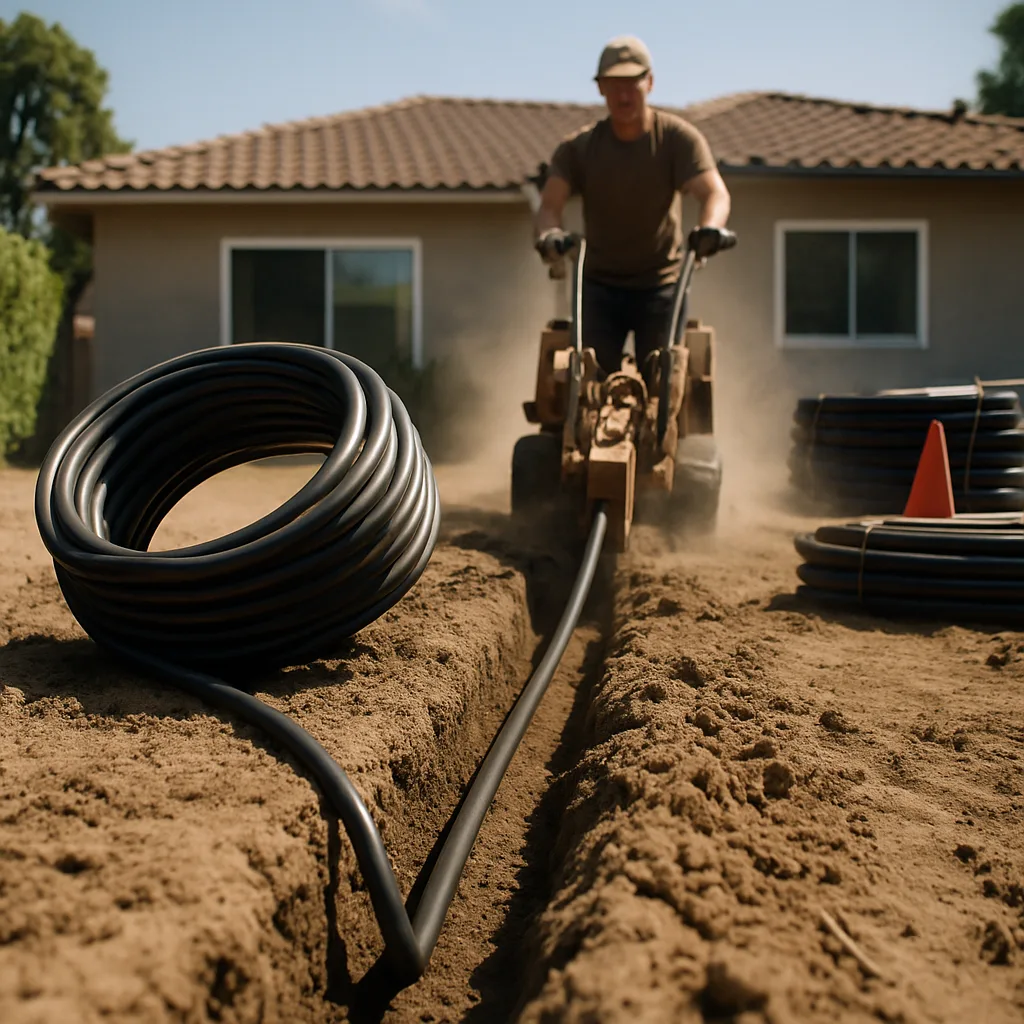
- Horizontal loops need a good amount of open ground. They usually cost less to dig because we’re trenching rather than drilling.
- Vertical loops go straight down, sometimes a couple hundred feet. They work well on smaller lots without room to spread out.
- Many Sunnyvale properties sit on larger rural lots. That often makes a horizontal layout possible where a tighter Dallas or Plano lot would require a vertical design.
- Soil matters too. Much of North Texas sits on Blackland Prairie clay. This clay holds moisture and transfers heat differently than sandy or rocky ground, so we check the soil before choosing a layout.
We’ve walked properties where the client assumed vertical was the only option. Then we found enough open ground behind the building for a horizontal loop at a fraction of the drilling cost. We’ve also seen tighter sites where vertical was the only practical answer.
You don’t make this decision from a brochure. You make it while standing on the site with a tech who’s done the dig.
When Geothermal Installation Isn’t the Right Fit
Geothermal isn’t right for every property. We’ll be honest about that.
Ground-loop systems need space. A horizontal loop takes a good chunk of open ground. A vertical loop needs room for drilling equipment to get in and work. Some of Sunnyvale’s older lots are smaller and tighter than newer lots nearby. That can rule out a horizontal loop before we discuss equipment. If your site is mostly parking, paving, or a narrow side strip, we’ll tell you if there’s enough room. If not, we’ll explain whether a different setup makes more sense.
- Your lot doesn’t have enough usable space for a horizontal loop, while access for drilling a vertical one is too tight or costly
- You’re planning to sell the property within a year or two and won’t hold it long enough to see the payback
- Your existing ductwork is undersized or in bad shape and needs a full redo on top of the loop work
- You need a straightforward system swap and aren’t interested in ground-loop work
Renters and landlords with short-term tenants usually skip geothermal too. It’s a long-term investment, plain and simple. If your soil is mostly rock close to the surface, drilling costs can climb fast. That changes the math for many property owners.
None of that makes geothermal a bad idea. It just isn’t automatic. We’d rather walk your site and give you a real answer than sell you something that doesn’t fit your property.
Ready when you are – get in touch today.
Call Today, Get Service Today. Xtreme Air Services is ready to help.
What Drives Geothermal Installation Costs
Geothermal isn’t like swapping out a rooftop unit. The ground loop buried on your property is the biggest variable, and no two lots dig the same. Soil type, available ground, and loop depth all shape the labor cost before the equipment is touched.
What moves the number up or down? These factors come into play on every installation.
- Equipment size and efficiency rating, since a larger building or higher-efficiency unit costs more to install correctly
- Brand and model of the heat pump
- How easily the crew can access the loop field area
- The condition of your existing ductwork, wiring, and connections
- Any code upgrades or permits required by your county
- Custom fabrication if your setup needs something built to fit
Ground-loop work is quoted before tax credits are applied. Federal credits can lower your cost once the job is done. We won’t guess at your number over the phone. We walk the site, inspect your ductwork, and give you a straight answer after seeing it.
Financing is available on qualifying installations if spreading out the cost makes more sense for your budget.
Multi-Trade Installation Process From Ground to Startup
A geothermal HVAC installation doesn’t work like a normal AC swap. A tech can’t set a unit and finish everything in one afternoon. It’s a larger project with several steps. Here’s how it goes from start to finish.
- Site evaluation and loop design. We walk your property, check soil conditions, and map the ground loop around utility lines.
- Ground loop installation. Depending on your lot size, we drill deep vertical bores or lay horizontal trenches across the open ground.
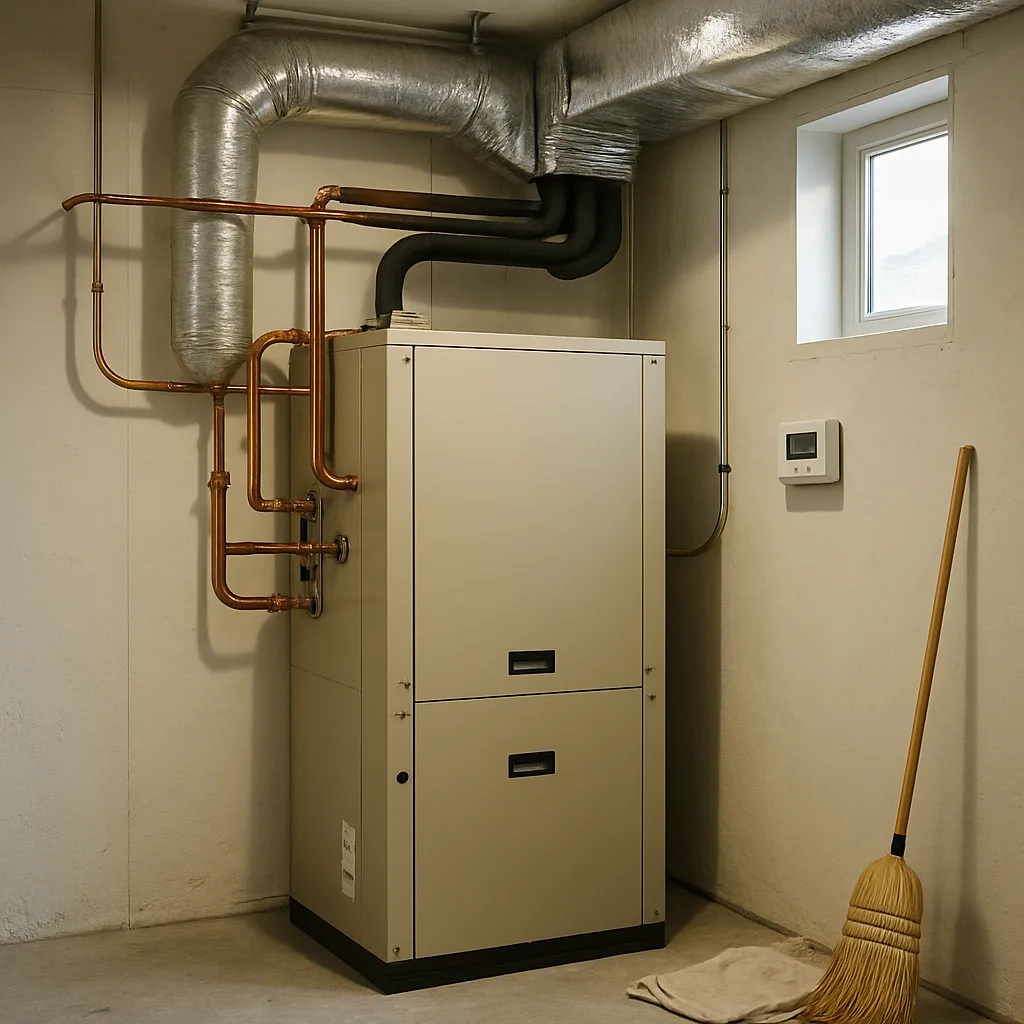
- Testing the loop. We check every connection before connecting the loop to the indoor equipment.
- Setting the indoor unit and running refrigerant lines between the loop and the equipment.
- Connecting the ductwork, dedicated electrical circuit, and any plumbing connections the system needs.
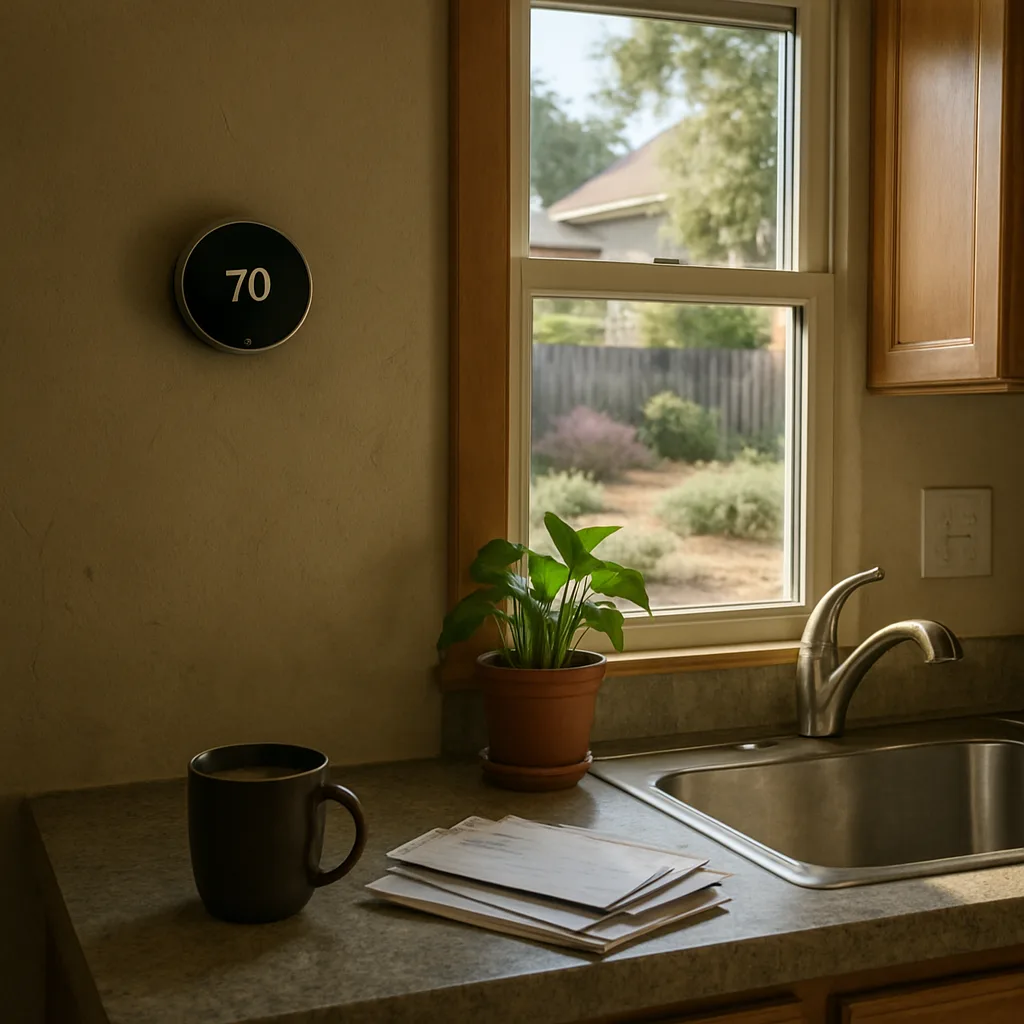
- Startup and airflow balancing, zone by zone, so every part of your building feels the difference.
Many Sunnyvale lots sit on North Texas Blackland clay, and that soil shifts with moisture. It affects how deep we drill and which loop method fits your site. We’ve drilled loops in side lots smaller than a delivery bay, so lot size rarely rules geothermal out.
Our HVAC license, TACLA29023C, covers this mechanical work. Every technician on the job is background-checked before stepping onto your property.
Frequently Asked Questions
Common questions about Geothermal HVAC installation
How soon can you schedule a geothermal HVAC installation in Sunnyvale?
We start with a site visit, usually within a few days of your call. That visit lets us walk your property, check the soil, and look at your ductwork before we talk about an install date. Geothermal work takes longer to schedule than a standard AC swap because of the loop design step. Once we know your lot size and soil type, we can give you a real timeline instead of a guess. Call now and we’ll get a visit on the books.
What happens when your team arrives for the site visit?
Our tech walks your property, checks soil and open ground, and looks at your existing ductwork and building size. We’re not selling equipment at this point. We’re gathering the details that decide whether a horizontal or vertical loop fits your lot. This visit also includes a load calculation on your building, so the system we recommend matches your square footage and insulation. You’ll get straight answers about what your site can support before any numbers get discussed.
Does Sunnyvale’s clay soil affect geothermal installation?
Yes, clay soil changes how much loop you need buried underground. Sunnyvale sits on heavy clay, which holds and releases heat at a different rate than sandy soil. That means the loop length has to be calculated for your specific lot, not a standard number. Get this wrong and the system either struggles on hot July days or costs more to run. We check soil conditions on every property before recommending a loop design.
How do I know if my lot needs a horizontal or vertical loop?
It depends on how much open ground you have and what’s under it. Horizontal loops need open space for trenching and usually cost less to dig. Vertical loops go straight down and work well on smaller lots without room to spread out. Many Sunnyvale properties sit on larger lots, which often makes horizontal possible where a tighter lot elsewhere would need vertical. We make this call standing on your site, not from a brochure.
Is geothermal installation right for every property in Sunnyvale?
No, geothermal isn’t a fit for every property. Smaller or tighter lots may not have room for a horizontal loop, and drilling access for a vertical loop can be too tight or costly. If you’re planning to sell the property within a year or two, the payback timeline may not work in your favor. We’ll walk your site and give you an honest answer, even if that answer points you toward a different system.
What drives the cost of a geothermal installation up or down?
The ground loop is the biggest factor, since soil type, available ground, and loop depth all affect labor before equipment is even touched. Other factors include the condition of your existing ductwork and wiring, permit requirements, and equipment efficiency ratings. Every lot digs differently, so we won’t guess at a number over the phone. We walk your site first, then give you a straight answer based on what your property needs.
Ready to Get Started?
Call 972-288-2263 Today, Get Service Today.