


Electrical Inspections in Sunnyvale: Know What Your System Is Hiding
Documented inspections for sales, insurance, permits, and code compliance, with findings written up clearly enough to hand to a lender or an adjuster.
What’s Covered on This Page
- Common Warning Signs Your Electrical System Needs a Look
- Why Licensing Matters More Than a Sales Pitch
- Bigger Lots Mean Bigger Scope for Sunnyvale Properties
- Skip the Inspection When These Simple Fixes Apply
- What Happens Before, During, and After Your Inspection Visit
- How long does an electrical inspection take in Sunnyvale?
- What happens when the electrician arrives at my home?
- Why do so many older Sunnyvale homes need electrical inspections?
- Do I need to check an electrician’s license before hiring one in Sunnyvale?
- How often should I schedule an electrical inspection for my Sunnyvale home?
- What’s the difference between an emergency and a routine electrical issue?
Common Warning Signs Your Electrical System Needs a Look
Many older Sunnyvale neighborhoods, including homes along U.S. 80 and Tripp Road, still run on wiring installed decades ago. As these systems age and modern appliances add more load, warning signs start to surface. Knowing which signs demand immediate attention versus which ones simply need to be on your radar for a scheduled inspection can save you money and protect your family.
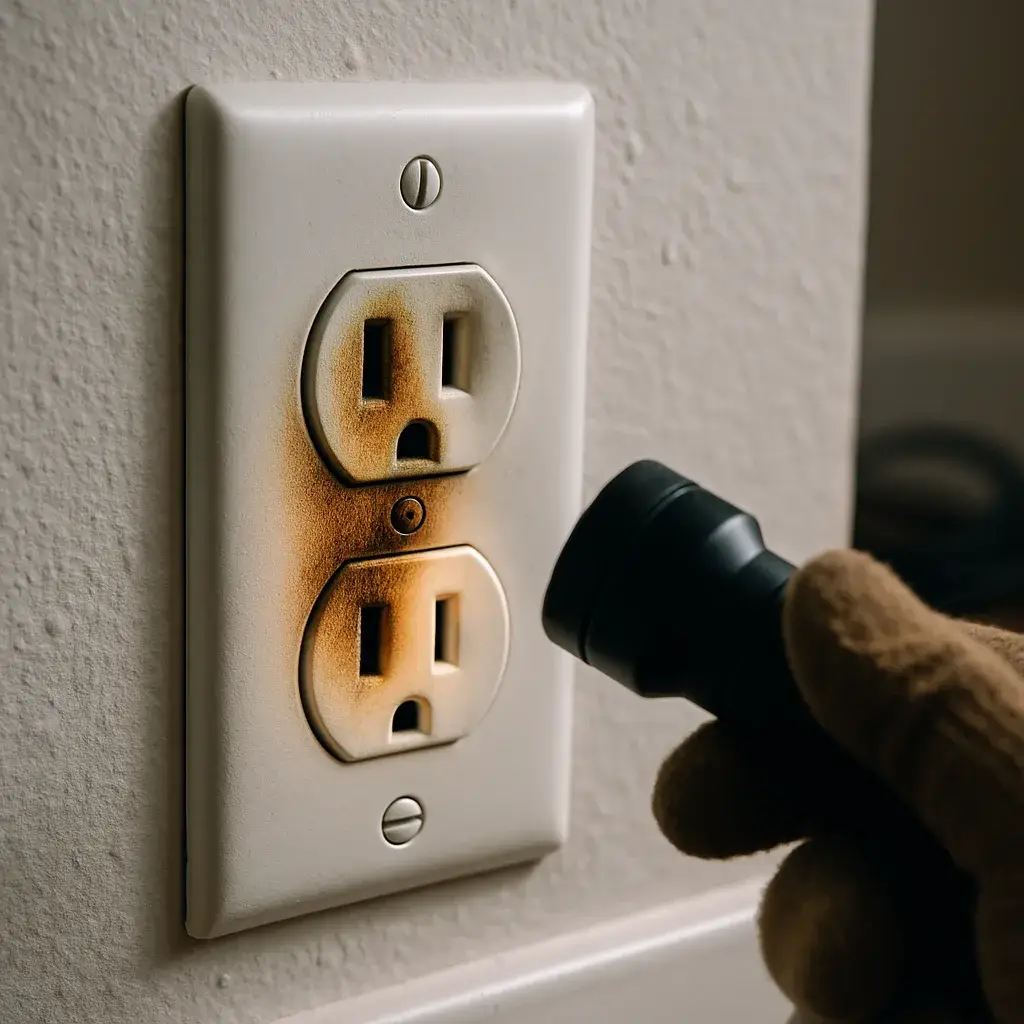
- Urgent, same-day signs: a persistent burning or melting-plastic smell near outlets or the panel, visible sparking, outlets or switch plates that are hot to the touch, a breaker panel that buzzes, hums, or crackles, and any breaker that trips repeatedly within minutes of resetting.
- Routine but worth scheduling soon: lights that flicker or dim when large appliances kick on, outlets that are discolored or scorched but not actively hot, two-prong outlets in older rooms lacking grounding, and light switches that feel loose or spark faintly when flipped.
- Secondary clues technicians watch for: a persistent musty or ozone-like odor near the electrical panel, dimmer switches that hum audibly, GFCI outlets in kitchens or bathrooms that trip without an obvious cause, and extension cords that have become a permanent fixture because outlets are insufficient.
The difference between a quick fix and a real problem often lies in the pattern of symptoms. A single flickering bulb might just need a new bulb or tightened connection, but flickering across multiple rooms combined with warm switch plates usually points to a loose neutral connection or an overloaded circuit that requires a licensed technician to trace and correct. Sunnyvale’s electricians are trained to test voltage drop, check torque on panel connections, and use thermal imaging to spot heat buildup invisible to the naked eye.
If you notice any of the urgent signs listed above, treat it as an emergency and shut off power to the affected circuit if it’s safe to do so. For the routine signs, schedule a full inspection before the issue escalates, especially if your home is over 25 years old or has never had its panel evaluated.
Why Licensing Matters More Than a Sales Pitch
Sunnyvale sits in Dallas County, but the license that matters when someone opens your electrical panel does not come from any city hall. Texas regulates electricians at the state level through the Texas Department of Licensing and Regulation, commonly known as TDLR, under Texas Occupations Code Chapter 1305. This means a person is either licensed to legally perform electrical work anywhere in Texas, including Sunnyvale, or they are not licensed at all. There is no separate Sunnyvale-only credential, no shortcut version, and no local exemption that lets someone skip state training and testing requirements just because a job is small or the town is quiet.
Chapter 1305 spells out distinct license classes, including Apprentice, Journeyman, Master, and Electrical Contractor, each with its own testing, experience, and continuing education requirements. A Master Electrician license, for example, generally requires thousands of hours of documented field experience plus passing a state exam. An Electrical Contractor license is what allows a company to pull permits and legally contract for electrical work in Sunnyvale. Understanding these distinctions matters because a worker can hold a personal license while the business itself lacks the contractor license required to legally take your money for the job.
Because licensing is statewide, verification is simple and takes less than five minutes. Before anyone touches a breaker panel, service entrance, or wiring in your Sunnyvale home or business, ask for their TDLR license number directly, then look it up on the TDLR public license search. A legitimate electrician will provide this number without hesitation, often printed on their van, invoice, or business card. Hesitation, vague answers, or a claim that licensing is not necessary for the specific type of job should be treated as a hard stop, not a minor concern.
- Ask for the specific license number, not just a company name, before scheduling panel work
- Confirm the license class matches the job, since apprentices must work under direct supervision
- Cross check the license status as active, not expired or revoked, on the TDLR database
- Request proof of liability insurance alongside the license number for full protection
- Be wary of anyone who says permits or licensing add unnecessary cost or delay
A polished sales pitch, a branded uniform, or a friendly quote over the phone tells you nothing about legal qualification. The license number is the only objective proof that ties a person to state-verified training, tested competency, and accountability under Texas law. Pairing that license verification with confirmed insurance coverage is what turns a vague promise of quality into a documented, enforceable standard for the work happening inside your Sunnyvale property.
Bigger Lots Mean Bigger Scope for Sunnyvale Properties
Sunnyvale isn’t packed tight like some of the newer subdivisions closer to Dallas. A lot of homes here sit on bigger parcels, sometimes with a detached garage, a workshop, or a barn wired off the main panel. That changes what an electrical inspection in Sunnyvale looks like.
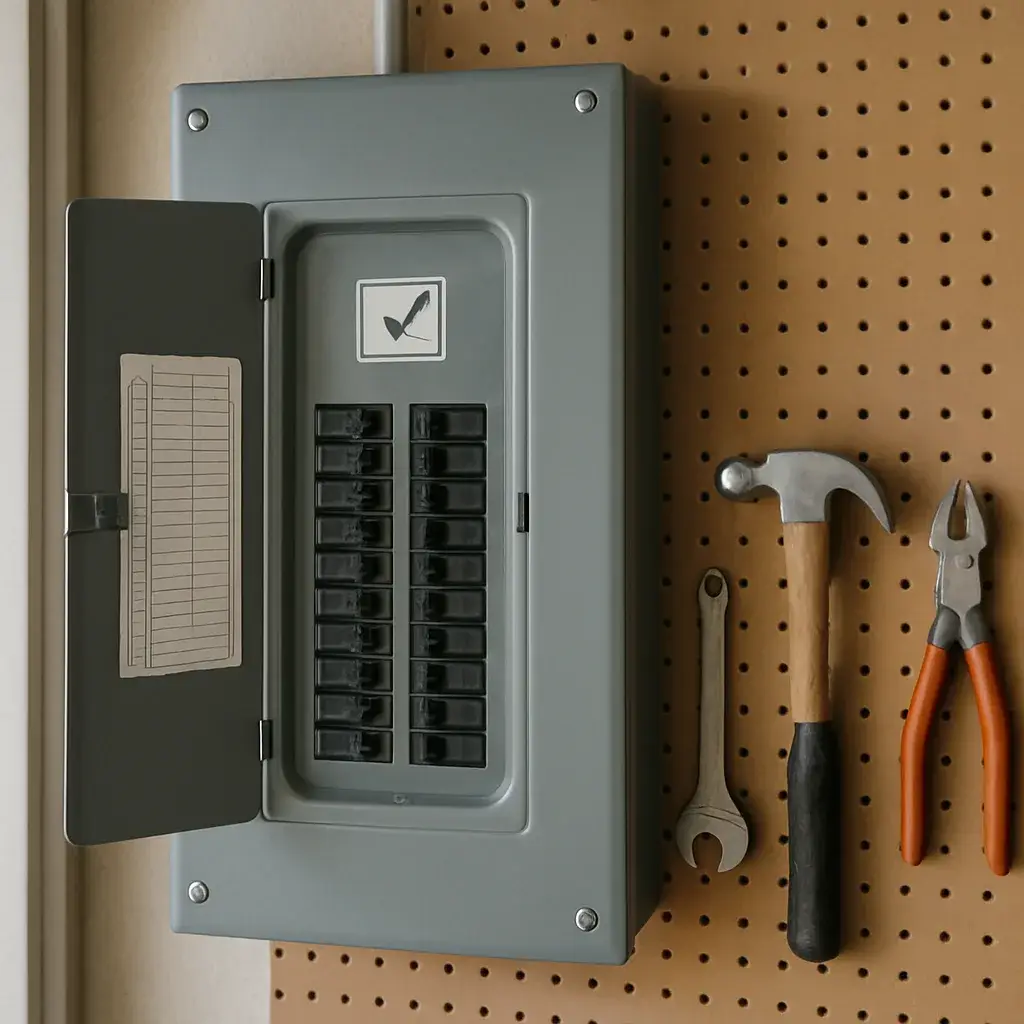
A standard inspection on a tract home covers one panel and a handful of circuits. Add a detached structure with its own subpanel, and we’re now tracing two systems, checking the feeder line between them, and making sure the grounding at the second building meets code on its own.
We see this every week out here.
Well pumps and outbuilding wiring run underground or overhead between structures, and that run needs its own look. So does any subpanel feeding a shop or barn. None of this is exotic work, but it is more circuits, more connections, and more time on site.
- A second panel or subpanel for a garage, shop, or barn
- Underground or overhead feeder wire between the house and outbuilding
- Well pump wiring and its own dedicated circuit
- Outdoor circuits for larger yards, gates, or outbuilding lighting
Property size and the number of circuits are two of the biggest factors that move cost, and a place with a detached shop just has more ground to cover than a house with one panel and a few bedrooms. That’s not a sales pitch, it’s just how the math works on a bigger property.
Don’t assume your acreage means a bigger headache, though. It usually just means a longer checklist, not a bigger problem.
Need help with Electrical inspections?
Call Today, Get Service Today. Xtreme Air Services is ready to help.
Skip the Inspection When These Simple Fixes Apply
Not every electrical hiccup in a Sunnyvale home warrants a service call. Many older properties around Sunnyvale and the newer subdivisions off U.S. 80 have quirks that look alarming but resolve with a five-minute check. Being upfront about when you do not need us is part of keeping our pricing honest and our reputation intact.
- A single breaker tripped once and resets cleanly after you unplug the space heater, window AC unit, or holiday lights that overloaded the circuit. This is normal breaker behavior, not a fault.
- A GFCI outlet in your kitchen, bathroom, or garage stopped working, but pressing the built-in reset button restores power immediately. That is the device doing exactly what it was designed to do.
- You just bought or sold a home in Sunnyvale and a licensed inspector already completed a full electrical review within the past few months, and nothing new has changed since then, no flickering, no burning smell, no warm outlets.
- A smart plug or appliance briefly lost power during an Oncor grid fluctuation, and everything else in the house is functioning normally once it is plugged back in.
These situations share one trait: they are isolated, repeatable, and resolve without repeated tripping or unusual symptoms like buzzing, discoloration, or a persistent burning odor. If your breaker trips again within days, or if the GFCI refuses to reset after two attempts, that is a different story and worth a real diagnostic visit. The same goes for a real estate inspection report that flagged an issue but was never addressed, or one that is more than a year old given how quickly wiring conditions can shift in homes built before the 1990s, common throughout Sunnyvale’s older tracts.
We would rather tell you to try the reset button first than send a technician for something you can solve in your bathrobe. That honesty is baked into our upfront pricing model. When we do quote a job, you can trust it is because the wiring, panel, or circuit genuinely needs professional eyes, not because we needed the billable hour.
What Happens Before, During, and After Your Inspection Visit
Here’s what happens once you call and get on the schedule. It’s not complicated, but knowing the steps ahead of time takes the mystery out of it.
- You tell us why you need the inspection, a real estate deadline, an insurance request, or just wanting peace of mind, so we bring the right paperwork for the job.
- A technician shows up and walks the property with you first. We ask what’s been acting up, breakers tripping, lights flickering, outlets warm to the touch.
- We open the panel, check the wiring, test outlets and switches, and look at grounding and any older components. Homes in Sunnyvale built back in the 80s and 90s sometimes still carry panels that just don’t meet today’s code, and that’s exactly the kind of thing this catches.
- You get a written summary of what we found, plain English, no jargon. It lists what’s fine, what needs attention, and what’s urgent.
- If repairs come up, that inspection fee gets credited toward the fix if you decide to move forward with us.
The service-call fee runs $26 to $99, and it’s credited toward the repair if you go with us. The inspection itself typically runs $150 to $250 for most homes, with the full range landing between $150 and $400 depending on the property. Bigger homes, older wiring, or extra documentation for a lender push it toward the higher end.
Usually, the whole visit takes less time than people expect. You’re not losing your afternoon for this.
Frequently Asked Questions
Common questions about Electrical inspections
How long does an electrical inspection take in Sunnyvale?
Most electrical inspections take one to two hours for a typical Sunnyvale home. Larger properties with a detached garage or workshop, common on this area’s bigger lots, can add extra time since we need to trace a second subpanel and feeder line. If your panel is older or shows signs like warm outlets or flickering lights, we spend more time testing voltage drop and checking connections. We’ll give you a clear picture of the scope before we start any work.
What happens when the electrician arrives at my home?
When we arrive, we start by asking about any warning signs you’ve noticed, like flickering lights or warm switch plates. Then we test your panel, check wiring connections, and use thermal imaging to spot heat buildup you can’t see with your eyes. For Sunnyvale homes with a detached garage or workshop, we also trace the subpanel and grounding at that second structure. We’ll walk you through what we find in plain language before recommending next steps.
Why do so many older Sunnyvale homes need electrical inspections?
Many homes in these older Sunnyvale neighborhoods still run on wiring installed decades ago, before modern appliances added extra load. That older wiring often lacks grounding, uses two-prong outlets, or has a panel never sized for today’s electronics. Over time this shows up as flickering lights, warm switch plates, or breakers that trip repeatedly. If your Sunnyvale home hasn’t had its panel checked in years, an inspection now can catch problems before they become safety hazards.
Do I need to check an electrician’s license before hiring one in Sunnyvale?
Yes, and it takes less than five minutes to do. Texas licenses electricians at the state level through TDLR, not through Sunnyvale or Dallas County, so ask for a TDLR license number before anyone opens your panel. You can look up that number on the TDLR public database to confirm it’s active and matches the work being done. Ask for proof of insurance too. A licensed electrician will hand this information over without hesitation.
How often should I schedule an electrical inspection for my Sunnyvale home?
Schedule a full inspection at least once every five years, or sooner if your home is over 25 years old and has never had its panel evaluated. Homes with a detached garage, workshop, or barn wired off the main panel need extra attention since these secondary structures add wear on the system over time. If you’ve noticed flickering lights, warm outlets, or breakers that trip often, don’t wait for your next scheduled check. Call sooner so the cause gets traced before it grows.
What’s the difference between an emergency and a routine electrical issue?
An emergency involves signs like burning smells, sparking, or a panel that buzzes or hums, and you should shut off power to that circuit right away if it’s safe. Routine signs, like flickering lights when appliances kick on or two-prong outlets in older rooms, still need attention but can wait for a scheduled visit. Knowing the difference helps you decide whether to call right away or book a standard inspection. When in doubt, treat warm outlets or repeated tripping breakers as urgent.
Ready to Get Started?
Call 972-288-2263 Today, Get Service Today.