


Code Correction in Sunnyvale: Fix Failed Inspections Fast
Failed inspections and previous-owner wiring brought up to current code, documented and re-inspected so the sale or the permit can close.
What’s Covered on This Page
- Common Signs Your Wiring Won’t Pass Inspection
- What a Code Correction Visit Involves
- When You Don’t Need a Code Correction Call
- Older Homes Near the US-80 Corridor Face Different Code Risks
- How Permits and Reinspection Work Near Sunnyvale’s County Lines
- How fast can you get to my Sunnyvale home for a code correction?
- What happens when you show up for a code correction visit?
- Why do so many older homes near the US-80 corridor fail electrical inspections?
- Do I need a permit for code correction work in Sunnyvale?
- How do I know if my wiring is a real code issue or just a small fix?
Common Signs Your Wiring Won’t Pass Inspection
So how do you know if your wiring has a problem before an inspector tells you? Honestly, there are clues. A warm cover plate. A breaker that trips for no clear reason. Lights that dim when the AC kicks on. None of these scream emergency, but they’re exactly the kind of thing that shows up on an inspection report.
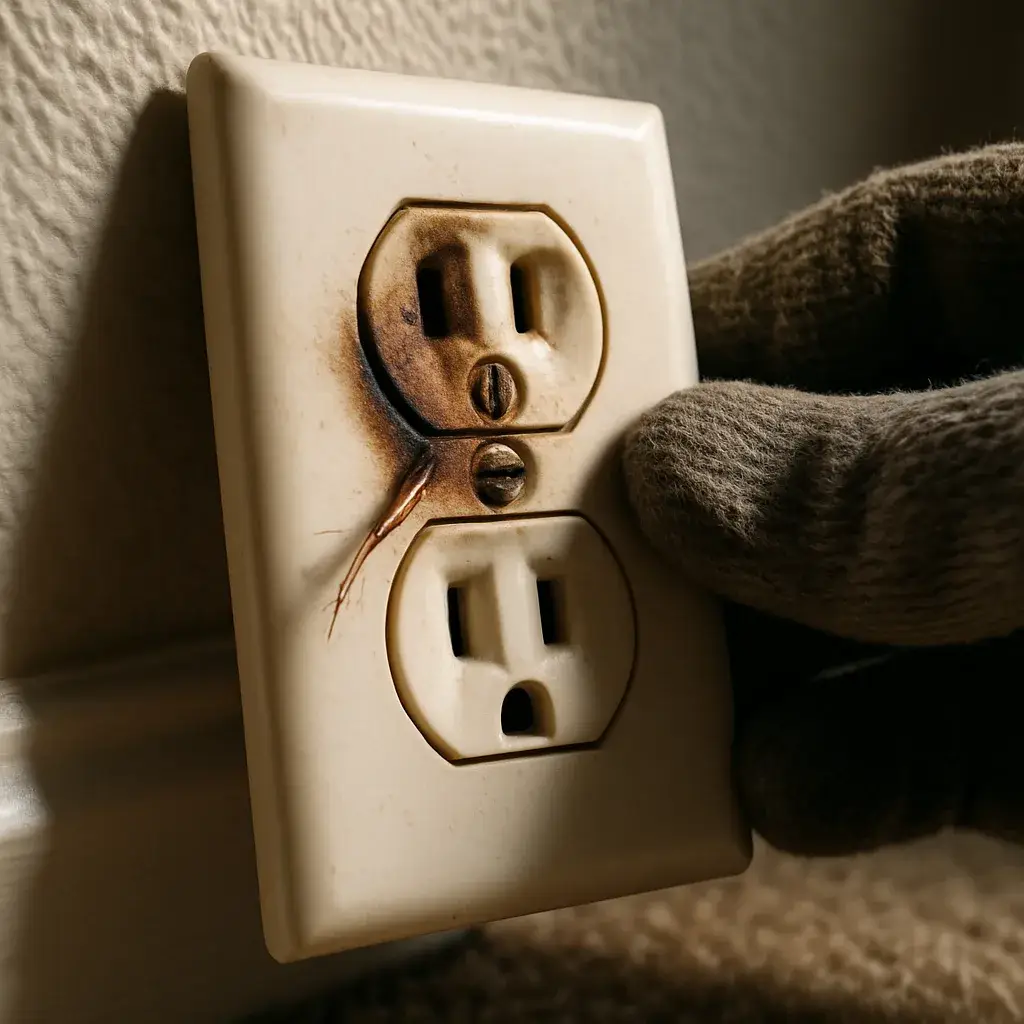
- Outlets or switch plates that feel warm or smell faintly burnt
- A panel with missing knockouts, double-tapped breakers, or no labels at all
- Two-prong outlets in a home that’s had any updates done since
- Bare or aluminum wiring visible in an attic or crawlspace
- Bathroom, kitchen, or garage outlets with no GFCI protection
A lot of Sunnyvale homes built back in the 70s and 80s were wired with aluminum, and that alloy expands and loosens at connections over time. It’s not automatically dangerous, but it’s one of the first things a permit inspector checks. Grounding is another big one. Older houses sometimes ran wiring before local code required a dedicated ground path, and that gap is an automatic fail.
Not every one of these needs a truck at your door today. But if you’re seeing two or three on this list, or you’ve got a home inspection coming up, that’s the moment to get it looked at instead of guessing.
What a Code Correction Visit Involves
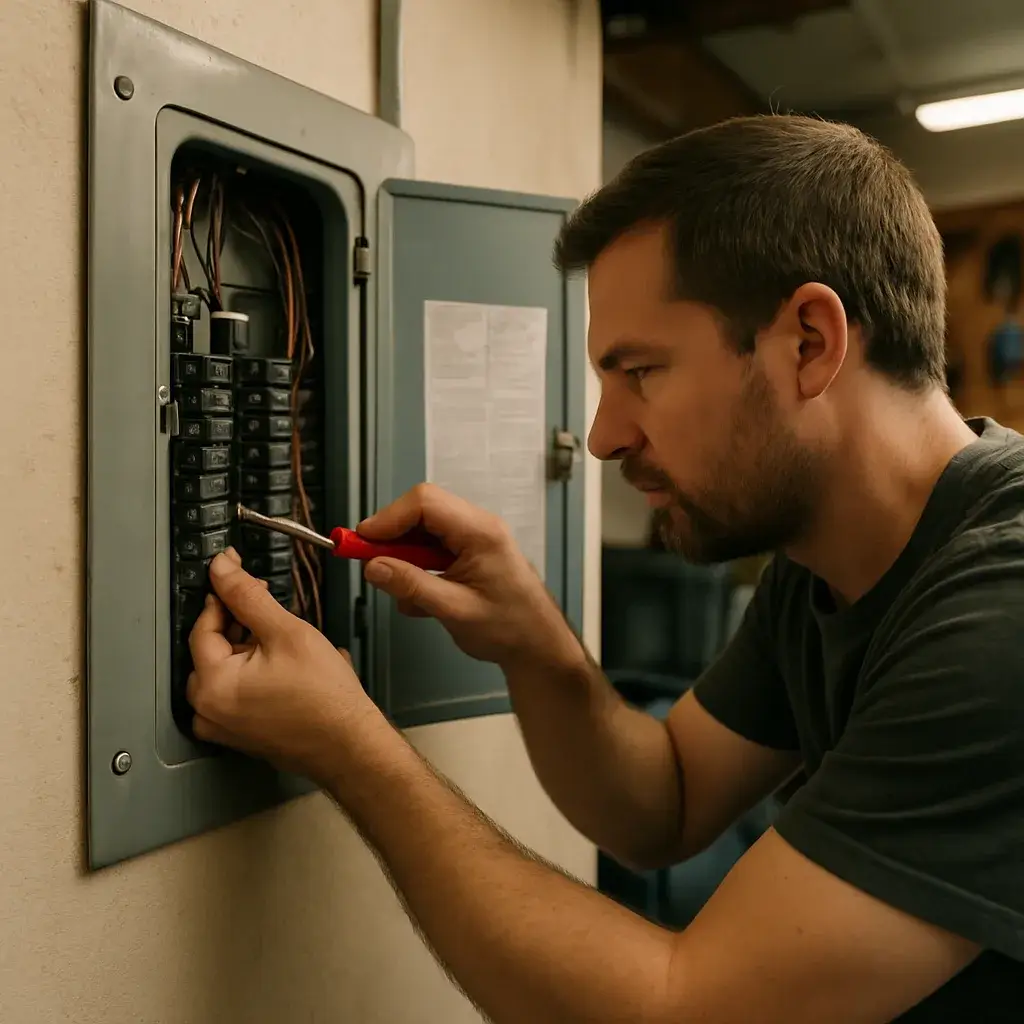
A code correction visit isn’t a full teardown of your electrical system. It’s a focused check on the specific spots where the work doesn’t meet current code, then a fix for exactly those spots. Often, it’s a grounding issue or a box that’s packed with more wire than it’s rated for. We’ve walked into plenty of Sunnyvale homes expecting one bad outlet and found the real issue two circuits over.
Here’s roughly how the visit goes, start to finish.
- We walk the area with you first and ask what prompted the call, an inspection report, a home sale, or something you noticed yourself.
- We check grounding and bonding at the panel and at the outlets in question, since loose or missing grounds are one of the most common findings.
- We open up boxes to check box fill, too many wires crammed into a small box is a fire risk and a common violation.
- We look at the wiring methods used, staples, connectors, cable type, and whether they match what’s allowed for that location.
- We do the corrective work right there, on the same visit, once we know the full scope.
- We test everything we touched and, if a permit and inspection are needed, we make sure the work is ready to pass.
When You Don’t Need a Code Correction Call
Not every electrical quirk means you need code correction. If a breaker trips once during a storm and resets fine, that’s usually just the panel doing its job. A loose outlet cover or a switch plate that’s cracked isn’t a code issue, it’s a hardware store fix. We get calls about things like that pretty often, and honestly, we’d rather tell you to grab a screwdriver than send a truck out for nothing.
Here’s a real one: you’re swapping a ceiling fan for a new light fixture, and the existing wiring is already grounded and rated for the load. That’s a straightforward fixture swap, not a code violation waiting to happen. Same goes for replacing an outlet with an identical one in a home built after grounding became standard. No open panel, no rewiring, no inspection needed.
- A single tripped GFCI outlet that resets and works normally
- Cosmetic wear on switch plates, faceplates, or covers
- Adding a smart plug or lamp that doesn’t touch existing wiring
- Replacing a fixture with an identical model on already-correct wiring
So when does it matter? Code correction comes into play when you’re renovating and a permit is required, selling a home and an inspector flags a violation, or your insurance company asks for proof the electrical work meets current standards. And if you’re not sure which category you’re in, that’s a fair question to ask before anyone touches your panel. We’d rather walk you through it on the phone than have you pay for a diagnosis you didn’t need.
Have questions? We’re happy to help.
Call Today, Get Service Today. Xtreme Air Services is ready to help.
Older Homes Near the US-80 Corridor Face Different Code Risks
Sunnyvale sits right along the US-80 corridor, and a lot of the homes out here were built before today’s electrical code even existed. That matters more than most folks realize.
We show up to houses near that corridor and find two-prong outlets with no ground wire at all. Usually, the panel hasn’t been touched since the house was built. Older subdivisions in this area often have aluminum branch wiring or undersized grounding that met code decades ago but fails it today. And that’s not a knock on the builder, codes just change. A breaker box that was legal in 1985 can flag several violations under current rules.
Bonding is the other big one we run into out here. Older Sunnyvale homes sometimes have plumbing and electrical systems that were never properly bonded together, which inspectors catch fast during a refinance or insurance check.
- Two-prong outlets with no ground path
- Aluminum wiring on branch circuits, common in homes from the 60s and 70s
- Missing or undersized bonding jumpers near the water service
- Overfilled junction boxes from added circuits over the years
- Panels rated below what today’s electrical load needs
None of that means your house is unsafe to live in right now. It just means an inspector, an insurance company, or a home buyer’s agent will likely flag it. Newer subdivisions closer to the edges of Sunnyvale don’t see this nearly as often, their wiring is only a decade or two old and already meets modern grounding and bonding rules.
How Permits and Reinspection Work Near Sunnyvale’s County Lines
Sunnyvale sits right on the line between Dallas County and Kaufman County, and that matters more than people think. Depending on where your property falls, the permit desk and the inspector who signs off on your fix might work for a different office than your neighbor two streets over. We check jurisdiction first, every single time. Skip that step and you can end up with a corrected panel that still fails paperwork, not because the wiring’s wrong, but because nobody pulled the right permit.
So how does it work? Most code correction jobs, grounding, bonding, box fill, wiring methods, need a permit before the work starts and an inspection after. We pull it, we schedule the reinspection, we’re there when the inspector shows up. You don’t have to chase anybody.
- We identify the violation and confirm which jurisdiction covers your address.
- We pull the permit and submit the scope of correction.
- We do the corrective work and test it ourselves first.
- We schedule the official reinspection and walk the inspector through the fix.
- You get a passed inspection on record, not just a verbal promise.
Older homes near the established parts of Sunnyvale sometimes have wiring that predates current permit records entirely, so there’s no history to check against. That’s fine. We treat it the same way, document it, correct it, get it inspected. No permit gets skipped just because the last one never existed.
Frequently Asked Questions
Common questions about Code correction
How fast can you get to my Sunnyvale home for a code correction?
Most code correction calls in Sunnyvale get scheduled within a day or two of you reaching out. We ask a few questions upfront, like whether an inspection report or home sale is driving the timeline, so we know what to bring. If you have a closing date or a permit deadline, tell us when you call. We’ll work around that. Homes near the US-80 corridor often need extra time on-site because older wiring hides more than one issue, so we build that into the visit.
What happens when you show up for a code correction visit?
We start by walking the area with you and asking what prompted the call. Then we check grounding and bonding at the panel and at the outlets in question, since loose or missing grounds are one of the most common findings. We open boxes to check for overcrowded wiring, look at the methods used, and fix what’s out of code on the same visit. If a permit or inspection is needed, we make sure everything’s ready to pass before we leave.
Why do so many older homes near the US-80 corridor fail electrical inspections?
Homes built before today’s code often have two-prong outlets with no ground path, and that’s an automatic fail. Aluminum branch wiring from the 60s and 70s is another common problem, since it expands and loosens at connections over time. We also see missing bonding jumpers near the water service in these older Sunnyvale subdivisions. None of this means the house is unsafe to live in right now. It just means an inspector or insurance company will likely flag it during a sale or refinance.
Do I need a permit for code correction work in Sunnyvale?
It depends on the scope, but most grounding, bonding, or panel work does require a permit and inspection. If you’re renovating, selling a home, or your insurance company is asking for proof the electrical work meets current standards, that’s usually when a permit comes into play. Since Sunnyvale sits near the Dallas and Kaufman County line, reinspection steps can vary slightly depending on which side handles your permit. We’ll walk you through which one applies before any work starts.
How do I know if my wiring is a real code issue or just a small fix?
A single tripped GFCI that resets fine, a cracked switch plate, or replacing a fixture with an identical one on wiring that’s already correct usually isn’t a code issue. Code correction matters more when you’re renovating under a permit, selling a home and an inspector flags something, or your insurance company wants proof of updated work. If you’re not sure which category you’re in, ask before anyone touches your panel. We’d rather talk it through on the phone than send a truck out for nothing.
Ready to Get Started?
Call 972-288-2263 Today, Get Service Today.