


Furnace Replacement in Irving: Know When It’s Time to Replace
An honest way to tell if your furnace is worth one more repair, and what a full replacement includes.
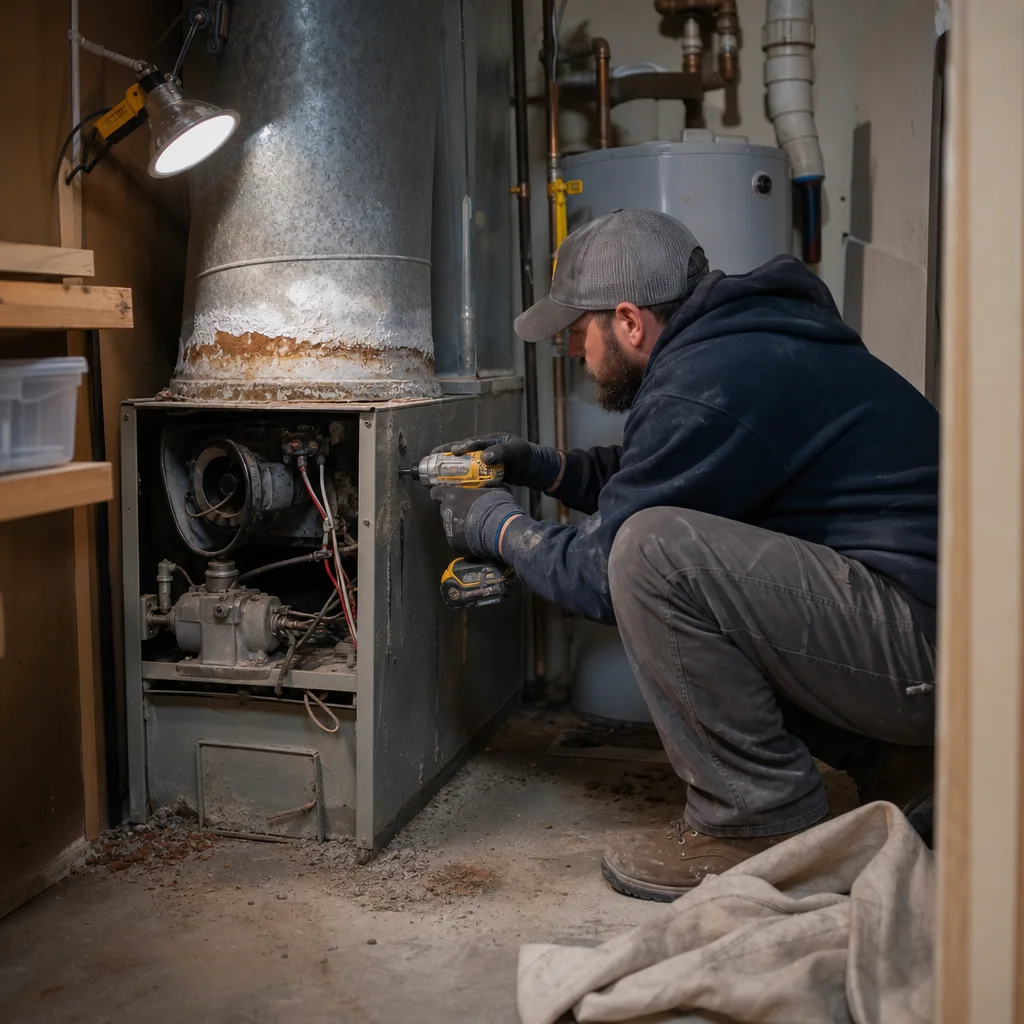
What’s Covered on This Page
- Repair or Replace: How to Decide
- Signs Your Furnace Needs Full Replacement
- When You Don’t Need a Full Replacement
- What Drives Furnace Replacement Cost
- Permits and Code Requirements for Furnace Replacement
- How long does a furnace replacement take once the crew arrives?
- Can I find a licensed HVAC contractor’s credentials before hiring them?
- Will I be without heat during the furnace replacement?
Repair or Replace: How to Decide
Not every dead furnace needs to be replaced. A lot of no-heat calls come down to one worn part. If that’s your situation, a repair is the smart, cheaper move, and we’ll tell you so.
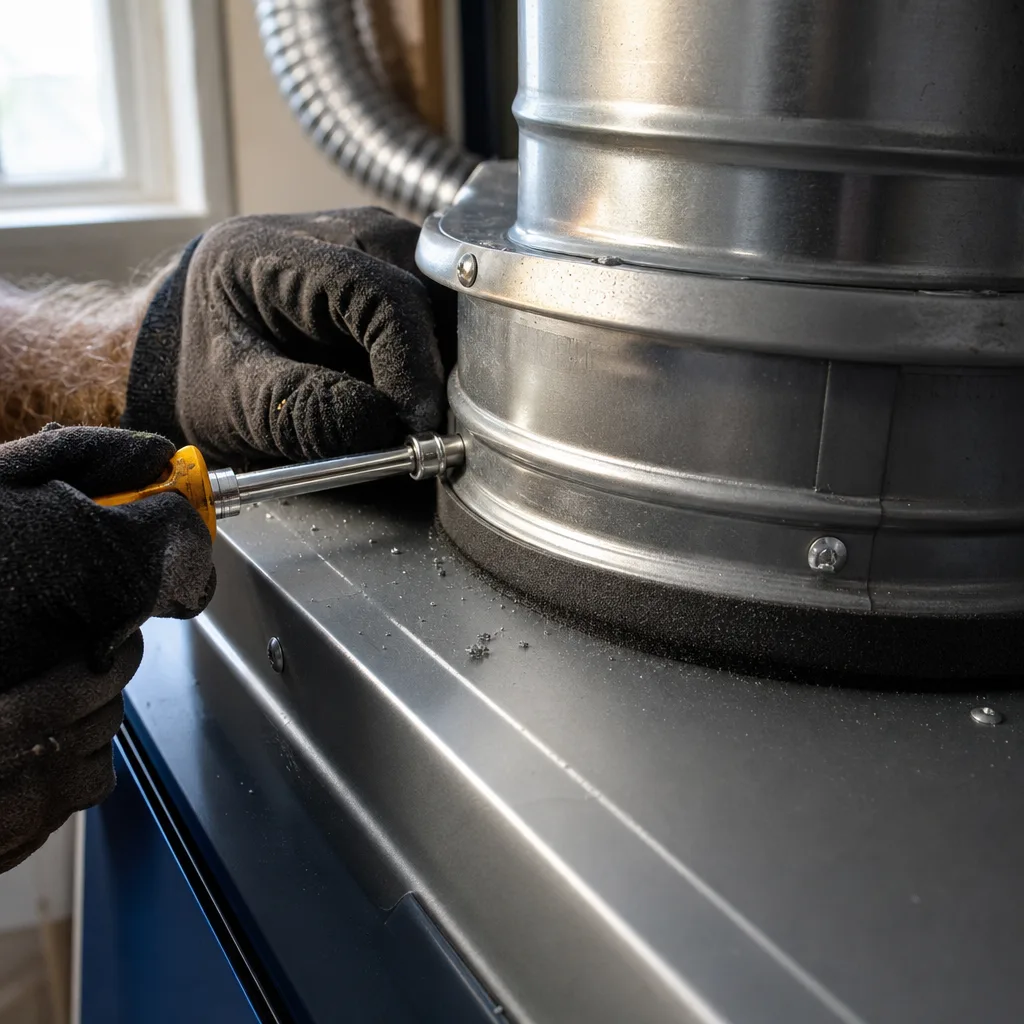
These are common repairs that usually don’t justify a new furnace on their own:
- A cracked or burned-out ignitor, the small part that lights the gas
- A dirty flame sensor, which can make the furnace start and then shut off a few seconds later
- A blower motor that’s noisy or won’t spin
- A faulty control board, the furnace’s “brain”
- A clogged filter choking off airflow, which you can often fix yourself for a few dollars
If your furnace is in good shape apart from one of these, fix it and keep it running. Spending thousands on a new system to solve a small part failure isn’t doing right by you.
Replacement starts to make sense when the repairs stop being one-time events. Here are the signs we look for:
- You’ve paid for repairs more than once in the last couple of winters, and another one is on the table
- The repair quote is a big share of what a new furnace would cost
- Some rooms stay cold even when the furnace runs nonstop
- Your gas bills keep climbing even though your habits haven’t changed
- Your AC is also old and tired, so replacing both at once keeps the system matched and saves you a second install later
Safety changes the math completely. The heat exchanger is the metal wall that keeps burning gas and its fumes away from the air you breathe. When it cracks, it can’t be patched, and running the furnace isn’t worth the risk. Carbon monoxide testing is part of how we check for this. If we find a crack, we’ll show you exactly where it is so you’re not taking our word for it.
There’s a North Texas wrinkle here, too. Winters in Irving are mostly mild, then a hard cold front blows through and your furnace suddenly has to run for days straight. A tired furnace can limp along through the easy weeks and then fail on the coldest night. If yours struggled during the last freeze, take that as a real warning sign. It’s not just bad luck.
You don’t have to figure this out alone. A diagnostic visit carries a $26-$99 service-call fee, and that fee is credited toward the repair if you go ahead with Xtreme Air Services. You’ll get upfront flat-rate pricing approved before any work starts, with no meter running. If repair makes sense, we’ll quote the repair. If replacement makes more sense, we’ll explain why and price that too, so you can compare the two side by side and choose.
Signs Your Furnace Needs Full Replacement
Some furnaces tell you they’re worn out before anyone opens the panel. You just have to know what to look, listen, and sniff for. Here’s what you can check yourself, whether your furnace sits in a hall closet, the garage, or up in the attic.
- A yellow or orange flame. On a gas furnace, the burner flame should be mostly blue and steady. A lazy, flickering yellow flame can mean the gas isn’t burning cleanly. That’s a reason to have the furnace tested for carbon monoxide, not ignored.
- Soot or scorch marks. Black streaks around the burners, the cabinet, or where the vent pipe leaves the furnace point to a combustion problem that’s been going on a while.
- Rust and corrosion inside the cabinet. A little surface rust on the outside isn’t a big deal. Flaking rust around the burners or the vent pipe means the metal is breaking down.
- A bang or boom when it starts. A loud thump a few seconds after the burners click on can mean gas is building up before it lights. Sometimes a cleaning fixes it. On an older furnace with other problems, it’s often one more sign of a tired system.
- Short cycling. The furnace runs for a minute or two, shuts off, then starts again, over and over. That wears parts out fast and wastes gas.
- A burning smell that doesn’t go away. A dusty smell the first time you turn the heat on each fall is normal and fades in an hour or so. A smell that lingers, or smells like hot plastic or wiring, isn’t normal.
Attic furnaces deserve a closer look. A lot of North Texas homes have the furnace in the attic, where it bakes through months of summer heat before it ever runs a heating cycle. That heat is hard on wiring, seals, and metal parts. If your attic unit is showing rust, scorch marks, or a rough start, it’s had a tougher life than a closet furnace the same age.
Parts are another quiet sign. On older models, some replacement parts get harder to find or are no longer made. When a needed part is discontinued, a simple repair can turn into a long wait in the cold or a costly workaround. At that point, a new furnace is often the more practical fix.
Here’s the honest part. One sign by itself doesn’t always mean you need a new furnace. A boom at startup might just be dirty burners. Rust on the cabinet might come from a leaky AC drain line above it, not the furnace failing. And if your furnace is old but starts smoothly, burns a clean blue flame, and keeps your home warm, age alone isn’t a good reason to tear it out.
What matters is the pattern. When you’re seeing two or three of these at once on a furnace that’s already needed repairs, you’re looking at a system near the end of its life. Having a licensed technician confirm it means you’re making the call based on facts, not guesses.
When You Don’t Need a Full Replacement
Sometimes the furnace isn’t the problem at all. Before you start pricing a new one, it’s worth ruling out the things that make a good furnace look bad.
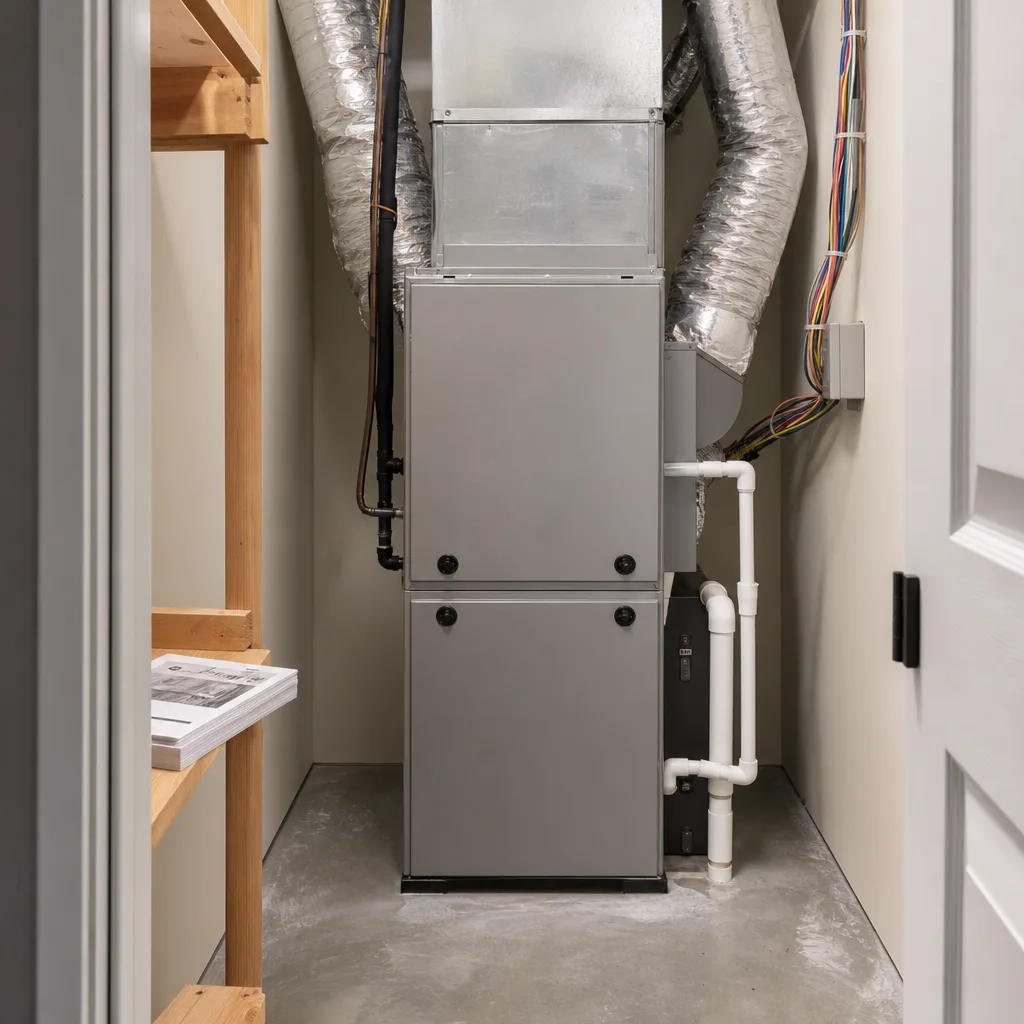
Start with the simple stuff you can check yourself:
- The thermostat. Make sure it’s set to Heat, not Cool or Off, and that the set temperature is above the room temperature. If it runs on batteries, a blank or dim screen often just means it needs new ones.
- The breaker. A tripped breaker for the furnace can make it look dead. If it trips again right after you reset it, stop there and call a pro.
- The furnace power switch. Most furnaces have a switch that looks like a regular light switch, mounted on or near the unit. It’s easy to bump it off by accident, especially on an attic or closet unit where things get stored.
- The filter. If you already swapped a clogged filter, give the system a little time to settle before deciding anything bigger.
If none of that helps, the next question is whether the trouble lives in the furnace or somewhere else in your system. A furnace can be making plenty of heat and still leave you cold if that heat never reaches your rooms.
- Leaky ducts. In a lot of North Texas homes, ductwork runs through the attic, where years of summer heat can dry out seals and loosen joints. Warm air leaks into the attic instead of your bedrooms. Duct sealing or duct repair can fix that for far less than a new furnace.
- One room that’s always cold. If the rest of the house is fine, the cause is often airflow to that room, not the furnace. A zoning system can also help when one floor or one side of the house never matches the rest.
- A thermostat in a bad spot. A thermostat near a sunny window or a drafty door reads the wrong temperature and runs the furnace at the wrong times. Replacing or moving it, or upgrading to a smart thermostat, can make a big difference.
- Dry, uncomfortable air. If your home feels chilly at a normal setting and you’ve got static shocks and dry skin, low humidity may be the issue. A humidifier can help you feel warmer without touching the furnace.
There’s also the opposite case. If your AC is the one that’s worn out and your furnace is still healthy, you may only need a new AC. Just ask your technician to confirm the new AC will work well with the furnace you already have, since the furnace’s blower moves the air for both.
And if your furnace is getting older but still runs fine, you don’t have to replace it today. Irving winters are mostly mild, so a furnace that’s working now may have more seasons left. A yearly tune-up and furnace safety inspection keep an eye on it, so you can plan a replacement on your schedule and budget instead of scrambling during a cold front.
If the furnace is safe, heats well, and the problem turns out to be ducts, a thermostat, or a simple switch, that’s good news. Keep your furnace.
Not sure what your Furnace replacement project needs? Ask us.
Call Today, Get Service Today. Xtreme Air Services — Irving is ready to help.
What Drives Furnace Replacement Cost
Here’s the number you came for. A furnace replacement with Xtreme Air Services typically runs $3,800-$8,000. The job we do most is a standard like-for-like swap, where the new furnace hooks up to your existing connections with no major changes. That job runs $4,600-$6,300 and covers the equipment, materials, professional installation, startup, and testing.
Where your home lands in that range depends on a few real things. None of it is guesswork, and you’ll see each one on your quote before any work starts.
- Size and capacity. A bigger home usually needs a furnace that puts out more heat, and bigger units cost more. Sizing matters both ways. A furnace that’s too small runs nonstop on a cold night, and one that’s too big turns on and off in short bursts.
- Efficiency. AFUE tells you how much of your gas turns into heat for your home. A higher number means less gas wasted and a higher price up front. Because Irving winters are mostly mild, it’s worth asking how many years it would take for the gas savings to cover that higher price.
- Brand and model. Basic single-stage furnaces cost less. Models with variable-speed blowers cost more but run quieter and heat more evenly.
- Ease of access. A furnace in a garage or hall closet is simpler to swap. One up in a hot, tight attic takes more time and care to get out and get the new one in.
- Condition of what’s already there. If your ductwork, wiring, or gas plumbing is worn or doesn’t fit the new unit, it has to be fixed or changed.
- Code upgrades and permits. Older setups sometimes need updates to meet current code before a new furnace can go in. Permits can apply too.
- Custom fabrication. If the new furnace doesn’t line up with your existing ducts, sheet metal has to be built to connect them.
So you know exactly what you’re paying for, here’s how it breaks down.
Included: the equipment and materials, professional installation, standard connections, startup and testing, and haul-away of your old unit. You won’t be left with a dead furnace sitting in your garage.
Not included unless your quote says so: changes to your ducts, electrical, or plumbing, code corrections, and permits. These aren’t hidden fees. They’re the parts of the job that change from house to house, so they get priced once someone has looked at your setup.
A simple example makes the difference clear. Say your old furnace sits in a hall closet and the new one fits the same space and the same connections. That’s close to the most common job. Now say your furnace is in the attic, the duct connection needs new sheet metal, and the old wiring needs updating. That job moves toward the higher end. Both are fair prices for different amounts of work.
You’ll get upfront flat-rate pricing before anything starts, with no meter running and no extra charge for nights or weekends. If the total is more than you want to pay at once, flexible financing is available on qualifying installations and larger jobs, on approved credit.
Watch Our Video
See How We Handle Furnace replacement in Irving
Xtreme Air Services — Irving
Permits and Code Requirements for Furnace Replacement
A furnace burns gas inside your home, so replacing one isn’t like swapping out a water filter. Rules govern who can do the work and how it has to be done. Those rules exist so your new furnace vents its fumes outside, gets enough air to burn cleanly, and doesn’t create a fire risk in your attic or closet.
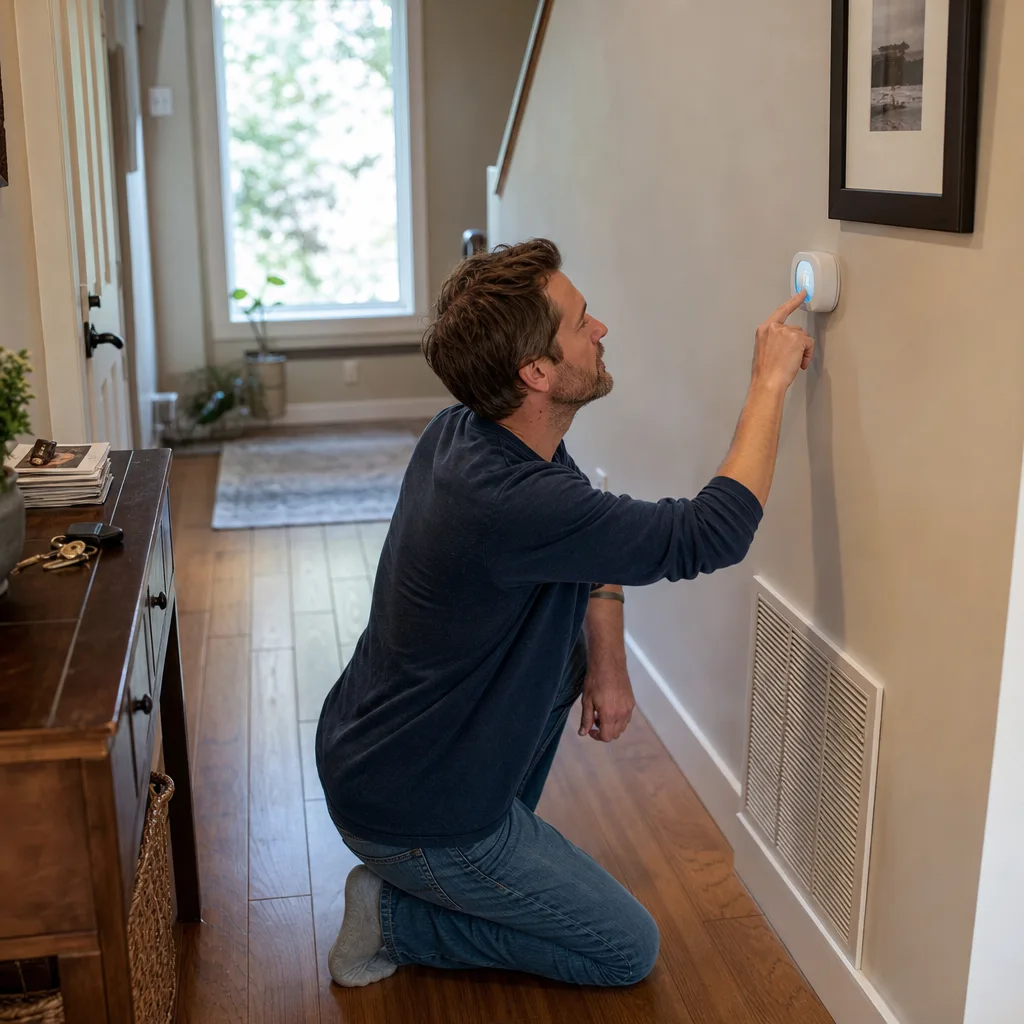
In Texas, HVAC work has to be done under a license issued by the Texas Department of Licensing and Regulation, or TDLR. Xtreme Air Services works under HVAC License #TACLA29023C. You can look up any contractor’s license on the TDLR website before you let them near your gas line, and you should.
Permits are the other piece. Many cities require a permit and an inspection when a gas furnace is replaced. The inspection is a second set of eyes checking the work after the installer is done. Rules can change, so the simplest move is to check with the City of Irving or ask your contractor up front. As we covered in the cost section, permits aren’t part of the standard price unless your quote says so. You’ll want to know who is pulling the permit and whether the fee is on your quote.
Here are code items that often come up when an older furnace comes out and a new one goes in:
- Venting. The vent pipe has to be the right size and material for the new furnace. A high-efficiency furnace runs cool enough that it usually vents through plastic pipe, not the old metal flue. Reusing the wrong vent can let fumes back into your home.
- Condensate drain. High-efficiency furnaces make water as they run. That water needs a proper drain. On an attic furnace, a backup pan or a shutoff switch helps keep a clogged drain from turning into a ceiling stain.
- Gas connection. The gas line needs a shutoff valve near the furnace and a tight, leak-tested connection.
- Combustion air. A gas furnace needs a steady supply of air to burn cleanly. A furnace closed up in a tight closet may need vents added.
- Attic access. An attic furnace needs a safe path to reach it, room to work around it, and a light near it, so it can be serviced without someone balancing on rafters.
- Clearances and electrical. The furnace has to sit a safe distance from wood and other things that can burn, and it needs a proper power shutoff nearby.
Older homes are where these items show up most. A furnace installed decades ago met the rules of its day, but those rules have changed. That’s why code corrections are priced after someone looks at your setup instead of being guessed at over the phone.
Before you sign anything, ask three plain questions. Is the person doing the work licensed with TDLR? Is a permit needed for my home, and who’s pulling it? Does the quote list any code corrections my setup needs? A contractor doing things right won’t mind any of them. If the answers are vague, take that as your cue to keep looking.
Frequently Asked Questions
Common questions about Furnace replacement
How long does a furnace replacement take once the crew arrives?
A standard like-for-like swap usually takes one day from start to finish. That covers removing the old furnace, setting the new one, connecting it, and testing it before the crew leaves. An attic install or a job that needs new sheet metal or wiring updates can take longer, since access and extra fabrication slow things down. You’ll know upfront if your job falls into that second group.
Can I find a licensed HVAC contractor’s credentials before hiring them?
Yes, you can look up any HVAC contractor’s license through the Texas Department of Licensing and Regulation website before letting them touch your gas line. Every HVAC contractor in Texas has to hold a TDLR license to do this work legally. Checking takes a couple of minutes and confirms the license is active and in good standing.
Will I be without heat during the furnace replacement?
You’ll be without heat only for the hours the install takes, which is usually one day for a standard swap. The crew removes the old unit, sets the new furnace, and runs startup testing before heading out, so you’re not left guessing whether it’s working. Scheduling the job before a hard freeze hits, rather than during one, means less waiting in a cold house.
Ready to Get Started?
Call (469) 200-2166 Today, Get Service Today.