


Heat Pump Installation in Irving: What a Fair, Code-Correct Job Looks Like
A fair, code-correct heat pump install – with what's included, what isn't, and a license you can check before you sign.

What’s Covered on This Page
- Know When Heat Pump Installation Is the Right Call
- See What a Standard Installation Includes and Excludes
- Check the License Before You Sign a Quote
- Understand the Installation Day Process
- Size the System Right for North Texas Winters and Summers
- How many hours a day should a heat pump run in winter during a North Texas cold snap?
- Is it cheaper to run a heat pump than a furnace in Irving?
- Can one heat pump handle both Irving’s hot summers and winter freezes?
Know When Heat Pump Installation Is the Right Call
Heat pump installation is a big decision, so let’s start with the honest question: do you need one? A heat pump cools your home in summer and heats it in winter with the same outdoor unit. It moves heat instead of making it. That’s why it can be a smart fit here in North Texas, where you run the AC for months and then get hit with a sudden cold front.
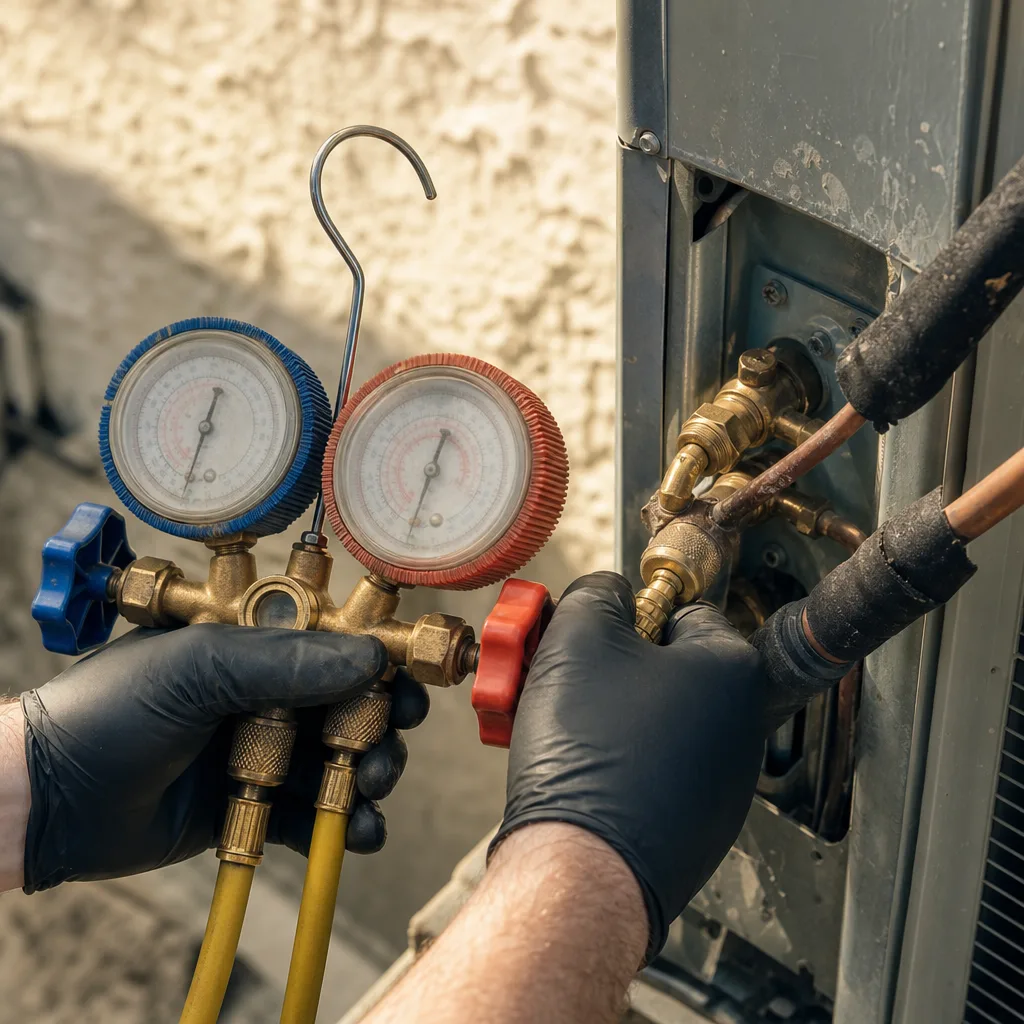
Here’s when installing a new heat pump is usually the right move:
- Your current heat pump or AC is getting old, breaks down often, and the repair quote is a big share of what a new system would cost.
- Your AC needs replacing anyway. Swapping it for a heat pump gives you cooling plus efficient heat in one system.
- Your heating bills jump every winter because your home leans on electric heat strips to stay warm.
- Some rooms stay hot in summer and cold in winter, and the system just can’t keep up anymore.
- Your old unit uses an outdated refrigerant, and a big refrigerant leak would be costly to fix.
Now the other side. You may not need a new system at all, and we’d rather you know that before you spend a dime.
- Your system is still fairly young and one part quit, like a capacitor or fan motor. That’s usually a repair, not a replacement.
- The air filter is clogged. A dirty filter can choke airflow and make a good system act like a bad one. Change it first.
- A breaker tripped or the thermostat got bumped to the wrong mode. Check those before you call anyone.
- You see steam rising off the outdoor unit on a cold morning. That’s often a normal defrost cycle, not a breakdown.
- The emergency or auxiliary heat light comes on during a hard freeze. Many heat pumps use backup heat when it’s very cold outside. That alone doesn’t mean the system is failing.
If one of those sounds like your situation, heat pump repair may get you back to comfortable for a lot less. A good technician should tell you that straight, not push you toward a new unit you don’t need.
If you do need a new system, size matters more than most people think. A heat pump that’s too big cools fast but shuts off before it pulls the sticky Texas humidity out of the air. One that’s too small runs nonstop on a 100-degree afternoon and struggles when a cold snap rolls in. A proper cooling load calculation looks at your actual home, including its size, insulation, windows, and which way it faces, so the unit fits the house you live in.
As a Trane Comfort Specialist with licensed and insured technicians, our team can look at what you have now, tell you plainly whether it’s worth fixing, and walk you through your options if it’s time for something new. You stay in control of the decision. We just make sure you have the facts.
See What a Standard Installation Includes and Excludes
When you get a price for a new heat pump, check what’s in it. Two quotes can look far apart just because one covers more of the job than the other. Here’s how our pricing breaks down so you can compare apples to apples.
Our heat pump installations typically fall between $5,000 and $12,000. The most common job is a standard like-for-like swap. That means the new system uses your existing connections, with no major modifications. That job typically runs $6,400 to $9,200.
A standard installation includes:
- The new equipment and materials
- Professional installation
- Standard connections to your existing setup
- Startup and testing of the new system
- Haul-away of your old unit, so it’s not left sitting in your yard
These items aren’t included unless your quote says they are:
- Duct modifications
- Electrical modifications
- Plumbing modifications
- Code corrections
- Permits
Why are those separate? Because nobody can price them until they’ve seen your home. Say your house is a few decades old. The ductwork might have loose joints, or the wiring might not match what the new equipment needs. Or something from an old install might not meet code today. Another home on your street might need none of that. When those items sit outside the base price, you can ask what each one is for and decide with the full picture. With upfront flat-rate pricing, you approve the price before work starts, so there’s no meter running.
Here’s what moves your price up or down inside that range:
- Size and capacity. Bigger homes usually need more tonnage, which is just how much heating and cooling the unit can handle.
- Efficiency. A higher SEER2 rating means it cools on less power, and a higher HSPF2 rating means it heats on less power. Higher ratings cost more up front but can trim your monthly bills.
- Brand and model.
- Ease of access. A unit tucked into a cramped attic or a hard-to-reach spot takes more labor than one that’s easy to get to.
- The condition of your existing ductwork, wiring, and plumbing.
- Code upgrades and permits.
- Any custom fabrication, like a part that has to be made to fit your space.
There are two more things worth knowing. Our service-call fee is $26 to $99, and it’s credited toward the repair if you proceed with Xtreme Air Services. Flexible financing is also available on qualifying installations and larger jobs, on approved credit. That can help if a new system wasn’t in this month’s budget.
Whoever you call, ask these three questions before you sign: Is haul-away of the old unit included? Are permits in this price or extra? What happens to the price if my ductwork or wiring needs work? A straight answer to all three tells you a lot about who you’re hiring.
Check the License Before You Sign a Quote
Before you sign any quote for a new heat pump, take five minutes to confirm the company is licensed. A lower price doesn’t help you if the person installing your system isn’t allowed to do the work in Texas.
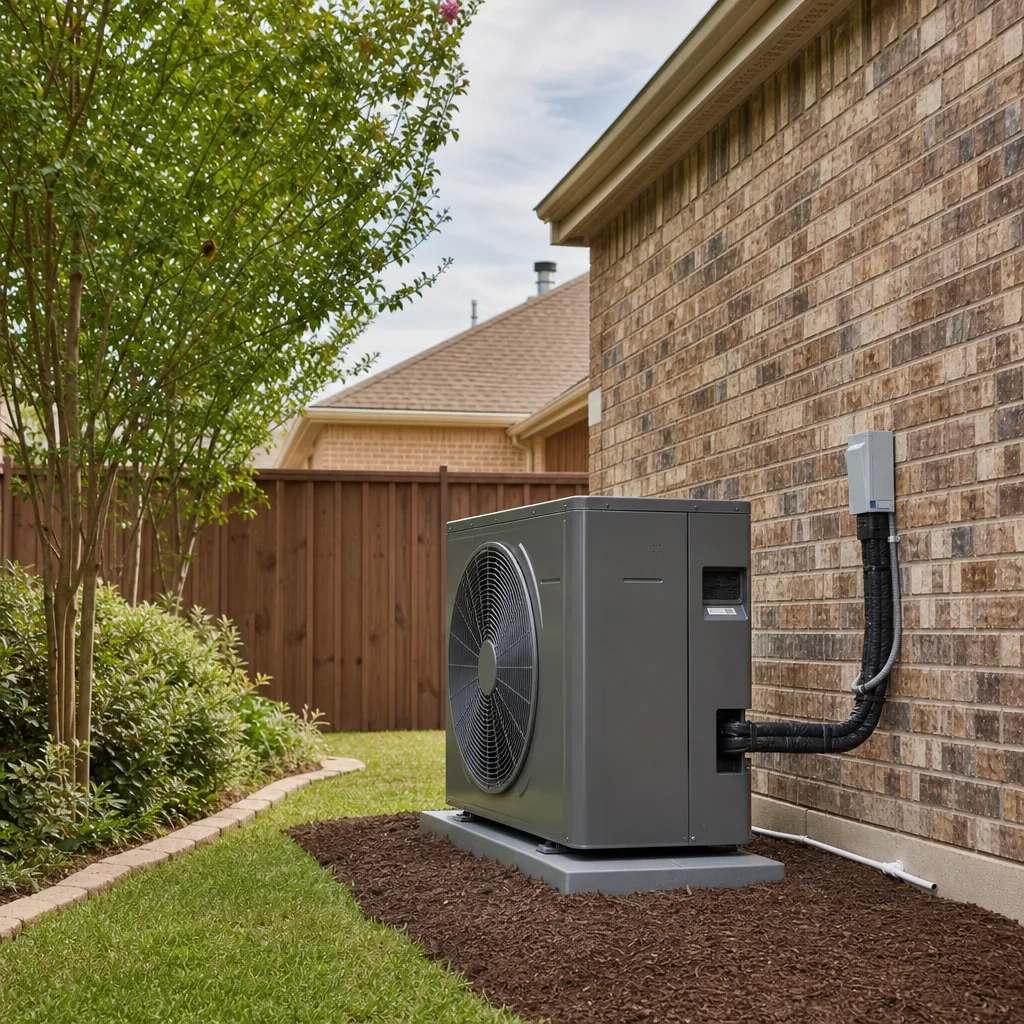
In Texas, HVAC contractors are licensed by the Texas Department of Licensing and Regulation, also called TDLR. A heat pump install isn’t just setting a box in the yard. It means handling refrigerant, running high-voltage wiring, and connecting to your ductwork and thermostat. A licensed contractor has shown they know how to do that safely and to code. If a job goes wrong, a license also gives you somewhere to turn.
Here’s how to check any installer, including us:
- Ask for the license number. A real contractor will give it to you right away. It should be printed on the quote, the truck, or the website.
- Look it up yourself. TDLR has a public license search online. Make sure the name matches the company you’re hiring and the license is active.
- Ask who’s doing the install. Find out whether the crew works for the company or is a subcontractor you’ve never heard of.
- Ask about insurance. If someone gets hurt in your attic or something gets damaged, you don’t want that coming back on you.
- Ask who handles the permit. Permits weren’t part of our standard price, so ask every contractor plainly who pulls the permit and whether it’s in the quote.
Watch for a few red flags. Be careful if someone wants cash only, won’t put the price in writing, pressures you to sign today, or gets vague when you ask for a license number. Also be careful if they show up after a storm offering a deal. None of those always means a scam, but each one is a good reason to slow down.
We don’t mind being checked. Our HVAC license number is TACLA29023C, and you’re welcome to look it up before you ever call us. Xtreme Air Services is fully licensed and insured. The people who come into your home are background-checked and drug-tested team members. We’re a Trane Comfort Specialist with a 4.8-star reputation across more than 2,900 reviews on Google, Angi, and HomeAdvisor. That’s a lot of your neighbors around North Texas trusting us with their homes.
Our office is right here in Irving at 5000 Riverside Drive. When you call, you talk to a real person, not a call center. With upfront flat-rate pricing, you’ll see the full price in writing and approve it before any work starts. Then compare it side by side with anyone else’s quote.
Call 469-200-2166
Need help with Heat pump installation?
Call Today, Get Service Today. Xtreme Air Services — Irving is ready to help.
Understand the Installation Day Process
Once you’ve said yes to a new heat pump, the next question is simple: what happens on the day? Knowing the steps helps you get ready. It also helps you spot whether the job was done with care or rushed.
A few small steps make the day go smoother:
- Clear a path to your indoor unit. That might be in the attic, a hall closet, or the garage. Move boxes and anything fragile out of the way.
- Clear the area around the outdoor unit, and trim back plants that crowd it.
- Plan for pets. Doors will open and close a lot.
- Plan for no heating or cooling while the old system is out. In a North Texas summer, that means fans, cool drinks, and keeping kids or older family members comfortable. In a cold snap, it means extra blankets.
A typical like-for-like swap follows the same basic order. Here’s what’s going on and why each step matters to you.
- Power off and refrigerant recovered. The installer shuts off power to the system. Then the old refrigerant gets pulled out with proper equipment, not let out into the air.
- Old equipment out. The old outdoor unit and the indoor parts being replaced come out. Haul-away is part of a standard install, as covered above.
- Outdoor unit set level. North Texas clay soil swells when it’s wet and shrinks when it’s dry, so pads can tilt over the years. A new unit should sit level on a solid pad.
- Indoor coil or air handler installed. This is the part that moves air through your ducts. Attic installs take extra care in summer, when attic heat can be brutal.
- Lines connected and sealed. The copper lines between the indoor and outdoor units are joined, then pressure-tested for leaks.
- Moisture pulled out. A vacuum pump clears air and moisture from the lines before refrigerant goes in. Skip this step, and the system can wear out early.
- Wiring and thermostat connected. The new system gets power, and the thermostat is set up to run both heating and cooling.
Startup and testing are part of a standard install. That’s where a good installer proves the system works. They should run it in cooling mode and in heating mode, not just one. They’ll check the refrigerant charge and confirm air is moving well at your vents.
Before the installer heads out, walk through these with them:
- Feel the air at a vent in both cooling and heating mode.
- Ask them to show you how to use the thermostat, including the emergency heat setting.
- Look at the outdoor unit. It should sit level, with the lines neatly sealed and insulated.
- Make sure the old unit is gone and your attic, closet, and yard are cleaned up.
- Get the paperwork: the model and serial numbers, and anything about the permit if one was part of your quote.
If something seems off, say so while the installer is still there. A quick question then is much easier than a callback later. A good installer will be glad you asked.
Watch Our Video
See How We Handle Heat pump installation in Irving
Xtreme Air Services — Irving
Size the System Right for North Texas Winters and Summers
You already know a unit that’s too big or too small lets you down. Here’s what that looks like across a full North Texas year, and how to make sure the size on your quote fits both seasons.
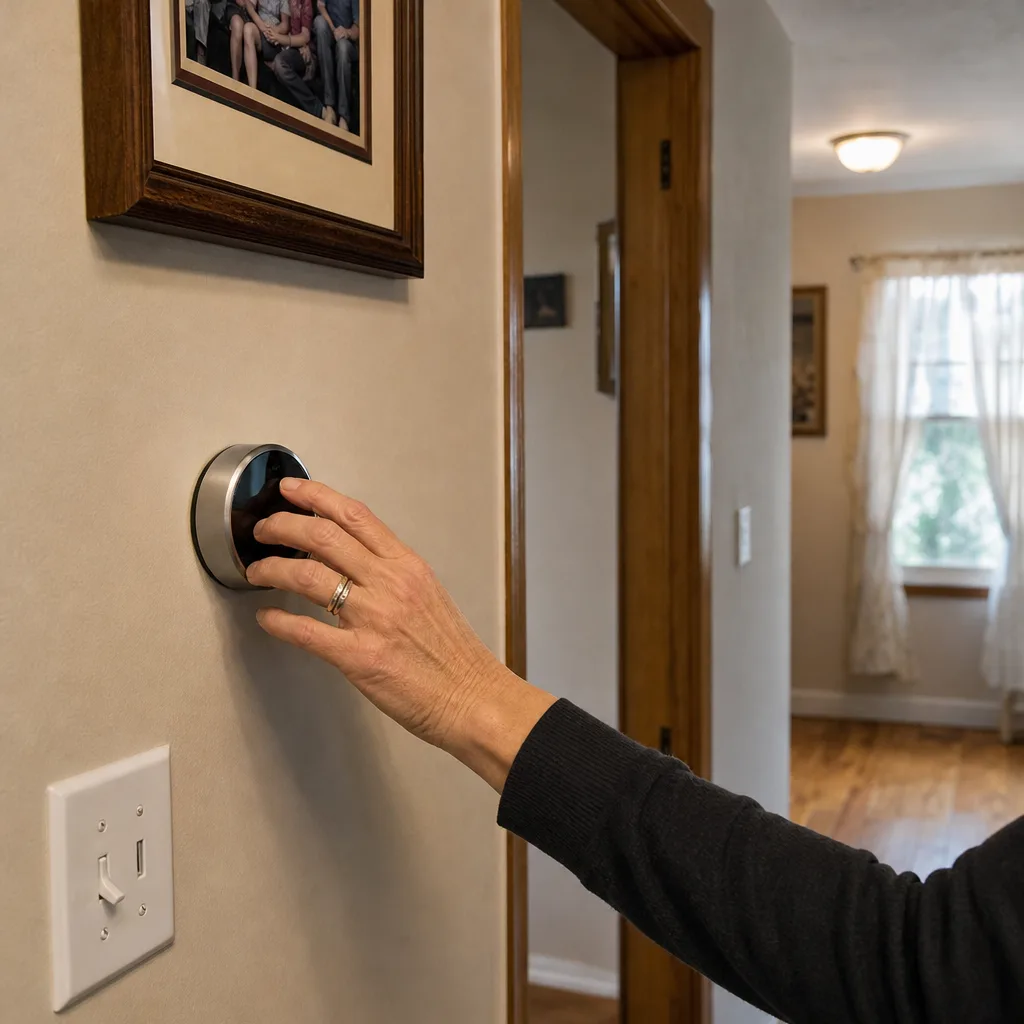
Summer is usually the biggest job here, so sizing starts there. On a long July afternoon, you want a heat pump that runs steady and keeps up. Long, even run times are what pull the moisture out of the air. That’s the difference between a home that feels cool and one that feels cool but clammy.
Winter is the tricky part. A heat pump pulls heat from the outdoor air, and the colder it gets outside, the less heat it can grab. On a mild December day, that’s no problem. During a hard freeze, a standard heat pump may lean on backup electric heat strips to keep your home warm. Those strips work, but they cost a lot more to run. A system sized only for July can leave you paying for that backup heat every time a cold front blows through.
That’s why the right answer often isn’t just a bigger unit. A variable-speed heat pump can slow way down on mild days and ramp up when it’s very hot or very cold, so it handles both ends better. The backup heat should also be sized so it’s ready for a freeze without becoming your main heat source.
A real sizing looks at your actual house. It should cover:
- How much attic insulation you have, and how well it’s holding up
- Your windows, how many there are, and which way they face. West-facing glass gets hit hard by afternoon sun.
- Air leaks around doors, attic hatches, and older windows
- The size and condition of your ductwork
- Rooms that never feel right, like a hot upstairs bedroom or a cold back room
Watch for shortcuts. If someone picks a size from your square footage alone, or simply matches the tonnage on your old unit without asking anything, slow down. Your old system may have been the wrong size from day one. Or your home may have changed since then, with new windows, added insulation, or a room addition.
Ducts matter just as much as the unit. A perfectly sized heat pump hooked to leaky or undersized ducts still can’t get the air where you need it. Sometimes duct sealing fixes that. If one space, like a converted garage, never keeps up, a ductless mini-split or a zoning system may be a better fix than oversizing the whole system.
Cooling load calculation is one of the services we offer, so you can ask for it by name. You should see why a size was chosen, not just a number on a page.
Call now
Frequently Asked Questions
Common questions about Heat pump installation
How many hours a day should a heat pump run in winter during a North Texas cold snap?
A heat pump in North Texas often runs for long stretches, even most of the day, during a hard freeze, and that’s normal. It pulls heat from outside air, so the colder it gets, the harder the system has to work to keep your home warm. Long run times alone don’t mean something’s wrong. If the system runs nonstop and your home still feels cold, or the backup heat strips seem to be doing all the work, that’s worth a service call.
Is it cheaper to run a heat pump than a furnace in Irving?
A heat pump usually costs less to run than electric resistance heat, because it moves heat instead of generating it. On mild Irving winter days, a heat pump heats your home efficiently. During a hard freeze, it may lean on backup electric heat strips, which cost more to run than the heat pump alone. A properly sized variable-speed heat pump cuts down on how often that backup heat kicks in.
Can one heat pump handle both Irving’s hot summers and winter freezes?
Yes, a correctly sized heat pump can handle both a 100-degree Irving summer and a winter hard freeze, but sizing has to account for both seasons, not just one. A unit sized only for summer cooling can leave you relying on backup electric heat strips every time a cold front moves through. A variable-speed heat pump that adjusts its output, paired with properly sized backup heat, handles both extremes better than a standard single-speed unit.
Ready to Get Started?
Call (469) 200-2166 Today, Get Service Today.