


Tankless Water Heater Installation in Fort Worth
Tankless installs by licensed plumbers, with the gas line, venting, permits and inspection covered.
What’s Covered on This Page
- Know What Your Home Needs Before You Install
- Licensed Plumbing Work Is Required by Texas Law
- What’s Included in a Standard Tankless Installation
- Signs You Need Replacement, Not a Repair
- How the Installation Process Works
- How long does a tankless water heater last compared to a tank?
- Can a tankless water heater supply two showers running at the same time?
- Does a tankless water heater lower my utility bill?
- What happens to my tankless heater during a winter freeze if the power goes out?
Know What Your Home Needs Before You Install
A tankless unit doesn’t store hot water. It heats water as it flows through. So the real question isn’t how many gallons you need. It’s how much hot water your home pulls at the same time, and how much the unit has to warm it up.
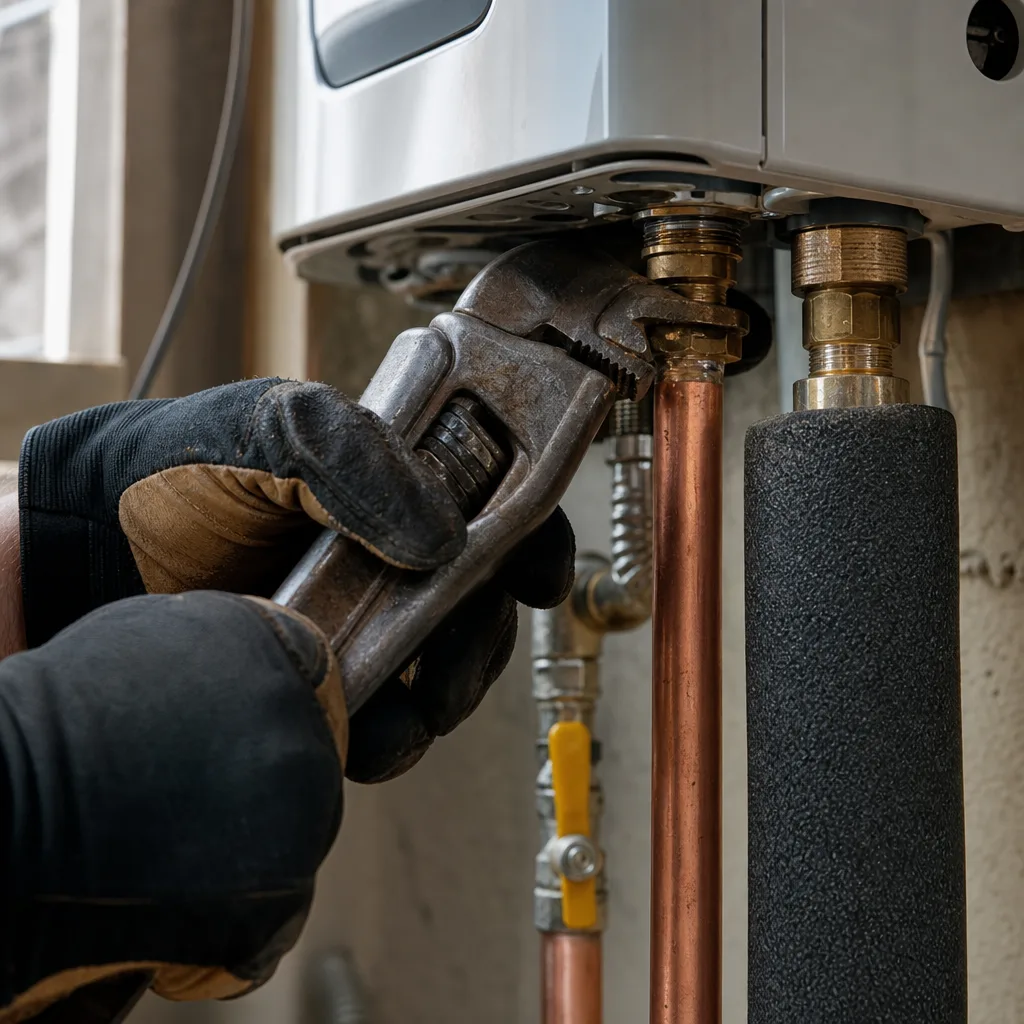
Picture a weekday morning. One person is in the shower, the dishwasher is running, and someone’s washing up at the kitchen sink. Add up that flow, measured in gallons per minute, and you have the load your heater has to keep up with. If the unit is too small, the shower turns lukewarm the moment another tap opens.
Then there’s the temperature rise. That’s how many degrees the heater has to add to the water coming into your house. In Fort Worth, that incoming water is a lot colder in January than in August, so the unit has to work harder in winter. A heater sized for a mild day can come up short during a cold snap. Size it for winter, and summer takes care of itself.
Once the size is clear, these are the parts of your home that need a close look:
- Gas supply. A gas tankless unit can burn far more gas at full power than the old tank did. The line from your meter has to be big enough to feed it, or the heater won’t reach full output.
- Venting. Gas tankless units need their own venting, and it often doesn’t match the flue your old tank used. New venting is a normal part of many gas installs.
- Electrical. Electric tankless models can draw a lot of power and may need dedicated circuits. An older panel may not have the room, and that can mean an electrical panel upgrade first.
- Location and access. Garages, closets, and attics all work differently. A spot that’s hard to reach or needs new piping adds time and cost.
- Water quality. North Texas water is hard, and the minerals leave scale inside the heater over time. Some homeowners pair a new tankless unit with a water softener to help protect it.
Here’s why all this matters before you sign anything. The most common job we do is a standard like-for-like install that uses your existing connections with no major modifications. It runs $3,700 to $5,100. That covers the equipment and materials, professional installation, standard connections, startup and testing, and haul-away of your old unit.
What moves a job outside that range is the work your home needs to support the new heater. Gas line or plumbing changes, electrical modifications, code corrections, and permits aren’t included unless they’re stated in your quote. That’s not a trick. It’s the reason these checks happen first, so you know the full scope before work begins.
With Xtreme Air Services, you get upfront flat-rate pricing that you approve before work starts. Our licensed and insured technicians walk you through what your home needs and why, so the price you agree to is the price you pay.
Licensed Plumbing Work Is Required by Texas Law
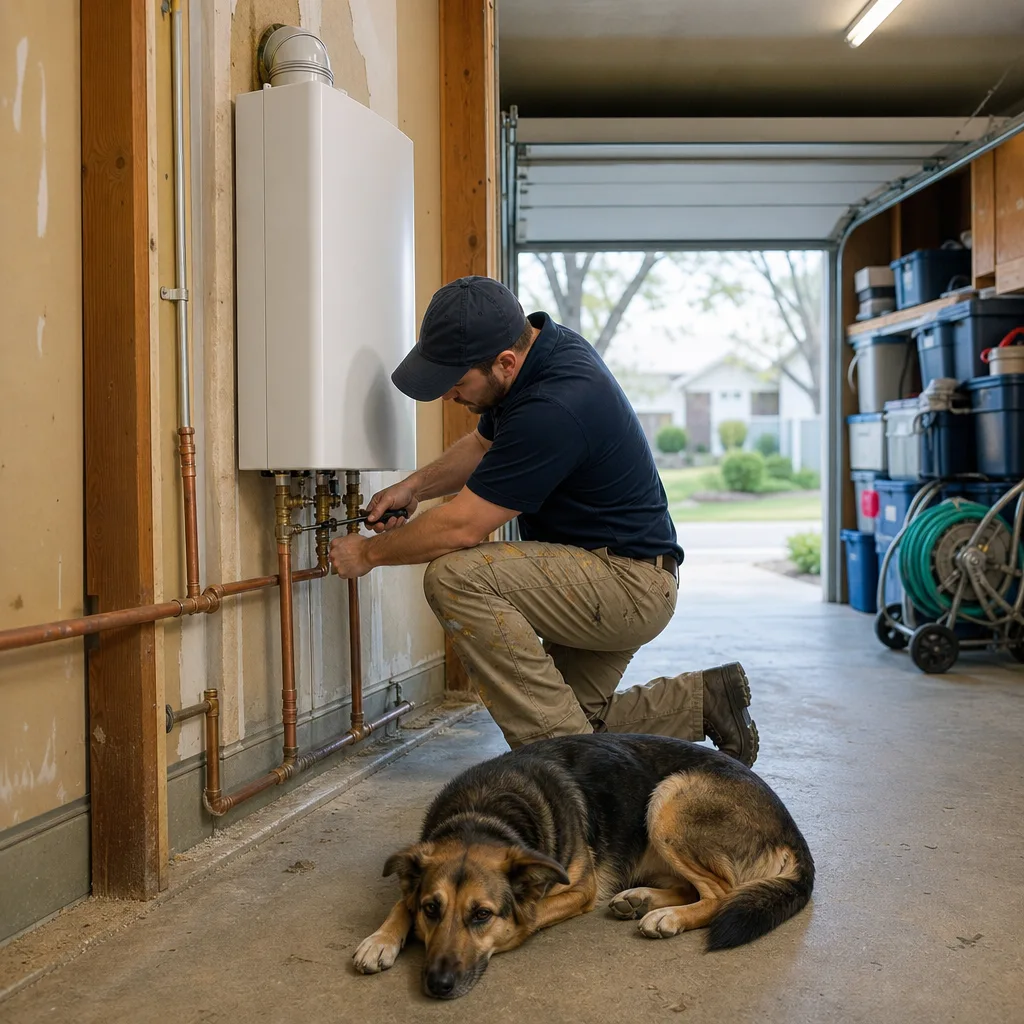
Installing a tankless water heater isn’t a handyman job in Texas. The work touches your water supply and, on a gas unit, your gas line and venting. Texas requires that kind of plumbing work to be done by a licensed plumber. Gas work in particular has to meet code, because a bad connection or a poorly vented unit can put gas or carbon monoxide where your family breathes.
That’s the same setup work covered above: the gas line size, the new venting, the circuits on an electric model. Those checks only protect you if the person doing them is trained and licensed to do them right.
In Fort Worth, a water heater replacement generally calls for a city permit and an inspection. The inspection is a second set of eyes on the work. An inspector looks at how the unit is connected, vented, and secured before you rely on it every day. Skipping the permit can come back to bite you later. It can cause problems when you sell your home, or questions from your insurance company after a leak or fire.
Electric tankless units come with their own rules. If your model needs new dedicated circuits or panel work, that part of the job needs a licensed electrician. Texas licenses electricians separately from plumbers, so a plumbing license alone doesn’t cover the wiring.
This is where hiring one company for the whole job makes life easier. Xtreme Air Services is a fully licensed and insured HVAC, plumbing, and electrical contractor. Our plumbing work is backed by the license of Master Plumber Larry Breedlove, and the electrical side of an electric tankless install stays under the same roof. You don’t have to coordinate two or three trades or wonder who’s responsible if something isn’t right.
Whoever you hire, here’s what to ask before you sign:
- What’s your plumbing license number, and whose license is the work done under? A real contractor will tell you right away.
- Who pulls the permit, and is it included in the quote? Permits aren’t part of a standard install price unless they’re stated, so get it in writing.
- Are you insured? If someone gets hurt or your home gets damaged during the job, you don’t want that landing on you.
- If my gas line, venting, or panel needs work, who does it? Make sure each part is done by someone licensed for it.
- Will the job be inspected before you leave it with me? The answer tells you a lot about how the installer works.
A lower bid from someone who skips the license or the permit isn’t really cheaper. If the gas line is undersized or the venting is wrong, you can end up paying to have it torn out and redone, on top of the risk. Paying for a licensed install once, done right the first time, is the safer and usually less expensive path.
Our technicians are licensed, insured, background-checked, and drug-tested. When we quote your tankless job, we’ll tell you what your home needs, whether a permit applies, and how it’s handled, all before any work starts.
What’s Included in a Standard Tankless Installation
Once the checks above show your home can support the new heater without major changes, the job itself is fairly simple. A like-for-like install uses the gas, water, and venting connections you already have. That’s what keeps it inside the standard price we covered earlier. Here’s what that work looks like, so you know what you’re paying for.
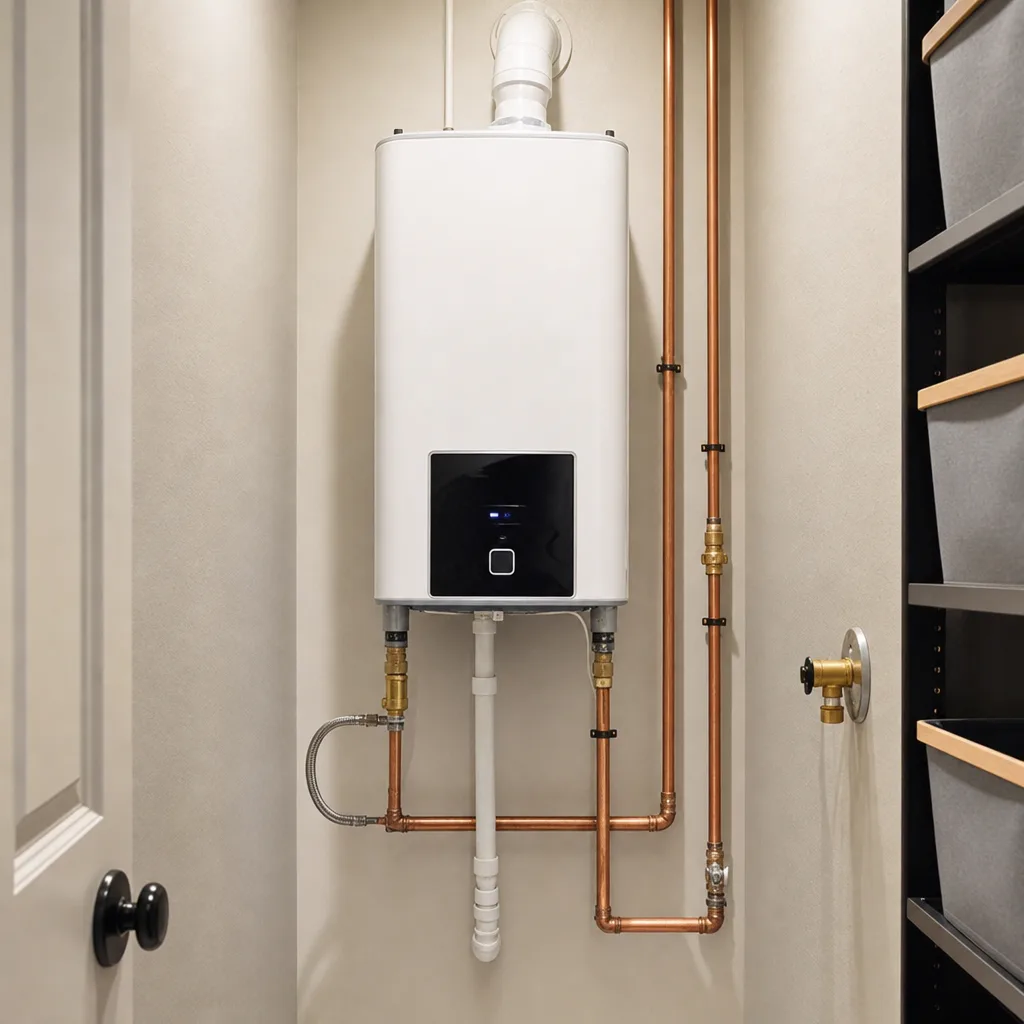
- Shutting things down safely. The water supply and the gas or power to the old heater get turned off first. Then the old unit is drained and disconnected.
- Mounting the new unit. Tankless heaters hang on the wall instead of sitting on the floor. The unit has to be secured to solid framing with enough clearance around it for service.
- Making the water connections. Cold water in, hot water out, tied into your existing lines. A good install also adds service valves, which make it much easier to flush scale out of the heater later.
- Connecting gas and venting, or power. On a gas unit, the gas line and vent connect to the heater and get checked for leaks. On an electric unit, the heater connects to the circuits that are already there.
- Running a condensate drain if the unit needs one. High-efficiency gas models make a little water as they run, and it needs a place to go.
- Startup and testing. The heater is fired up, checked for leaks, and run at more than one tap to confirm it holds temperature.
- Hauling away the old unit. You don’t have to figure out what to do with a heavy old tank or heater.
Before the installer packs up, spend five minutes with them. This is your best chance to catch a problem while someone qualified is still standing in your home.
- Run hot water at the shower and the kitchen sink at the same time. The temperature should stay steady.
- Ask what temperature the unit is set to, and how to change it if your family wants it hotter or cooler.
- Have them show you the water shutoff and the gas shutoff or breaker for the heater.
- Ask how often the heater should be flushed. With our hard water, scale is the main thing that wears a tankless unit down, so this is worth writing down.
- Look at the connections yourself. You shouldn’t see drips, damp spots, or a smell of gas.
If something doesn’t look or feel right, say so before the installer leaves. A careful installer would rather fix it on the spot than come back next week.
A few money details are worth knowing up front. Xtreme Air Services charges a $26 to $99 service-call fee. That fee is credited toward the work if you go ahead with us, so you’re not paying twice to get someone out to look at your setup.
If a new tankless heater makes sense but the full cost all at once doesn’t, flexible financing is available on qualifying installations and larger jobs, on approved credit. Ask about it when you get your quote, and we’ll walk you through what’s available before anything is signed.
Ready when you are – get in touch today.
Call Today, Get Service Today. Xtreme Air Services — Fort Worth is ready to help.
Signs You Need Replacement, Not a Repair
Not every water heater problem means you need a new one. Before you start pricing a tankless unit, figure out whether your current heater is worn out or just has one bad part. Here’s how to tell the difference.
These signs point toward replacement:
- Water is leaking from the tank itself. A leaking valve or loose fitting can often be fixed. But if the tank body is leaking, the metal has failed, and there’s no real repair for that.
- Your hot water looks rusty or brown, but the cold water runs clear. That usually means the inside of the tank is rusting.
- You hear rumbling or popping when the heater runs. That’s often a thick layer of mineral buildup in the bottom of the tank. Our hard water makes that more likely over time.
- You keep running out of hot water sooner than you used to, even though your household hasn’t changed.
- You’ve paid for repairs more than once recently, and now something else has broken. At some point, more repair money is better spent toward a heater that fits your home.
- Your heater is old enough that you don’t know when it was installed. The label on the side usually shows a manufacture date. It’s worth a look before you decide.
If two or three of those sound familiar, it’s a good time to compare a new tank against a tankless unit. That way you’re making the choice on your schedule instead of after a leak.
Here’s the other side, and it matters just as much. A repair is usually the smarter move when your heater is fairly new and the problem comes down to one part. On a gas tank, a pilot that won’t stay lit is often a small, fixable part. On an electric tank, no hot water or only lukewarm water often comes down to a heating element or thermostat. Those fixes cost far less than a new heater. If that’s your situation, a water heater repair makes more sense than a replacement.
And you don’t have to go tankless just because your old heater died. If a standard tank has always kept up with your family, and your gas line or panel would need costly upgrades to support a tankless unit, a new tank may be the better fit. Tankless pays off most for homes that run out of hot water, want to free up floor space, or plan to stay put long enough to enjoy the lower energy use. If none of that describes you, a tank is a perfectly good choice.
Not sure which side of the line you’re on? That’s what the service call is for. Our licensed and insured technicians will look at your current heater, tell you plainly whether it’s worth repairing, and, if a tankless unit makes sense, give you an upfront flat-rate price before any work starts. Same-day service is available, with no extra charge for nights or weekends.
Call 817-677-1907
Watch Our Video
See How We Handle Tankless water heater installation in Fort Worth
Xtreme Air Services — Fort Worth
How the Installation Process Works
You already know what gets checked and what happens on install day. Here’s how the whole thing plays out on your end, so nothing catches you off guard.
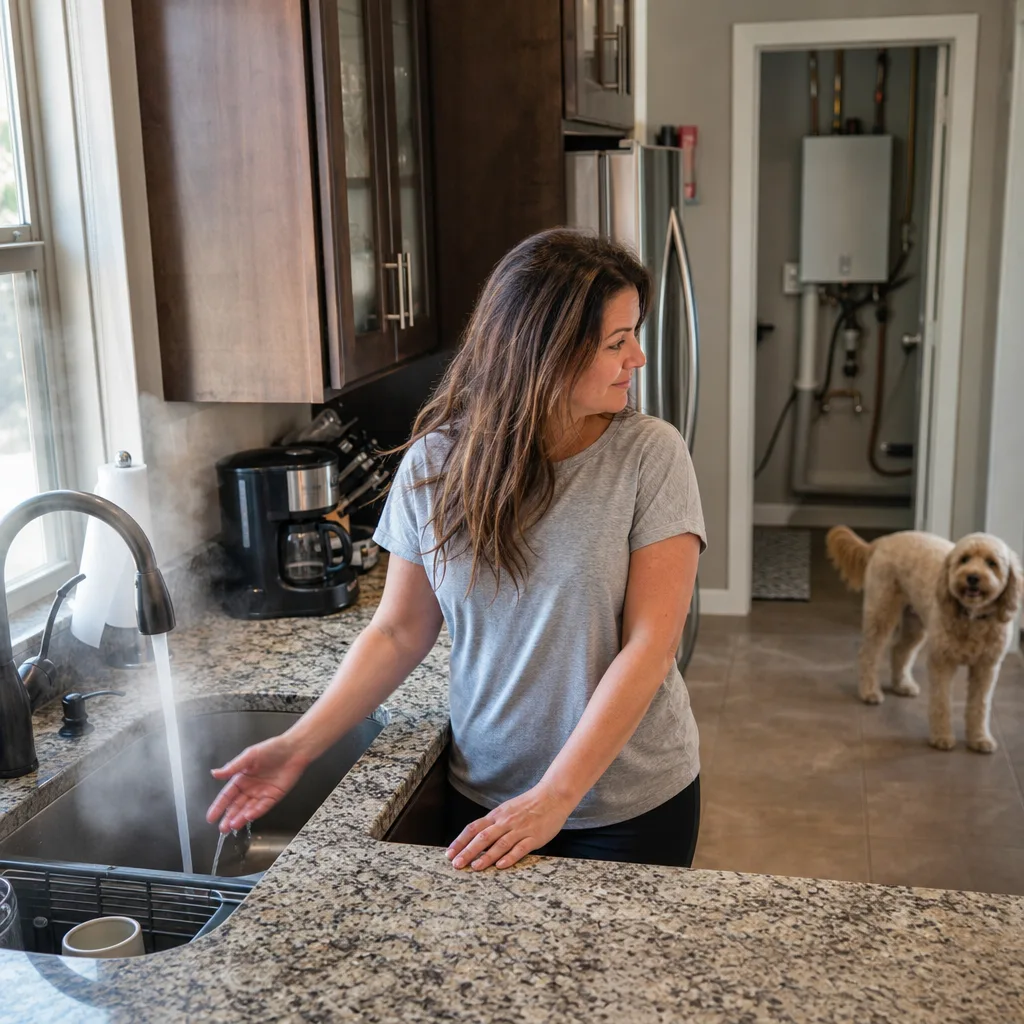
It starts with a phone call. You talk to a real person, explain what’s going on with your current heater, and set up a time for a technician to come out. Same-day service is available if your old heater just quit and you’re without hot water.
Next comes the look at your home. That visit answers the sizing and setup questions covered above. Then you get a flat-rate price to approve before any work starts. Read that quote closely. It should spell out anything beyond a standard swap, like gas line work, new venting, a circuit, or a permit. If something on it isn’t clear, ask. A good quote is one you can explain to your spouse at the kitchen table.
Once you say yes, it’s time to set the install date. A little prep on your side makes that day go smoother:
- Clear a path to your old heater. Move boxes, bikes, or anything stored around it in the garage or closet.
- Plan for some time without hot water. Get showers and laundry done before the crew arrives.
- Keep pets in another room. Doors may be open, and the water and gas will be shut off for a while.
- Decide where you want the new unit if you’re open to moving it. A tankless heater hangs on the wall, so you may be able to win back floor space.
A straightforward like-for-like swap is often a one-day job. Jobs that need new venting, a bigger gas line, or electrical work can take longer. Your quote should tell you which kind of job yours is.
If your job needs a permit, the city inspection usually comes after the install is done. Keep the unit easy to reach until the inspector has signed off. Ask your installer whether someone needs to be home for that visit.
Then you live with it for a few weeks. A tankless heater feels a little different from a tank, and a few things are normal:
- Hot water may take a few seconds longer to reach a far tap. The unit fires up when you turn on the water, and the water still has to travel through your pipes.
- You might notice a short burst of cooler water if you shut the shower off and turn it right back on. That’s leftover water in the line, not a problem with the heater.
- A very low trickle may not turn the heater on at all. Most units need a minimum flow before they start heating, so open the tap a bit more.
One more question is worth asking before the installer leaves, especially if your unit sits in a garage or on an outside wall. North Texas gets hard freezes. Ask how to protect your new heater if the power goes out during a cold snap. Many units rely on electricity for their built-in freeze protection, and a frozen heat exchanger is an expensive surprise.
If anything seems off in those first weeks, like the temperature swinging, an error code, or a drip you didn’t notice before, call while it’s fresh. Small issues are easiest to sort out early.
Frequently Asked Questions
Common questions about Tankless water heater installation
How long does a tankless water heater last compared to a tank?
A well-maintained tankless unit typically lasts longer than a standard tank heater, often reaching 15 to 20 years with regular flushing. Fort Worth’s hard water speeds up mineral scale buildup inside the unit, so flushing on schedule matters more here than in areas with softer water. Skipping flushes is the main reason a tankless heater falls short of its expected lifespan.
Can a tankless water heater supply two showers running at the same time?
It depends on the unit’s size and your home’s total hot water demand at that moment. A tankless heater sized only for one shower will struggle once a second shower, the dishwasher, or a sink opens up at the same time. This is why sizing for your home’s peak demand, not just one fixture, is part of the setup check before installation.
Does a tankless water heater lower my utility bill?
Many homeowners see lower energy use because a tankless unit only heats water when you need it, instead of keeping a full tank hot all day. How much you save depends on your household’s hot water use and your gas or electric rates. Homes that run out of hot water often or want long-term savings tend to benefit the most from making the switch.
What happens to my tankless heater during a winter freeze if the power goes out?
Many tankless units rely on electricity to run built-in freeze protection, so a power outage during a hard freeze can leave the unit unprotected. North Texas gets hard freezes most winters, which makes this worth asking about before your installer leaves. A frozen heat exchanger is a costly repair, so it’s worth knowing your unit’s backup plan ahead of time.
Ready to Get Started?
Call (817) 677-1907 Today, Get Service Today.