


Duct Sealing in Sunnyvale: Stop Paying to Cool Your Attic
Pressure and smoke testing to find the failed seams, then sealing them so you stop paying to cool a 130-degree attic.
What’s Covered on This Page
- Signs Your Ductwork Is Leaking Conditioned Air
- Duct Sealing in Sunnyvale Homes With Attic Ductwork
- When Duct Sealing Isn’t the Right Fix
- What Happens During a Duct Sealing Visit
- How Duct Sealing Pricing Works
- How fast can you get out to my Sunnyvale home to check my ducts?
- What happens when your technician shows up for a duct sealing visit?
- How do I know if my attic ductwork is leaking?
- Will sealing my ducts lower my summer energy bill?
- Is duct sealing enough, or do I need new ductwork?
Signs Your Ductwork Is Leaking Conditioned Air
Most duct leaks don’t announce themselves. No alarm goes off. You just notice the back bedroom never quite cools down, or your energy bill creeps up even though nobody’s touched the thermostat. Sound familiar? That’s usually air escaping somewhere between your unit and the vent.
A lot of Sunnyvale homes run their ductwork through the attic, and Texas summer attic temps can push well past 130 degrees. That heat bakes flex duct connections and tape over time, and joints that were sealed tight years ago start to pull apart. We see this every single week once summer really gets going.
- One or two rooms that stay warmer or cooler than the rest of the house
- Your energy bill climbing without a change in how you use the system
- Dust building up around vents faster than it used to
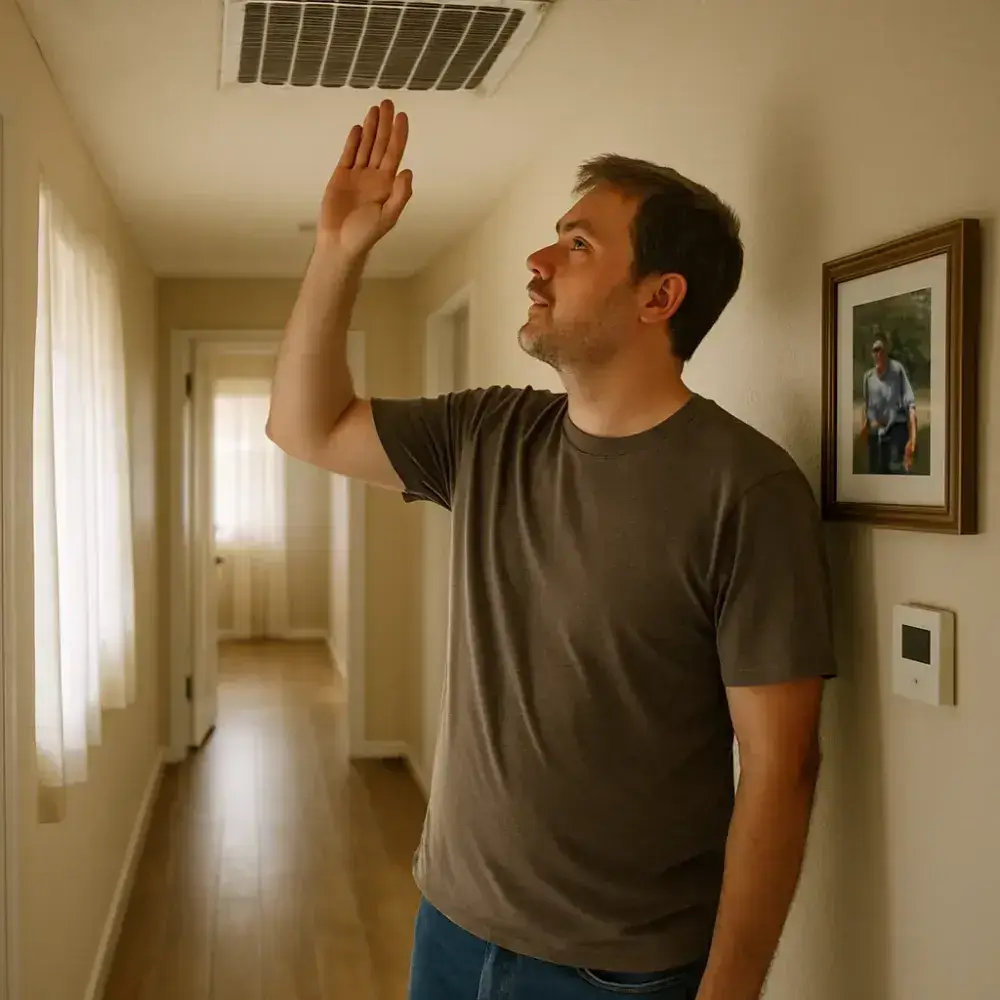
- A hissing, whistling, or rushing sound near ceiling registers or attic access
- Your attic feels noticeably hot even with the AC running full blast
Not sure which of these apply to you? That’s pretty common. Most folks notice the bill first, then connect the dots once we point out the leak in the attic.
Duct Sealing in Sunnyvale Homes With Attic Ductwork
Most homes we work on in Sunnyvale run their ductwork through the attic rather than a basement or crawlspace. That’s just how homes here get built. And it matters, because a Texas attic can hit 130 to 140 degrees in July. Your ducts sit right in that heat all day long.
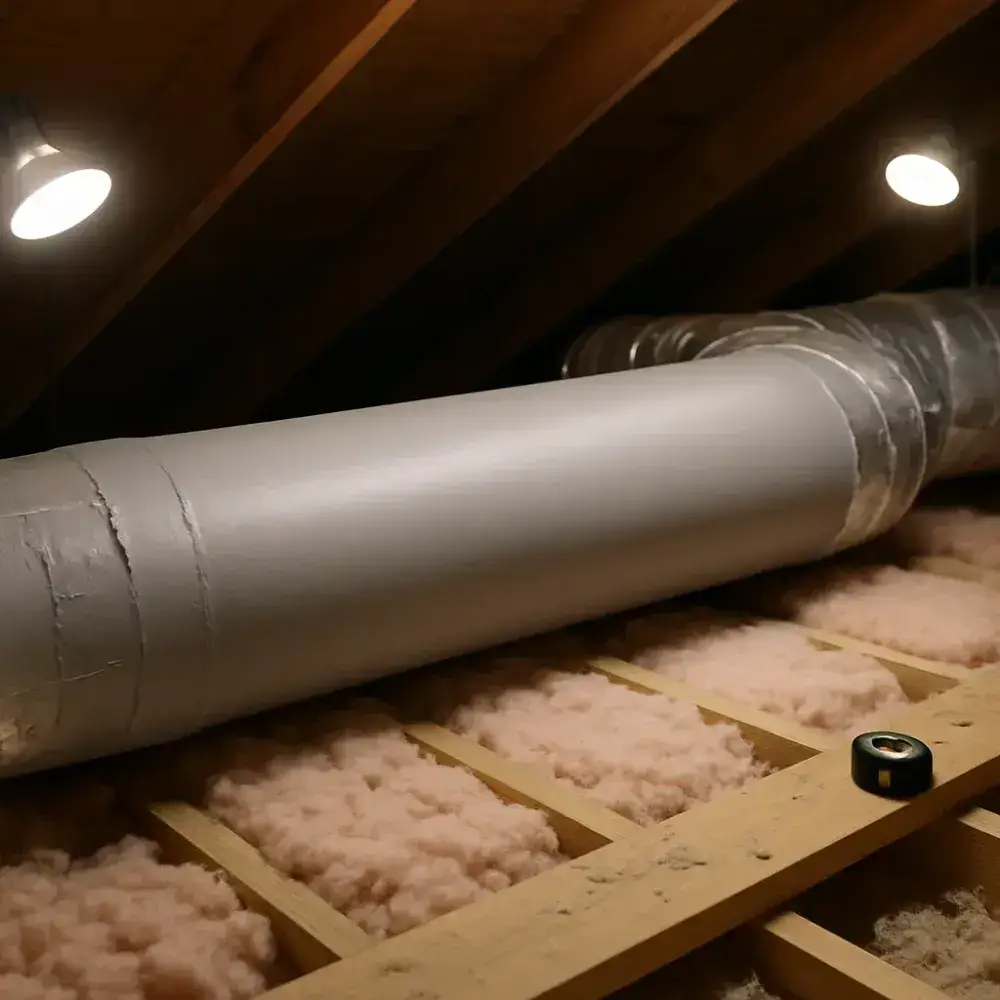
Sheet metal expands and contracts with that kind of heat swing. Flex duct connections loosen. Mastic seals crack over time. More often than not, when we pull back attic insulation on an older Sunnyvale home, we find at least one seam that’s opened up.
Here’s what that looks like from inside your house. A bedroom at the far end of the hall never quite cools down, even though the thermostat says it should. Or your energy bill jumps in August and nothing else changed. That gap in the duct is dumping cooled air straight into the attic instead of your room.
This is exactly why duct sealing matters more here than in a lot of other markets. You’re not fighting normal wear, you’re fighting a 130 degree attic every single summer. Sealing the leak stops the loss where it happens, instead of asking your system to work harder to make up for it. 80 six days a week.
- One room stays noticeably warmer than the rest of the house
- Attic access panel feels hot to the touch near ductwork
- Energy bills climb without a change in habits
- Visible gaps or disconnected sections where duct meets the vent boot
When Duct Sealing Isn’t the Right Fix
Duct sealing fixes leaky joints and gaps, not every comfort problem in your home. If one room runs hot no matter what, that’s usually a design issue, undersized ductwork or a return that’s too small, and sealing won’t change it. We see this every single week: a homeowner calls about a stuffy back bedroom, and the real fix turns out to be a duct redesign or a zoning system, not sealing tape and mastic.
So how do you know the difference? A few situations where duct sealing isn’t the answer:
- Your system is over 15 years old and struggling across the board, not just in one area – that’s often an equipment problem, not a duct problem
- You’ve got visible mold or standing water in the ducts themselves, which needs cleaning or replacement first
- Airflow is weak at every single vent, which can point to a failing blower motor instead of leaky ducts
- You just want lower bills and haven’t had an actual inspection yet – sealing helps, but it’s not a guess-and-hope fix
Sunnyvale has a mix of older homes with original attic ductwork from decades back and newer builds with tighter systems. In the older homes, we often find sealing alone won’t fully solve the comfort issue if the insulation around the ducts has broken down too.
If that’s your situation, we’ll tell you straight. Nobody here gets paid to sell you something you don’t need.
Need help with Duct sealing?
Call Today, Get Service Today. Xtreme Air Services is ready to help.
What Happens During a Duct Sealing Visit
Here’s what happens once we’re at your door. You’re not getting a mystery process, you’re getting a straight walk-through, start to finish.
Every visit follows the same basic order, whether it’s a small return leak in a Sunnyvale ranch home or a longer supply run in a two-story newer build.
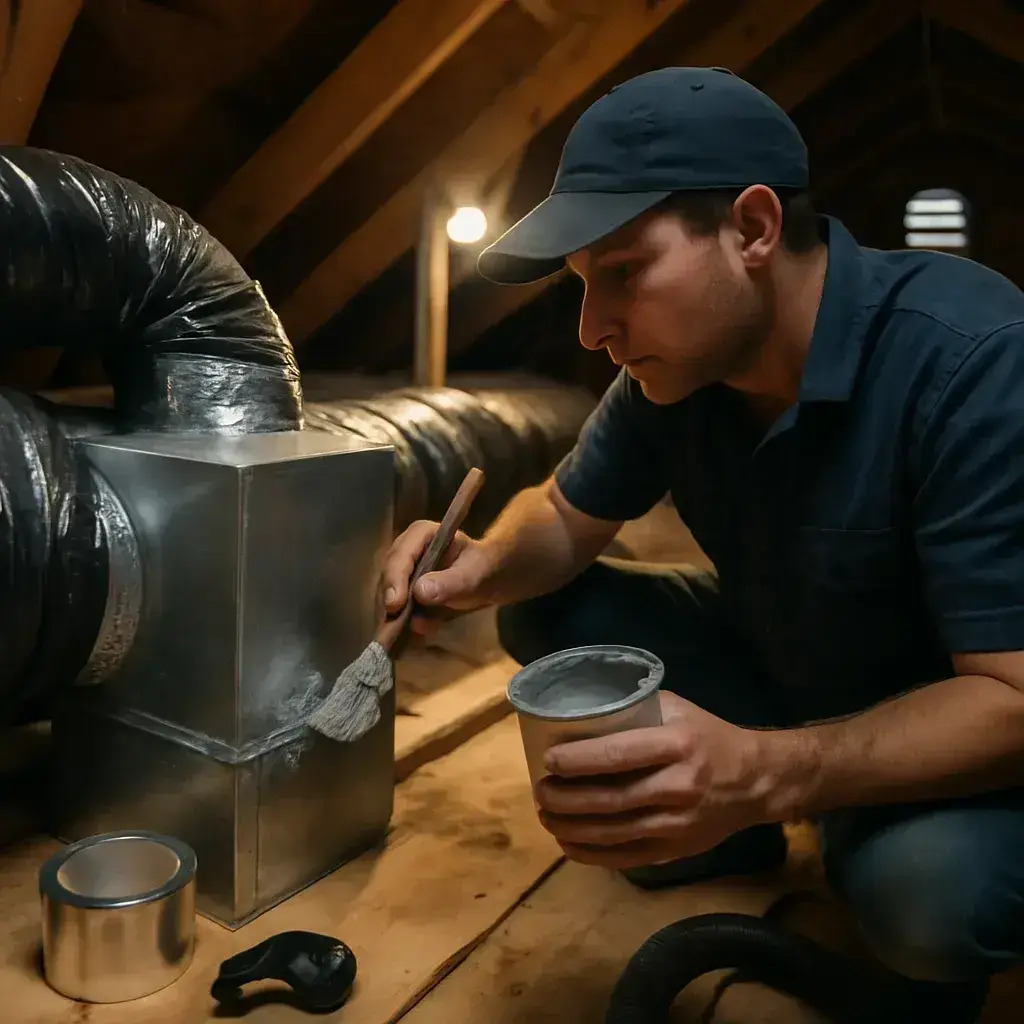
- We walk the ductwork, attic runs included, and check connections, boots, and seams for gaps or torn tape.
- We use a pressure or smoke test to pinpoint exactly where air is escaping, not just guess at it.
- We show you what we found before touching anything, so you know what you’re paying for.
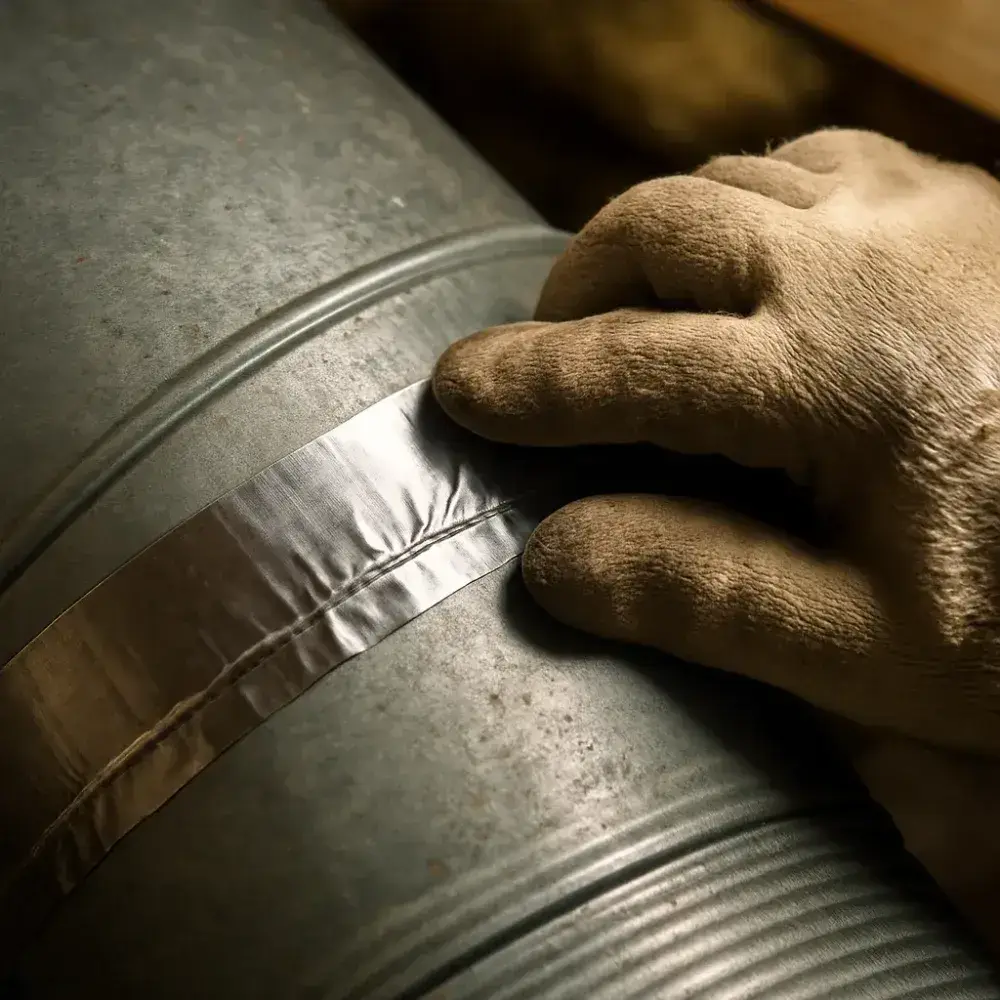
- We seal or repair the failed section with mastic, foil tape, or a component replacement, whatever the leak calls for.
- We run the system and re-check airflow at the registers to confirm the fix worked.
- We clean up the work area and leave it looking like we were never there.
Most calls end right there, one failure found, one fix made, system verified on the spot. That’s the whole story.
Our licensed and insured, background-checked technicians handle the whole thing, and the service call fee gets credited toward your repair if you move forward with us that same visit.
How Duct Sealing Pricing Works
Duct sealing isn’t a one-size number. Every home’s duct run is different, and that’s what drives the final bill.
The typical range for duct sealing work runs from $500 to $2,500. Most calls land in the $500 to $1,400 window, because most jobs involve a single failed section: we find it, repair or replace it, then test the system to confirm it’s holding again. Simple as that, that’s usually the whole visit.
So what pushes a job toward the higher end? A few things.
- How much of the duct run has failed, one bad joint versus several
- The part itself, and whether it’s something we carry or something we have to source
- The age and brand of your equipment, older systems sometimes need extra care
- Whether more than one component has broken down at the same time
- Aeroseal-type sealing sits at the higher end of the range because it treats the whole duct system, not just one spot
We don’t charge extra for nights or weekends, so a Saturday call costs the same as a Tuesday one. There’s a service call fee, $26 to $99 depending on the visit, and it gets credited toward the repair if you move forward with us. That fee covers a tech coming out, climbing into the attic, and pressure-testing your ducts, not just a guess over the phone.
What’s included in a standard job: diagnosis, labor, the standard replacement part, testing, and cleanup when we’re done. What’s not included: additional failed parts we find along the way, major components, or any code upgrades and permits, those get quoted separately before we touch anything.
Flexible financing is available on qualifying jobs, on approved credit, so a bigger repair doesn’t have to wait.
Frequently Asked Questions
Common questions about Duct sealing
How fast can you get out to my Sunnyvale home to check my ducts?
We schedule most duct sealing visits within a day or two of your call. Once we’re there, the check itself is quick. We walk the attic ductwork, test the connections, and find the leak the same visit. If your bedroom has been running warm for weeks, don’t wait through another hot stretch. A faster call means a faster fix, and one less month of paying to cool your attic instead of your house.
What happens when your technician shows up for a duct sealing visit?
Your technician walks the full duct run first, checking every seam, boot, and connection for gaps. Next comes a pressure or smoke test to find the exact leak spot, not just a guess. You’ll see what we found before any work starts. Then we seal the failed section, run the system, and check airflow at your registers to confirm it worked. We clean up before we leave, so your house looks the same as when we arrived.
How do I know if my attic ductwork is leaking?
The clearest signs are a room that never cools down, a rising energy bill, and dust building up fast around your vents. Sunnyvale attics often hit well past 130 degrees in summer, and that heat bakes tape and mastic seals until they pull apart. If your attic access panel feels hot near the ductwork, or you hear hissing near a ceiling register, that’s usually air escaping before it reaches your room.
Will sealing my ducts lower my summer energy bill?
Yes, sealing stops cooled air from leaking into your attic instead of your rooms. When your system isn’t fighting a hidden leak, it doesn’t have to run as long to hit the temperature on your thermostat. This matters most in Sunnyvale homes with attic ductwork, since summer attic heat pulls apart old seals faster than in a basement or crawlspace setup. Once the leak is sealed, your system stops working overtime to cover the loss.
Is duct sealing enough, or do I need new ductwork?
Duct sealing fixes leaky joints and gaps, but it won’t solve every comfort problem. If one room stays hot no matter what you try, that’s often an undersized duct or a return that’s too small, not a leak. Weak airflow at every vent can point to a blower motor issue instead. During your visit, we’ll show you exactly what we find and tell you straight if sealing alone won’t fix it.
Ready to Get Started?
Call 972-288-2263 Today, Get Service Today.