

High Efficiency HVAC Systems in Sunnyvale: The New Baseline for Texas Heat
System design built on an in-home load calculation, sized for attics that top 120 degrees rather than a rule of thumb.
What’s Covered on This Page
- Signs Your System Is Ready for a High Efficiency Upgrade
- SEER2 Ratings and What High Efficiency Means Now
- When Repair Beats a Full System Replacement
- Sizing It Right Before Installation Day
- Installation, Startup, and Keeping Efficiency Over Time
- How soon can I get a high efficiency HVAC system installed in Sunnyvale?
- What happens when a technician comes out to look at my high efficiency HVAC system?
- Why do older Sunnyvale homes struggle more with AC efficiency?
- How do I know if I need a repair or a full system replacement?
- What does a SEER2 rating mean for my Sunnyvale home?
- How do you decide what size high efficiency system my house needs?
Signs Your System Is Ready for a High Efficiency Upgrade
Here’s the thing nobody tells you until you’re standing in a hot living room: a system doesn’t have to be broken to be done. Plenty of AC units still run, they just run poorly, pulling more power while cooling less house. We see this every week in Sunnyvale, especially in homes built off FM 1389 back in the 90s, where the original units are still limping along on outdated refrigerant and single-speed compressors.
- Your system is 12 to 15 years old or older, even if it still turns on
- Your summer energy bills climb every year with no change in habits
- You’ve called for repair twice or more in the last two summers
- Rooms cool unevenly, or the house feels humid even with the AC running
- Your unit uses older refrigerant that’s harder and pricier to source
Not sure which of these fits you? That’s pretty common. Most homeowners notice the bill first, then the noise, then the uneven rooms. By the time all three show up together, you’re not looking at a repair anymore. You’re looking at a decision.
SEER2 Ratings and What High Efficiency Means Now
SEER2 replaced the old SEER rating back in 2023, and it’s a tougher, more real-world test. So a unit rated SEER2 15 today isn’t quite the same as an old SEER 15 unit. It’s working harder to earn that number.
Here’s the plain version. SEER2 measures cooling efficiency. AFUE measures furnace efficiency. HSPF2 measures heat pump efficiency in heating mode. The higher the number, the less energy it takes to move the same amount of comfort into your house.
- SEER2: how efficiently your AC or heat pump cools your home over a full season, not just on a mild day
- AFUE: the percentage of fuel a gas furnace turns into heat instead of losing up the flue
- HSPF2: how efficiently a heat pump generates heat, which matters even here during our cold snaps
Why does this matter for Sunnyvale specifically? Our summers push equipment to run long stretches at full load, day after day, for months. A low-efficiency unit doesn’t just cost more to run, it works harder and shows wear sooner. A higher SEER2 system spends more time in a lower, steadier gear instead of slamming on and off.
Not every high number fits every house, though.
A bigger SEER2 rating usually means a bigger jump in equipment cost, and that’s one of the real factors that drives price up or down on any installation, along with tonnage, brand, and how easy your attic or closet setup is to work in. As a Trane Comfort Specialist, we walk you through which rating makes sense for your home before you decide on anything.
When Repair Beats a Full System Replacement
Not every AC problem means you need a new system. We say this even though full installs are a big part of what we do.
If your unit is under ten years old and the rest of it runs fine, a repair almost always makes more sense than tearing it out. A bad capacitor, a failed contactor, a clogged condensate line, these are cheap fixes compared to a full swap. So is a single refrigerant leak caught early, before it strains the compressor. One failed part doesn’t mean the whole system is dying.
- The system is less than 10 to 12 years old and has had regular maintenance
- Only one component failed, like a capacitor, blower motor, or control board
- The compressor and coils are still in good shape
- You have not had repeated breakdowns in the last year or two
- The repair cost is a small fraction of what a new system would run
Sunnyvale has a mix of newer subdivisions off Hwy 80 and older established homes, and we see a real difference. A ten-year-old unit in a newer build often just needs a part. An eighteen-year-old attic unit in an older home is a different story, the ductwork and the equipment are both wearing out together.
So how do you know which one you’re dealing with? Ask what failed, ask how old the unit is, and ask if this is the third repair this year. If the answers point to one bad part on a younger system, fix it and move on. That’s the honest call, even when it means a smaller job for us.
Ready when you are – get in touch today.
Call Today, Get Service Today. Xtreme Air Services is ready to help.
Sizing It Right Before Installation Day
Here’s something we run into constantly. A homeowner wants the highest SEER2 unit on the market, figuring bigger numbers mean bigger savings. But a high efficiency HVAC system that’s the wrong size for your home will cost you more and wear out faster. Too big, and it short cycles, turning on and off so fast it never pulls the humidity out of the air. Too small, and it runs nonstop trying to keep up with a North Texas summer, which drives your bill up instead of down.
That’s why we do a cooling load calculation before we ever talk equipment. It looks at your square footage, insulation, window count and direction, and duct layout, not just the size of the unit you’re replacing.
- Square footage and ceiling height in each room
- Insulation quality and window placement
- Duct condition, including attic runs common in Sunnyvale homes
- Sun exposure on the west and south sides of the house
- How many people use the space and when
Homes with attic mounted systems, common across Sunnyvale, add another wrinkle. Attic temperatures in summer can hit well over 120 degrees, and that heat load has to factor into the calculation, or the new system will fight a losing battle before it ever cools your living room.
So don’t let anyone quote you a system size over the phone without stepping foot in your house.
We walk the property, check the ductwork, and size the equipment to match. That’s what makes the efficiency rating mean something once it’s running in your home.
Installation, Startup, and Keeping Efficiency Over Time
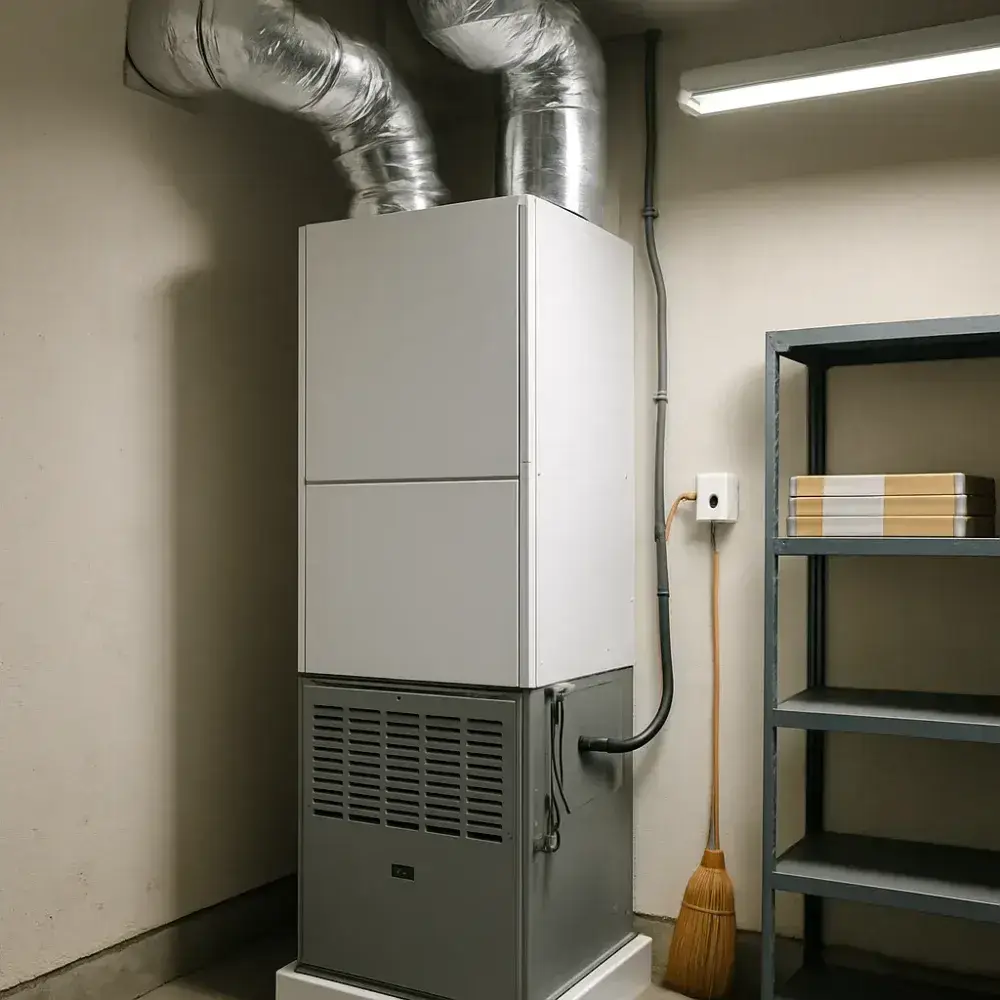
A high efficiency system is only as good as the install behind it. We see this every week, a great unit gets set on a bad foundation of ductwork and never hits the numbers on the label. In Sunnyvale, a lot of homes run the air handler through the attic, so sealing every connection matters more here than in a home with a basement system.
- We size the equipment to your home, not just swap the old tonnage for new.
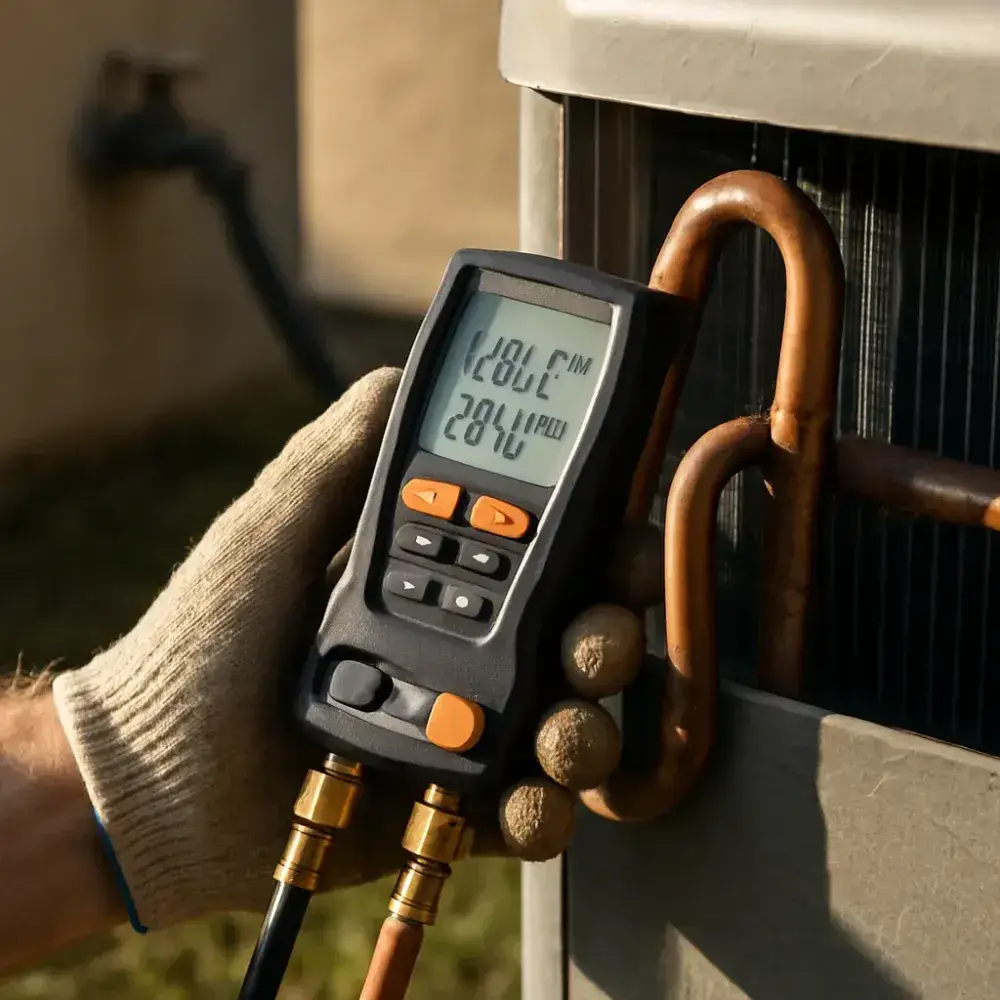
- We set the refrigerant charge to the manufacturer’s exact spec, checked with gauges, not guesswork.
- We test airflow at the vents and adjust the blower settings to match.
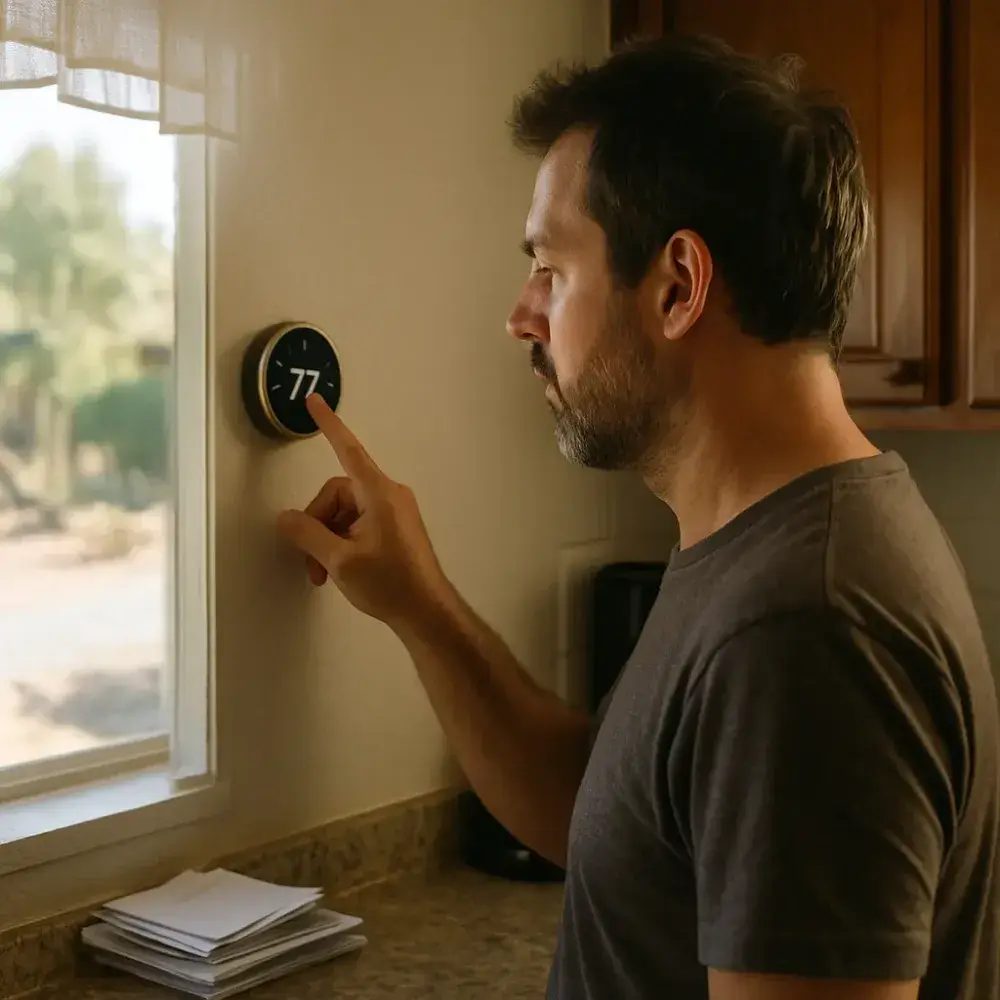
- We check the electrical connections and confirm the thermostat is talking to the system correctly.
- We run the system through a full cycle before we call the job done.
That startup process is what delivers the SEER2 number on the box. Skip it, and you’ve got an expensive unit performing like a cheap one.
Efficiency doesn’t just live in the equipment, it lives in how it’s cared for after. Dirty filters, a clogged condensate line, or dust built up on the coil all drag performance down over time. That’s true whether you’re in an older Sunnyvale home with original ductwork or a newer build with tighter, modern construction. Regular maintenance keeps the system running the way it did on day one, and it’s part of why we’re a Trane Comfort Specialist, working on these systems inside and out, from install to tune-up.
Frequently Asked Questions
Common questions about High efficiency HVAC systems
How soon can I get a high efficiency HVAC system installed in Sunnyvale?
We schedule your install as soon as we finish your in-home load calculation and duct check. That walk-through comes first, before any equipment talk, so we size the right system for your house. Once sizing is set, most homeowners get on the calendar quickly. We don’t quote system size over the phone, because attic setups and duct runs vary a lot across Sunnyvale, and guessing wrong means a system that struggles from day one.
What happens when a technician comes out to look at my high efficiency HVAC system?
We walk your property, check your ductwork, and run a cooling load calculation before talking equipment. This means looking at square footage, insulation, window placement, and how your attic ducts are holding up. In Sunnyvale, attic temperatures can climb past 120 degrees in summer, and that heat load has to factor into your new system’s size. You’ll get a clear answer on what your home needs, not a generic number.
Why do older Sunnyvale homes struggle more with AC efficiency?
Many homes built off FM 1389 back in the 90s still run original units on outdated refrigerant and single-speed compressors. These systems often still turn on, but they pull more power while cooling less house. Add attic-mounted ductwork, common across Sunnyvale, and long stretches of full-load summer running, and you get uneven cooling and climbing bills. A high efficiency system spends more time running steady instead of straining, which eases that wear.
How do I know if I need a repair or a full system replacement?
If your unit is under 10 to 12 years old and only one part failed, repair almost always makes more sense than replacement. A bad capacitor, blower motor, or a single caught-early refrigerant leak are cheap fixes compared to a full swap. But if you’ve had repeated breakdowns in the last year or two, or your unit is pushing 15 years, that pattern usually points toward replacement instead of another patch job.
What does a SEER2 rating mean for my Sunnyvale home?
SEER2 measures how efficiently your AC or heat pump cools your home over a full season, not just on one mild day. It replaced the old SEER rating in 2023 with a tougher, more real-world test. A higher SEER2 number matters here because our summers push equipment to run for months at full load. That said, a bigger rating isn’t automatically better for every house, since equipment cost rises with the rating too.
How do you decide what size high efficiency system my house needs?
We size your system with a cooling load calculation, not a guess based on your old unit’s size. This looks at square footage, insulation, window direction, duct condition, and sun exposure on your home’s west and south sides. Attic-mounted systems, common across Sunnyvale, add extra heat load that has to be part of that math. A system that’s too big or too small will run poorly and cost you more, no matter how high its rating is.
Ready to Get Started?
Call 972-288-2263 Today, Get Service Today.