


Boiler Repair in Carrollton: What a Proper Fix Involves
Residential and commercial boilers repaired by finding the part that failed – and the system tested before we leave.
What’s Covered on This Page
- What Happens During a Boiler Repair Visit
- Signs a Boiler Needs Professional Repair
- When a Repair Call May Not Be Needed Yet
- What Drives Boiler Repair Cost Up or Down
- Boiler Repair as Part of Mechanical Contractor Work
- Who do I call to fix a boiler, a plumber or an HVAC tech?
- What is the technician who repairs boilers called?
- Is it worth repairing an old boiler instead of replacing it?
What Happens During a Boiler Repair Visit
When your boiler quits, you’re not looking for a sales pitch. You want heat back and a straight answer about what it’ll cost. Here’s how the visit goes, step by step, so nothing catches you off guard.
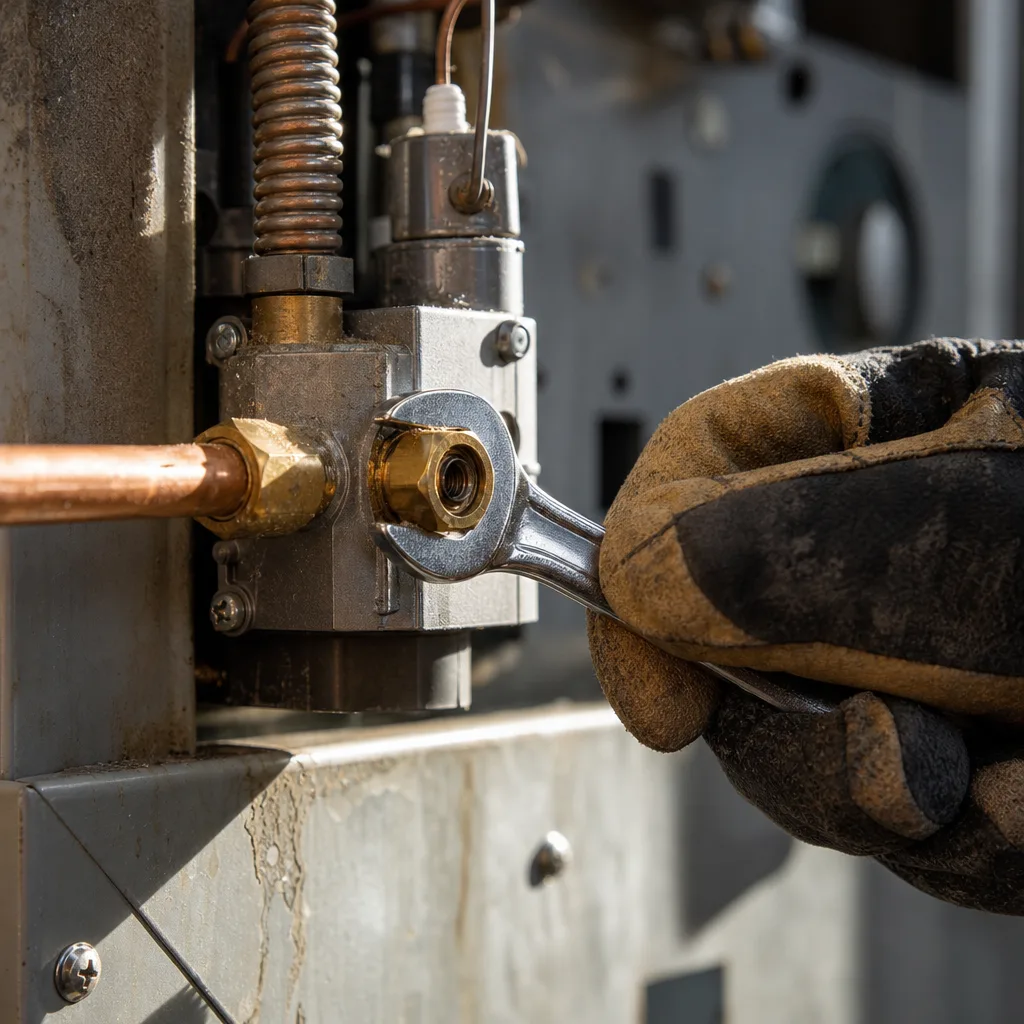
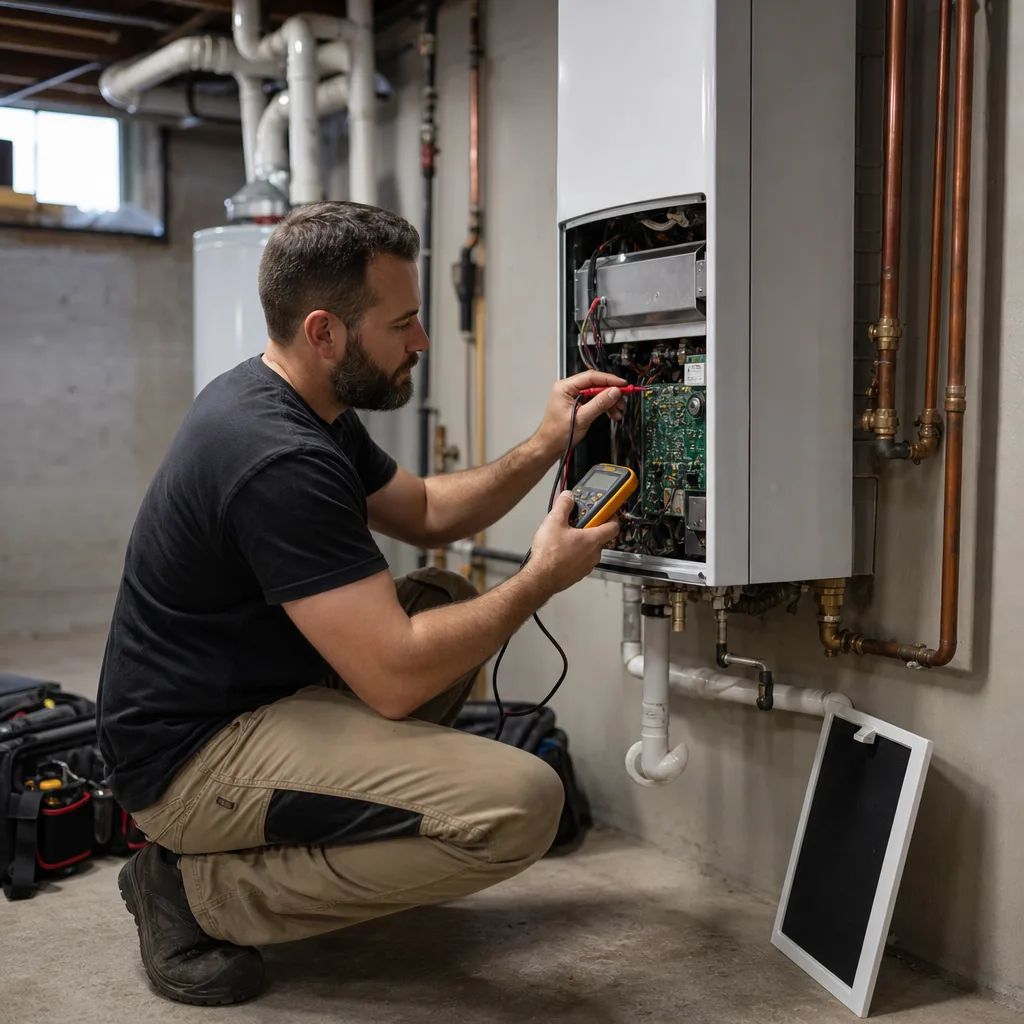
First, a licensed and insured technician finds what failed. Our team members are background-checked and drug-tested, so you can feel good about who’s walking into your home or business. A boiler is a chain of parts that all have to work together. When one link breaks, the whole system can stop. Common trouble spots include:
- The ignition or flame-sensing parts that light the burner and keep it lit
- The circulator pump that moves hot water through your pipes and radiators
- Pressure problems, like water pressure that’s too low or a relief valve that keeps dripping
- The expansion tank, which gives heated water room to grow
- Zone valves or thermostat wiring that tell the boiler when to run
Finding the real cause matters more than anything else on the visit. A part that looks bad isn’t always the reason the boiler stopped. Swapping parts by guesswork is how people end up paying twice.
Second, you get the price before we pick up a tool. We use upfront flat-rate pricing, which means you approve the cost before work starts and no meter is running while we work. Most boiler repair calls come down to a single common failure that gets fixed on the first visit. For that most common job, the price runs $300 to $1,100. Across all boiler repairs, the typical range is $300 to $2,000. Where your job lands depends on how much failed, what the part costs and whether it’s in stock, and how old your equipment is and what brand it is. The time of day doesn’t change the price. There’s no extra charge for nights or weekends.
Here’s what that price covers: the diagnosis, the labor, the standard replacement part, testing, and cleanup. What it doesn’t cover: additional failed parts, major components, code upgrades, or permits. If any of those come up, we quote them separately so you can decide. You won’t find a surprise line on the bill.
Third, we make sure it works. After the repair, the technician runs your boiler and checks that it’s heating correctly. You shouldn’t have to wonder whether the fix took. You should feel warm air coming off the radiators before we pack up.
If you own a business, the same steps apply. We find the failure, show you the price, fix it, and test it, so your tenants, staff, or customers aren’t sitting in a cold building any longer than they need to. And if the repair is a bigger one, financing is available on larger repairs and replacements. It isn’t typically offered for smaller fixes.
Signs a Boiler Needs Professional Repair
Most boiler trouble shows up as a short list of signs: no heat, cold spots, odd noises, water where it shouldn’t be, or a pressure reading that won’t hold steady. Some of these have a simple cause you can check in two minutes. Others mean a part inside the system has failed, and guessing at it is how a small repair turns into a bigger one.
Before you call anyone, it’s worth ruling out the easy stuff. Do these quick checks first:
- Make sure the thermostat is set to heat and turned up a few degrees above room temperature.
- Swap in fresh thermostat batteries if it uses them.
- Look at your breaker panel and the boiler’s power switch to make sure nothing got shut off.
- Check whether your other gas appliances, like the stove or water heater, are working. If none of them are, the problem may be your gas supply, not the boiler.
If one of those fixes it, great. You don’t need us. If the boiler still won’t heat, or you notice any of the signs below, it’s time for a technician.
- No heat at all, even though the boiler has power and the thermostat is calling for heat.
- Some rooms or zones stay cold while others warm up fine.
- Radiators that are hot at the bottom and cool at the top, or cold all the way through.
- Banging, gurgling, or a rumbling sound like a kettle about to boil.
- A pressure gauge that keeps dropping, or that climbs higher than normal when the boiler runs.
- Water dripping from the relief valve or pooling under the boiler.
- A burner that lights and then shuts off, or a boiler that turns on and off over and over in a short time.
- Heating bills that jump with no change in how you use your heat.
Here’s the tricky part. One symptom can come from several different causes. Cold radiators might point to a pump that’s stopped moving water, trapped air in the lines, a stuck zone valve, or low pressure. A dripping relief valve might be the valve itself, or it might be a sign the expansion tank isn’t doing its job. If someone replaces the first part that looks worn, you could pay for a fix that doesn’t bring your heat back.
That’s why the sign isn’t the diagnosis. It’s the starting point. A good technician traces the symptom back to the part that failed, then fixes that part.
Timing matters in North Texas, too. A boiler can sit unused through a long, hot summer, and small problems stay hidden until the first real cold front rolls through. If your boiler gave you trouble at the end of last winter, or it hasn’t run since spring, pay attention to how it behaves on that first cold night. And don’t wait for a hard freeze to see if it still works.
If you’re seeing any of these signs and the simple checks didn’t help, a licensed technician can pin down the cause. We offer same-day service, and there’s no extra charge for nights or weekends, so you won’t pay more just because your boiler quit on a Saturday.
When a Repair Call May Not Be Needed Yet
Not every odd sound or reading means your boiler is broken. Some things a boiler does are normal, especially when it starts up for the first time in a season. Sometimes the visit you need isn’t a repair at all. Here’s how to tell the difference so you don’t pay for something you don’t need.
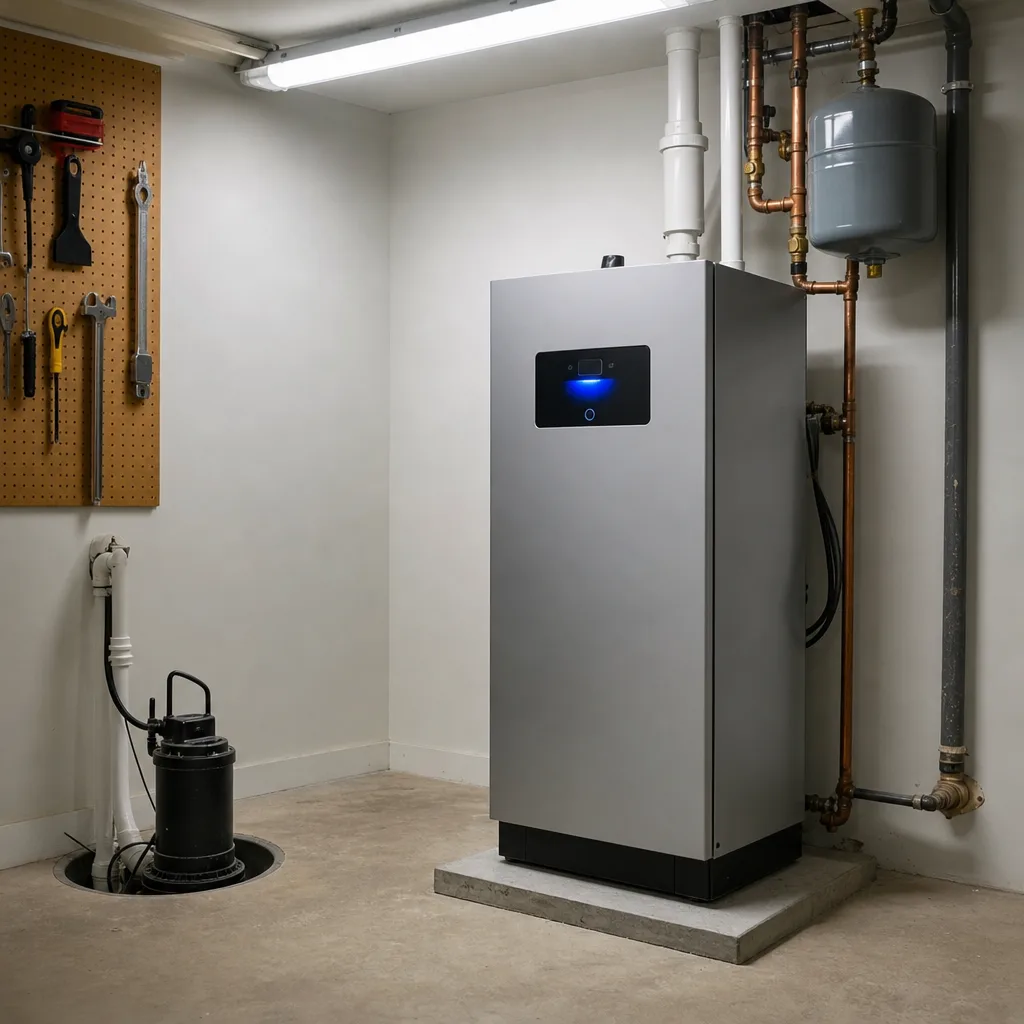
These usually aren’t a reason to call, as long as they settle down on their own:
- A little ticking or pinging when the boiler first heats up. Metal pipes and radiators grow a bit as they warm, and that can make noise for a few minutes.
- A small rise on the pressure gauge while the boiler is running. Hot water takes up more room than cold water, so some climb is expected. A gauge that keeps rising, or drops when the boiler is off, is a different story.
- Some gurgling right after the system has been drained or refilled. A bit of trapped air is common then. If you’re comfortable bleeding your radiators and the gurgling or cool spots go away and stay gone, you’re done.
- A slow first warm-up after the boiler has sat unused for months. It can take longer than usual on that first cold night. If it gets there and holds steady, that’s fine.
The key is whether the problem goes away or keeps coming back. A noise that fades after a few minutes is usually just the system warming up. A noise that gets louder, or air that comes back after you’ve bled it, points to a part that isn’t doing its job. That’s when the signs in the section above apply.
If your boiler is running fine and you just want peace of mind before winter, you don’t need a repair. You need boiler servicing or maintenance. That’s a different visit with a different goal. It’s about keeping a working system working, not fixing a broken one. If anyone tries to sell you a repair on a boiler that’s heating just fine, it’s fair to ask what failed and why it can’t wait.
The opposite can be true, too. If your boiler is older and you’ve had to fix it several times in the last few winters, another repair may not be the smart move. Each fix can get your heat back. But if the parts keep failing one after another, paying for repair after repair can add up fast. In that case, it may be time to ask about boiler replacement. Have that talk before the next part breaks, not in the middle of a cold snap. Then you can decide on your own schedule.
One firm line: a gas smell or water actively leaking from the boiler is never a wait-and-see problem. Everything else on this list can usually wait for a calm look. Those two can’t.
Need help with Boiler repair?
Call Today, Get Service Today. Xtreme Air Services — Carrollton is ready to help.
What Drives Boiler Repair Cost Up or Down
Your boiler repair price comes down to what failed and how much of it failed. It doesn’t depend on the hour you call, and it shouldn’t depend on guesswork. That’s why the price ranges in the visit section above are wide. A small sensor and a failed pump are very different jobs, even when they leave you with the same cold house.
Here’s what moves the number and why:
- How much failed. One worn part, like a dirty flame sensor or a tired ignitor, keeps the job small. When one failure causes another, the job grows. A relief valve that keeps dripping because the expansion tank quit means two parts need attention, not one.
- What the part costs. Some boiler parts are small and simple. Others, like a circulator pump or a control board, cost more just to buy before any labor is added.
- Whether the part is on hand. Common parts are easy to get. Parts for some boilers may need to be ordered, which can affect both the cost and how soon your heat comes back.
- Your boiler’s age and brand. Older equipment can be harder to find parts for. A technician may also spot other worn parts close to the failed one. You should hear about those, priced separately, so you can decide what to fix now.
It also helps to know how contractors price this work. Some charge by the hour. Then a slow diagnosis or a second trip comes out of your pocket. With upfront flat-rate pricing, the price is set by the job. You approve it before work starts, and it doesn’t grow while the technician works. Either way, the diagnosis is what really sets your cost. If the wrong part gets blamed, you pay for it and still have no heat.
Before you approve any boiler repair quote, from us or anyone else, these questions are fair to ask:
- Which part failed, and how did you confirm it?
- Does this price cover the whole job, including the part and testing?
- Is anything else worn out, and what would that cost on its own?
- Is the part in stock, or does it need to be ordered?
- Given my boiler’s age and repair history, does fixing it still make sense?
A good technician answers all five without stalling. If you get vague answers, or a list of parts with no clear reason for each one, slow down and ask more questions. You’re the one paying, so you get to understand what you’re paying for.
If your boiler has stopped heating, our licensed and insured technicians work out of our office on East Trinity Mills Road in Carrollton. They’ll find the part that failed and show you the price before any work begins. Same-day service is available, and there’s no extra charge for nights or weekends.
Call 469-269-6099
Watch Our Video
See How We Handle Boiler repair in Carrollton
Xtreme Air Services — Carrollton
Boiler Repair as Part of Mechanical Contractor Work
A boiler isn’t only a heating appliance. It sits where four systems meet: water, gas, electricity, and controls. When it stops, the failed part might be inside the boiler cabinet, or it might be in a pipe, a wire, or a valve a few feet away. That’s why it helps when the company fixing your boiler also handles the systems around it.
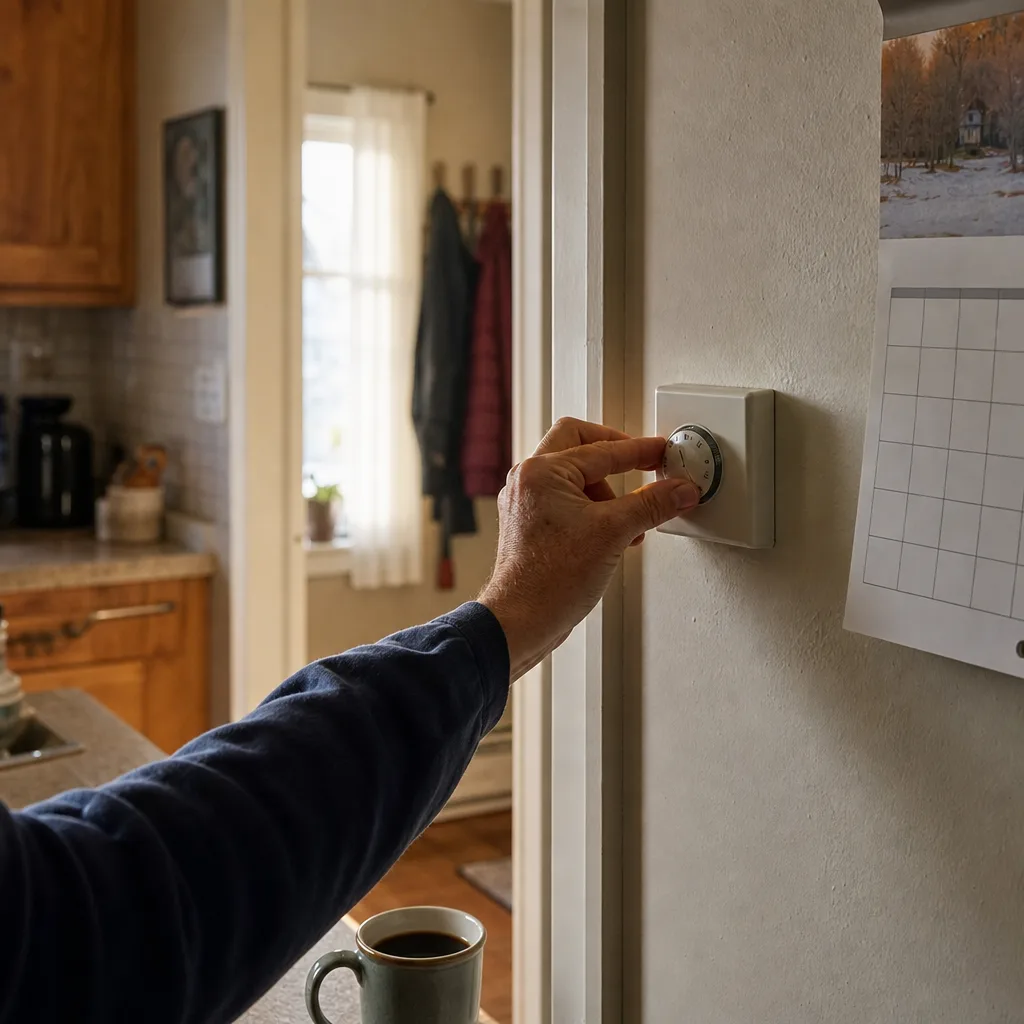
Boiler repair falls under mechanical contractor work for that reason. A mechanical contractor deals with the whole setup that heats a building, not just the box in the utility room. Xtreme Air Services is one team for HVAC, plumbing, electrical, and refrigeration. So if the trouble crosses from one trade into another, you don’t have to start over with a new company.
Here’s how a boiler problem can reach past the boiler itself:
- Water side. Boilers that heat with hot water are called hydronic systems. They depend on piping, pumps, and valves to move that water through your home. A leak or a bad pump outside the cabinet can leave you just as cold as a broken burner.
- Gas side. A gas boiler needs a steady, safe fuel supply. If the burner won’t stay lit because of the gas line and not the boiler, that’s a gas line repair, not a boiler part.
- Electrical side. Pumps, igniters, and controls all run on power. A loose connection or a bad circuit can look like a dead boiler.
- Controls. Thermostats, zone valves, and building automation tell the boiler when to run. In a building with several zones, a control fault can leave some rooms warm and others cold.
When one company can look at all four, the search for the cause doesn’t stop at the edge of the boiler. That fits what the rest of this page is about: fix the part that failed, not the part that happens to be easy to reach.
Water quality plays a part too. North Texas water is often hard, and hard water leaves mineral scale behind. In a boiler, scale can build up on surfaces that need to pass heat to the water. That makes the system work harder. If scale keeps showing up in your boiler, a water softener installation may be worth talking about. It’s a separate service with its own page, but it’s handled by the same team.
For business owners, this matters even more. A commercial boiler often ties into commercial plumbing, commercial electrical, and building controls all at once. Each handoff to a different contractor is another day your tenants, staff, or customers sit in a cold building. One accountable company keeps the job moving.
Repair is also just one part of a boiler’s life. The same team offers boiler servicing, maintenance, cleaning, and safety inspections to keep a working system working. When a boiler has come to the end of its road, the team also handles boiler replacement and installation. You get one place to call whether you need a fix today or a plan for the next ten winters.
One more safety note. Gas-burning equipment can produce carbon monoxide if something goes wrong. Carbon monoxide testing is a listed service, and it’s worth asking about if your boiler has been acting up.
Frequently Asked Questions
Common questions about Boiler repair
Who do I call to fix a boiler, a plumber or an HVAC tech?
Either one can handle it, because boiler repair falls under mechanical contractor work that covers heating, plumbing, gas, and electrical together. A boiler sits where water lines, gas supply, wiring, and controls all meet, so the failed part isn’t always inside the boiler cabinet itself. Having one team that handles HVAC, plumbing, and electrical means the search for the cause doesn’t stop at the edge of the boiler.
What is the technician who repairs boilers called?
The person who repairs boilers is usually called an HVAC technician or a mechanical contractor, since boiler work overlaps heating, plumbing, gas, and electrical systems. A licensed and insured technician traces a symptom, like a cold radiator or banging noise, back to the specific part that failed. That matters more than the job title, since guessing at parts is how people end up paying twice.
Is it worth repairing an old boiler instead of replacing it?
It depends on how often it’s been breaking, not just its age. One fix can get your heat back, but if you’ve needed several repairs in the last few winters, each new failure adds to the total cost. If parts keep failing one after another, it’s worth asking about boiler replacement before the next part breaks, rather than deciding it in the middle of a cold snap.
Ready to Get Started?
Call (469) 269-6099 Today, Get Service Today.