


Boiler Repair in Fort Worth
Residential and commercial boilers repaired by finding the part that failed – and the system tested before we leave.
What’s Covered on This Page
- Boiler Repair Is a Different Job Than Furnace Repair
- Signs Your Boiler Needs a Repair Call
- Know the Difference Between an Emergency and a Routine Fix
- What Happens During a Boiler Repair Visit
- What Drives the Cost of a Boiler Repair
- How long does a boiler repair visit usually take in Fort Worth?
- Can hard water really damage a boiler in Fort Worth?
- Is it normal for a boiler to make noise when it starts up?
Boiler Repair Is a Different Job Than Furnace Repair
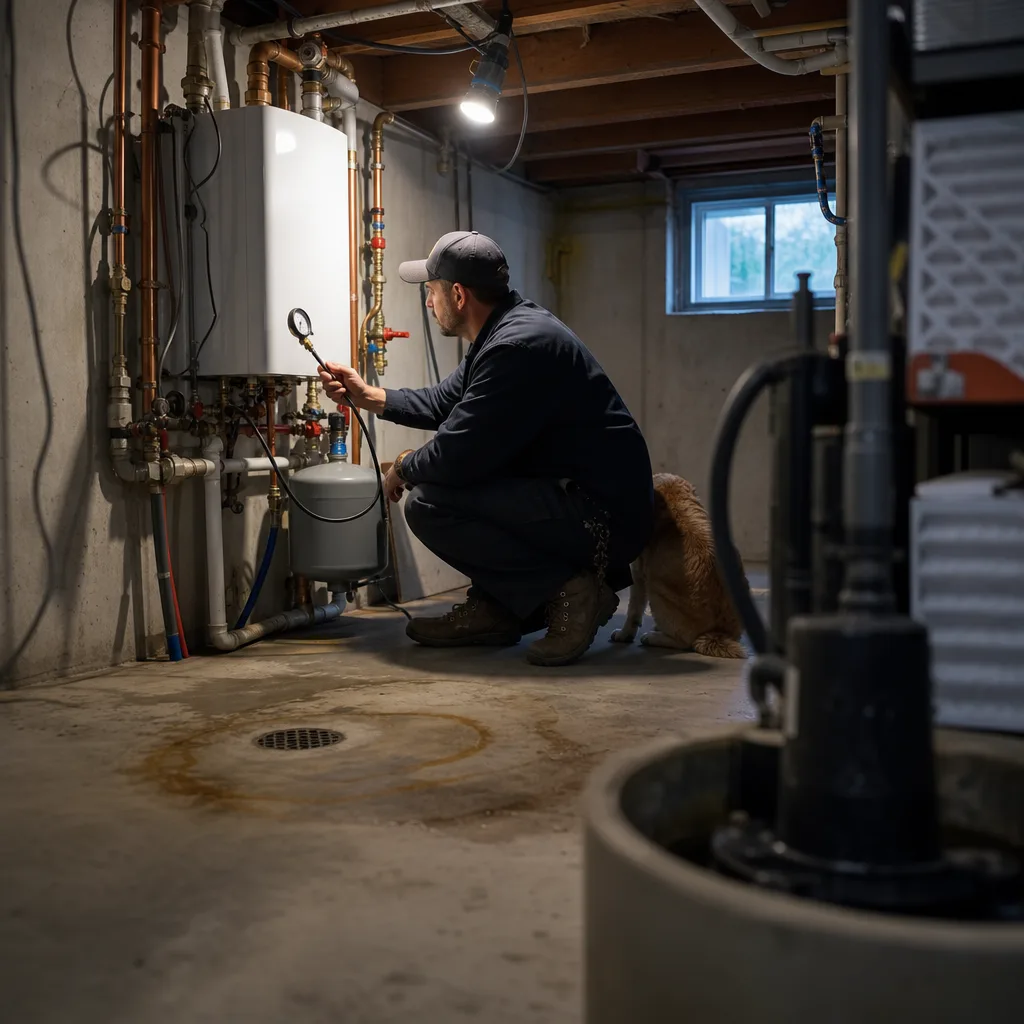
Most homes around Fort Worth heat with forced air, so a lot of heating calls here are about furnaces. A boiler works a different way. It heats water, or sometimes makes steam, and sends it through pipes to radiators, baseboard heaters, or tubing under the floor. Nothing is blown through ducts. The heat moves with the water.
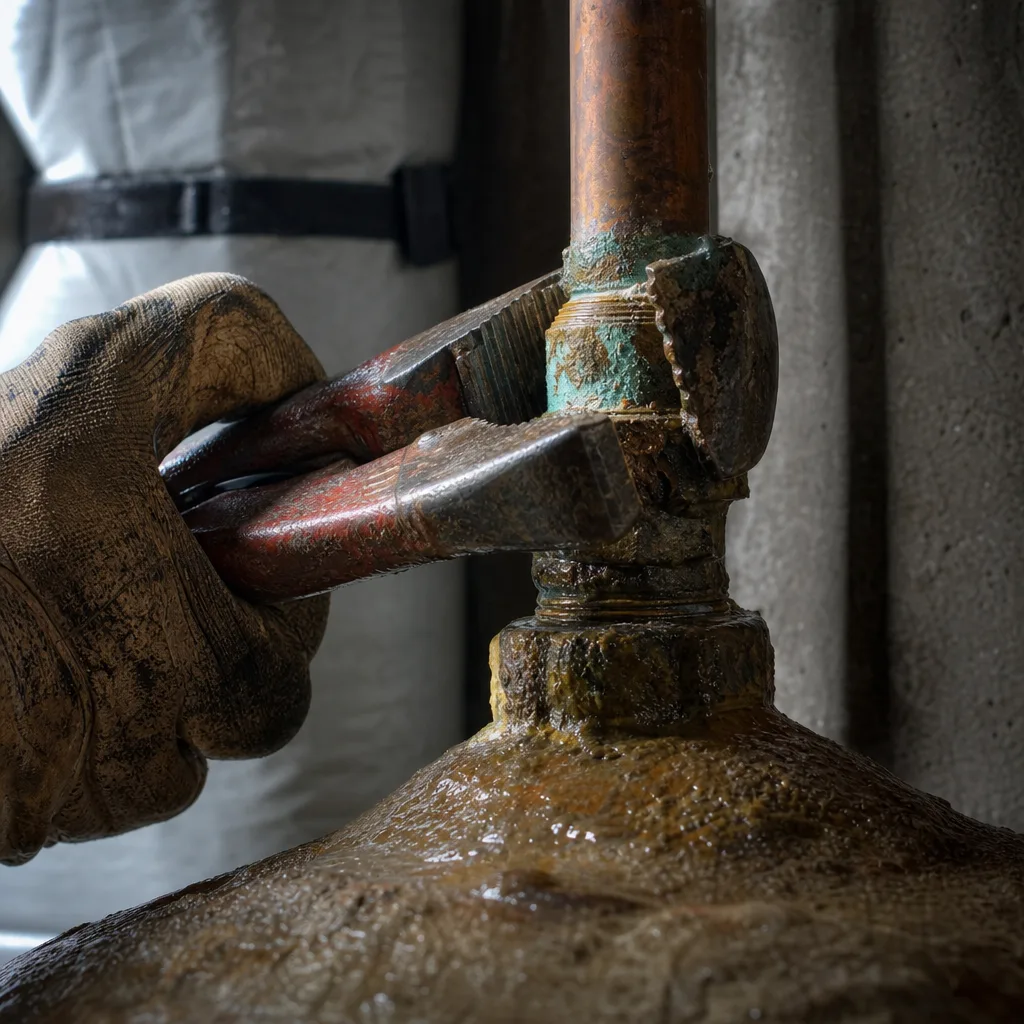
That changes what can go wrong. A boiler still has a burner and an igniter like a furnace. But it also has parts a furnace doesn’t have at all:
- A circulator pump that keeps hot water moving through the loop
- An expansion tank that gives the water room to grow as it heats
- A pressure relief valve that lets water out if pressure climbs too high
- Zone valves that send heat to some rooms and not others
- Air vents that let trapped air escape from the pipes
- Controls that read water temperature and tell the burner when to fire
Because those parts all work together, the symptom you notice often isn’t where the problem starts. Say your upstairs radiators stay cold while the downstairs ones get hot. The burner may be fine. The cause could be air trapped in the lines, a pump that’s getting weak, or a zone valve stuck shut. If someone replaces the igniter because that’s what usually fails on a furnace, you pay for a part and your rooms stay cold.
Some other signs point to the water side of the system. A pressure gauge reading much higher or lower than normal is one. Water dripping from the relief valve or pooling under the boiler is another. You may also hear banging, gurgling, or a rumbling sound like a kettle about to boil. In North Texas, hard water can leave mineral scale inside a boiler over time. That scale makes the boiler work harder and can be part of the noise.
Timing matters too. Fort Worth winters are usually mild, but hard freezes still roll through. A boiler that quits during one of those cold snaps leaves you without heat. It can also leave water sitting in pipes that run through cold spaces in your home or building.
This is why it helps that boiler work falls across more than one trade. A boiler burns gas or uses electricity like other heating equipment, and it also holds water under pressure in a network of pipes. Xtreme Air Services is a licensed and insured HVAC, plumbing, and electrical contractor (HVAC License #TACLA29023C), so you’re working with one team that covers each part of the system. Boiler repair is a listed service, along with pump installation and repair and hydronic heating work, so the person looking at your boiler isn’t guessing at the water side.
The goal is simple. Find the part that failed, fix that, and make sure heat reaches every room it’s supposed to before anyone calls the job done.
Signs Your Boiler Needs a Repair Call
Not every boiler problem is an emergency, and not every one needs a technician. Here’s how to tell the difference so you know whether to call today, book a visit this week, or try a quick check first.
Call the same day if you notice any of these:
- No heat at all during a hard freeze, when your pipes are at risk, as covered above.
- The boiler won’t fire, or it shows a fault light or error code that keeps coming back.
- Water is actively leaking from the boiler or the pipes around it, not just a stray drip.
- Black soot near the burner, a yellow or flickering flame instead of a steady blue one, or a gas smell. These are safety problems, not comfort problems, and they shouldn’t wait for a convenient day.
Book a visit soon if you see these:
- Short cycling. The boiler fires, shuts off after a few minutes, then fires again, over and over. That wears out parts fast and wastes fuel.
- You keep having to add water to bring the pressure back up. A sealed loop shouldn’t need regular refills. If it does, water is escaping somewhere. Each refill also brings in fresh hard water and oxygen, which speeds up scale and rust inside the system.
- Your heating bill keeps climbing, but the weather hasn’t gotten colder and you haven’t changed the thermostat.
- Noises or cold rooms that started small and are slowly getting worse.
Some issues might not need a technician at all. Before you call, check that the thermostat is set to heat and turned up, and that its batteries aren’t dead. Make sure the boiler’s power switch is on and its breaker hasn’t tripped. If one radiator is warm at the bottom but cold at the top, it’s often just a little trapped air, and many homeowners vent that themselves. If the heat comes back and stays on, you’re done. You don’t need to pay for a visit.
If the same problem keeps coming back after those checks, the real cause is usually somewhere else in the loop. Trapped air that returns every week can point to a leak, a failing air vent, or a pump problem. Resetting it again won’t fix that.
When you do call, a few details help your technician skip the guesswork and go straight to the right part of the system:
- The number on the pressure gauge, both when the boiler is cold and when it’s running
- Which rooms or zones are cold and which ones are fine
- When you hear the noise, such as at startup, while it runs, or after it shuts off
- Any error code or blinking light on the boiler
- How often you’ve been adding water, if you have
Those answers tell us whether to look first at the burner, the pump, the valves, or the water itself. That’s how the right part gets fixed on the first trip instead of a part that was only a guess.
Know the Difference Between an Emergency and a Routine Fix
You already know which signs mean call today and which can wait a few days. What a lot of people still worry about is the bill. They think an emergency means paying extra, so they sit in a cold house until Monday to save money. With us, you don’t have to make that trade.
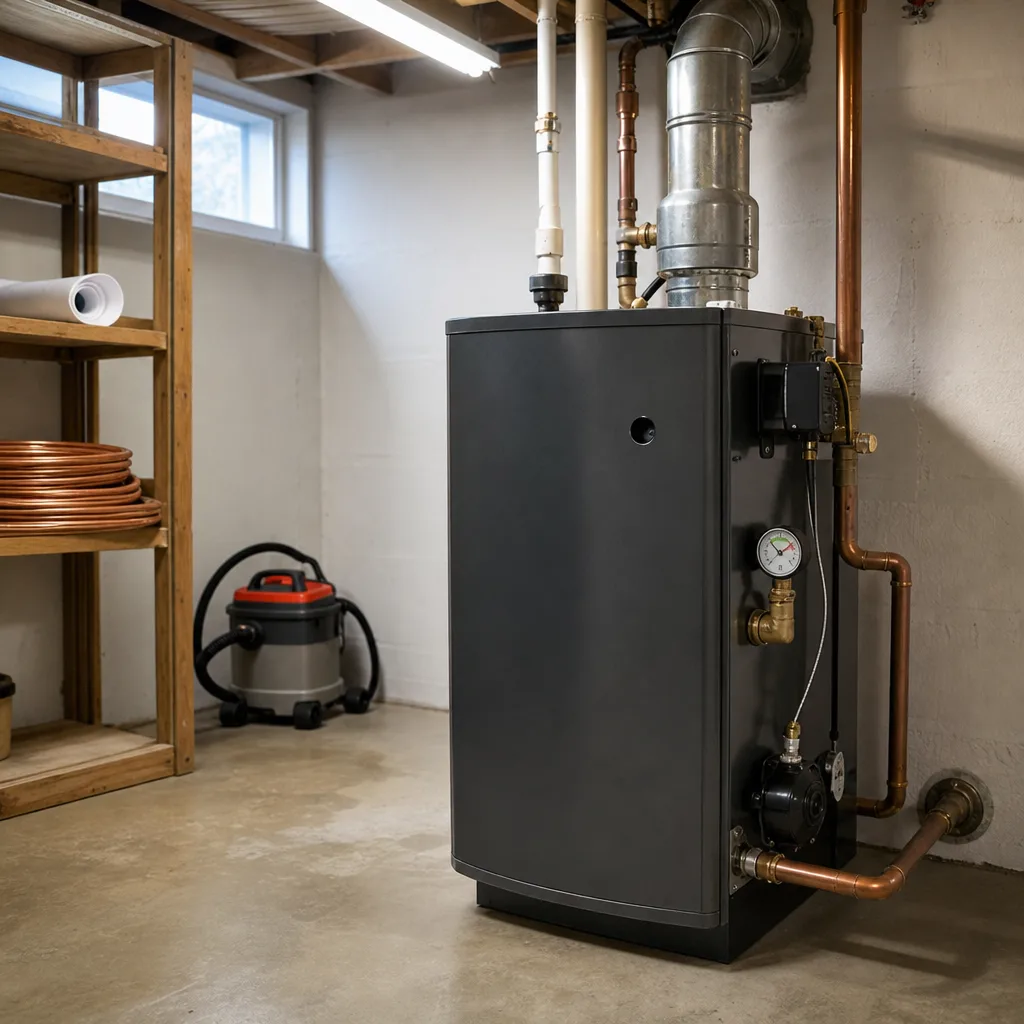
Xtreme Air Services charges no extra for nights or weekends. If your boiler quits on a Saturday night during a hard freeze, the repair is priced the same way as a pressure problem you noticed on a Tuesday morning. The only thing that changes is how soon you want us there. Same-day service is available, so a real emergency doesn’t have to wait.
Most boiler calls turn out to be routine, even when they feel urgent. The job is to locate the failed part, repair or replace it, and verify the system runs correctly. Most calls are a single common failure fixed on the first visit. Here’s what that usually costs:
- Service-call fee: $26-$99, credited toward the repair if you go ahead with Xtreme Air Services.
- Most common boiler repair: $300-$1,100.
- Typical range across boiler repairs: $300-$2,000.
- Included: diagnosis, labor, the standard replacement part, plus testing and cleanup.
You get upfront flat-rate pricing, and you approve it before any work starts. No meter is running while the technician works. If the price doesn’t make sense to you, ask. A good technician can explain why one part failed and what fixing it involves.
So what turns a routine fix into a bigger job? It’s usually the boiler, not the timing. Here’s what moves the price:
- More than one part has failed. A weak pump that’s been straining for months can take other parts down with it.
- A major component needs replacing instead of a smaller part.
- The part is costly or hard to find, which is more common on older boilers and some brands.
- The work brings up a code upgrade or needs a permit.
Extra failed parts, major components, code upgrades, and permits aren’t part of the standard repair price. They’re quoted separately, so you see each one before you decide. Financing isn’t typically offered on a smaller repair. It is available on larger repairs and replacements, so a big job doesn’t have to be paid all at once.
This matters most when you’re weighing whether to wait. Waiting doesn’t make a weekend call any cheaper. But it can sometimes turn one failed part into two, like when a short-cycling boiler keeps wearing on its parts. The honest way to keep a repair small is to have the first problem looked at before it spreads.
Call now
Need help with Boiler repair?
Call Today, Get Service Today. Xtreme Air Services — Fort Worth is ready to help.
What Happens During a Boiler Repair Visit
A boiler repair visit comes down to three jobs. Locate the failed part, repair or replace it, and verify the system runs correctly. Most calls are a single common failure fixed on the first visit. Here’s what each step looks like, so you know what to expect when a licensed, background-checked technician shows up at your door.
The first job is finding the real cause. This is where the details you gathered before calling pay off, like the pressure readings, the cold rooms, and the error codes. A careful technician doesn’t stop at the first thing that looks wrong. They follow the whole loop. Common checks on a boiler include:
- Reading the pressure gauge cold and again while the boiler runs
- Watching the burner light and checking the flame
- Pulling any stored fault codes from the controls
- Listening to the circulator pump and feeling the pipes for heat moving through
- Testing zone valves in the rooms that stay cold
- Checking the expansion tank, the relief valve, and the air vents
- Looking for drips, rust stains, or damp spots along the pipes
Once the cause is clear, you should hear it in plain English. That means what failed, why it failed, and what fixing it involves. Then you get upfront flat-rate pricing and approve it before any work starts. If the technician finds a second problem, like a pump that’s wearing out next to the part that already quit, it’s quoted separately. You decide whether to handle it now or later.
The repair itself depends on the part. Swapping an igniter or a sensor is a dry job. Anything on the water side, like a pump, a valve, or the expansion tank, usually means draining part of the system first. When the work is done, the loop gets refilled, the trapped air is purged from the lines, and the pressure is brought back to where it belongs. Skipping that last step is a big reason some boilers start banging or leave rooms cold again a week later.
Testing is part of the job, not an extra. The boiler should run through a full heating cycle while the technician watches. The pressure should hold steady as the water heats. The burner should fire and shut off when it’s supposed to, without short cycling. Every zone should call for heat and get it. That’s the real proof. Radiators and baseboards that were cold before the visit are warm before anyone calls it finished. Then the area gets cleaned up, since testing and cleanup are both included in the repair.
You don’t need to do much to get ready. Clear a path to the boiler and the space around it. Put pets in another room. Let the technician know which rooms or zones gave you trouble. That’s all.
Call now
Watch Our Video
See How We Handle Boiler repair in Fort Worth
Xtreme Air Services — Fort Worth
What Drives the Cost of a Boiler Repair
You’ve already seen the price ranges and what the standard repair includes. The real question is where your repair will fall in that range. The answer depends less on the symptom you noticed and more on what’s behind it. A cold upstairs bedroom can be a cheap fix or a bigger one, and you can’t tell which until the cause is found.
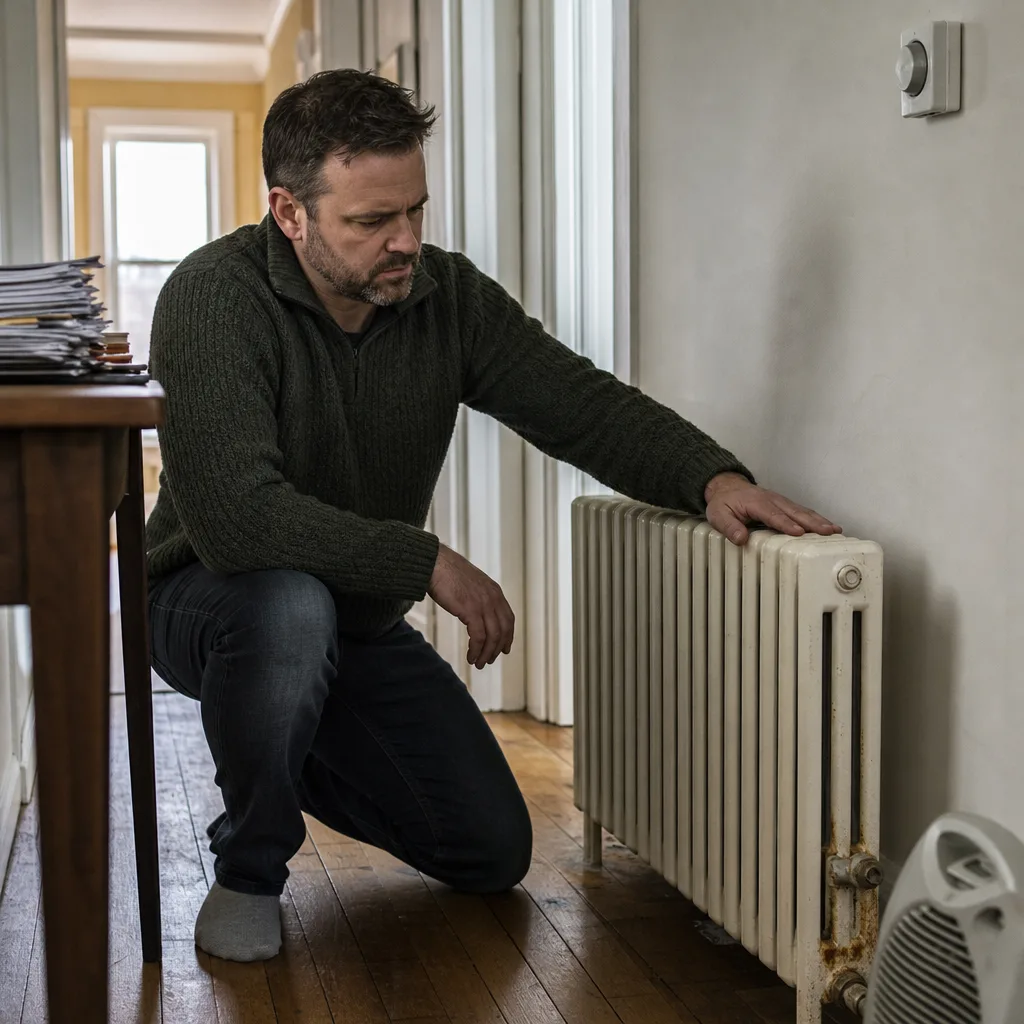
Boiler parts fall into rough tiers. Knowing them helps a quote make sense:
- Smaller parts, like an igniter, a flame sensor, an air vent, or a relief valve. These are often quick swaps, and some don’t require draining the system.
- Mid-size parts, like a circulator pump, a zone valve, an expansion tank, or a control board. Water-side parts usually mean draining part of the loop, then refilling and purging the air, which adds time.
- Major components, like the heat exchanger or the burner assembly. These are the parts that push a repair toward the top of the range, or past it, and they’re quoted separately.
Age and brand matter more with boilers than with many other heating systems. A boiler can run for a long time, so some of the ones still working in older homes and commercial buildings use parts that aren’t made anymore or have to be ordered. That can raise the part cost and add a wait. A newer boiler from a common brand usually has parts that are easier to find.
Then there’s the chain reaction. Boiler parts lean on each other. A leak that makes you add water again and again brings in fresh hard water, and that speeds up the scale and rust covered earlier. Over time, that can wear on the pump, the valves, and the heat exchanger. A boiler that’s been short cycling for months has been putting extra starts on its igniter and controls. By the time the heat finally quits, there may be two failed parts instead of one.
Timing isn’t on this list. Xtreme Air Services charges no extra for nights or weekends, so a Sunday call costs the same as a Wednesday one.
Before you approve any boiler repair quote, from us or anyone else, these questions will tell you if it’s solid:
- What exactly failed, and how did you confirm it?
- Is this part the cause, or is it a symptom of something else in the loop?
- Is anything else close to failing, and what would that cost on its own?
- Is the part in stock, or does it need to be ordered?
- Does this repair need a permit or bring up a code issue?
A good technician answers all of these in plain English without getting defensive. If a second problem turns up, you should see it as its own line with its own price. That way you can fix it now, or plan for it later, on your terms.
Sometimes the honest answer is that a big repair on an old boiler isn’t worth it. If a major component has failed and parts are hard to get, ask whether repair or replacement makes more sense for your home. Financing is available on larger repairs and replacements, so you can make that call based on what’s right for you, not just what you can pay this week.
Frequently Asked Questions
Common questions about Boiler repair
How long does a boiler repair visit usually take in Fort Worth?
Most single-part repairs are finished in one visit, since the goal is to locate the failed part, fix it, and test the full heating cycle before leaving. A dry part swap like an igniter or sensor is quick. A water-side repair takes longer because the loop has to be drained, refilled, and purged of trapped air before the pressure is checked again.
Can hard water really damage a boiler in Fort Worth?
Yes, North Texas hard water can leave mineral scale inside a boiler over time, making it work harder and adding to banging or rumbling noises. This is more likely if you keep having to add water to bring pressure back up, since every refill brings in fresh minerals and speeds up scale buildup.
Is it normal for a boiler to make noise when it starts up?
A little noise at startup can be normal, but banging, gurgling, or a rumbling kettle-like sound usually points to trapped air or mineral scale inside the system. If the noise keeps coming back after you’ve tried bleeding a radiator yourself, the real cause is likely a leak, a failing air vent, or a pump problem that needs a technician to find.
Ready to Get Started?
Call (817) 677-1907 Today, Get Service Today.