


Boiler Replacement in Irving: Is It Time to Replace Your System?
Boiler replacements for hot-water heating systems, with what's included and when a failing boiler becomes an emergency.
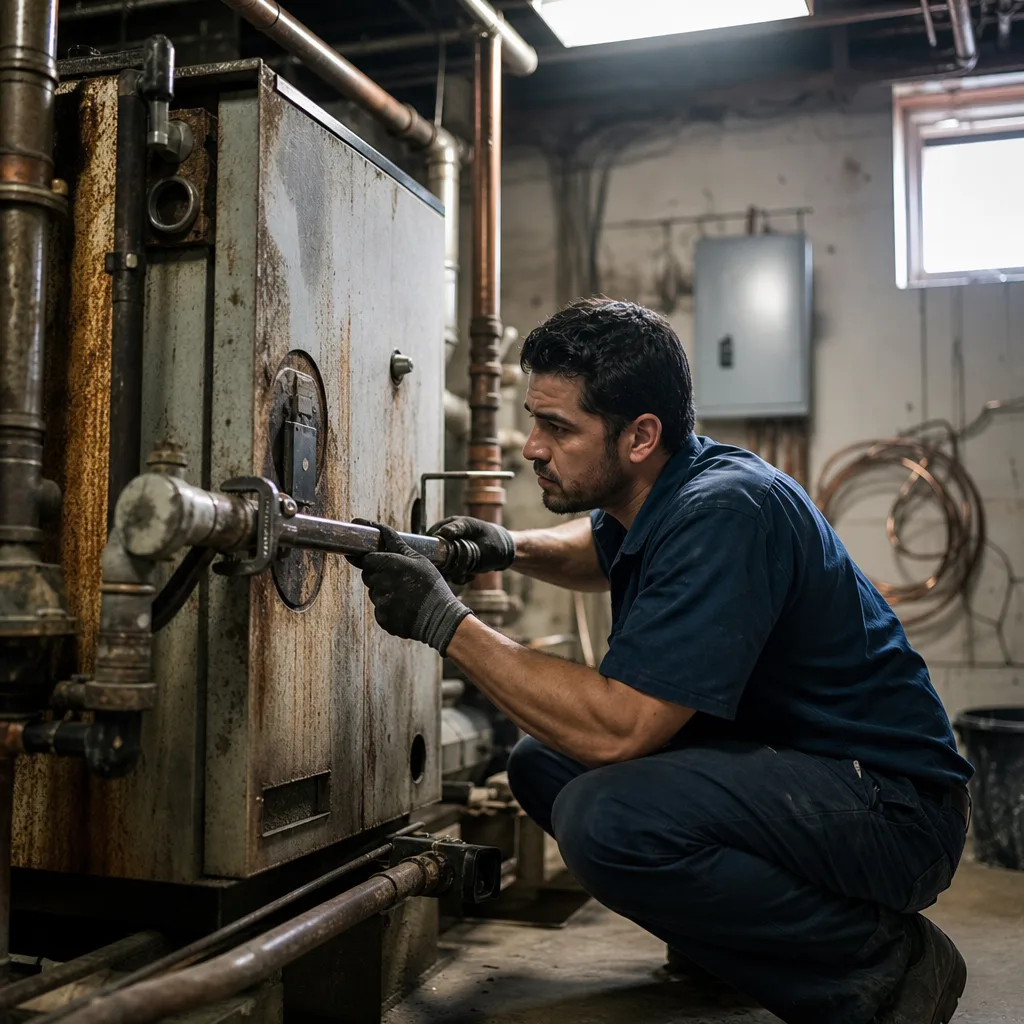
What’s Covered on This Page
- Boiler Replacement Versus Boiler Repair: Which One You Need
- Commercial and Multi-Family Buildings Are Where Boiler Replacement Happens Most
- What a Standard Boiler Replacement Includes
- What Drives Boiler Replacement Cost Up or Down
- What Happens During a Boiler Replacement
- Can my building keep running on hot water while the boiler is being replaced?
- What should I do if a repair tech finds a bigger problem once they open up the boiler?
- Do I need a permit to replace a boiler in Irving?
- Is it normal for a boiler quote to change after someone looks at my mechanical room?
Boiler Replacement Versus Boiler Repair: Which One You Need
Here’s the honest truth. A lot of boilers that stop working don’t need to be replaced. A boiler is a fairly simple machine with a few parts that wear out on their own schedule. When one of those parts fails, you fix that part and get back to a warm house. Age alone isn’t a reason to replace a boiler that’s still heating your home well.
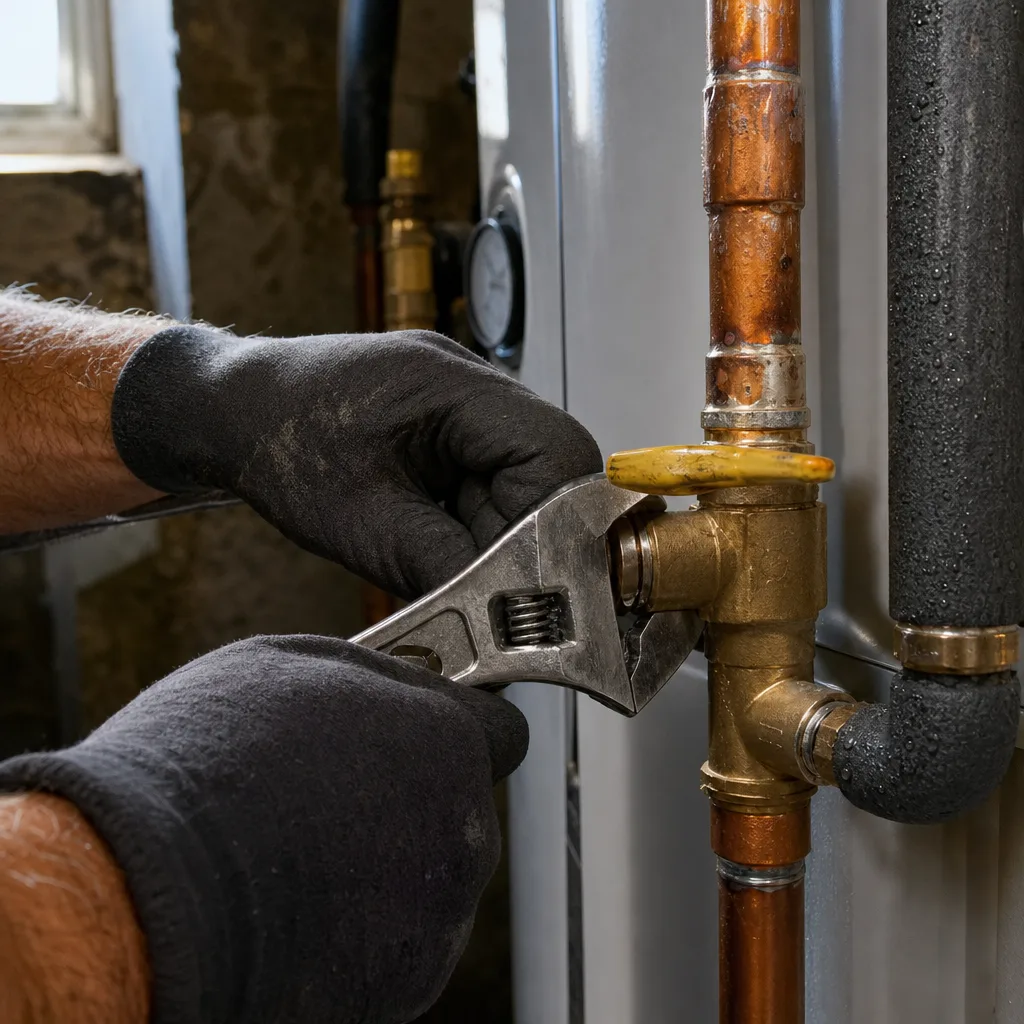
These problems are usually worth repairing:
- A circulator pump that hums, runs hot, or won’t move water through the system
- A pilot, igniter, or flame sensor that keeps the burner from lighting
- A thermostat or zone valve that leaves one area cold while the rest of the house is fine
- A pressure relief valve that drips, or an expansion tank that’s lost its air charge
- Air trapped in the lines, which causes gurgling and cold spots on radiators or baseboards
Replacement starts to make sense when the problem is the boiler itself, not a part bolted onto it. Watch for these signs:
- Water leaking from the boiler body or its sections, not from a fitting or valve
- A cracked heat exchanger. This is a safety issue, not just a comfort issue, because it can let exhaust gases escape where they shouldn’t
- Heavy rust or corrosion on the cabinet, burner area, or base
- Repair calls that keep coming back, sometimes for a new part each time
- Replacement parts that are discontinued or very hard to get
- Gas bills that keep climbing while your home feels no warmer
Cost is the other half of the decision. Weigh what a repair costs against what it buys you. A small fix on a solid boiler is money well spent. A big repair on a boiler that’s corroded or leaking from the body often just delays the bigger bill, and you may pay for both. For reference, our most common job is a standard like-for-like boiler replacement using existing connections with no major changes. That job typically runs between $9,200 and $15,500, and it includes equipment, professional installation, startup, testing, and haul-away of the old unit.
Timing matters too. North Texas cold fronts can roll in fast, and a boiler that limps through a mild week can quit on the first hard freeze. If yours is already showing the replacement signs above, it’s easier to plan the swap on your schedule than to scramble when the house is cold.
You don’t have to guess. We handle both boiler repair and boiler replacement, so we don’t need to sell you one over the other. Our service-call fee is $26 to $99, and it’s credited toward the repair if you go ahead with Xtreme Air Services. You’ll get upfront flat-rate pricing before any work starts, along with a plain answer on whether your boiler has good years left in it.
Commercial and Multi-Family Buildings Are Where Boiler Replacement Happens Most
Most single-family homes in North Texas heat with a furnace or heat pump, not a boiler. Boilers show up most in bigger buildings, such as apartment complexes, office buildings, hotels, schools, and older commercial properties. If you own or manage one of those buildings, a boiler replacement isn’t only about comfort. It’s about keeping heat and hot water running for the people who depend on you.
That changes how you should plan the job. In a house, a dead boiler means one cold family. In a 40-unit building, it means 40 phone calls, unhappy tenants, and maybe a business that can’t open its doors. So the goal is a replacement you schedule, not one that’s forced on you during the first hard freeze.
A commercial boiler is rarely a stand-alone box. It’s the heart of a whole system, and the replacement has to fit all of it. Here’s what a good plan looks at before the old unit comes out:
- Sizing for the building you have today. Buildings change over the years. Units get remodeled, windows get replaced, and spaces get turned into new uses. Matching the old boiler’s label can leave you with a unit that’s too big or too small.
- Heat and hot water needs. In many apartment buildings, the boiler also makes the hot water for every unit. Sizing has to cover the morning rush when everyone showers at once.
- Pumps, valves, and controls. Circulator pumps and zone controls that are near the end of their life should be checked at the same time, so a new boiler isn’t held back by worn parts.
- Venting and gas supply. A newer, more efficient boiler may need different venting or gas piping than the old one.
- Downtime. Knowing ahead of time how long heat and hot water will be off lets you warn tenants, pick a mild week, and set up a backup plan if you need one.
Cost is where commercial jobs can surprise people, so it helps to know what’s in the price and what isn’t. Our typical range for boiler replacement is $6,000 to $22,000. That range covers equipment and materials, professional installation, standard connections, startup and testing, and haul-away of the old unit. Duct, electrical, and plumbing changes, code corrections, and permits aren’t included unless they’re stated in your quote. Older buildings are more likely to need some of those extras, so ask about them up front. You’ll want the full picture before you sign.
If the number is bigger than this year’s budget, flexible financing is available on qualifying installations and larger jobs, on approved credit. That can make it easier to replace a failing boiler now instead of paying for one more emergency repair.
It also helps to work with one team that covers the whole building. Along with boiler replacement, we handle boiler system design, commissioning, and decommissioning of the old unit. We also do pump installation and repair, hydronic heating installation, commercial water heaters, and commercial plumbing and electrical work. When the boiler, the pumps, and the wiring are all handled by one licensed and insured contractor, you get one point of contact and one plan. You won’t end up with three crews pointing at each other.
Our office is on Riverside Drive in Irving, so we’re close by when your building needs us. We give you upfront flat-rate pricing before any work starts, and there’s no extra charge for nights or weekends. That matters when your heat goes out at 9 p.m. on a Saturday.
What a Standard Boiler Replacement Includes
“Standard” is a word that matters on a boiler quote. For us, a standard boiler replacement is a like-for-like swap. The new boiler goes where the old one sat and ties into your existing connections, with no major changes. That’s the job behind the price ranges mentioned above. When you know where “standard” ends, you can read any quote and spot what might get added.
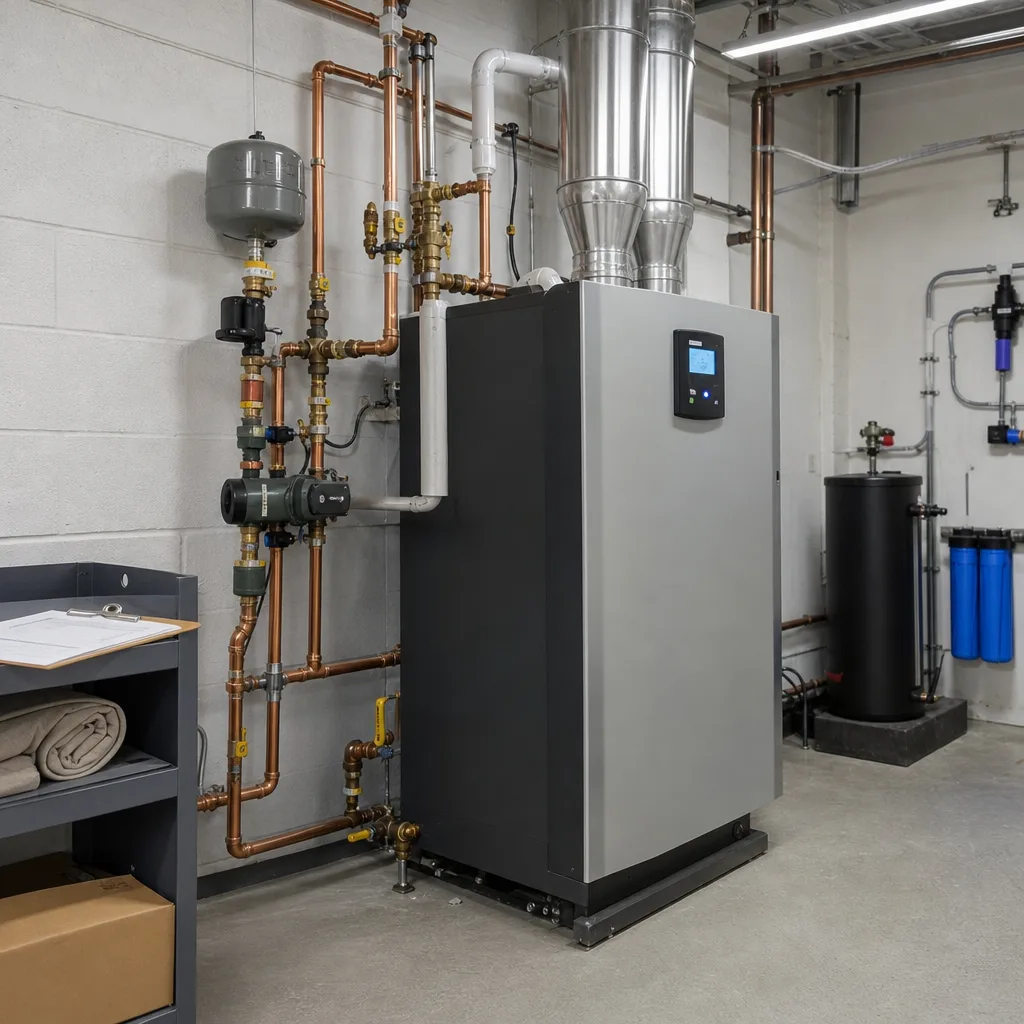
Here’s what each part of that like-for-like job should mean for you:
- The equipment and materials. You get the new boiler plus the parts needed to set it and hook it up. You shouldn’t get a surprise bill for fittings halfway through.
- Professional installation and standard connections. The new unit is connected to the piping and power you already have, so you don’t pay for rework your system doesn’t need.
- Startup and testing. The boiler is fired up and checked before the job is called done. It isn’t just switched on and left.
- Haul-away of the old unit. Older boilers can be heavy, and you don’t want one sitting in your mechanical room or your parking lot.
Startup deserves a closer look. A new boiler that simply turns on isn’t finished. A good startup means the burner lights clean and steady, and the system is filled and set to the right pressure. Air should be bled from the lines so you don’t get gurgling or cold spots. The venting should draw the way it’s supposed to, and every zone should heat. Ask your installer to walk you through it before they leave. You’ll know your heat works, and you’ll know which controls to touch.
A job stops being standard when the new boiler can’t drop into the old one’s spot. This often happens when you move up to a high-efficiency condensing boiler. Those units usually need different venting and a drain line for the water they make while running. Other common causes include moving the boiler to a new spot, old piping that’s too corroded to reuse, wiring that doesn’t meet today’s code, or a new unit that needs custom fabrication to line up. Those extras fall outside the standard price, as noted earlier.
Inside any job, these are the things that move the price up or down:
- Size and capacity. A boiler that heats a 20-unit building costs more than one that heats a single home.
- Efficiency. AFUE tells you how much of your fuel turns into heat. A higher number usually means a higher price up front and lower gas bills later.
- Brand and model. Features, controls, and build quality vary from one unit to the next.
- Ease of access. A tight mechanical room, a rooftop, or a narrow stairwell adds labor.
- Condition of your existing plumbing and wiring. If the connections are in good shape, they can be reused. If they’re worn out, they need work first.
- Code upgrades and permits. Older buildings are more likely to need corrections to meet current code.
- Custom fabrication. Some jobs need parts made to fit.
If your quote says “standard,” ask one simple question: what would change that? A clear answer before work starts is how you avoid a second number later. It’s also why we give you upfront flat-rate pricing that you approve first.
Ready when you are – get in touch today.
Call Today, Get Service Today. Xtreme Air Services — Irving is ready to help.
What Drives Boiler Replacement Cost Up or Down
Two boiler quotes can land thousands of dollars apart, and both can be honest. The gap usually isn’t the boiler. It’s what each contractor counted as part of the job. One quote may cover a straight swap. Another may already include new venting, a permit, and code fixes. So don’t compare the two totals first. Compare what each one covers, using the price factors and exclusions covered above.
The biggest choice you control is efficiency. A high-efficiency condensing boiler costs more up front. It may also need new venting and a drain line. It pays you back through lower gas bills, but how fast depends on how much your boiler runs.
That’s where North Texas changes the math. Our winters are mostly mild with a few sharp cold snaps. A boiler that only heats a house runs fewer hours here than it would up north, so the savings build more slowly. A boiler that also makes hot water for an apartment building runs every day of the year. In that building, a more efficient unit earns its money back much sooner. Ask your installer to tie the efficiency choice to how your building uses heat and hot water. Don’t just pick the highest number on the label.
Timing affects your cost too. When a boiler dies without warning, you often end up paying for a last-minute repair on a unit you were going to replace anyway. When you plan ahead, you can compare quotes, pick a mild week, and fold related work into the same visit. If your circulator pump or zone valves are near the end of their life, replacing them during the boiler swap usually costs less than a separate trip later.
Before you sign any quote, ask these questions:
- Is the new boiler sized for my building as it is today, or just matched to the old label?
- Are permits included, or will they be billed separately?
- If the old piping or wiring turns out worse than expected, how will that extra work be priced, and will I approve it first?
- Does the price include startup, testing, and hauling away the old unit?
- Will any worn pumps, valves, or controls hold back the new boiler?
A contractor who answers these plainly before work starts is one you can trust with the job. That’s why we give you upfront flat-rate pricing to approve before we start. If the total is more than you planned for, flexible financing is available on qualifying installations and larger jobs, on approved credit.
Call 469-200-2166
Watch Our Video
See How We Handle Boiler replacement in Irving
Xtreme Air Services — Irving
What Happens During a Boiler Replacement
A boiler replacement follows a clear order. First someone looks over your system, and you agree on a price. Then the old boiler is shut down, drained, and taken out. The new one is set in place, connected, started up, and tested, and the old unit is hauled away. Once you know the steps, it’s easier to plan your day and to know when to ask questions.
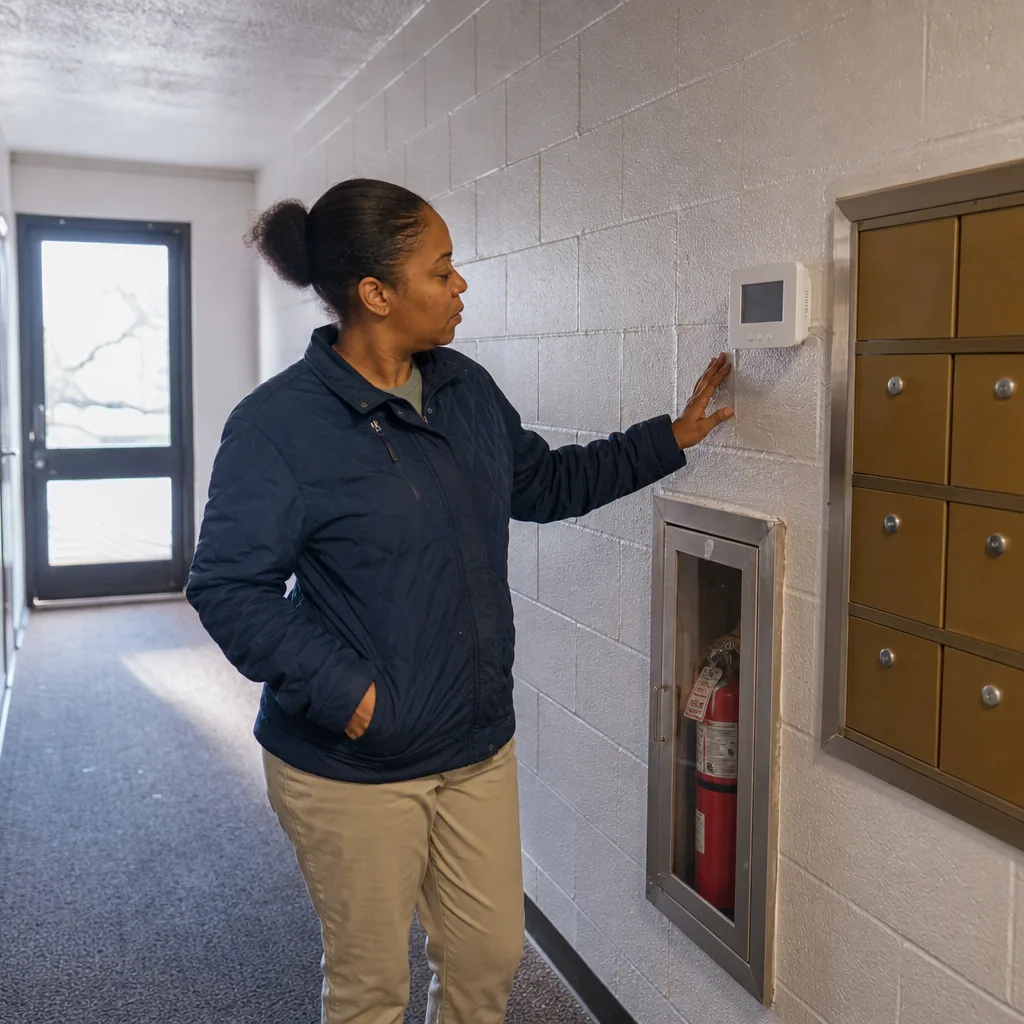
- The look-over. Before you get a quote, a technician should see more than the boiler. That means the mechanical room, the venting, the gas line, the pumps, and how heat reaches each room or unit. A quote given over the phone without anyone seeing the system is a guess.
- Price approved first. You see the full price and say yes before any work starts. With us, that’s upfront flat-rate pricing, so there’s no meter running while the crew works.
- Shutdown and drain. The gas and power to the boiler are turned off, and the water is drained out. This is when your heat and hot water go off, so this is the moment your family or tenants need to know about.
- Removal. The old boiler is unhooked from the piping, gas, venting, and wiring. Older cast-iron boilers can weigh a lot. Sometimes they’re taken apart and carried out in pieces so floors, stairs, and door frames don’t get damaged.
- Setting the new boiler. The new unit is placed, leveled, and given the space around it that the maker calls for. That space matters for safe venting and for easy service later.
- Connections. The water piping, gas line, venting, and controls are hooked up. The gas connections are checked for leaks before anything is lit.
- Startup and testing. The boiler is filled, fired, and checked against the startup list covered above. The job isn’t done until every zone heats.
- Walkthrough and haul-away. You’re shown the controls you’ll use, and the old boiler leaves with the crew.
Sometimes the crew finds something nobody could see until the old boiler came out. It might be a pipe that’s rusted through or a valve that crumbles in hand. When that happens, you should hear about it and see the price before that extra work begins. You shouldn’t find it on the final bill.
How long the job takes depends on how close it is to a like-for-like swap. A new boiler that drops into the old one’s spot goes faster than one that needs new venting, a new drain line, or piping changes. Ask for a time estimate with your quote so you can plan around it.
A little prep makes the day go smoothly:
- Clear a path from the door to the boiler, and move anything stored near it.
- Write down any cold rooms, noises, or leaks you’ve noticed so they can be checked during the job.
- Keep old repair receipts handy. They show what’s already been replaced.
- If you manage a building, post a notice so tenants know when heat and hot water will be off.
You’re letting people into your home or building, and that should feel safe. Our licensed and insured technicians are background-checked and drug-tested, and they’ll treat your space with respect.
Call 469-200-2166
Frequently Asked Questions
Common questions about Boiler replacement
Can my building keep running on hot water while the boiler is being replaced?
Usually not during the actual swap, since the water has to be drained before the old boiler comes out. That’s why planning ahead matters so much for apartment buildings and offices. A good contractor tells you up front how long heat and hot water will be off, so you can warn tenants and pick a mild week instead of being caught in a freeze.
What should I do if a repair tech finds a bigger problem once they open up the boiler?
You should hear about it and see a price before any extra work starts, not find it on the final bill. Sometimes a crew finds a rusted-through pipe or a valve that crumbles once the old boiler is pulled out. A trustworthy contractor pauses, explains what they found, and gets your approval before moving forward.
Do I need a permit to replace a boiler in Irving?
Most boiler replacements do require a permit, since boilers are pressure equipment regulated for safety. Rules and inspection steps can vary depending on the building and its age, so it’s worth asking your contractor to confirm permit requirements before work starts rather than assuming the old installation covers you.
Is it normal for a boiler quote to change after someone looks at my mechanical room?
Yes, and that’s a good sign rather than a red flag. A quote given over the phone without anyone seeing the mechanical room, venting, and gas line is a guess. A technician who walks through your space first can spot issues like tight access or old piping that change the real price before you sign anything.
Ready to Get Started?
Call (469) 200-2166 Today, Get Service Today.