


Furnace Replacement in Plano: What to Know Before You Buy
An honest way to tell if your furnace is worth one more repair, and what a full replacement includes.
What’s Covered on This Page
- Signs Your Furnace Needs Replacing, Not Just a Repair
- When a Repair Makes More Sense Than Replacement
- What’s Included in a Standard Furnace Replacement
- Why Furnace Replacement Costs Vary From Job to Job
- Plano’s Permit Requirement for Furnace Replacement
- How long does a furnace replacement take in Plano?
- Can I keep using my furnace while I shop around for a replacement?
- What happens to my old furnace after it’s replaced?
- Do I need to be home during the city inspection after my furnace is installed?
Signs Your Furnace Needs Replacing, Not Just a Repair
Most furnace problems don’t mean you need a new one. A furnace that won’t light on the first cold night is often just a worn ignitor or a dirty flame sensor. Those are small, quick fixes. If your furnace is fairly young and this is its first real problem, fix it and move on. We’ll tell you that straight.
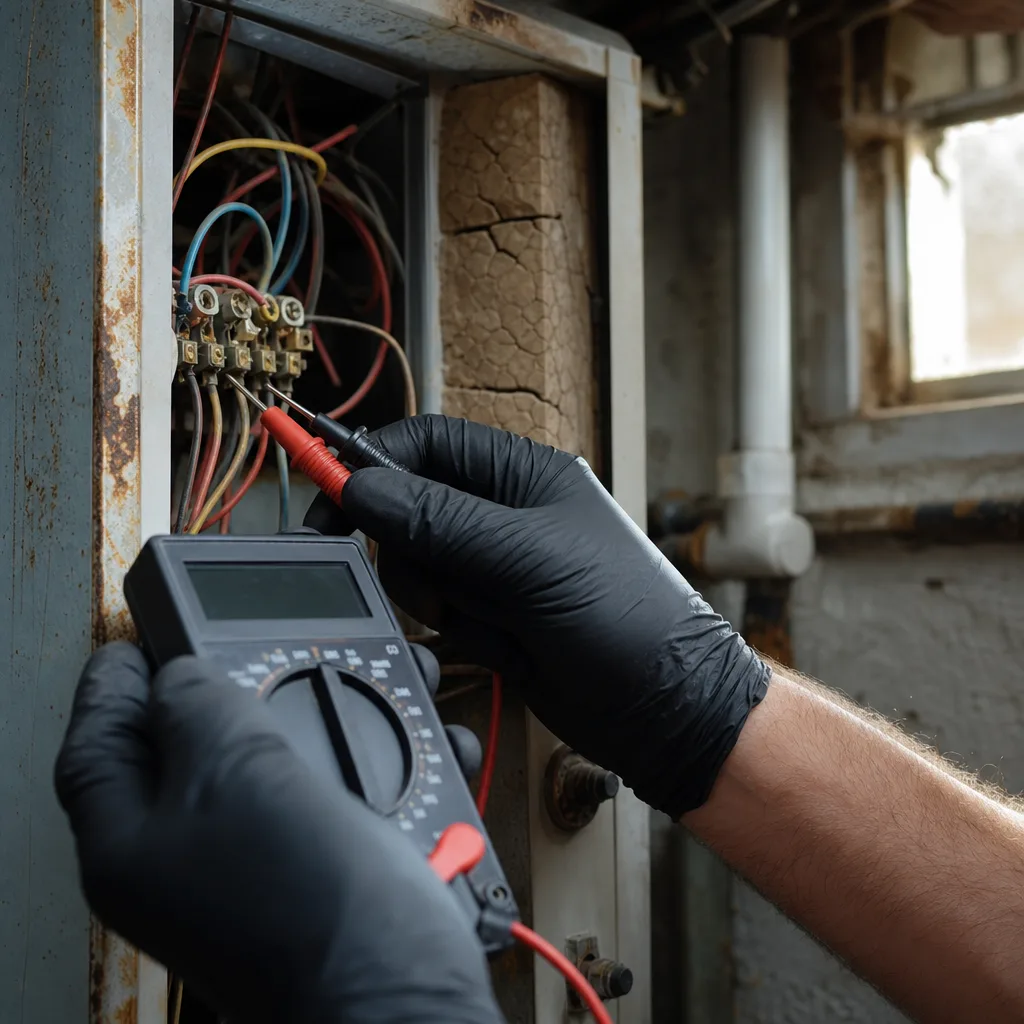
Replacement starts to make sense when the problems stack up. Here are the signs that point that way:
- It’s getting up there in age. Many gas furnaces last somewhere around 15 to 20 years. Once yours is in that range, every repair buys you less time.
- You’re calling for repairs every season. One fix is normal. A new part every winter means the whole system is wearing out, not just one piece.
- The repair quote is a big share of what a new furnace costs. Putting serious money into an old unit rarely pays off when it’s near the end anyway.
- Your gas bills keep rising even though your habits haven’t changed. Older furnaces lose efficiency as they age, so you pay more for the same heat.
- Some rooms stay cold while others feel fine. Uneven heat can come from ductwork, but it can also mean the furnace can’t keep up anymore.
- It turns on and off over and over in short bursts. This is called short cycling. It wears parts out faster and keeps your home from ever feeling settled.
- Parts are hard to find. On older models, a tech may have to hunt for a replacement part, which means more waiting and more cost.
- The burner flame looks yellow or flickers instead of a steady blue. That can point to a combustion problem that needs a close look.
One problem deserves its own mention: a cracked heat exchanger. The heat exchanger is the metal chamber that keeps burning gas and exhaust separate from the air you breathe. When it cracks, the fix is usually a new furnace, not a patch. If you’re ever unsure whether your furnace is running safely, our carbon monoxide testing and furnace safety inspection services can give you a clear answer.
Here in North Texas, furnaces live an odd life. They sit quiet for months through the long, hot summers, then get pushed hard when a sudden cold front rolls through. Many are tucked up in attics, where summer heat bakes them year after year. That on-and-off pattern means a furnace can seem fine all fall, then fail on the first freezing night. If yours has been limping along, the first real cold snap is often when it gives out.
Picture a homeowner who’s had the same furnace since they bought the house. Last winter it needed a new blower motor. This year it’s the control board. The gas bill is higher than it used to be, and the back bedroom never warms up. No single problem is a crisis. Put together, they tell you the furnace is near the end. That’s when a replacement stops being a sales pitch and starts being the smart move.
If you’re seeing just one of these signs, a repair is likely all you need. If you’re seeing three or four, it’s worth having a technician look at the whole picture before you spend money on another fix.
When a Repair Makes More Sense Than Replacement
If your furnace is under about 10 years old, a single part failed, and the rest of the system checks out, repair it. That’s the honest answer. A new furnace is a big purchase, and it only makes sense when it saves you money or trouble over the next several years.
Some repairs sound bigger than they are. Even a blower motor, an inducer motor (the small fan that pushes exhaust out), or a control board can be well worth fixing on a younger furnace. These parts wear out on their own. Replacing one doesn’t mean the rest of the furnace is close behind it.
Repair is usually the better call when:
- Your furnace still has plenty of years left and this is its first real problem.
- The part is common and easy to get, so you’re not waiting a week while it’s shipped in.
- The repair cost is small compared to the cost of a new system.
- Your heat was steady and your gas bills were normal right up until it broke.
- You’re planning to sell or move in the next year or two, so you won’t be there long enough to get the benefit of a new unit.
Before you call anyone, check a few easy things yourself. Plenty of no-heat calls turn out to be one of these:
- The thermostat is set to Heat, set warmer than the room, and has fresh batteries if it uses them.
- The air filter isn’t clogged. A filter packed with dust can choke airflow and make the furnace shut itself off.
- The furnace power switch is on. It often looks like a regular light switch on the wall or on the unit, and it’s easy to bump by accident.
- The breaker for the furnace hasn’t tripped.
If none of those fix it, that’s the point to have a technician take a look. If you smell gas, leave the house and call your gas company from outside. Don’t try to troubleshoot it yourself.
There’s also a middle path. Say your furnace is older but still runs safely, and it needs a modest repair in the middle of January. It can make sense to fix it, get through the winter, and plan a replacement for spring. Our long Texas summers mean your furnace won’t be needed for months. That gives you time to compare options and pick what fits your home without making a rushed choice on a cold night.
Timing with your AC matters too. If your air conditioner is also getting old, you may want to wait and replace both together so the indoor and outdoor parts are matched. If your AC is newer, there’s no reason to hold off on a furnace that truly needs replacing.
When we come out, there’s a $26-$99 service-call fee. It’s credited toward the repair if you go ahead with Xtreme Air Services. Our job is to tell you whether a repair will do the job. If it will, that’s what we’ll recommend.
What’s Included in a Standard Furnace Replacement
A standard furnace replacement is a like-for-like swap. The new furnace goes where the old one was and connects to your existing ductwork, gas line, and wiring with no major changes. Most of these jobs run $4,600-$6,300. Across all the furnace replacements we do, the typical range is $3,800-$8,000. Where your home lands depends on what it needs.
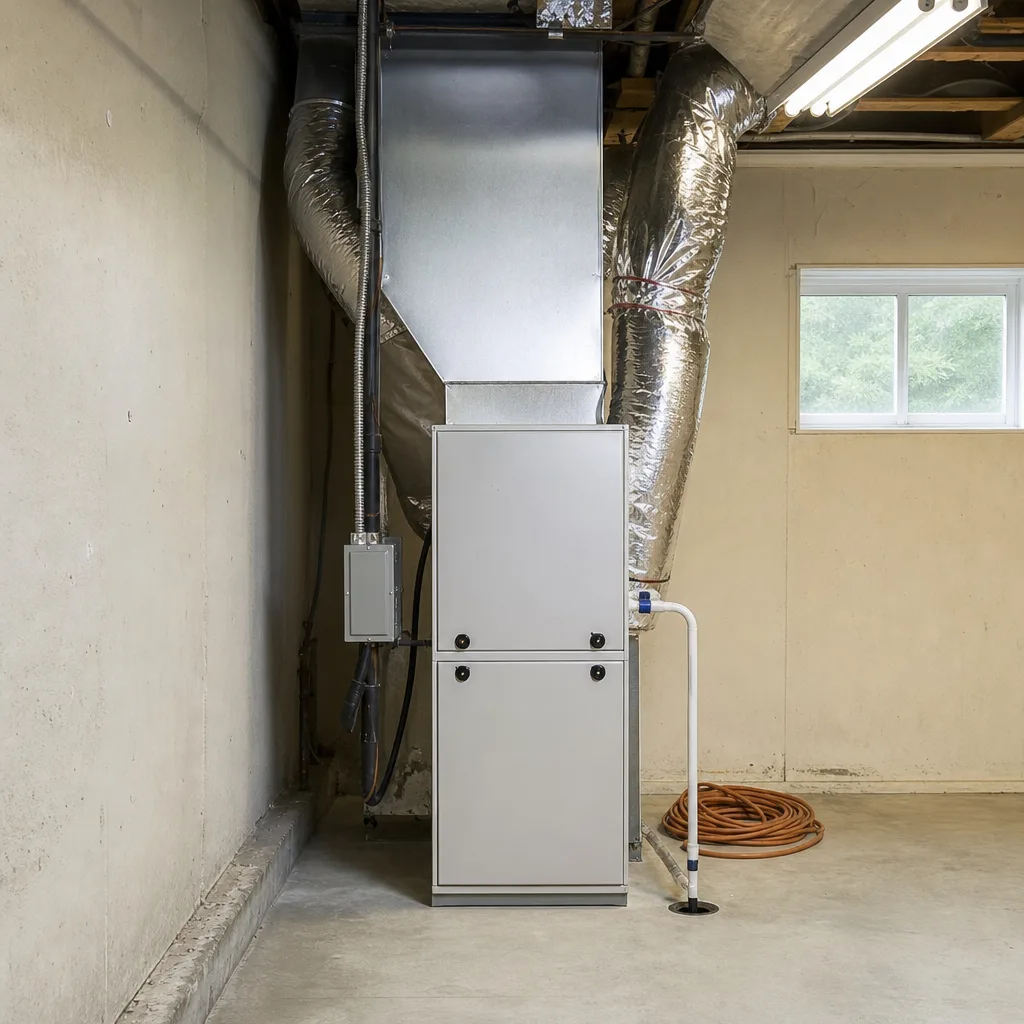
Here’s what that standard job covers:
- The new furnace and the materials to install it
- Professional installation by our licensed and insured team
- Standard connections to your existing setup
- Startup and testing, so the new furnace is fired up and checked before we call it done
- Haul-away of your old unit, so it isn’t left sitting in your garage or attic
Some work isn’t part of a standard swap. If your home needs it, we’ll name it and price it before anything starts:
- Changes to your ductwork, electrical, or plumbing
- Code corrections, meaning updates needed to bring an older setup up to current rules
- Permits, unless your quote says they’re included
We’d rather tell you that up front than surprise you halfway through the job. You get upfront flat-rate pricing approved before work starts, so there’s no meter running while we work.
So what pushes a job toward the higher end of the range? A few things:
- Size and capacity. The furnace has to match your home. A bigger home or a larger system costs more.
- Efficiency. A furnace’s AFUE rating tells you how much of the gas you buy turns into heat for your home. A higher rating means less heat wasted, but the equipment costs more up front.
- Brand and model. As a Trane Comfort Specialist, we can walk you through Trane furnace options at different efficiency levels and price points.
- Ease of access. A furnace in a tight attic is harder to reach and move than one in a hall closet or garage.
- The shape of what’s already there. Worn ductwork, old wiring, or gas piping that needs work adds to the job.
- Custom fabrication. If the new furnace doesn’t line up with your existing ducts, a tech may need to build a custom fitting to connect them.
Picture two houses on the same street. In one, the new furnace drops right into place and hooks up to sound ducts. In the other, the furnace sits in a cramped attic, and the old ducts don’t fit the new unit’s opening. Same furnace, different job, different price. That’s why we look at your actual setup before we quote it.
If the total is more than you planned to spend this month, we offer flexible financing on qualifying installations and larger jobs, on approved credit. That way the decision can be about what’s right for your home, not just what’s in your checking account this week.
The goal is simple. When you get your quote, you should know exactly what’s in it, what isn’t, and why. No guessing and no surprise line items when the job’s finished.
Not sure what your Furnace replacement project needs? Ask us.
Call Today, Get Service Today. Xtreme Air Services — West Plano is ready to help.
Why Furnace Replacement Costs Vary From Job to Job
If you’ve gotten two quotes for a new furnace and they’re far apart, that doesn’t automatically mean someone’s padding the price. Often the two quotes describe different jobs. One may be a basic swap. The other may include choices that change how the furnace runs for the next 15 years. Once you know what to look for, the gap usually makes sense.
The biggest fork in the road is efficiency. A high-efficiency furnace pulls so much heat out of the exhaust that it makes water. That means it vents through plastic pipe and needs a drain line, not the metal flue your old furnace probably uses. If you’re moving up to one of these, the quote may include new venting and a safe path for that water, which matters a lot when the furnace sits in an attic. Here’s the local catch: in North Texas, your furnace runs far fewer hours than one up north. So it’s fair to ask how long the extra cost will take to pay you back on your gas bill. Sometimes it’s worth it. Sometimes a standard furnace is the smarter buy.
Size is next. Some quotes simply copy the size of the old furnace. But if your home has new windows, better attic insulation, or an added room since that furnace went in, the old size may be wrong now. Bigger isn’t better. An oversized furnace leads to the short cycling we talked about earlier. A quote based on measuring your home can come in higher or lower than one that just matches the old label.
Then there’s the blower, the fan inside the furnace. In Texas, that fan works much harder in summer than in winter, because it pushes your cool air from the AC too. A variable-speed blower costs more, but it runs quieter, moves air more evenly, and helps pull humidity out of your home on muggy days. Since you’ll use it nearly year-round, it’s worth weighing, especially if your AC is new or you’re replacing both soon.
Before you sign anything, ask these questions. Any good contractor should answer them without hesitation:
- What’s the AFUE rating on this furnace, and why did you pick it for my home?
- Did you size it for my house, or match the old unit?
- Does the price include any venting or drain changes the new furnace needs?
- Is a permit included, or is that extra?
- Is the blower single-speed or variable-speed?
- If you find a problem once the old furnace is out, how will you tell me and price it before doing the work?
Lay your quotes side by side with those answers, and you’ll be comparing the same job. That’s how you avoid paying for things you don’t need and skipping things you do.
Call 469-217-9095
Watch Our Video
See How We Handle Furnace replacement in Plano
Xtreme Air Services — West Plano
Plano’s Permit Requirement for Furnace Replacement
Yes, replacing a furnace in Plano is permitted work. The City of Plano treats a furnace swap as mechanical work, so a permit should be pulled before the job starts, and the finished install should pass a city inspection. That’s true even for a simple like-for-like swap that uses your existing ducts and gas line. If you want to double-check the current rules for your address, the City of Plano’s building inspections office can confirm them.
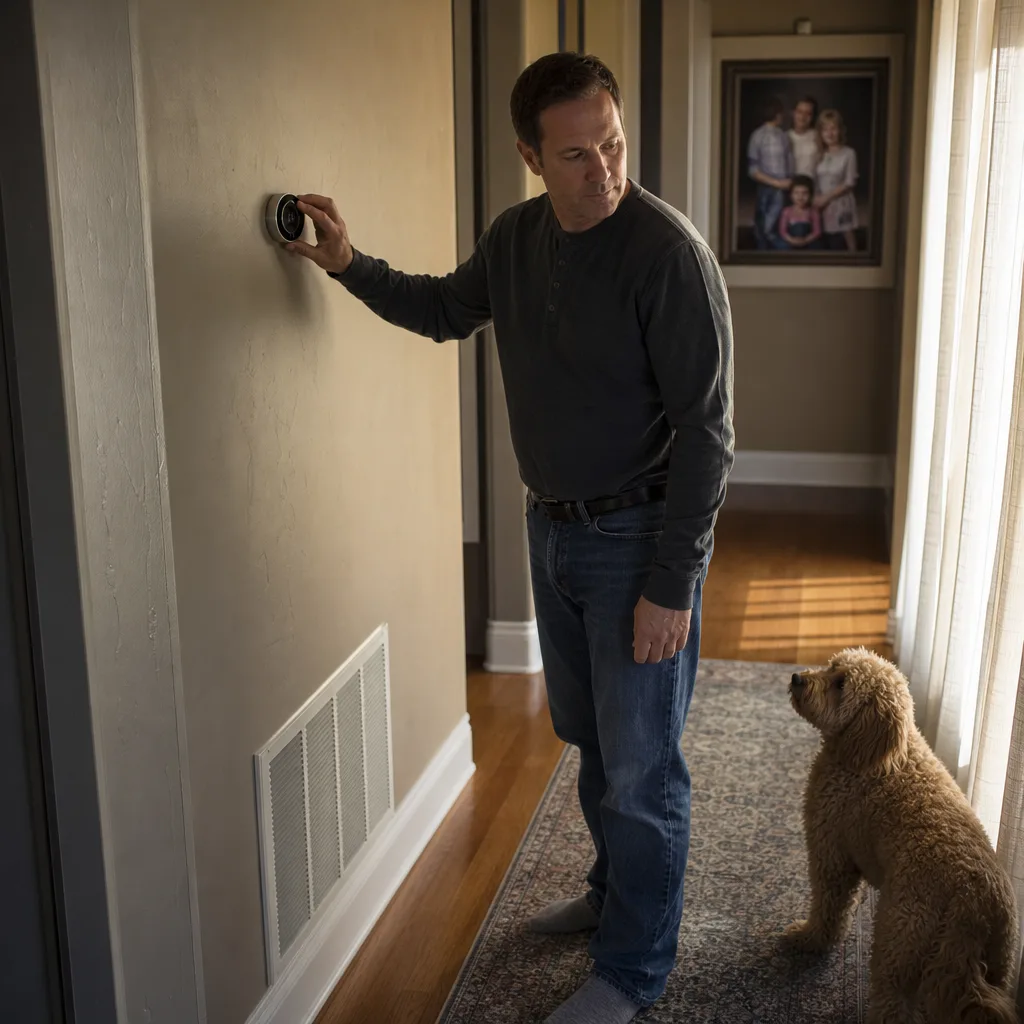
It’s fair to wonder if a permit is just paperwork. With a gas furnace, it isn’t. Your furnace burns natural gas inside your home and pushes the exhaust out through a vent. A permit brings in a second set of eyes from the city to make sure that work was done safely. An inspector isn’t there to judge the brand you picked. They’re there to make sure the furnace is hooked up so it won’t put your family at risk.
An inspection on a furnace replacement usually looks at things like these:
- The gas connection is tight and properly fitted, with a shutoff valve where it belongs.
- The exhaust vent is the right type and size for the new furnace and carries fumes safely out of the house.
- The furnace has enough air to burn gas cleanly.
- Electrical hookups and the power disconnect are done correctly.
- The unit has the space around it it needs and can be safely reached for service, which matters a lot when it sits in an attic.
A permit also helps you down the road. When you sell your home, a buyer’s inspector may ask whether the furnace was installed with a permit. Having that record makes the answer easy. Without it, you could end up answering questions you’d rather not deal with in the middle of a sale.
In Texas, HVAC work like this has to be done by a licensed air conditioning and refrigeration contractor. Our HVAC license is #TACLA29023C, and our team is licensed and insured. A licensed contractor is the one who should pull the permit and stand behind the work when the inspector shows up.
As covered in the pricing section, permits aren’t part of a standard swap unless your quote says so. That’s why it pays to ask about it out loud. Before you hire anyone, ask:
- Will you pull the permit, and is the cost in my quote or separate?
- Who schedules the city inspection, and do I need to be home for it?
- If the inspector asks for a change, who fixes it and who pays?
Be careful with any quote that comes in low because it skips the permit. Saving a little now isn’t worth having gas and exhaust work in your home that no one checked. A good contractor will bring up the permit before you do.
Call 469-217-9095
Frequently Asked Questions
Common questions about Furnace replacement
How long does a furnace replacement take in Plano?
Most standard furnace replacements take about a day to complete. If your home needs duct changes, custom fitting work, or code corrections, the job can stretch longer. We walk through your home’s setup before we start so you know what to expect before the crew arrives.
Can I keep using my furnace while I shop around for a replacement?
Yes, as long as it’s still heating safely and hasn’t failed completely. Many Plano homeowners get through a mild winter on an aging furnace, then plan the replacement for spring when there’s no rush to fix it fast. Just don’t ignore warning signs like a cracked heat exchanger or gas smell, since those call for immediate attention.
What happens to my old furnace after it’s replaced?
We haul it away as part of a standard replacement, so it won’t sit in your garage or attic afterward. You don’t need to arrange separate disposal or pay extra for removal on a typical swap.
Do I need to be home during the city inspection after my furnace is installed?
It depends on how the inspection is scheduled, so it’s worth asking your contractor directly. Since Plano requires a mechanical permit and inspection for furnace replacements, someone should confirm with you who’s handling the scheduling and whether your presence is needed.
Ready to Get Started?
Call (469) 217-9095 Today, Get Service Today.