


Electrical Safety Inspection in Sunnyvale: Catch Hazards Before They Spark
A full walkthrough of panel, grounding, wiring, and devices with a written report – for a purchase, an insurance request, or a problem you cannot pin down.
What’s Covered on This Page
- Warning Signs That Signal a Wiring Problem
- What a Full Electrical Safety Inspection Covers
- When You Don’t Need a Full Inspection
- Summer Heat Load and Panel Stress in Sunnyvale
- Step-by-Step: What Happens During Your Inspection
- How soon can you schedule an electrical safety inspection in Sunnyvale?
- What happens when your technician arrives for the inspection?
- Why do breakers trip more often during a Sunnyvale summer?
- Do I need a full inspection if just one outlet stopped working?
- Should I get an inspection after buying an older home in Sunnyvale?
- What warning signs mean I should call for an electrical safety inspection?
Warning Signs That Signal a Wiring Problem
Most folks don’t call us because they read about wiring hazards online. They call because something felt off. A light flickers every time the AC kicks on. An outlet feels warm to the touch. The breaker for the kitchen trips twice a week and nobody can figure out why.
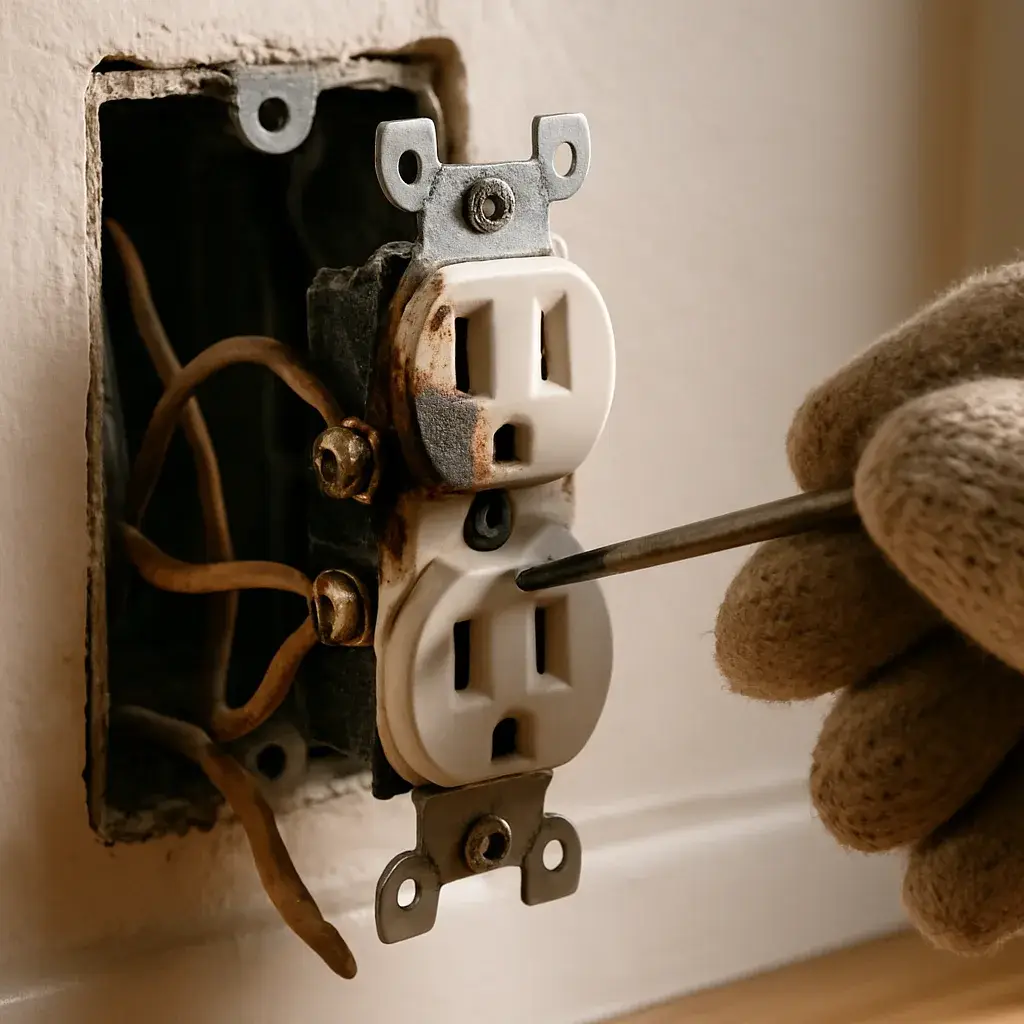
Here’s the thing, wiring problems rarely announce themselves loudly. They show up as small, easy-to-ignore quirks first.
- Lights that flicker or dim when an appliance turns on
- Outlets or switch plates that feel warm or smell faintly burnt
- A breaker that trips more than once a month
- Buzzing or crackling sounds from an outlet or panel
- Two-prong outlets in a house built before the 1970s
- Discolored or scorched outlet covers
Any one of these on its own might not mean much. Two or three together, that’s your cue. We see this every single week, someone ignores a flickering light for months and it turns out the wire nut behind it was never tightened right.
Older homes carry more risk here simply because materials and standards have changed over the decades. Aluminum wiring, undersized circuits, and panels that were never updated for modern appliance loads all show up during a full assessment of panel, wiring, grounding, and devices. You don’t need to diagnose the cause yourself, that’s the point of having someone look at it properly.
What a Full Electrical Safety Inspection Covers
So what are we doing when we show up for a safety inspection? Good question. It’s not a five minute glance at your breaker box.
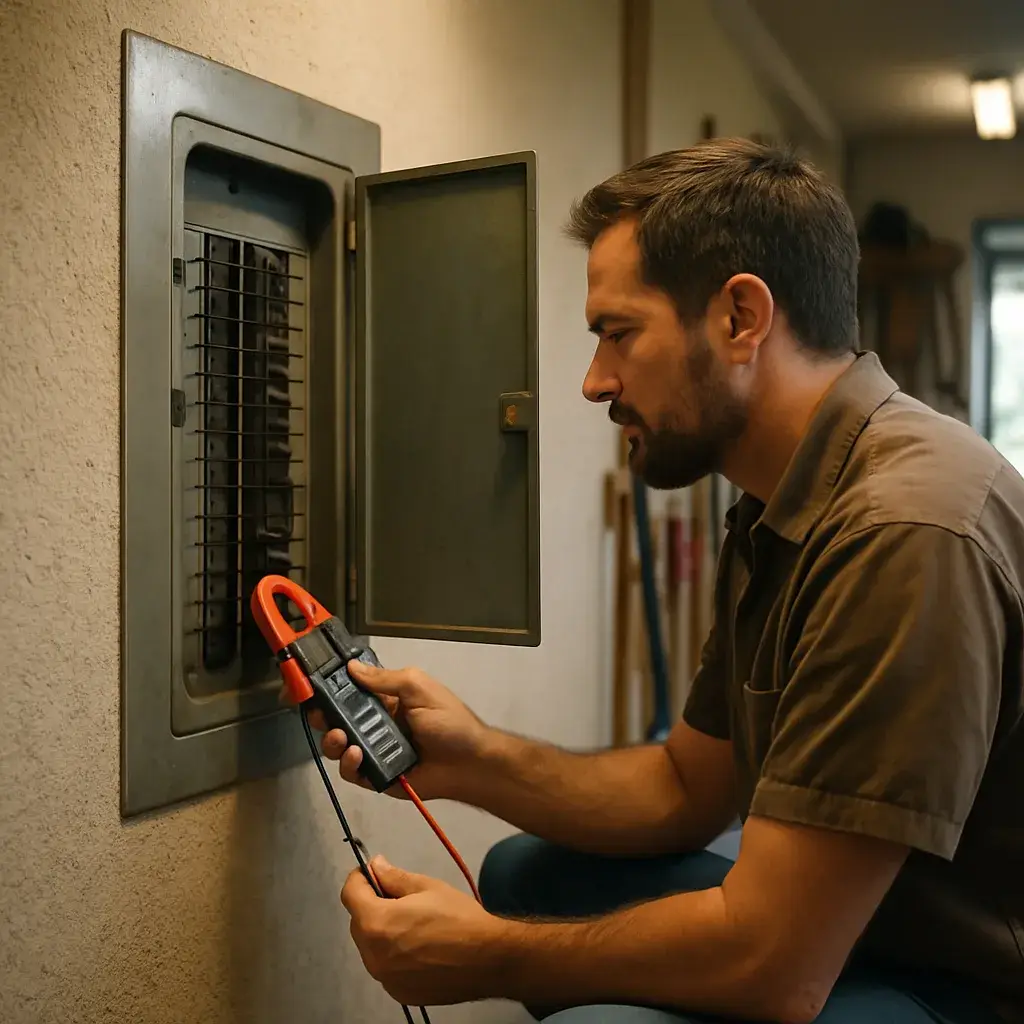
A real electrical safety inspection starts at the panel and works outward. We check the condition of the breakers, look for signs of overheating, and confirm the panel isn’t overloaded for what your home runs. From there we trace the wiring, check the grounding system, and test outlets and switches throughout the house. Most of the time, the panel tells us most of the story before we even open a single outlet cover.
- Panel condition, breaker function, and signs of overheating or corrosion
- Grounding and bonding, a big one for older homes without modern grounding
- Wiring condition in accessible areas, including any outdated or damaged runs
- Outlets and switches, with attention to GFCI protection in kitchens and bathrooms
- Smoke detector wiring and placement where applicable
We wrap it up with a written summary. No vague checklist with checkmarks and nothing else, an actual explanation of what we found and what, if anything, needs attention. You get to see the real picture before you decide on anything.
That written summary is the whole point.
Some inspections turn up nothing more than a loose connection or an outlet that needs a GFCI upgrade. Others catch something bigger, like a panel that’s been quietly overheating for years. Either way, you walk away knowing exactly where your home stands, not guessing.
When You Don’t Need a Full Inspection
Not every electrical question needs a full inspection. If one outlet stopped working and the rest of the room is fine, that’s usually a single bad outlet or a tripped GFCI, not a whole-panel problem. A flickering bulb, more often than not, that’s just a loose bulb or a worn-out fixture.
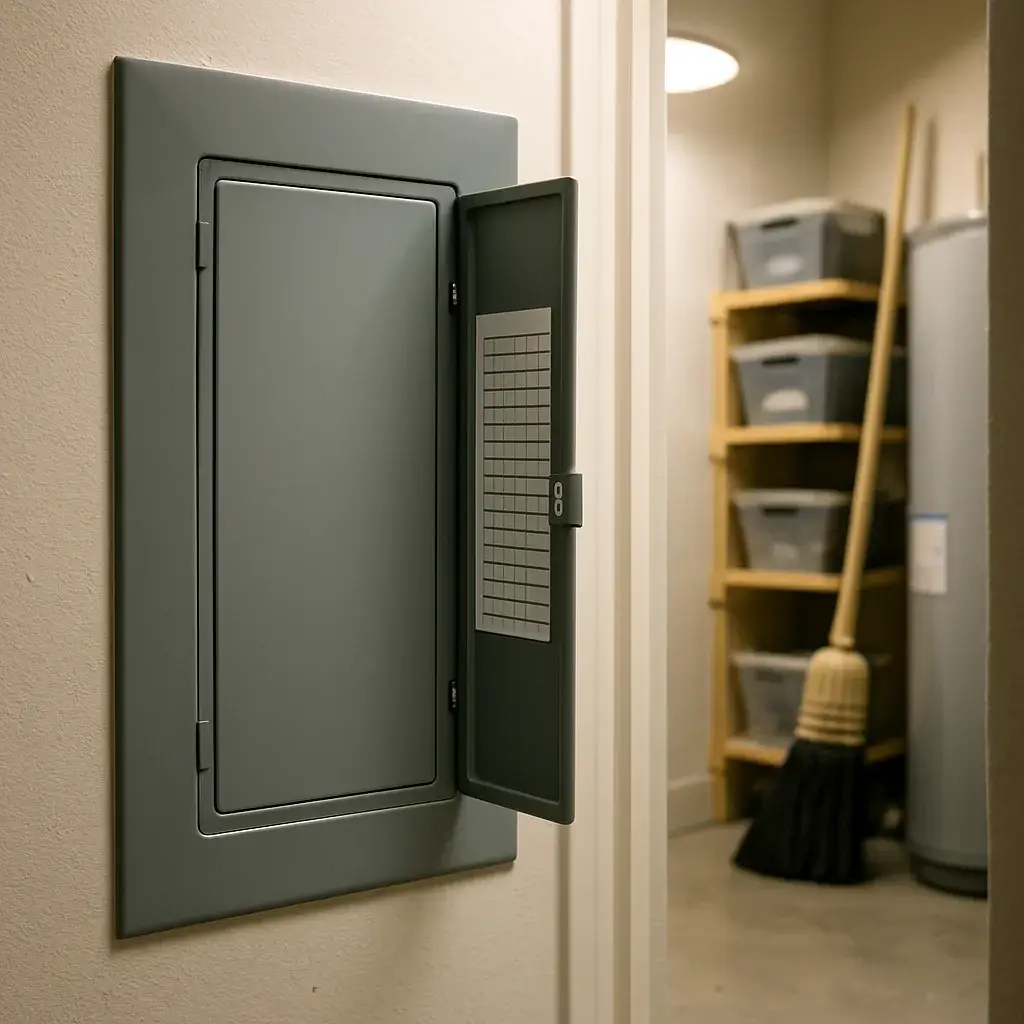
So when do you skip it? A single dead outlet you can reset yourself. A dimmer switch that hums a little. A porch light that needs a new bulb. None of that calls for a full panel-to-device assessment.
- One outlet or switch not working while everything else on the circuit is fine
- A breaker that trips once during a storm and resets normally after
- Cosmetic issues like a cracked switch plate or an outdated light fixture
- A newer home under warranty where the builder’s electrician already handled code checks
If you just bought an older Sunnyvale home built before the 1980s, that’s a different story, aluminum wiring and outdated panels show up a lot in that era, and that’s worth a real look. But a single quirky outlet in a newer subdivision home probably isn’t.
Here’s the honest answer: if nothing’s warm, sparking, buzzing, or repeatedly tripping, you likely don’t need us out there for a full inspection today. Save your money. Call if something changes.
Need help with Electrical safety inspection?
Call Today, Get Service Today. Xtreme Air Services is ready to help.
Summer Heat Load and Panel Stress in Sunnyvale
Summer in Sunnyvale isn’t gentle on a home’s electrical panel. Once temperatures sit in the upper 90s for weeks, your AC unit runs almost nonstop, and that means your panel is carrying a heavier load than it does the rest of the year. Older panels, especially ones original to homes built decades ago, weren’t sized for today’s mix of central air, added outlets, and smart home gear. The panel gets hot, the breakers work harder, and something that was borderline in April can trip in July.
We see this every single week once the heat sets in. A breaker that trips once a month in spring starts tripping twice a week by mid-June. That’s not bad luck, that’s a panel telling you it’s maxed out.
- A breaker tripping more often as the outdoor temperature climbs
- A warm or discolored panel cover, or a faint burning smell near it
- Lights that dim slightly whenever the AC compressor kicks on
- A panel that’s still rated for a smaller, older electrical load than your home now uses
None of these mean you need a new panel right away. But they’re exactly what a safety inspection is built to catch, before the panel fails on the hottest day of the year and takes your AC down with it.
Step-by-Step: What Happens During Your Inspection
So what happens when one of our technicians shows up? Not a mystery. Not a big production. We walk in, we introduce ourselves, and we get to work checking the things that matter for your safety.
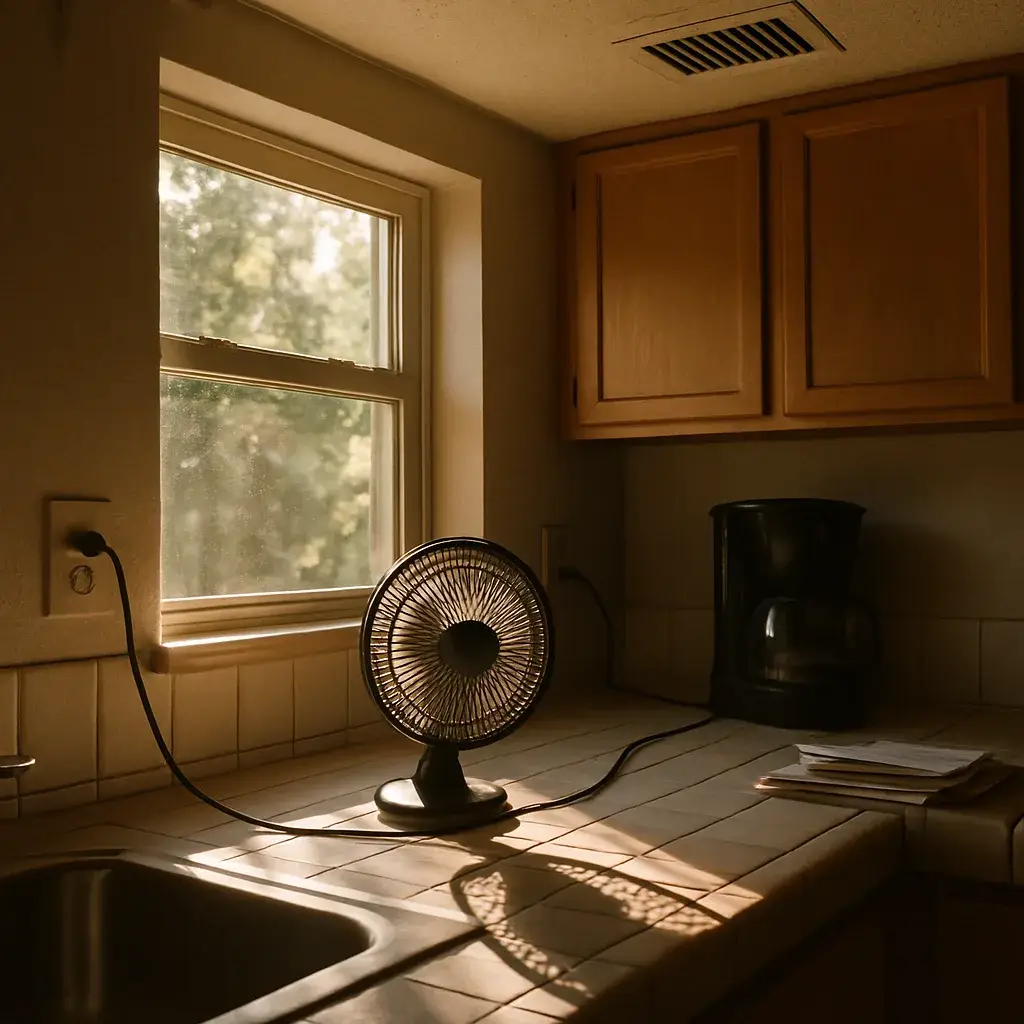
- We start at the panel. This is ground zero for most electrical problems, so we check for warm spots, rust, loose breakers, and outdated fuse setups.
- We check the grounding system. A panel can look brand new and still be poorly grounded, and that’s a problem we catch a lot.
- We test outlets and switches around the house, especially in the kitchen, bathrooms, and garage, where GFCI protection matters most.
- We look at visible wiring wherever we can access it, attic, crawlspace, utility areas, checking for damage, old materials, or DIY connections that were never done right.
- We check for overloaded circuits. Often, a tripping breaker traces back to too many devices pulling from one line.
- We write everything down. You get a clear summary of what we found and what, if anything, needs attention next.
In Sunnyvale, we still run into homes with original aluminum wiring from decades back, and that’s one of the first things we look for. Doesn’t mean panic, it just means we flag it and explain what your options are.
No demolition, no drywall cuts, no mess. Just a real look at the system and honest answers about what’s going on behind your walls.
A safety inspection is most useful in Sunnyvale at three moments: buying a house, being asked for documentation by an insurer, or chasing a problem nobody can pin down. We cover the panel, the grounding and bonding, the device population, and the visible wiring, then put it in writing in plain language. Sunnyvale homes with a detached garage or workshop get the secondary structure traced as well, since that is where undocumented additions most often turn up.
Frequently Asked Questions
Common questions about Electrical safety inspection
How soon can you schedule an electrical safety inspection in Sunnyvale?
We can usually get an inspection on the calendar within a few days of your call. If you’re dealing with a warm outlet, a buzzing panel, or a breaker tripping several times a week, tell us that up front. We’ll move faster for anything that sounds like an active hazard rather than a routine check. Once we’re at your home, the inspection itself usually takes a couple of hours, start to finish, depending on the size of your panel and how many circuits we need to trace.
What happens when your technician arrives for the inspection?
Your technician starts at the electrical panel, not the outlets. We check breaker condition, look for overheating or corrosion, and confirm the panel isn’t overloaded for what your home runs today. From there we trace wiring, test grounding, and check outlets and switches room by room, paying close attention to GFCI protection in kitchens and bathrooms. You’ll get a written summary explaining exactly what we found, not just a checklist with boxes checked off.
Why do breakers trip more often during a Sunnyvale summer?
Summer heat pushes your electrical panel harder because your AC runs almost nonstop once temperatures sit in the upper 90s for weeks. Older panels, especially ones original to homes built decades ago, weren’t sized for today’s mix of central air, added outlets, and smart home gear. A breaker that trips once a month in spring can start tripping twice a week by mid-June. That’s the panel telling you it’s maxed out, and it’s exactly what an inspection is built to catch before it fails on the hottest day.
Do I need a full inspection if just one outlet stopped working?
Probably not, if the rest of the room is working fine. A single dead outlet is usually a bad outlet or a tripped GFCI, not a whole-panel problem, and you can often reset it yourself. Save the full inspection for situations where something feels off across multiple outlets or breakers, like repeated tripping, warm switch plates, or buzzing sounds. If nothing’s warm, sparking, or repeatedly tripping, you likely don’t need a full inspection today.
Should I get an inspection after buying an older home in Sunnyvale?
Yes, homes built before the 1980s in Sunnyvale often carry outdated wiring that’s worth a real look. Aluminum wiring, undersized circuits, and panels never updated for modern appliance loads show up a lot in homes from that era. A full assessment of the panel, wiring, grounding, and devices gives you a clear picture of what you’re working with before you settle in. It’s a different situation than a single quirky outlet in a newer home.
What warning signs mean I should call for an electrical safety inspection?
Flickering lights, warm outlets, and breakers that trip for no clear reason are the top signs we see. Watch for buzzing or crackling near an outlet or panel, discolored outlet covers, or two-prong outlets in a home built before the 1970s. Any one of these alone might not mean much, but two or three together is your cue to call. Catching these early, before they turn into a bigger repair, is exactly what an inspection is built to do.
Ready to Get Started?
Call 972-288-2263 Today, Get Service Today.