


Boiler Replacement in Fort Worth: Know When It’s the Right Call
Most boiler problems don't need a new boiler – how to tell, what a replacement includes, and how to check your contractor's license.
What’s Covered on This Page
- Repair or Replace: How to Tell Which One You Need
- Boiler Replacement Is Not the Same Job as Furnace Replacement
- What a Standard Boiler Replacement Includes
- Checking a Contractor’s License Before a Boiler Replacement
- Mechanical Permits for Fort Worth Boiler Replacement
- How long should a boiler last before I need to plan for replacement?
- How much does a boiler replacement typically cost?
Repair or Replace: How to Tell Which One You Need
Most boiler problems don’t mean you need a new boiler. A boiler is a fairly simple machine. It heats water, a pump moves that water through pipes, and your radiators or baseboards give off the heat. When one of those pieces quits, the fix is often a single part.
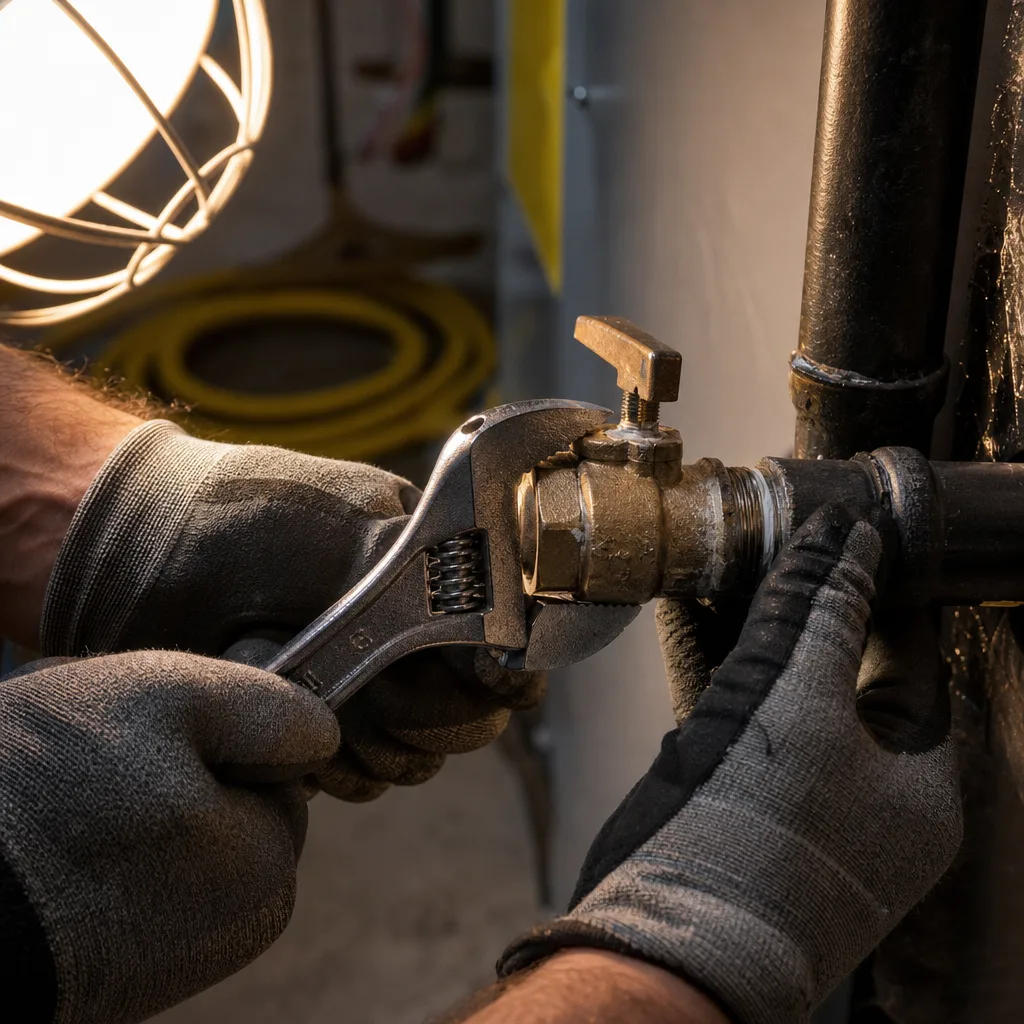
Say your boiler kicks on, but the upstairs radiators stay cold while downstairs feels fine. That often points to air in the lines or a pump problem, not a worn-out boiler. Fix that one thing, and the whole house warms up again.
- A repair usually makes sense when the circulator pump hums but water isn’t moving, or the pump has stopped completely.
- It also makes sense when the burner won’t light because of a bad igniter, thermocouple, or flame sensor.
- A dripping pressure relief valve or an expansion tank that’s lost its air charge is usually a simple fix.
- A failed thermostat, zone valve, or control board can be replaced without replacing the boiler.
- In each of these cases, the boiler is otherwise in good shape and heats evenly once it’s running.
- Replacement starts to make more sense when water pools under the boiler from the heat exchanger or a cracked cast iron section. That kind of crack usually can’t be patched for long.
- Heavy rust or corrosion on the body, flue, or burner area is another sign.
- You’ve paid for several repairs over the last couple of heating seasons, and now another one is on the table.
- Parts for your model are hard to find or aren’t made anymore.
- Rooms heat unevenly, the boiler cycles on and off a lot, or your gas bills keep climbing even though you haven’t changed how you use it.
Fort Worth winters put boilers through a strange pattern. Your boiler sits mostly idle for long stretches, then has to work hard when a cold front drops the temperature fast. That stop-and-start use is tough on pumps, valves, and igniters. North Texas hard water also leaves scale inside the boiler and piping over the years, which makes the heat exchanger work harder to do the same job. An older boiler that’s held up through mild winters can start showing its age during a hard freeze.
Here’s a common rule of thumb. If a repair would cost close to half of what a new boiler costs, and your boiler is already getting up there in years, that money is usually better spent on a replacement. Turn that around, though, and a well-kept older boiler with one bad pump is worth fixing. Don’t let anyone talk you into a new system just because of the date on the label.
Whichever way it goes, you’ll get upfront flat-rate pricing approved before work starts, so you can compare the repair cost against a replacement quote with real numbers in front of you. Our service-call fee is $26-$99, and it’s credited toward the repair if you go ahead with Xtreme Air Services. That way, finding out what’s really wrong doesn’t cost you extra if fixing it is the right answer.
Boiler Replacement Is Not the Same Job as Furnace Replacement
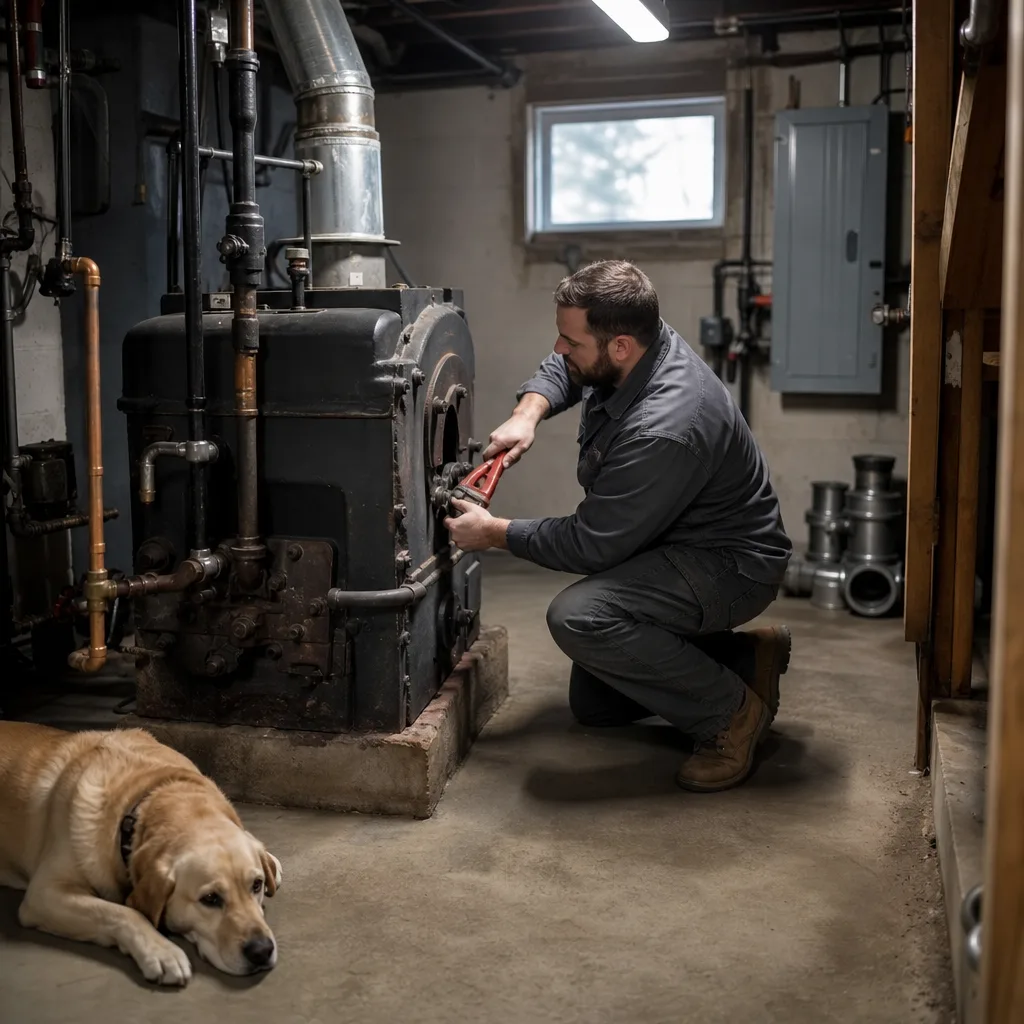
Most homes in North Texas heat with a furnace and ductwork. That means a lot of heating companies spend their days swapping furnaces, and a boiler can look like just another box to them. It isn’t. A furnace moves air. Your boiler moves hot water through a closed loop of pipes, and every part of that loop has to work with the new boiler, not just the boiler itself.
When you replace a furnace, the installer mostly matches the size, hooks up the gas and ducts, and sets the thermostat. When you replace a boiler, here’s what’s really in play:
- Sizing by heat loss, not by the old label. Many older boilers were oversized. A new one should be sized to how much heat your home loses and how much radiator or baseboard you have. A boiler that’s too big turns on and off all day, wastes gas, and wears out sooner.
- The piping right next to the boiler. The pumps, valves, expansion tank, air separator, and safety controls all have to fit the new unit. Some can be reused. Some can’t. A newer boiler may need different flow than the old one, so the piping layout matters.
- Venting. Older boilers usually vent up a chimney. A high-efficiency condensing boiler often vents out a side wall through plastic pipe and needs a drain for the water it makes while running. If you’re staying with chimney venting, the chimney has to be checked so it’s safe for the new unit.
- The water in the system. Old loops collect sludge and scale, and our hard water adds to it. Putting a new boiler on dirty water can shorten its life. Flushing and cleaning the loop is often part of doing the job right the first time.
- Gas and electrical. The new boiler needs the right gas supply and a proper electrical connection for its controls and pumps.
A quick word on efficiency. You’ll see boilers rated by AFUE, which is just the share of your gas that turns into heat for your home. A higher number means less gas goes up the vent. A condensing boiler can get a lot more heat out of the same gas, but only if the system runs cool enough water for it to condense. That depends on your radiators and how the system is set up. A good installer looks at your home before promising savings.
Here’s a simple example. Say your old cast iron boiler vents into a brick chimney in the middle of the house. You want a high-efficiency model. Now the job may include a new wall vent, a condensate drain, and changes to the near-boiler piping. Two quotes that both say “new boiler” can mean very different work. Ask each contractor exactly what’s being reused and what’s being replaced.
This is where one accountable team helps. A boiler touches plumbing, gas, venting, and electrical all at once. Xtreme Air Services handles HVAC, plumbing, and electrical under one roof, and our work includes hydronic heating installation, pump installation and repair, piping installation, and boiler commissioning. That means no hand-offs between trades. One team owns the whole system, from the first heat loss check to the final startup and test.
What a Standard Boiler Replacement Includes
A standard boiler replacement is a like-for-like swap. The new boiler goes where the old one was and uses your existing connections, with no major changes to the system. That’s the job most homeowners need. It’s also the easiest one to price clearly, so let’s start there.
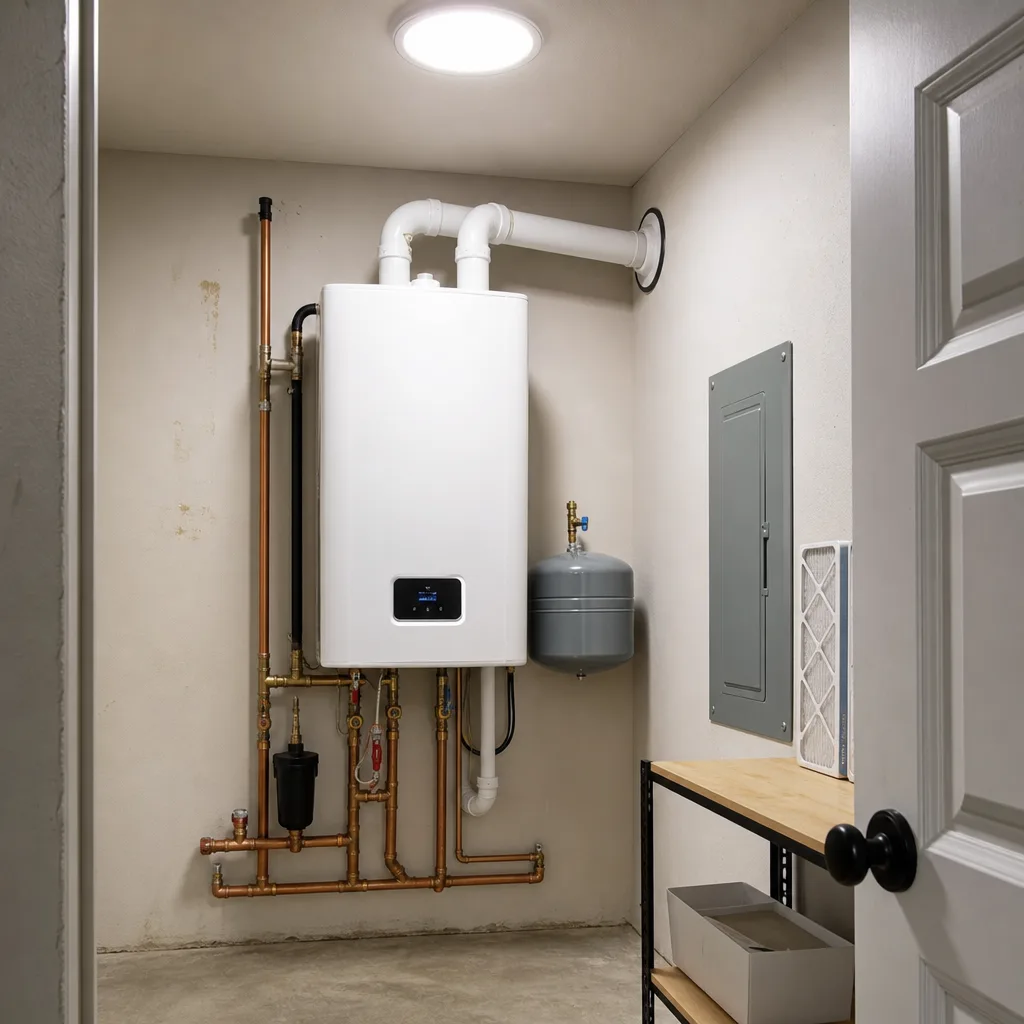
Here’s what’s included in a standard replacement with Xtreme Air Services:
- The new boiler and the materials to install it
- Professional installation
- Standard connections to your existing setup
- Startup and testing, so the boiler is fired up and checked before it’s left to run on its own
- Haul-away of your old unit, which matters more than you’d think, because an old cast iron boiler is heavy and hard to get rid of on your own
For that most common job, our price range is $9,200-$15,500. Across all the boiler replacements we quote, the typical range runs $6,000-$22,000. The gap between those numbers comes down to your home and your system, not guesswork.
These are the things that push the price up or down:
- Size and capacity. A bigger boiler for a bigger heat load costs more.
- Efficiency. A higher AFUE boiler costs more up front and can save gas over time.
- Brand and model.
- Ease of access. A boiler in a cramped basement or tight closet takes more time to get out and get in.
- Condition of your existing wiring and plumbing. Worn or outdated connections may need work.
- Code upgrades and permits.
- Custom fabrication, when standard parts won’t fit your space or piping.
Some things are not part of a standard replacement unless your quote says they are. These include electrical or plumbing modifications, code corrections, and permits. If you’re moving to a different vent setup or changing the near-boiler piping, covered above, that’s modification work. It gets priced separately so you can see it.
This is where homeowners get surprised by other contractors. One quote looks lower because it leaves out the permit, the haul-away, or the piping changes your new boiler needs. When you’re comparing quotes, put them side by side and ask three things. Is the permit included? Is removal of the old boiler included? What modifications are listed, and which ones are left out? If a quote can’t answer those clearly, it isn’t the real price yet.
With us, you get upfront flat-rate pricing approved before any work starts. Anything outside the standard job is spelled out on paper, so you know the full number before you say yes. No meter running, and no extra line items showing up on the final bill.
If the total is more than you’d planned for, flexible financing is available on qualifying installations and larger jobs, on approved credit. That can let you replace a failing boiler now instead of nursing it through another cold front while you save up.
Ready when you are – get in touch today.
Call Today, Get Service Today. Xtreme Air Services — Fort Worth is ready to help.
Checking a Contractor’s License Before a Boiler Replacement
A boiler replacement isn’t one trade. It’s heating work, plumbing work, gas work, and electrical work in the same afternoon, as covered above. So before you sign a quote, make sure the company holds a license for each part of the job, not just one of them. It takes about five minutes, and it’s the best protection you have.
Here’s what to check:
- An HVAC contractor license. In Texas, heating and air conditioning contractors are licensed by the Texas Department of Licensing and Regulation (TDLR). Ask for the license number, then look it up on TDLR’s public license search. Make sure the name matches the company on your quote and the license is active.
- A plumbing license for the water and gas side. The boiler’s water piping and gas connection are plumbing work in Texas. Ask who the licensed plumber on the job is.
- Proof of insurance. If someone gets hurt in your utility room or a pipe lets go during the swap, you don’t want that landing on your homeowner’s policy. Ask for a certificate of insurance, not just a yes on the phone.
- Who pulls the permit. A properly licensed contractor can pull the permit in their own name. If a contractor asks you to pull it as the homeowner, take that as a warning sign.
- Who’s coming to your house. A license on the company’s truck doesn’t tell you who walks through your door. Ask whether the technicians are the company’s own people and whether they’re background-checked.
Be careful with a quote from a company that only does furnaces and AC and plans to send the gas and piping work to someone else. That isn’t always a problem. But it means more than one company is touching your system. If the new boiler doesn’t heat right, each one can point at the other.
Here are our numbers, so you can check us the same way. Xtreme Air Services is a fully licensed and insured HVAC, plumbing, and electrical contractor. Our HVAC License is #TACLA29023C, and you can look it up on TDLR’s site. Our plumbing work is overseen by Master Plumber Larry Breedlove. The technicians who come to your home are background-checked and drug-tested, and they treat your home like it’s their own family’s.
We’re also a Trane Comfort Specialist. We’ve earned a 4.8-star reputation across more than 2,900 reviews on Google, Angi, and HomeAdvisor. Those reviews come from neighbors across the DFW Metroplex who called us when it counted. That’s the kind of proof you can check before you ever pick up the phone.
When you’re ready, call and talk to a real person. We’ll ask about your boiler, set up a visit, and give you upfront flat-rate pricing on paper before any work starts. If a repair is the smarter move, we’ll tell you that too.
Watch Our Video
See How We Handle Boiler replacement in Fort Worth
Xtreme Air Services — Fort Worth
Mechanical Permits for Fort Worth Boiler Replacement
Yes, replacing a boiler in Fort Worth needs a permit. A boiler burns gas, vents exhaust, and holds hot water under pressure inside your home. That’s exactly the kind of work the city wants a second set of eyes on. The permit isn’t there to slow you down. It’s how you get an inspector to confirm the new boiler was put in safely, at no extra effort on your part.
A boiler swap can touch more than one kind of permit. The boiler itself is mechanical work. The gas line and water piping fall on the plumbing side. If the new boiler needs a new circuit or electrical changes for its controls and pumps, that can be its own permit too. A good contractor knows which ones your job needs and pulls them all, not just the easiest one.
When the inspector comes out, they’re looking at the parts of the job that keep your family safe and that you can’t easily check yourself:
- Venting. The exhaust has to leave your home the right way, whether it goes up a chimney or out a side wall. A bad vent can let carbon monoxide back into the house.
- Combustion air. A gas boiler needs enough fresh air to burn cleanly. A boiler closed up in a tight closet may not get it.
- The pressure relief valve. This valve lets water out if pressure builds too high. It has to be the right size and piped so it drains safely, not toward someone standing nearby.
- Gas connections. The inspector checks that the gas line is sized and connected correctly and that it doesn’t leak.
- Clearances. The boiler needs enough space around it from walls and anything that can burn.
Your address decides which office handles the permit. A home inside Fort Worth city limits goes through the City of Fort Worth. If you’re just outside the line, in a neighboring city or an unincorporated part of the county, the rules and the office can be different. Your contractor should confirm this before the job is scheduled, so there’s no surprise on install day.
Skipping the permit can come back to bite you. If your boiler ever causes a problem, your insurance company may ask whether the work was permitted. When you sell your home, a buyer’s inspector may spot a newer boiler with no permit on file. Fixing that later usually costs more and takes longer than doing it right the first time.
If you own a commercial building, ask one more question. Larger boilers that serve businesses can face extra inspection rules beyond the city permit. Make sure your contractor tells you up front whether your boiler falls under them.
Permit fees aren’t part of a standard replacement unless your quote says so, as covered above. So look for the permit on your written quote, and ask when the inspection will happen. Your new boiler isn’t really finished until it passes. Ask for a copy of the passed inspection for your records. It’s one more piece of proof that the job in your home was done right.
Frequently Asked Questions
Common questions about Boiler replacement
How long should a boiler last before I need to plan for replacement?
Most boilers last 15 to 20 years with regular care. In Fort Worth, that lifespan can shrink if hard water scale builds up inside the heat exchanger or the unit sits idle most of the year, then gets pushed hard during a sudden cold front. If yours is near that age and starting to need repairs more often, it’s worth getting a heat loss check before the next freeze.
How much does a boiler replacement typically cost?
Cost depends on the size of your home’s heat load, the boiler’s efficiency rating, how hard it is to access, and whether your venting or piping needs changes too. A standard like-for-like swap costs less than a job that also needs a new vent, a condensate drain, or updated near-boiler piping. Getting a written quote that spells out exactly what’s included is the only way to compare offers fairly.
Ready to Get Started?
Call (817) 677-1907 Today, Get Service Today.